
 Baku 23° C
Rohey Malik Lowe: There can be no peace without climate justice
- 19 May, 2026
- 15:26
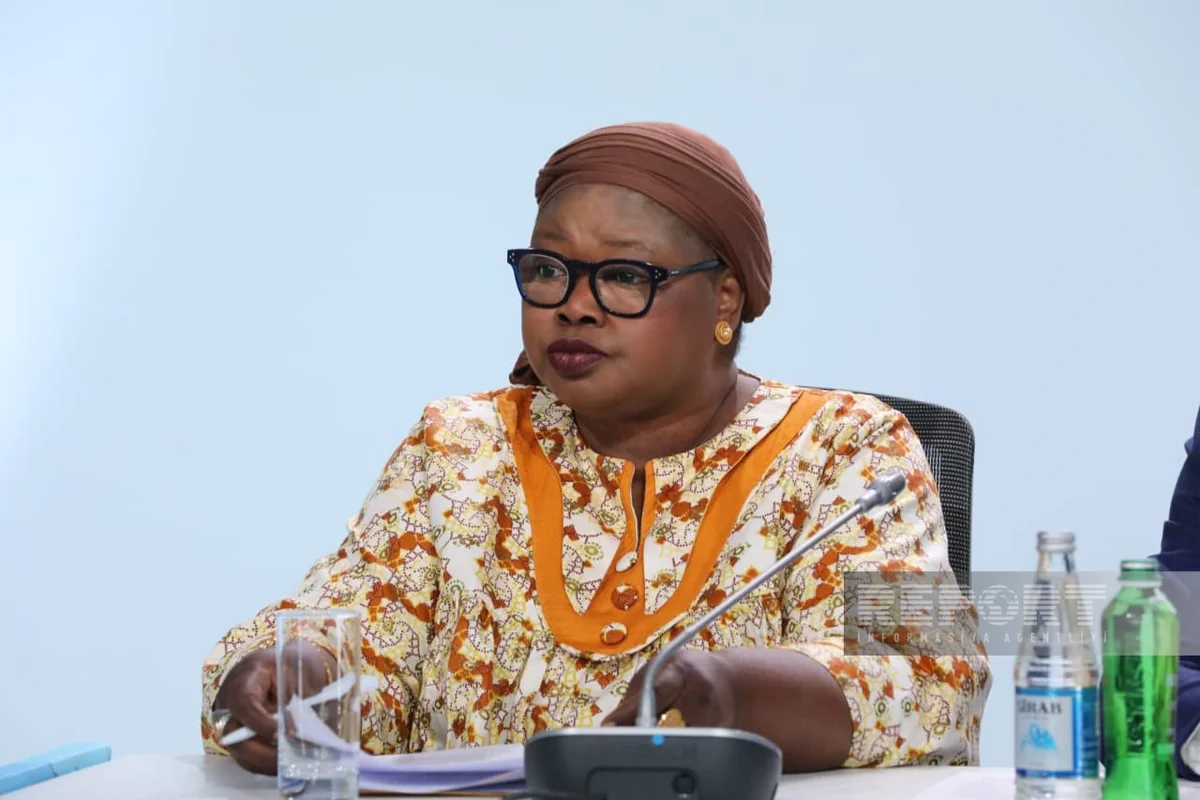
The climate crisis is increasingly fueling conflict and instability, particularly in the world's most vulnerable regions, where resource scarcity exacerbates social tensions, Rohey Malik Lowe, Mayor of Banjul, Gambia, said at the panel session "Peace-Positive Climate Action through Urban Solutions in Fragile and Conflict-Affected Settings" at the 13th session of the World Urban Forum (WUF13) in Baku, Report informs.
She noted that the impacts of climate change are already directly affecting security, triggering competition for water, land, and other vital resources.
"Climate shocks are driving conflict where resources are scarce and hope is fragile. We have learned a hard lesson: without climate justice, there is no peace," Lowe emphasized.
The mayor noted that traditional models of governance in regions affected by crises and instability are no longer adequate to address today's challenges. In her view, local authorities are forced to respond to climate threats in real time and cannot wait for long-term solutions at the national level.
She called on international organizations and donors to more actively engage municipalities in decision-making processes on climate, humanitarian aid, and peacebuilding.
"We know the conflict lines, we know the climate risks, and we know the peacekeepers by name," said the mayor of Banjul.
According to Lowe, cities are currently on the front lines of the fight against the consequences of climate change – from devastating floods and rising sea levels to forced migration and rising social tensions. In this regard, she emphasized the need to expand financial and technical support for local authorities, especially in countries of the Global South.
Author