
 Baku 24° C
Moody's: Azerbaijan increasingly benefiting from development of Middle Corridor
- 14 September, 2026
- 15:18
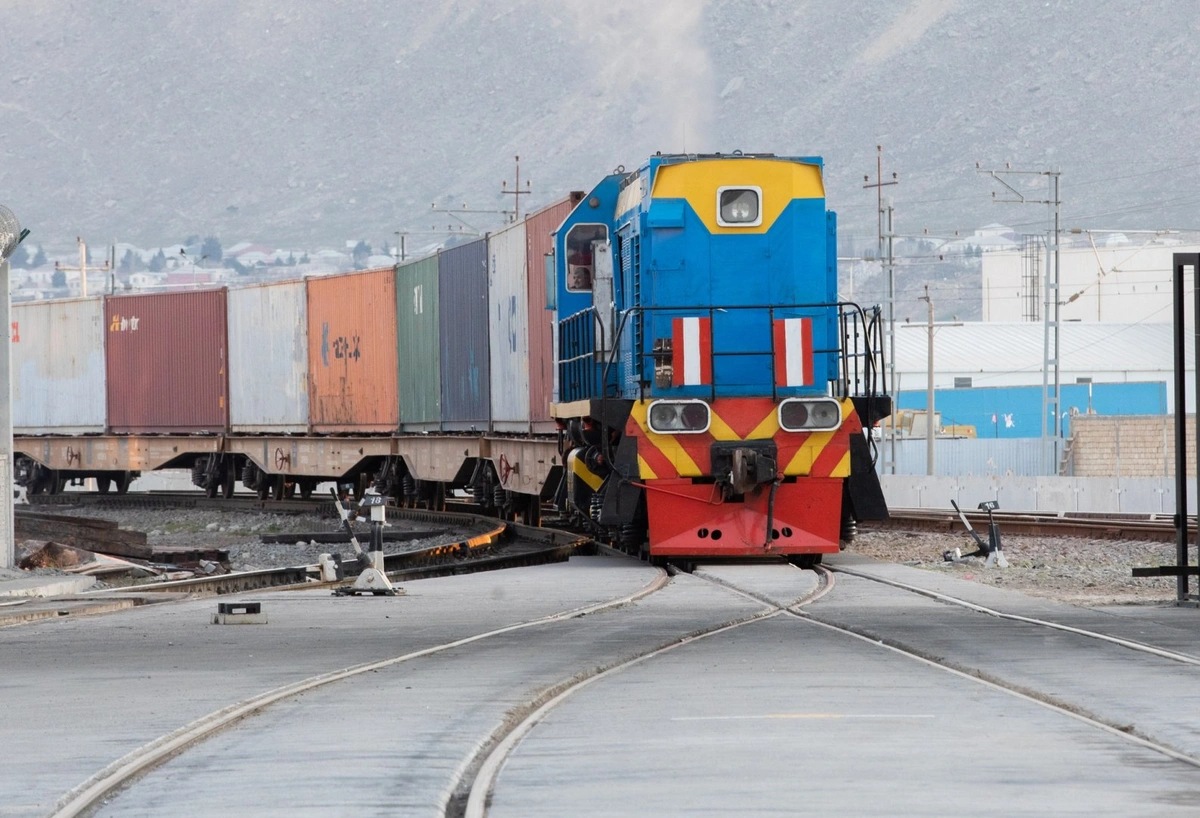
Large-scale investments in transport, logistics, and energy infrastructure will serve as a key driver of economic diversification and medium-term growth in Central Asia and the Caucasus, Report informs referring to the international rating agency Moody's.
Increased activity along the Trans-Caspian International Transport Route (Middle Corridor) brings a direct economic benefit to Kazakhstan (sovereign credit rating affirmed with a "stable" outlook), Azerbaijan, and Georgia (Ba2, "stable").
At the same time, the multiplier effect for neighboring states is expanding. In particular, Uzbekistan (Baa1/Ba2, 'stable') and the Kyrgyz Republic (B3, 'positive') are experiencing a positive impact. The implementation of strategic infrastructure initiatives, including the China-Kyrgyzstan-Uzbekistan railway construction project, promotes closer economic integration of the region with the markets of Europe, China (A1, 'stable'), and Gulf countries, the agency's analysts note.
Economic growth in the region is gradually expanding beyond the traditional commodity sector. Central Asian countries are recording rapid growth in services, manufacturing, and construction, experts believe.
Analysts note that, in parallel, regional states are actively increasing investments in green energy and cross-border resource transmission infrastructure. Key projects in this area include the Caspian Green Energy Corridor and the initiative to lay a strategic submarine cable across the Black Sea seabed. These initiatives aim to establish new generation sources and strengthen the overall energy interconnectivity of the economies.
Furthermore, Kazakhstan, Uzbekistan, Azerbaijan, and Armenia have launched large-scale investments in the development of data centers, fiber-optic backbone lines, and modern computing infrastructure, the agency's analysts emphasize.
According to their estimates, technological modernization will create a solid foundation for labor productivity growth and an increase in exports of high-value-added products in the long term.
Author