
 Baku 21° C
Minister: Uruguay ready to consider participation of Azerbaijani companies in modular housing program - INTERVIEW
- 19 May, 2026
- 13:07
Stay up to date with the top news!
Modern urbanization requires countries to find a balance between rapid urban growth and the preservation of ecosystems. Uruguay is currently a clear leader in Latin America in the implementation of green building principles, energy-efficient technologies, and smart spatial planning. Large-scale modernization of the housing stock and the creation of an inclusive urban environment are becoming the main drivers of the country's sustainable development.
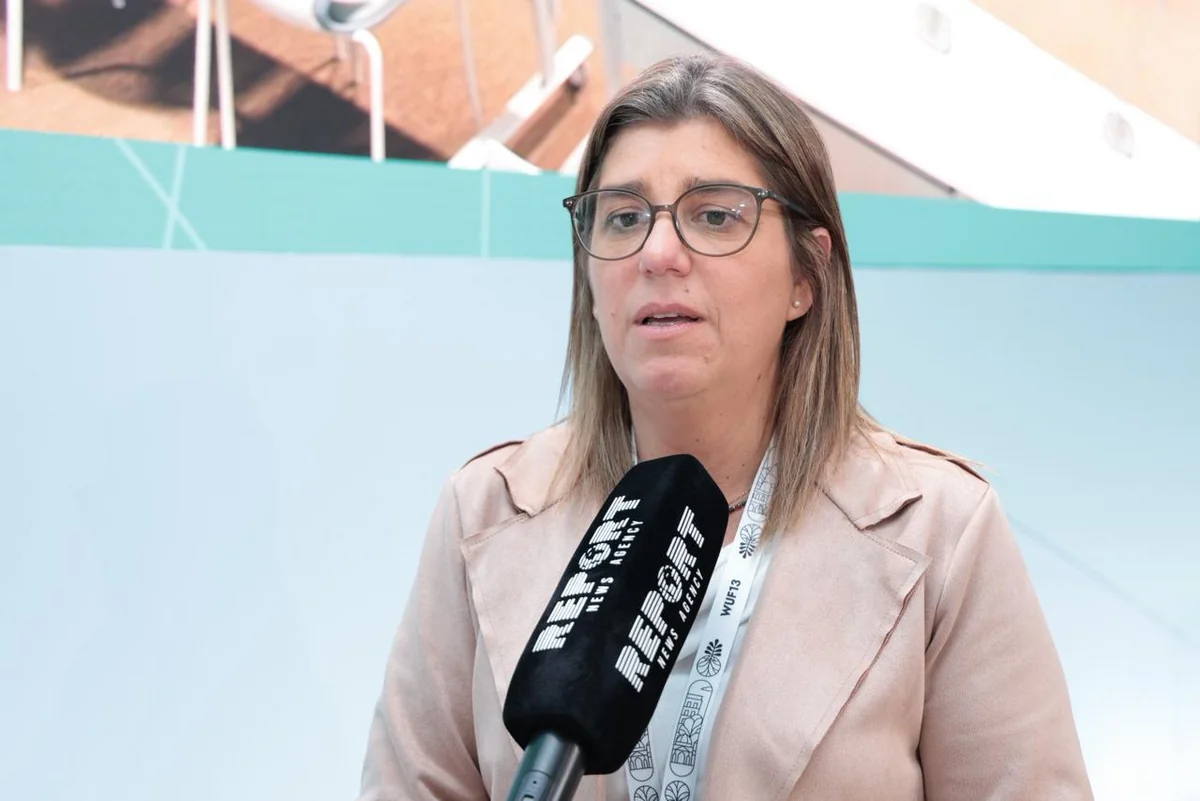
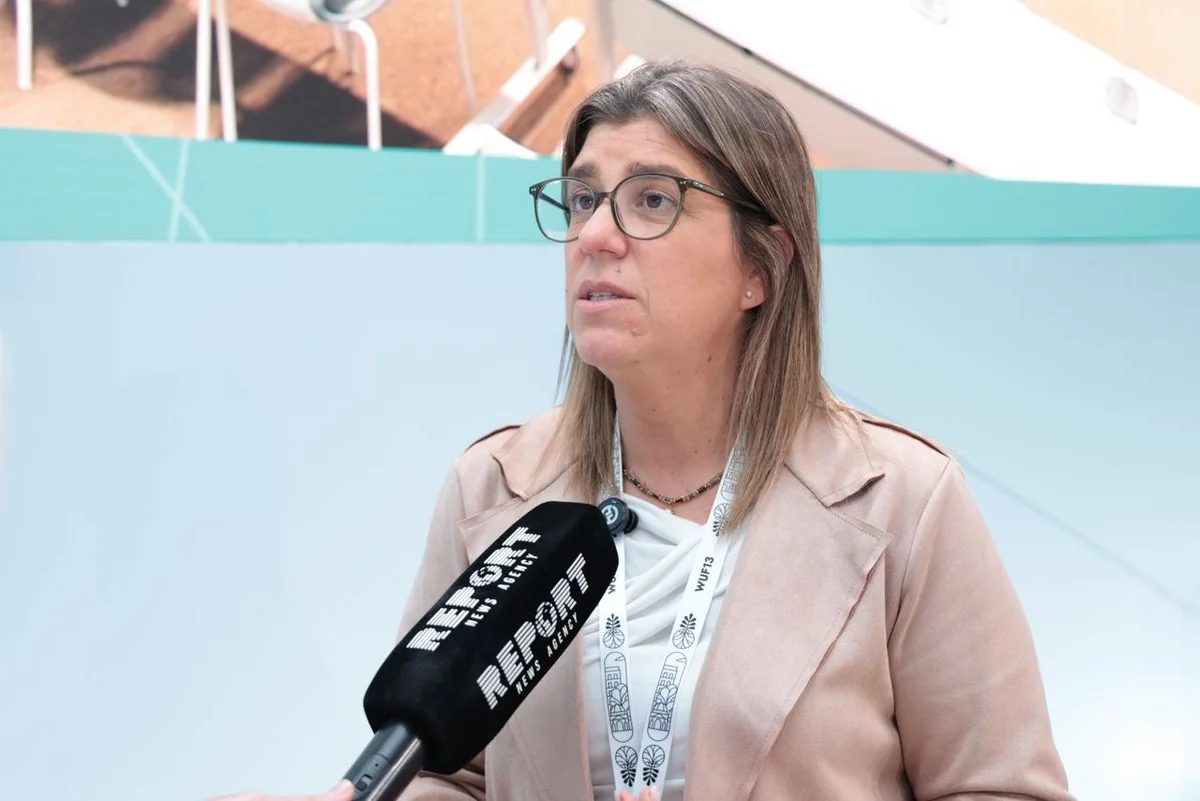
In an exclusive interview with Report on the sidelines of the 13th session of the World Urban Forum (WUF13), Uruguay's Minister of Housing and Territorial Planning, Tamara Paseyro, discussed the introduction of eco-technologies in mass construction, strategies for overcoming the housing shortage, and how Uruguay is adapting its cities to climate challenges.
Report presents the interview:
- Madam Minister, Azerbaijan is currently implementing large-scale projects to create smart cities and smart villages. What practical experience in the digital transformation of urban planning and the construction of energy-efficient housing would Uruguay be willing to share with Azerbaijan?
- In Uruguay, we are currently addressing a pressing issue facing our country: information: how we are progressing in collecting it and how we are digitizing this data. We are working on creating a territorial observatory based on geospatial data, which is designed to support planning and facilitate management. This is an area in which we are open to an active exchange of experience.
Regarding energy-efficient housing, the Uruguayan Ministry of Housing has a specialized technical regulation designed to ensure the energy efficiency of all buildings we construct. The application of such standards not only reduces the environmental impact but also makes it possible to significantly reduce citizens' utility bills in the long term. I believe that our countries could also establish productive cooperation in this area, as the combination of Azerbaijan's technological approaches and Uruguay's regulatory framework could provide mutual benefits.
- Do you see potential in signing a memorandum of cooperation between the Uruguayan Ministry of Housing and Territorial Planning and the State Committee for Urban Planning and Architecture of Azerbaijan?
- We are certainly interested in exchanging experiences with Azerbaijan. In my view, this is the main goal of the World Urban Forum (WUF) – to provide access to accumulated knowledge and achievements, including both positive results and mistakes, in order to improve construction practices. Therefore, we are certainly committed to continuing this bilateral exchange of experience – in this case, specifically with the Azerbaijani side. It is possible that such interaction may eventually develop into a formal agreement.
- It is known that under your leadership, Uruguay is preparing tenders for the production of prefabricated and mobile housing modules designed for socially vulnerable groups. Is Uruguay considering the participation of Azerbaijani construction companies or attracting investment from Azerbaijan to implement these programs?
- In Uruguay, we recently completed a five-year plan for housing and living environment, which sets the direction of our activities for the entire upcoming government term. During its preparation, we were clearly aware that, as a ministry, we have systemic policies aimed at improving the quality of life of citizens: a set of measures and initiatives aimed at improving the situation in informal settlements and supporting those segments of the population that are currently particularly vulnerable. These systemic policies improve not only housing conditions but also the overall living environment.
At the same time, we understand that there is another category of citizens who cannot wait for the state to implement all these measures. That's why we're already offering immediate solutions for families living in flood zones in extremely poor living conditions, with a particular focus on children and adolescents. We use modular construction. Our approach is to improve living conditions directly on-site using prefabricated modules: kitchen units, bathrooms, bedrooms, and living spaces. This enables families to significantly improve their quality of life while awaiting final resettlement.
Uruguay is already undertaking similar work to improve settlements. The materials used are subject to strict sustainability requirements, and the project actively integrates the concept of green housing. Therefore, if the products of Azerbaijani construction companies meet our sustainability standards, we will readily consider their commercial proposals. Regarding investment, I believe any country always welcomes an influx of new capital for its social projects.

- Uruguay is focusing on sustainable housing. What requirements for eco-friendly building materials and green housing standards are currently being implemented in your country, and have any possible joint initiatives with Azerbaijan been discussed following the legacy of the COP29 climate summit in Baku?
- Frankly, until now, a joint initiative with Azerbaijan in this area has not been considered. However, as I noted earlier, we are open to such cooperation. Sustainable development criteria and product quality standards, particularly for housing, are of paramount importance to us, and Uruguay adheres to very strict standards in this area.
The country has fairly strict technical regulations, compliance with which is mandatory for all companies participating in government tenders. Of course, we are also making every effort to promote the concept of green housing – this area is currently in its active development phase. Uruguay has accumulated experience in timber construction since 2010, and during our current term, we intend to continue developing timber house construction and, in response to the growing demand for housing, to explore other unconventional construction technologies. At the same time, if we receive specific proposals from the Azerbaijani side, I believe we will readily study them and achieve truly significant results.
Author


