Baku 18° C
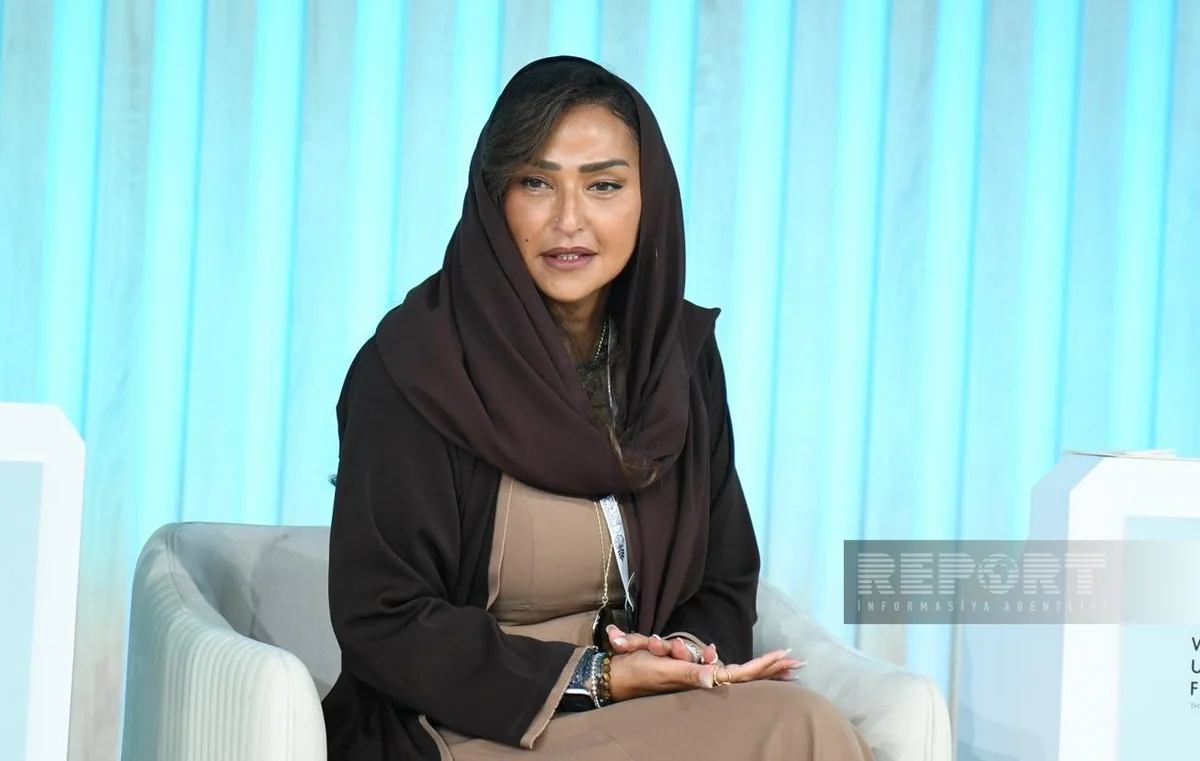
Lamia AlSaud: 600 houses built, 5,000 people trained in Yemen as part of project with UN-Habitat
- 19 May, 2026
- 12:18
Stay up to date with the top news!
As part of the Saudi Development and Reconstruction Program for Yemen (SDRPY), in partnership with the United Nations Human Settlements Programme (UN-Habitat), 600 homes were provided to Yemenis and large-scale vocational training programs for families were launched, Princess Lamia bint Majed AlSaud of Saudi Arabia, UN-Habitat's Regional Goodwill Ambassador for the Arab States, said during a panel discussion entitled "The Social and Economic Power of Housing" at the 13th session of the World Urban Forum (WUF13) in Baku, Report informs.
She emphasized that the organizers of the humanitarian project did not stop at building homes, but rather made it a starting point for long-term assistance, developing specialized training programs that subsequently provided jobs for Yemeni families, bringing the total number of beneficiaries to nearly 5,000.
According to her, such initiatives have a far more profound impact on society than simply handing over the keys to a house.
The princess also noted that by 2030, approximately 60% of the world's population will live in cities, so effectively providing housing will require the combined efforts of governments, international institutions, and philanthropic organizations.
"But I believe that when you teach families and citizens around the world to earn their own income and participate in the economy-whether renting or buying-that's what dignity and stability mean," she said.
Lamia AlSaud added that successful housing projects must be built on the essential collaboration of three parties: governments, which shape policy and ensure sustainability; international organizations, which provide the technical foundation and expertise; and philanthropic foundations, which provide innovation, vision, and financial support. Together, these efforts create a comprehensive system for long-term development, rather than short-term assistance for a few months.
Author