 Baku 20° C
IATA calls on EU to rethink approach to sustainable aviation fuel
- 06 June, 2026
- 17:34
Stay up to date with the top news!
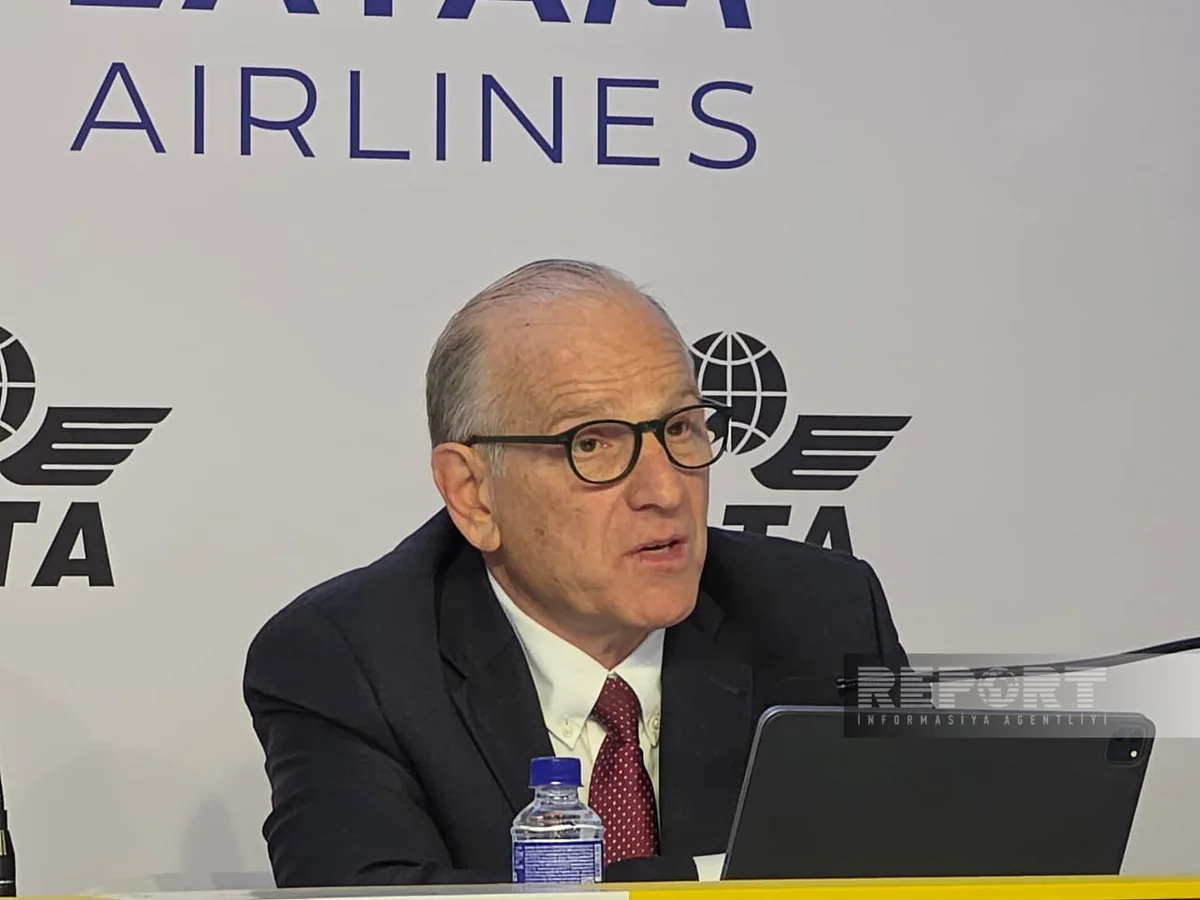
The European Union's sustainability agenda in aviation is not delivering the expected results, Rafael Schvartzman, Regional Vice President for Europe at the International Air Transport Association (IATA), said during a press conference at the 82nd Annual General Meeting (AGM) and World Air Transport Summit (WATS) of IATA.
Report quotes him as saying current EU policy is reducing the competitiveness of the European aviation sector while failing to deliver sufficient progress in decarbonizing the industry.
"The two most important issues are the interaction between the EU Emissions Trading System (ETS) and the global CORSIA mechanism, as well as the production and deployment of sustainable aviation fuel (SAF) under the ReFuelEU initiative.
Regarding ETS, our key demands are straightforward: align the system with the global CORSIA framework, including intra-European flights, avoid duplication of regional measures, and channel most ETS revenues into aviation decarbonization-primarily SAF development and new technologies," Schvartzman said.
He noted that although the ReFuelEU initiative introduced mandatory quotas for the use of sustainable aviation fuel, it has not led to the expected increase in supply.
"Instead, airlines have been burdened with additional costs: in some cases, SAF is more than five times more expensive than conventional aviation fuel. At the same time, supplies remain limited and unevenly distributed. Airlines can only account for SAF use where it is physically available, which restricts competition and creates avoidable inefficiencies," he emphasized.
According to the IATA vice president, the issue could be resolved through a book-and-claim system.
"This would allow airlines to purchase SAF where it is most efficient and economically viable, while still claiming the emissions reductions on flights in other regions. It would help create a more liquid and competitive market, reduce costs, and attract investment into SAF production," he added.
Author