
 Baku 21° C
Autonomous Vehicles in the World and in Azerbaijan: An Expert View by Naim Azizov
- 09 June, 2026
- 11:36
Stay up to date with the top news!
For decades, autonomous vehicles were viewed as a symbol of the future -an innovation associated with science fiction, technology showcases, and bold predictions. Today, that future is beginning to materialize, as self-driving vehicles gradually make their way onto real roads and into everyday transport systems around the world.
Autonomous vehicles are already operating in major cities, transporting passengers, supporting logistics operations, and becoming an increasingly important part of national mobility strategies. Yet despite this progress, the world has not reached a stage where anyone can purchase a fully autonomous vehicle and travel anywhere without human involvement.
The reality is both more nuanced and more remarkable than many people assume. The evolution of autonomous mobility is not being driven by universal deployment, but by carefully controlled environments and clearly defined use cases. From robotaxis and autonomous shuttles to freight corridors, logistics hubs, airports, campuses, and industrial zones, self-driving technology is advancing through targeted applications where it can deliver the greatest value.
To better understand the current state of the industry, the countries and companies leading its development, the challenges that remain, and Azerbaijan's potential role in this emerging ecosystem, we spoke with transport expert Naim Azizov.
– How is the global autonomous vehicle market developing today, and what stage has this technology reached?
The autonomous vehicle industry has moved far beyond the stage of laboratory experiments and technology demonstrations. What was once a promising concept is now becoming part of everyday transportation in a growing number of cities around the world.
In several countries, autonomous vehicles are already carrying passengers, supporting logistics operations, and operating as commercial services. At the same time, it is important to understand where the technology stands today. We are not yet at the stage of widespread adoption where autonomous vehicles can operate anywhere, under any conditions, without limitations.
Instead, the industry is entering a phase of controlled commercialization. Self-driving vehicles are being deployed in specific cities, along defined routes, and under carefully managed operating conditions. In the industry, these parameters are known as the Operational Design Domain (ODD), which defines the environment in which an autonomous system can operate safely.
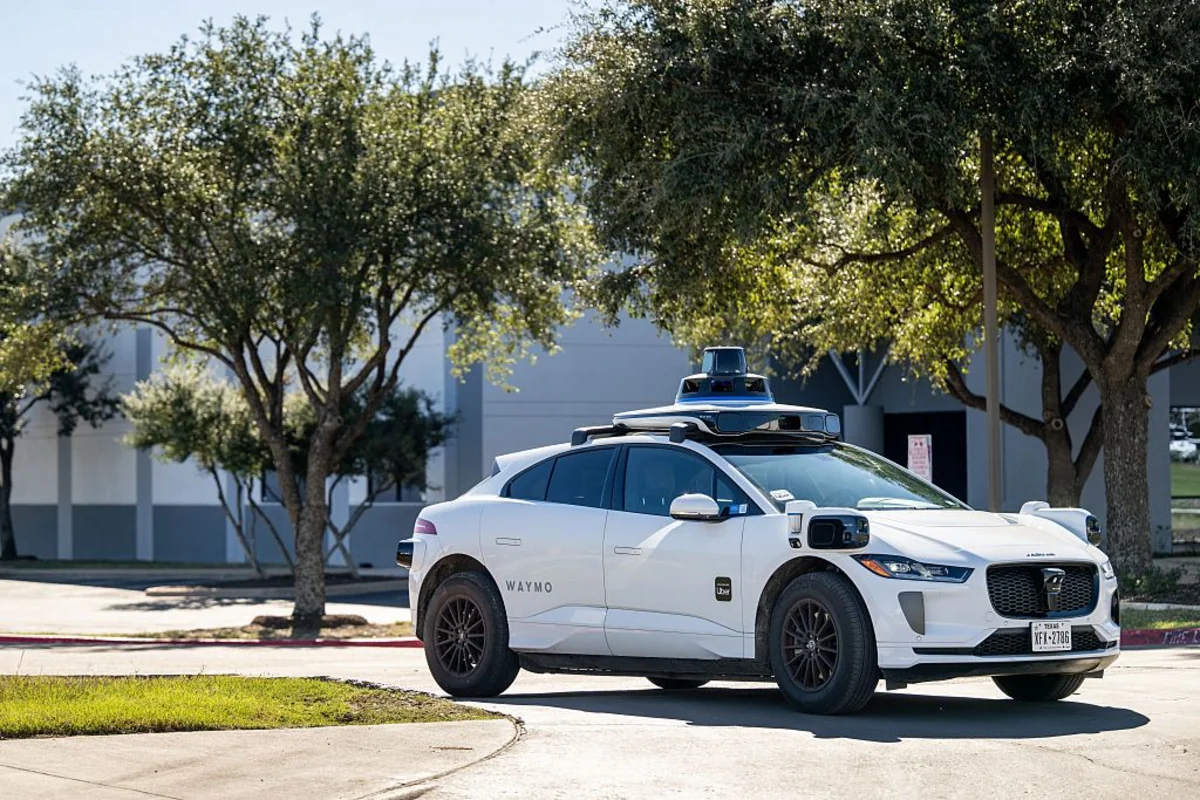
"Waymo" is one of the most prominent examples of this approach. According to company figures published in 2026, its robotaxi service now completes around 500,000 paid trips per week in the United States. "Zoox" is following a different path by developing vehicles designed specifically for autonomous operation rather than adapting conventional cars. The company has also announced plans to launch services through the "Uber" platform.
China has also become one of the leading markets for autonomous mobility. Companies such as "Baidu Apollo Go" are rapidly expanding robotaxi services while exploring opportunities beyond the domestic market, including the Middle East.
The key takeaway is simple. Autonomous vehicles are no longer experimental technology. They have already become a real transportation product. The next challenge is expanding their operating environments, strengthening regulatory frameworks, and building public confidence as the technology continues to mature.
– Which countries and companies are currently leading the development and deployment of autonomous transport?
If we focus on real-world deployment rather than ambitious presentations, the clear leaders today are the United States and China.
In the United States, "Waymo" remains the benchmark for commercial autonomous mobility. The company has accumulated millions of miles of real-world driving experience and has built one of the most advanced robotaxi operations currently available. Its strength lies not only in its technology, but also in its extensive operational experience, data resources, and disciplined expansion strategy.
"Tesla" continues to be one of the most influential players in the industry due to the scale of its vehicle fleet, the strength of its brand, and the visibility of Elon Musk's vision for autonomous mobility. For many years, however, the company's Full Self-Driving system operated under driver supervision requirements. In 2026, "Tesla" began expanding its robotaxi operations in Austin, marking an important step toward greater autonomy, although questions surrounding regulation, safety, and large-scale deployment remain part of the broader discussion.
China has established itself as a major force in the sector. Companies such as "Baidu Apollo Go", "Pony.ai", and "WeRide" are rapidly scaling autonomous mobility services and expanding their presence both domestically and internationally. In particular, "Pony.ai" has achieved several regulatory milestones and announced plans for significant fleet expansion in the coming years.
"Zoox" also deserves special attention. Unlike many competitors that adapt existing vehicles, the company is developing purpose-built autonomous vehicles designed specifically for driverless passenger transportation. At the same time, "Uber" has positioned itself as a platform that connects different autonomous mobility providers with customers rather than developing its own autonomous driving technology. Its partnership with "Zoox" reflects this strategy.
Overall, the market is moving beyond the question of whether autonomous transport works. The focus has shifted toward scale, regulation, operational efficiency, and public acceptance. In these areas, the United States and China continue to set the pace for the rest of the world.
– How widespread could the use of autonomous vehicles become over the next 10–15 years?
Over the next 10 to 15 years, the widespread adoption of autonomous technology is more likely to come through shared mobility services than through privately owned self-driving cars.
Rather than owning autonomous vehicles themselves, many people may access the technology through robotaxis, autonomous shuttles, delivery services, and, increasingly, autonomous freight operations. In many cases, autonomy is expected to develop as a service rather than as a product purchased by individual consumers.
There are several reasons why this scenario appears more realistic. Fleet operators can control routes, maintenance, software updates, and safety procedures more effectively than individual vehicle owners. The economics are also more attractive, as a single autonomous vehicle can serve many passengers throughout the day rather than remaining parked for long periods.
From a regulatory perspective, it is also easier to approve autonomous services within defined operating areas than to allow millions of privately owned autonomous vehicles to drive freely on all roads and under all conditions.
As a result, the next decade is likely to be shaped by robotaxis, autonomous shuttles, freight transport, airport mobility services, logistics hubs, and other controlled-use environments. Fully autonomous private vehicles capable of operating anywhere and under any conditions will likely take longer to become a mainstream reality.
The future of autonomy is therefore expected to arrive gradually, through practical and commercially viable applications, rather than through an overnight transformation of personal transportation.
– What key technological barriers remain for the deployment of autonomous transport?
The biggest challenge is not driving on a well-marked road in good weather. Modern autonomous systems can already handle those conditions with a relatively high degree of confidence.
The real difficulty lies in what the industry often refers to as the "long tail" of driving scenarios. These are rare, unpredictable, and highly complex situations that occur infrequently but can be difficult to anticipate and manage.
Examples include roadworks with unclear markings, pedestrians suddenly entering the roadway, motorcycles moving between lanes, improperly parked vehicles, severe weather conditions, damaged road signs, temporary detours, or unusual instructions from traffic officers.
Human drivers often rely on experience, intuition, and contextual judgment when dealing with such situations. Autonomous systems must interpret the same environment through sensors, software, mapping data, and decision-making algorithms, then determine the safest course of action in real time.
The challenge extends beyond artificial intelligence alone. It also involves sensor performance, high-definition mapping, connectivity, cybersecurity, software reliability, simulation testing, and the ability to verify safety under a wide range of operating conditions.
This is one of the reasons why leading companies are expanding gradually rather than promising universal deployment. Instead of claiming their vehicles can operate everywhere, they focus on environments where the technology can be validated, monitored, and continuously improved.
That approach may be less dramatic than some early predictions, but it reflects the current reality of the industry. The future of autonomous mobility will be built through incremental progress, careful testing, and proven safety performance.
– How prepared is Azerbaijan for the deployment of autonomous vehicles in terms of infrastructure and digital technologies?
Azerbaijan is not starting from zero. In recent years, the country has made noticeable progress in transport digitalization, logistics development, electronic documentation, and the modernization of transport management systems.
An important step was the approval of the digital development acceleration plan in 2026, which outlines the creation of a regulatory, technological, and institutional framework for the gradual introduction of autonomous transport across multiple modes, including road, rail, metro, maritime, and aviation sectors.
At the same time, it is important to assess the current situation realistically. Azerbaijan has the foundations needed to begin pilot projects and limited testing initiatives, but large-scale deployment of autonomous vehicles on public roads remains a longer-term objective.
Several key areas still require further development. These include road marking quality, standardization of traffic signs, digital mapping, reliable connectivity, transport data exchange protocols, insurance mechanisms, legal liability frameworks, and incident reporting procedures.
Autonomous vehicles do not operate in isolation. They rely on a broader ecosystem that combines physical infrastructure, digital technologies, regulatory oversight, and data-driven decision-making. Building that ecosystem takes time and coordinated effort across both the public and private sectors.
The encouraging aspect is that the conversation in Azerbaijan has already moved beyond whether autonomous transport should be considered. The focus is gradually shifting toward how the necessary conditions can be created for future deployment.
For now, the country is well positioned to prepare for pilot projects and controlled testing environments. The next stage will be transforming that initial readiness into a comprehensive framework capable of supporting autonomous mobility at scale.
– Can Baku become a pilot platform for testing autonomous transport?
Yes, Baku has the potential to become a pilot platform for autonomous transport, and it is the most logical location for initial deployment in Azerbaijan.
The city combines several factors that make it suitable for testing new mobility solutions. It has a large and concentrated population, significant passenger demand, major business districts, tourism zones, airport connections, logistics facilities, and newly developed urban areas. These characteristics create opportunities to test autonomous services in environments where they can deliver practical value.
That said, a citywide rollout would not be the right starting point. International experience shows that autonomous transport is typically introduced gradually, beginning with clearly defined routes and controlled operating environments.
The most realistic approach for Baku would involve pilot projects connecting airports with urban centers, university campuses with nearby transport hubs, business districts with parking facilities, logistics centers with ports, and other routes where traffic patterns are relatively predictable.
This is the model followed by leading industry players such as "Waymo", "Zoox", and "Baidu Apollo Go". None of them began by deploying services across entire cities. They started with limited operational areas, gathered data, improved performance, and expanded step by step.
Baku could follow a similar path. By focusing on targeted pilot projects rather than large-scale deployment from the outset, the city would be able to evaluate technology performance, regulatory requirements, safety considerations, and public acceptance under real-world conditions.
The objective should not be to become the first city to launch autonomous transport, but to become a city that introduces it in a practical, safe, and economically sustainable way.
– What changes in road infrastructure would be required for the introduction of such technologies?
The arrival of autonomous vehicles does not reduce the importance of high-quality road infrastructure. In many respects, it makes it even more important.
Self-driving systems perform best in environments where road markings are clear, traffic signs are consistent, and road layouts are predictable. The quality of the physical environment directly affects the efficiency, safety, and scalability of autonomous operations.
Several elements are particularly important. These include well-maintained road markings, clearly visible traffic signs, reliable digital mapping, adequate lighting, designated stopping areas, stable connectivity, and, over time, the introduction of technologies that enable communication between vehicles and infrastructure.
At the same time, it would be incorrect to assume that autonomous vehicles require perfectly "smart" roads in order to operate. Modern systems are designed to function independently and cannot rely on continuous support from external infrastructure.
However, there is a clear relationship between infrastructure quality and deployment success. The more organized, predictable, and digitally supported the road environment is, the easier it becomes to introduce autonomous mobility solutions safely and at scale.
For Azerbaijan, this is particularly relevant. If the country aims to position itself not only as a user of emerging technologies but also as a regional testing and innovation platform, infrastructure must be developed with the needs of operators, regulators, insurers, and technology providers in mind.
Ultimately, autonomous transport is not only a vehicle technology challenge. It is also an infrastructure challenge, and the readiness of the surrounding environment will play a major role in determining how quickly these solutions can be adopted.
– To what extent does the country's level of transport digitalization allow for the integration of autonomous vehicles?
For initial pilot projects, the current level of digitalization provides a useful foundation. However, full-scale integration of autonomous transport will require a much deeper and more connected digital ecosystem.
Azerbaijan has already taken important steps in this direction through the development of digital logistics platforms, electronic documentation systems, and transport management solutions. The country's participation in initiatives such as "e-CMR" reflects a broader commitment to modernizing freight transport and reducing reliance on paper-based processes.
These developments create a solid starting point. However, autonomous mobility depends on far more than digital documents and online services. It requires real-time traffic management, high-quality digital mapping, secure data exchange, telematics, cybersecurity, large-scale data processing, and clearly defined rules governing access to transport data.
In practice, an autonomous vehicle should not be viewed as a standalone technology. It is one component of a much larger digital transport ecosystem in which vehicles, infrastructure, operators, regulators, and service providers continuously exchange information.
The more integrated that ecosystem becomes, the easier it will be to deploy autonomous solutions safely and efficiently. This is why digitalization should be viewed not only as a modernization effort, but also as a strategic prerequisite for the future of mobility.
Azerbaijan has already begun building many of these foundations. The next challenge will be ensuring that individual digital initiatives evolve into a connected system capable of supporting increasingly advanced transport technologies.
– What legislative changes are needed to allow autonomous vehicles on public roads?
A dedicated legal framework will be essential. Autonomous vehicles introduce questions that cannot be fully addressed through traditional traffic regulations alone, as many existing rules were written with a human driver in mind.
The first priority is establishing clear rules for testing. Regulators need to define who is permitted to test autonomous vehicles, where testing can take place, under what conditions, and what level of supervision is required.
The second area concerns certification and safety standards. Authorities must determine how autonomous systems are evaluated, how software updates are managed, and what requirements apply to sensors, cybersecurity, and operational safety.
Insurance and liability will also become increasingly important. In the event of an accident, it must be clear who bears responsibility and how compensation is handled. This becomes more complex when decisions are made by software rather than by a human driver.
Another critical element is data recording and transparency. Autonomous vehicles should be capable of documenting key operational information, including whether the vehicle or a human operator was in control at the time of an incident.
Cybersecurity is equally important. As vehicles become more connected and software-driven, protecting systems from unauthorized access and ensuring the integrity of software updates becomes a matter of public safety.
Finally, clear procedures will be needed for interaction between autonomous vehicle operators and public authorities, including law enforcement agencies, courts, regulators, and municipal administrations.
The encouraging development is that Azerbaijan has already identified many of these issues within its strategic planning process. This signals a transition from general interest in autonomous mobility toward the practical work required to prepare for its future deployment.
Ultimately, successful adoption will depend not only on technology, but also on the creation of a legal environment that provides clarity, accountability, and public confidence.
– Who would be responsible in the event of an accident involving a self-driving vehicle: the manufacturer, the owner, or the software developer?
There is no single answer to that question. Responsibility depends on the specific circumstances of the incident and the role each party played at the time.
If a vehicle is operating in fully autonomous mode within an approved area and under authorized conditions, liability may shift toward the manufacturer, the operator of the service, or the developer of the autonomous driving system.
On the other hand, responsibility may rest with the owner if they failed to maintain the vehicle properly, disabled safety systems, operated it outside approved conditions, or interfered with the software in ways that affected its performance.
This is why data recording and transparency are so important in autonomous transport. Following an incident, investigators must be able to determine who was in control, what operating mode was active, whether the vehicle was being used as intended, and how the system responded in the moments leading up to the event.
In the United States, regulators already require certain manufacturers and operators to report crashes involving autonomous driving systems and advanced driver assistance technologies. These reporting mechanisms help authorities assess real-world risks, investigate incidents, and improve safety oversight.
A similar approach will likely be necessary in other countries as autonomous mobility develops. Clear rules regarding liability, reporting, and accountability will be essential for building public trust and ensuring fair treatment for all parties involved.
Ultimately, one of the biggest legal challenges of autonomous transport is not determining whether responsibility exists, but determining exactly where that responsibility should lie in each individual case.
– Are pilot projects being considered in Azerbaijan for testing such technologies?
At the policy level, Azerbaijan has already begun laying the groundwork for the future introduction of autonomous transport. The approval of the 2026 plan aimed at developing the necessary legal, technological, and institutional framework reflects a growing commitment to exploring these technologies in a structured way.
At the same time, it is important to distinguish between preparation and deployment. Large-scale robotaxi services operating on public roads are not yet part of everyday reality in Azerbaijan, and significant work remains before such systems can be introduced on a wider scale.
The most likely first step will be pilot projects in controlled or semi-controlled environments where operational risks are easier to manage. These could include airports, logistics hubs, industrial zones, ports, university campuses, new urban districts, and dedicated transport corridors.
This approach reflects international best practice. Around the world, autonomous mobility has typically been introduced gradually, beginning with clearly defined environments before expanding into more complex public-road scenarios.
For Azerbaijan, pilot projects would provide an opportunity to evaluate technology performance, test regulatory frameworks, assess safety procedures, and better understand public acceptance. Just as importantly, they would help policymakers and industry stakeholders gain practical experience before considering broader deployment.
The key objective at this stage is not rapid expansion, but careful learning. Well-designed pilot projects can generate valuable data, identify potential challenges, and create the foundation for future autonomous mobility initiatives.
If implemented successfully, these early projects could become an important stepping stone toward wider adoption in the years ahead.
– What economic opportunities could the development of autonomous transport create for Azerbaijan?
The economic potential of autonomous transport extends far beyond passenger mobility. While robotaxis often attract the most public attention, some of the most significant opportunities may emerge in logistics, digital infrastructure, transport services, and data-driven solutions.
For Azerbaijan, one of the most promising areas is the intersection between autonomous technologies and the country's growing role as a regional transport and logistics hub. As trade volumes increase and transport corridors become more digitally connected, autonomous solutions could help improve efficiency across ports, logistics centers, industrial zones, and freight operations.
The opportunities are not limited to vehicle deployment itself. Autonomous mobility can support the development of new services in areas such as HD mapping, telematics, fleet management, predictive maintenance, transport analytics, cybersecurity, insurance technologies, and digital transport platforms.
Particularly important is Azerbaijan's position within the Middle Corridor, which connects China, Central Asia, the South Caucasus, Türkiye, and Europe. As international transport networks become more data-driven and technology-intensive, autonomous solutions could become an additional layer of competitiveness within the broader logistics ecosystem.
At the same time, autonomous transport should be viewed not only as a transportation innovation but also as a catalyst for broader digital transformation. Countries that invest early in the supporting infrastructure, regulatory frameworks, and technology ecosystem are often better positioned to capture long-term economic benefits.
For Azerbaijan, the greatest opportunity may not be manufacturing autonomous vehicles, but creating the conditions for new services, technology partnerships, logistics innovations, and digital transport solutions to emerge around them.
In that sense, autonomous transport is not simply a new mode of mobility. It is also a potential driver of investment, innovation, and economic diversification.
– Could the emergence of autonomous vehicles affect the labor market, particularly the profession of drivers?
Yes, autonomous transport is likely to have an impact on the labor market. However, the transition is unlikely to result in the sudden disappearance of driving-related professions.
Historically, technological change has tended to transform jobs rather than eliminate them entirely, and autonomous mobility is expected to follow a similar pattern. The first areas to experience significant change are likely to be repetitive and highly structured operations, such as freight transport between logistics hubs, industrial sites, airport services, and other predictable routes.
Some driving tasks may gradually become automated, particularly in environments where operations can be standardized and closely monitored. At the same time, new roles are expected to emerge across the broader autonomous mobility ecosystem.
These may include remote operations specialists, fleet supervisors, safety managers, sensor calibration technicians, telematics experts, transport data analysts, cybersecurity professionals, and engineers responsible for maintaining autonomous systems.
The logistics sector provides a useful example. Companies such as "Aurora" have already begun commercial autonomous freight operations on selected routes in the United States. While automation may reduce the need for certain tasks, it also creates demand for new skills related to monitoring, maintenance, data management, and operational oversight.
For this reason, the key challenge is not simply job displacement. It is workforce adaptation. Education, training, and professional development will play an increasingly important role in helping workers transition into new positions created by technological change.
In the long term, the labor market is likely to evolve alongside autonomous transport rather than be replaced by it. The countries that benefit most will be those that prepare their workforce for this transition and invest in the skills needed for the next generation of mobility services.
– What new industries or startups could emerge around this technology?
Autonomous transport is rarely limited to vehicles alone. In most markets, it creates an entire ecosystem of supporting technologies, services, and business opportunities.
A wide range of startups can emerge around autonomous mobility, including companies focused on HD mapping, road infrastructure monitoring, video analytics, fleet management, sensor calibration, cybersecurity, telematics, insurance technologies, and digital logistics solutions.
As autonomous systems become more widespread, demand is also expected to grow for services related to data processing, remote operations, predictive maintenance, digital twins, and vehicle-to-infrastructure communication technologies.
For Azerbaijan, some of the most promising opportunities may lie in specialized B2B solutions rather than the development of complete autonomous vehicles. Competing directly with companies such as "Waymo" or "Tesla" would require enormous resources and years of investment. However, there is significant potential in developing technologies and services that support the broader autonomous mobility ecosystem.
Examples could include digital mapping solutions for logistics hubs, software for terminal automation, transport data analytics, infrastructure monitoring platforms, and telematics services for freight operators across regional transport corridors.
This is how many smaller markets successfully integrate into global technology value chains. They do not necessarily build the final product. Instead, they develop specialized expertise and services that become essential components of a larger ecosystem.
For Azerbaijan, this approach may offer a more realistic and economically sustainable path toward participation in the future of autonomous mobility.
– Can autonomous technologies be introduced in freight transport and logistics earlier than in passenger transport?
Yes, and many experts believe this is one of the most likely development scenarios.
Freight transport is generally easier to automate than passenger mobility because operations tend to be more structured and predictable. Logistics routes often follow fixed schedules, connect specific hubs, and operate within clearly defined environments, making them more suitable for early deployment of autonomous technologies.
The economic case is also compelling. Autonomous logistics solutions can help reduce downtime, improve vehicle utilization, optimize route planning, and address driver shortages in certain segments of the transport industry.
Another advantage is that autonomous freight operations do not need to be introduced across an entire transport network from the outset. A vehicle can operate on a specific route between logistics centers, ports, warehouses, or industrial facilities, allowing operators to gain experience in a controlled environment before expanding further.
This approach has already been demonstrated in several international markets. Companies are increasingly testing and deploying autonomous freight solutions on selected corridors where operating conditions can be managed more effectively than in dense urban environments.
For Azerbaijan, logistics may represent one of the most practical entry points into autonomous mobility. The country"s strategic location, growing logistics sector, and role in regional transport corridors create favorable conditions for pilot projects focused on freight movement rather than passenger transport.
In many respects, autonomous logistics could become a stepping stone toward broader adoption of autonomous technologies. The lessons learned from freight operations may help shape future applications in public transport, urban mobility, and other areas of the transport ecosystem.
For this reason, freight transport is likely to be one of the first sectors where the economic benefits of autonomy become visible at scale.
– Could autonomous transport improve the efficiency of international transport corridors passing through Azerbaijan?
Yes, but only as part of a broader digital transport ecosystem.
Autonomous technologies can improve efficiency on repetitive and predictable transport segments, such as routes connecting ports, terminals, warehouses, logistics centers, and industrial zones. In these environments, automation can help optimize operations, reduce delays, and improve the flow of goods.
However, autonomous vehicles alone cannot solve broader logistics challenges. If documentation remains paper-based, data exchange is fragmented, border procedures are slow, and transport operations are poorly coordinated, the benefits of autonomy will be limited.
This is why digitalization remains a critical factor. Technologies such as "e-CMR", real-time cargo tracking, integrated logistics platforms, and digital data exchange systems create the foundation on which autonomous transport can operate effectively.
For Azerbaijan, this is particularly relevant given the country's role in the Middle Corridor connecting China, Central Asia, the South Caucasus, Türkiye, and Europe. As transport flows become increasingly digital and data-driven, autonomous solutions could help strengthen the competitiveness and efficiency of the corridor.
The greatest value may emerge in areas such as port operations, terminal logistics, warehouse automation, and short-distance freight movements between key transport facilities. These applications are often easier to implement than fully autonomous long-distance transport and can deliver measurable benefits at an earlier stage.
Ultimately, autonomous transport should be viewed as one layer of a much larger transformation. When combined with digital logistics, modern infrastructure, and efficient cross-border procedures, it has the potential to contribute meaningfully to the future development of international transport corridors.
– Is it possible to use autonomous vehicles within smart transport systems and the concept of a smart city?
Yes, and this is arguably one of the environments where autonomous transport can deliver the greatest value.
Autonomous vehicles should not be viewed as standalone technologies operating independently from the rest of the transport network. Their full potential emerges when they become part of a broader smart mobility ecosystem that connects vehicles, infrastructure, public transport, traffic management systems, and digital services.
In a smart city environment, autonomous vehicles can interact with traffic signals, navigation platforms, parking systems, road sensors, public transport networks, and emergency services. This creates opportunities to improve efficiency, reduce congestion, and enhance the overall travel experience.
It is also important to recognize that autonomous mobility is not intended to replace existing forms of public transport. A robotaxi, for example, is unlikely to replace a metro system or a high-capacity bus corridor. Instead, it can complement these services by helping passengers complete the first or last part of their journey.
This could be particularly useful for connecting residential neighborhoods with major transport hubs, providing mobility services in lower-density areas, supporting airport access, and improving transportation options for elderly passengers and people with reduced mobility.
The long-term objective of a smart city is not to maximize the number of autonomous vehicles on the road. The objective is to create a transport system where different modes of mobility work together in a seamless, efficient, and user-friendly way.
In that context, autonomous transport should be viewed as one component of a larger urban mobility strategy rather than a standalone solution. The cities that benefit most will be those that successfully integrate new technologies into a balanced and connected transport ecosystem.
– How safe are autonomous vehicles compared to traditional transport?
The answer depends on the technology being evaluated, the operating environment, and the conditions under which it is deployed.
In carefully controlled scenarios, some autonomous driving systems have already demonstrated very strong safety performance. Several studies and industry reports suggest that mature autonomous systems can reduce certain types of accidents when compared with human drivers operating under similar conditions.
For example, "Waymo" has published safety data indicating significantly lower rates of injury-related crashes in the environments where its services operate. Independent research based on real-world operational data has also shown promising results for certain autonomous driving systems.
However, it is important to interpret these findings carefully. The available data typically relates to specific geographic areas, defined operating conditions, and particular autonomous technologies. It would be inaccurate to conclude that all autonomous vehicles are universally safer than human drivers in every situation.
A more precise assessment is that some advanced autonomous systems have already demonstrated safety advantages within the environments for which they were designed. The challenge is maintaining that level of performance as operating conditions become more complex and deployment expands.
Safety should therefore be viewed as a continuous process rather than a fixed outcome. Autonomous systems must be tested, monitored, improved, and validated over time as new situations and risks emerge.
Ultimately, the goal is not to determine whether humans or machines are perfect drivers. Neither are. The objective is to create transport systems that reduce accidents, minimize injuries, and improve overall road safety.
The long-term success of autonomous mobility will depend not only on technological capability, but also on the industry"s ability to demonstrate safety through transparent data, rigorous testing, and real-world performance.
– Is society ready to trust artificial intelligence to control a car?
At this stage, society appears to be partially ready, but not fully.
Public acceptance of autonomous transport is growing, particularly when people can see the technology operating in clearly defined and familiar environments. Many passengers are more comfortable using autonomous shuttles at airports, robotaxis in specific districts, or autonomous vehicles within controlled environments than they are with the idea of fully autonomous vehicles operating everywhere.
Trust develops gradually through experience. People are more likely to accept a new technology when they can use it repeatedly, understand how it works, and see that it performs reliably over time.
This is especially important in transportation because safety is directly involved. Passengers need to feel confident that the vehicle can respond appropriately to unexpected situations, that assistance is available when needed, and that responsibility is clearly defined in the event of an incident.
Research on autonomous mobility services shows that many users appreciate the consistency and predictability of autonomous systems. At the same time, concerns often remain regarding safety, transparency, decision-making in complex situations, and accountability.
For this reason, public trust cannot be achieved through marketing alone. It must be earned through reliable performance, transparent communication, clear regulations, and positive user experiences.
The history of transportation shows that society eventually adapts to new technologies, but adoption rarely happens overnight. Autonomous mobility is likely to follow a similar path, with trust increasing gradually as people become more familiar with the technology and its real-world performance.
Ultimately, public confidence will depend less on what autonomous vehicles promise and more on what they consistently deliver.
– What measures should be taken to increase public trust in autonomous transport technologies?
Building public trust requires more than technological progress alone. It also depends on transparency, accountability, and the way autonomous systems are introduced to society.
One of the most important factors is openness. People need access to reliable information about how autonomous systems perform, how many trips are completed, what types of incidents occur, and how operators respond when problems arise. Transparency helps build confidence and allows the public to evaluate the technology based on evidence rather than assumptions.
A gradual rollout strategy is equally important. Experience from different countries suggests that public acceptance grows when autonomous services are introduced step by step. Testing in controlled environments, followed by limited public deployment and gradual expansion, allows both operators and users to gain confidence over time.
Clear accountability is another essential element. People need to know who is responsible if something goes wrong, how incidents are investigated, and what protections are in place for passengers and other road users. Uncertainty in these areas can undermine public confidence, regardless of how advanced the technology may be.
Independent safety assessment also plays a critical role. Trust is strengthened when safety performance is evaluated not only by technology developers, but also by regulators, researchers, insurers, and other independent organizations.
Public education should not be overlooked either. Many concerns about autonomous transport stem from misconceptions or unrealistic expectations. Providing accurate information about both the capabilities and limitations of the technology can help create a more informed public discussion.
Ultimately, trust is built through experience. People are unlikely to embrace autonomous mobility simply because they are told it is safe. Confidence grows when systems operate reliably, regulations are clear, safety standards are enforced, and users consistently have positive experiences.
In the long run, public trust will be earned through performance, not promises.
– Could Azerbaijan become a regional hub for testing or deploying new transport technologies?
Yes, there is certainly potential, but success will depend on choosing the right niche and building the right ecosystem.
Azerbaijan benefits from several important advantages, including its strategic geographic location, its role as a regional transit hub, ongoing digitalization efforts, and its ability to implement new regulatory initiatives relatively quickly compared to larger markets.
At the same time, becoming a regional hub is about far more than introducing new technologies or hosting demonstration projects. Sustainable success requires a broader ecosystem that brings together regulation, infrastructure, research, digital services, industry partnerships, and talent development.
In the case of autonomous mobility, this could include regulatory sandboxes, pilot corridors, digital mapping capabilities, cybersecurity solutions, transport data platforms, logistics innovation centers, and collaboration between government institutions, universities, and private-sector companies.
Azerbaijan does not necessarily need to become a manufacturer of autonomous vehicles to play a meaningful role in this sector. A more realistic opportunity may lie in becoming a platform for testing, validating, and integrating new transport technologies within real-world logistics and mobility environments.
The country's position along major international transport routes could provide additional advantages. As transport corridors become increasingly digital, demand is likely to grow for solutions related to automation, data exchange, logistics efficiency, and smart infrastructure.
Being a regional hub is not about being the largest market. It is about creating an environment where innovation can be tested, refined, and scaled effectively.
If Azerbaijan continues investing in digital infrastructure, regulatory readiness, and transport innovation, it has a realistic opportunity to establish itself as a regional center for next-generation mobility and logistics solutions.
– How will the development of autonomous transport change the shape of cities and transport systems in the coming decades?
Autonomous transport has the potential to influence far more than vehicles alone. Over time, it could reshape the way cities are planned, how transport services are organized, and how people move within urban environments.
One of the most significant changes may be the gradual shift from vehicle ownership toward mobility services. If autonomous transport becomes reliable, affordable, and widely available, some people may choose to access transportation on demand rather than own a private vehicle.
This could affect everything from parking demand and curb management to last-mile connectivity and urban land use. Areas currently dedicated to parking and vehicle storage may eventually be repurposed for housing, public spaces, commercial activities, or other community needs.
At the same time, autonomous mobility should not be viewed as a replacement for public transport. The most successful transport systems will likely be those that combine different modes of mobility into a single, connected network. Autonomous shuttles, robotaxis, metro systems, buses, cycling infrastructure, and pedestrian-friendly streets can complement one another rather than compete.
However, the outcome is not predetermined. There are both positive and negative scenarios. If autonomous vehicles are introduced without proper planning, cities could face increased congestion, more empty vehicle movements, and additional pressure on urban infrastructure.
On the other hand, if autonomous mobility is integrated into a broader transport strategy, it could improve accessibility, enhance connectivity, support public transport, and contribute to a more efficient use of urban space.
Ultimately, the cities that benefit most from autonomous transport will not necessarily be those that adopt the technology first. They will be the cities that integrate it most effectively into a balanced, sustainable, and people-centered transport system.
Autonomous vehicles are no longer a question of whether they will exist. They already do. The real questions today are where they will operate, how they will be regulated, and how safely and effectively they can be integrated into existing transport systems.
Global experience shows that successful deployment is not driven by ambitious promises alone. It is built through careful testing, clear regulations, transparent reporting, data-driven decision-making, and gradual expansion into increasingly complex operating environments.
For Azerbaijan, this presents both an opportunity and a responsibility. The country does not need to wait for autonomous technologies to become fully mature elsewhere before taking action. It can already begin developing the regulatory frameworks, digital infrastructure, pilot environments, and partnerships needed to support future deployment.
A practical approach is likely to deliver the greatest long-term value. Rather than focusing on large-scale robotaxi operations from the outset, early efforts may be better directed toward logistics, airport mobility, industrial zones, transport hubs, and smart city initiatives where autonomous technologies can be introduced in a controlled and measurable way.
The future of autonomous transport will not be shaped solely by technology. It will also depend on regulation, infrastructure, public trust, economic viability, and the ability of governments, businesses, and communities to adapt to change.
In the end, the countries that benefit most from autonomous mobility will not necessarily be those that adopt it first. They will be those that create the right conditions for innovation, safety, and sustainable growth.

