
 Baku 21° C
Airline fuel expenses to reach around $350B, IATA says
- 27 August, 2026
- 16:40
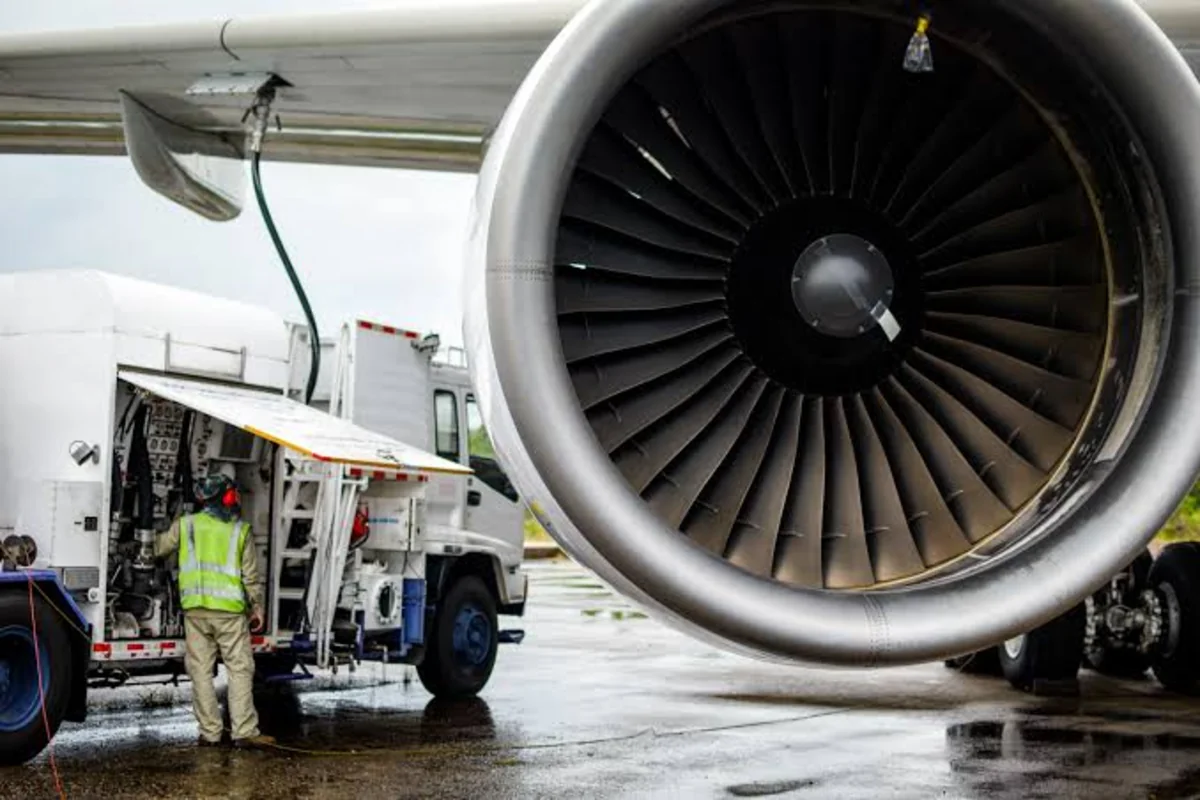
Airline fuel expenses will reach around $350 billion, Report informs, citing the International Air Transport Association (IATA).
According to the organization's estimates, fuel has always been one of the largest expenditure items for the aviation industry.
According to IATA forecasts, in 2026, airlines will spend about $350 billion on fuel, accounting for almost one-third of all operating expenses. This issue is particularly acute in CIS countries: "In Kazakhstan, for example, jet fuel prices are higher than in comparable aviation hubs such as Dubai, so airlines incur higher fuel costs for the same volume of consumption."
Against the backdrop of rising fuel prices and energy market volatility, exacerbated by the conflict in the Middle East, pressure on the industry is intensifying. While global airline profitability stood at 4.2% in 2025, IATA expects it to decrease to 2% in 2026. Opportunities to offset rising costs solely through higher ticket prices remain limited.
Therefore, improving fuel efficiency is becoming one of the key priorities for the industry. According to an IATA survey, 90% of airlines consider this a priority task. Among executives responsible for finance and procurement, this figure reaches 96%: "As a result, airlines in the region will have to look for new ways to control costs and improve operational efficiency. Until now, attention has primarily focused on improving efficiency through fleet modernization. Both Air Astana and CJSC Azerbaijan Airlines (AZAL) have invested in new-generation aircraft with higher fuel efficiency."
IATA notes that in July 2026, AZAL received its fourth new aircraft since the start of the year-an Airbus A320neo-further enhancing the fuel efficiency of its fleet.
However, against the background of the recent surge in fuel prices, airlines have begun searching for additional sources of savings beyond the advantages provided by new, more efficient aircraft, the association notes.
"IATA provides data from more than 240 airlines and uses FEGA and FuelIS services to help carriers save fuel through benchmarking and process modernization. However, savings depend not only on airlines but also on the entire Air Traffic Management (ATM) system. Performance-based Navigation (PBN) acts as a key optimization tool. Over the past six years, IATA has implemented projects to develop airspace concepts based on PBN in Azerbaijan, Tajikistan, and Uzbekistan, which significantly improved operational performance and reduced fuel consumption," emphasized IATA Director of Flight Operations Stuart Fox.
Author