
 Baku 23° C
Azerbaijan targets 2.6-fold rise in mining and metallurgy exports
- 22 September, 2026
- 18:09
Stay up to date with the top news!
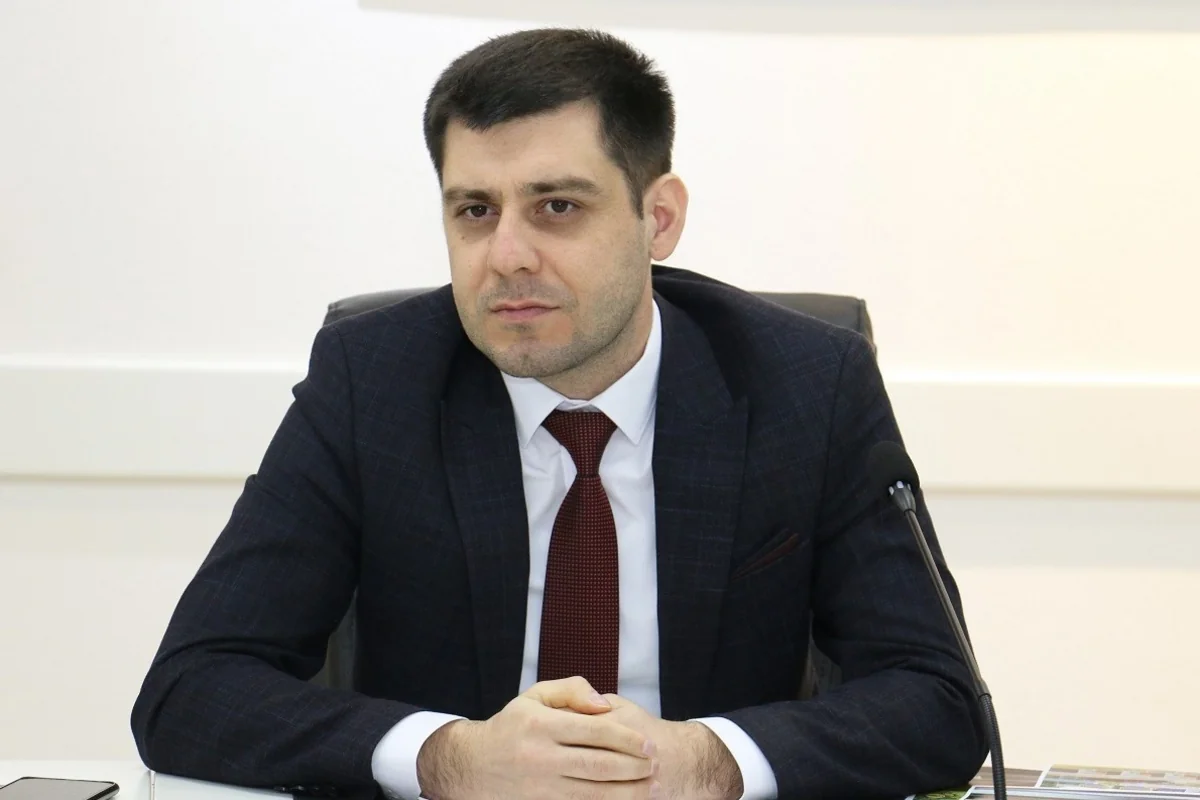
The meeting chaired by President Ilham Aliyev on the State Program for the Development of the Mining (Metal Ores) and Metallurgical Industries for 2027-2030 identified important directions for creating new production opportunities in Azerbaijan's non-oil sector, Ayxan Gadashov, head of the Azexport.az portal of the Center for Analysis of Economic Reforms and Communication (CAERC), said.
According to Report, Gadashov said the main goal of the State Program is not merely to increase mineral extraction but to process raw materials domestically into products with higher added value and create a complete production chain.
He noted that amid accelerating global technological development, adapting Azerbaijan's mineral resource base to the requirements of the global economy creates significant opportunities for non-oil exports.
"Current economic realities require the industrial chain to be built as a full cycle within the country - from extraction to deep processing and, ultimately, production of finished goods. The main philosophy of the State Program is based precisely on this economic objective: creating high-value industrial products through local enrichment and processing facilities and gaining broader access to global markets. This will significantly strengthen the competitiveness of the 'Made in Azerbaijan' brand in the international metallurgical market," Gadashov said.
He noted that one of the targets set out in the document is to increase the sector's annual export potential from 1.3 billion manats ($764.7 million) to 3.4 billion manats ($2 billion) by 2030, or 2.6 times.
According to Gadashov, steps toward this target are already producing results. He pointed to the growing exports of state-owned AzerGold CJSC, which exported more than $180 million worth of products in the first eight months of this year.
He said future projects, including construction of a hot-briquetted iron plant with annual production capacity of 2 million tons based on the Dashkasan iron ore deposit, development of copper, zinc and lead resources at the Filizchay deposit, and new geological exploration in Nakhchivan and Karabakh, would further increase these figures.
Gadashov said the development of deep processing would help move Azerbaijan beyond the role of a raw-material supplier and turn it into a reliable B2B partner in global supply chains, particularly in the automotive and renewable energy sectors.
"Processing our products domestically in line with modern standards will enable them to obtain international ISO and industrial certifications and allow us to directly enter Western industrial clusters. One of the most important areas is the trend toward 'green metallurgy.' By applying the 'green energy' being developed in the liberated territories and Nakhchivan to metallurgy, low-carbon 'green metals' will be produced, which will raise export competitiveness in full compliance with Europe's Carbon Border Adjustment Mechanism (CBAM)," he said.
Gadashov added that higher production volumes and international standardization would also create a foundation for Azerbaijani products to be sold directly through global commodity exchanges such as the London Metal Exchange and through B2B e-commerce platforms.
Referring to the investment policy discussed at the meeting, he said 80% of the 5.3 billion manats ($3.12 billion) in investment envisaged for the projects is expected to come from private and debt capital.
"This strategic approach will ensure the active integration of both local and foreign investors into Azerbaijan's economy and generate new financial flows," he said.
Gadashov noted that the program also has significant social and regional importance. More than 5,000 permanent jobs are expected to be created in the sector, supporting employment and providing additional momentum to the Great Return process in the liberated territories.
He added that development of the metallurgical industry could also stimulate domestic production of equipment, machinery and metal structures in sectors such as agriculture and construction.
Gadashov stressed that the strong electricity and gas infrastructure developed in Azerbaijan in recent years enables the country to implement major energy-intensive industrial projects.
"Overall, this State Program covering 2027-2030 is a fundamental step that will ensure Azerbaijan's long-term industrial security, bring the non-oil industry closer to the center of global trade and strengthen our country's position as an industrial hub in the region," he said.
Author