
 Baku 27° C
UN to continue assisting Azerbaijan's ANAMA under 2026–2030 partnership framework
- 02 September, 2026
- 11:20
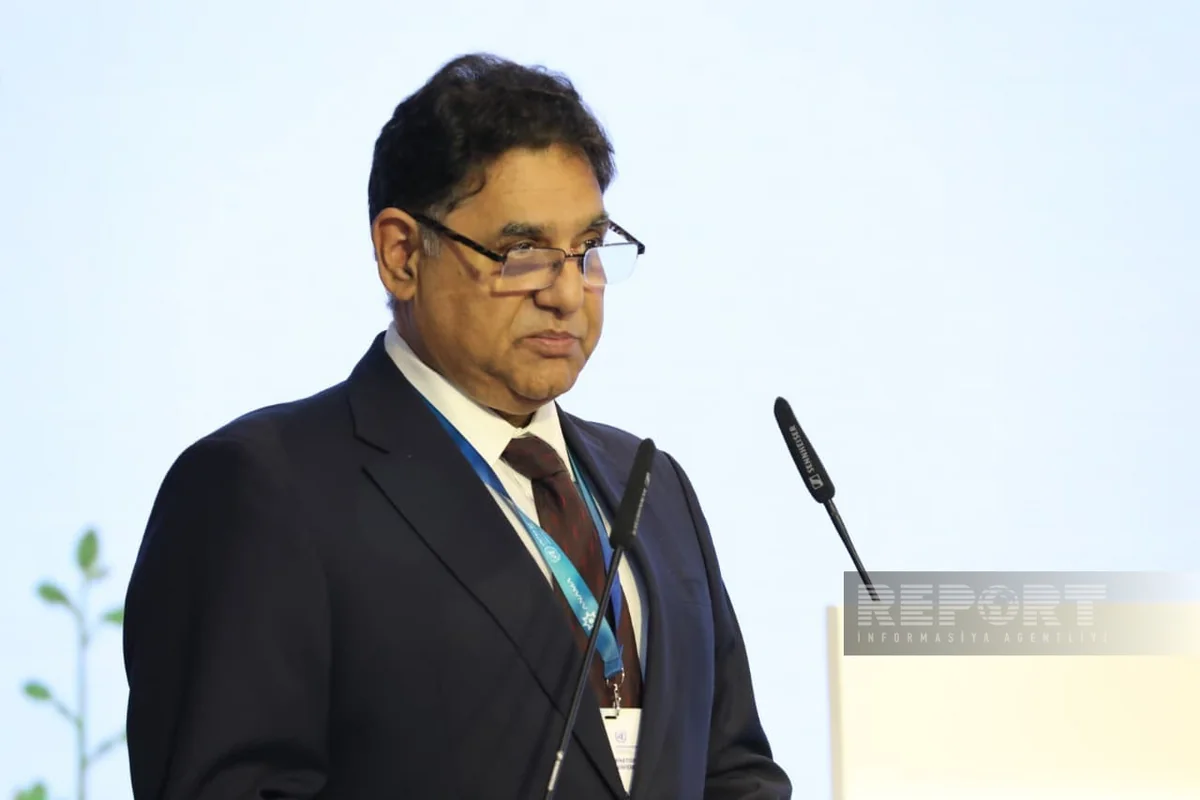
The UN intends to continue providing assistance to the Mine Action Agency of the Republic of Azerbaijan (ANAMA) under a partnership framework with Azerbaijan spanning the 2026–2030 period, FAO Representative in Azerbaijan Muhammad Nasar Hayat said, according to Report.
Speaking on behalf of the UN Resident Coordinator in the country at the 4th International Mine Action Conference themed "Humanitarian Demining for Urban Recovery: Setting Standards of Excellence for Safe Settlements," he pointed out that during the 2020–2025 period, UN entities in Azerbaijan - including UNDP, UNICEF, and UNHCR - with financial support from partners such as the European Union and the United Kingdom, actively collaborated with ANAMA.
According to him, this cooperation aimed to strengthen national capacity through institutional support, provision of technical expertise, procurement assistance, and educating the population on safety rules regarding explosive ordnance.
"These efforts contributed to enhancing the safety and resilience of affected communities," Hayat said.
He emphasized that under the new Sustainable Development Cooperation Framework with Azerbaijan for 2026–2030, the UN remains committed to supporting ANAMA's efforts through the United Nations Office for Project Services (UNOPS) and other institutions.
"We will also continue our activities within the context of the International Center of Excellence and Training in Mine Action, which is planned to be established as a prospective global platform for developing competencies, promoting innovation, and sharing best practices in humanitarian mine action and post-conflict recovery," the UN representative stressed.
He also stated that despite significant progress, substantial work lies ahead.
"There is an opportunity to expand partnerships, international solidarity, and support for mine action in Azerbaijan," he said.
Furthermore, he underscored the importance of international cooperation in this area.
"Although mine contamination is a national challenge for affected countries, mine action is a global responsibility. The expertise, innovations, technologies, and lessons learned in one country can benefit many others. Therefore, international cooperation remains undeniably crucial," he added.
Author