Baku 21° C
Tajik envoy: Dushanbe-Baku relations reached qualitatively new level - INTERVIEW
- 03 July, 2026
- 13:42
Stay up to date with the top news!
In recent years, cooperation between Tajikistan and Azerbaijan has demonstrated a steady positive dynamic across key areas, including political dialogue, trade-economic and investment interaction, transport, energy, and humanitarian ties.
Among the priorities for the near term are the further filling of the strategic partnership with practical projects, expansion of mutual trade, development of industrial cooperation, deepening of cooperation in the energy sector, as well as the promotion of joint initiatives in the field of transport connectivity and regional logistics.
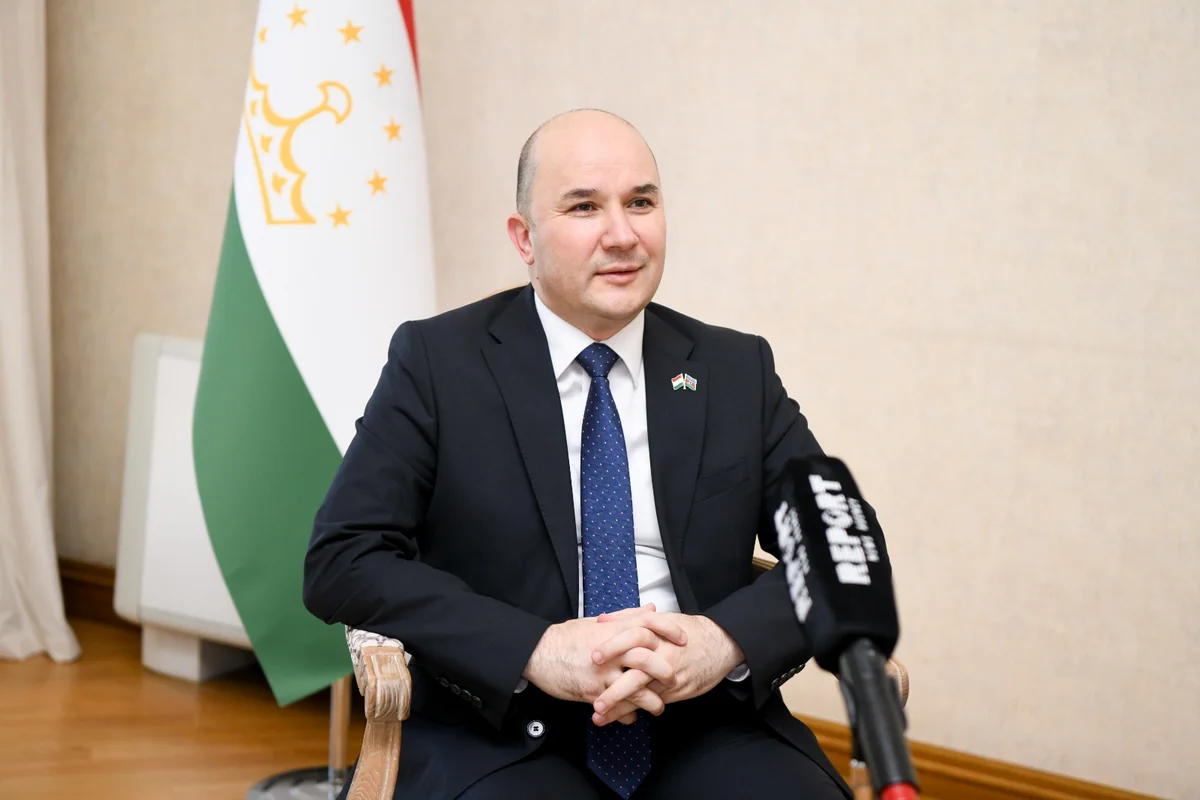
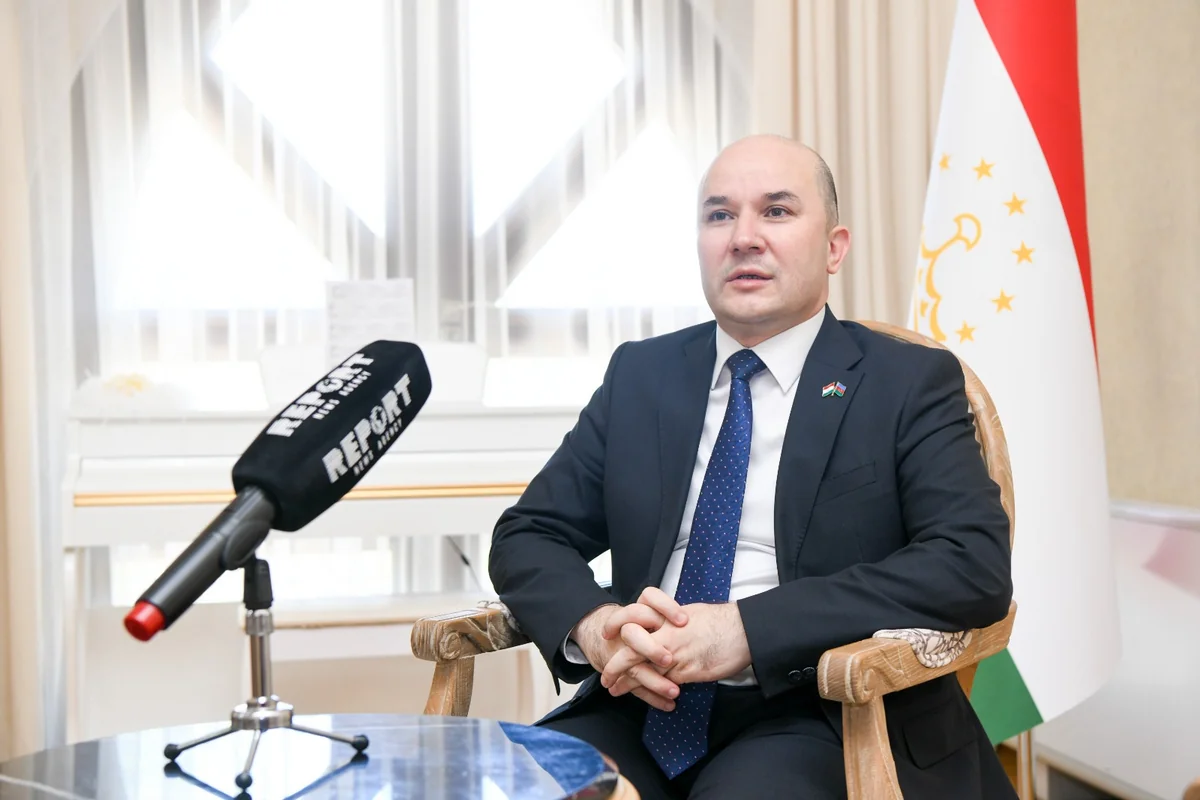
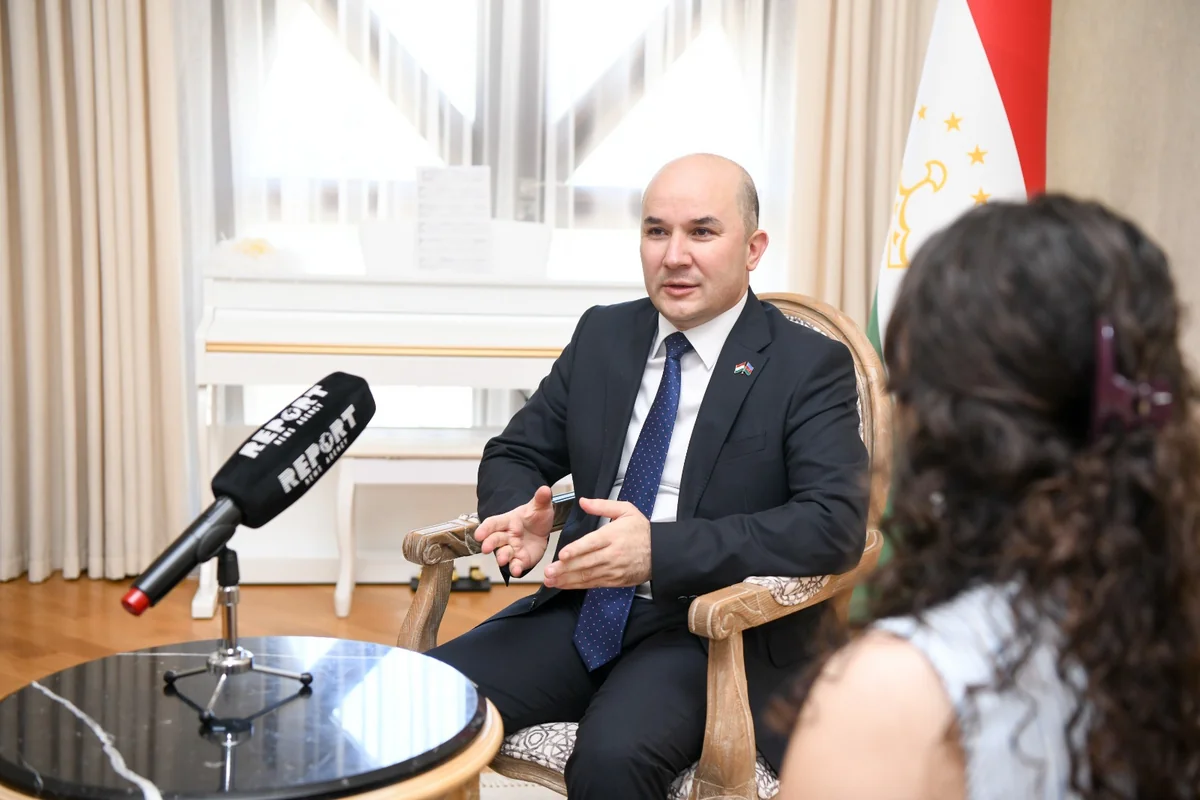
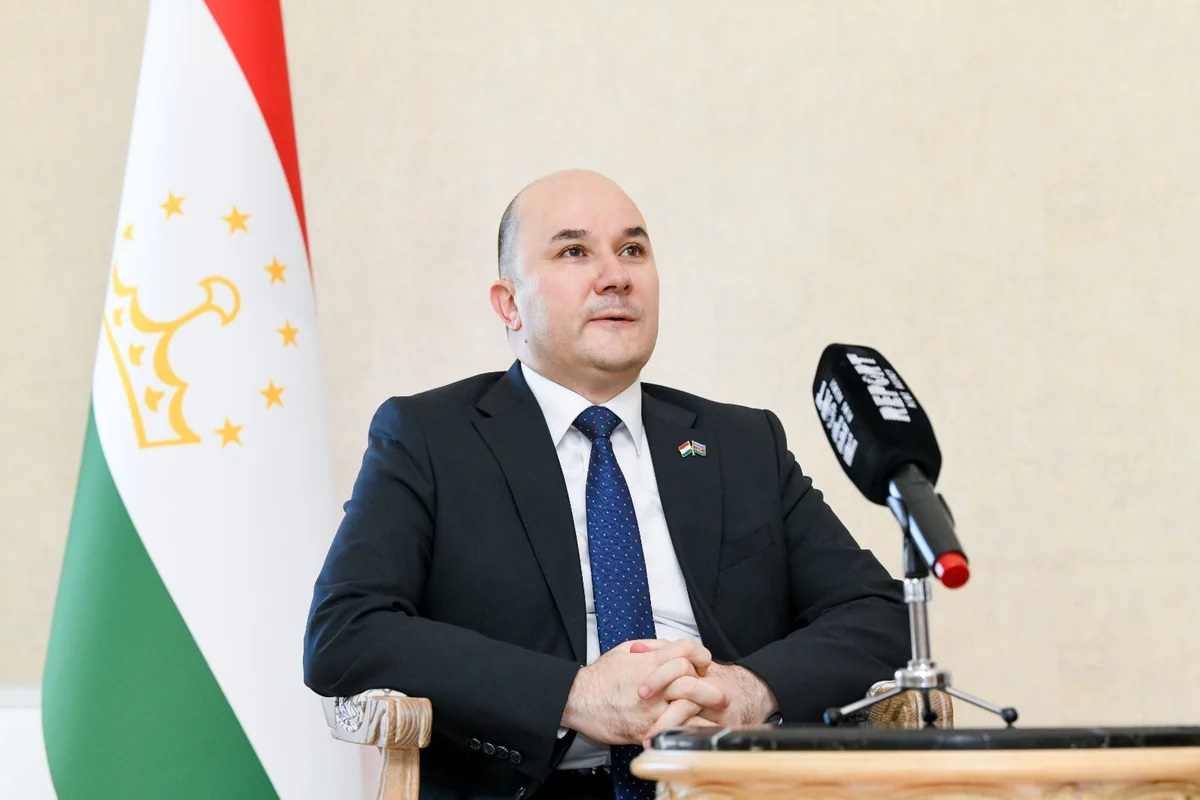
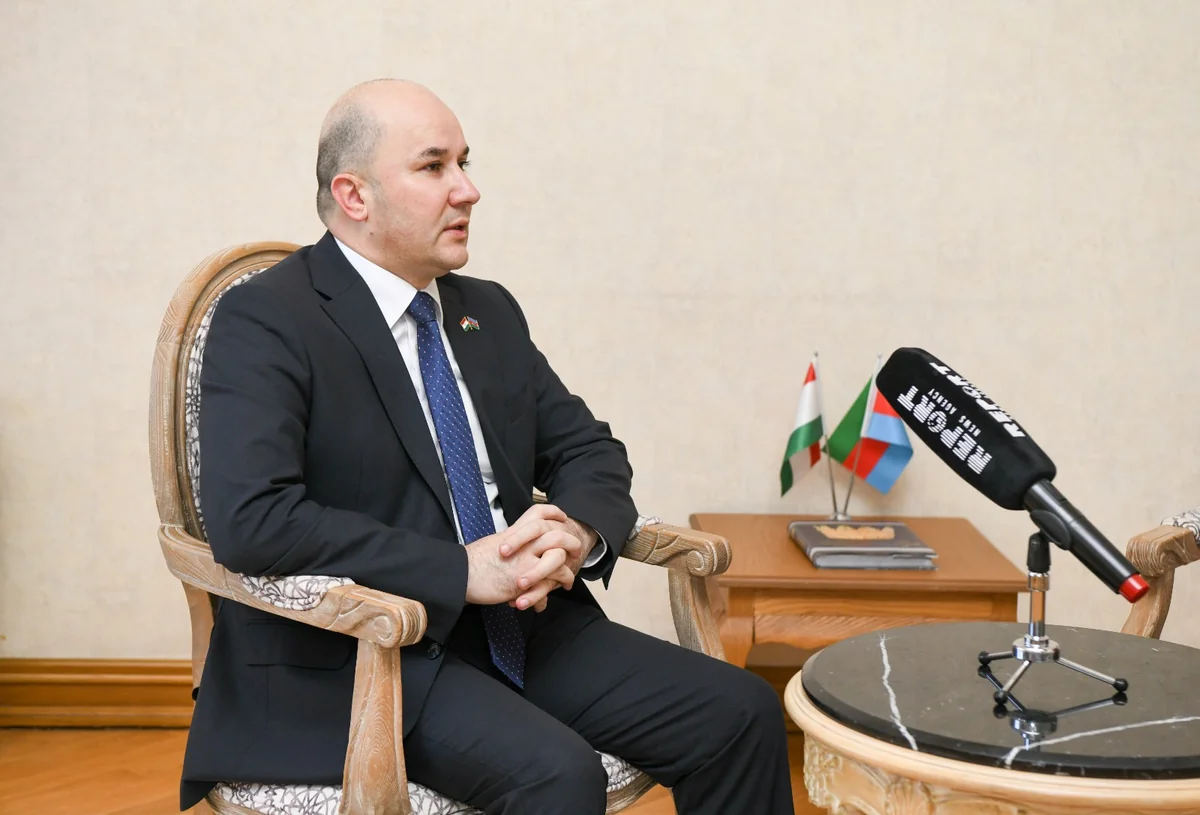
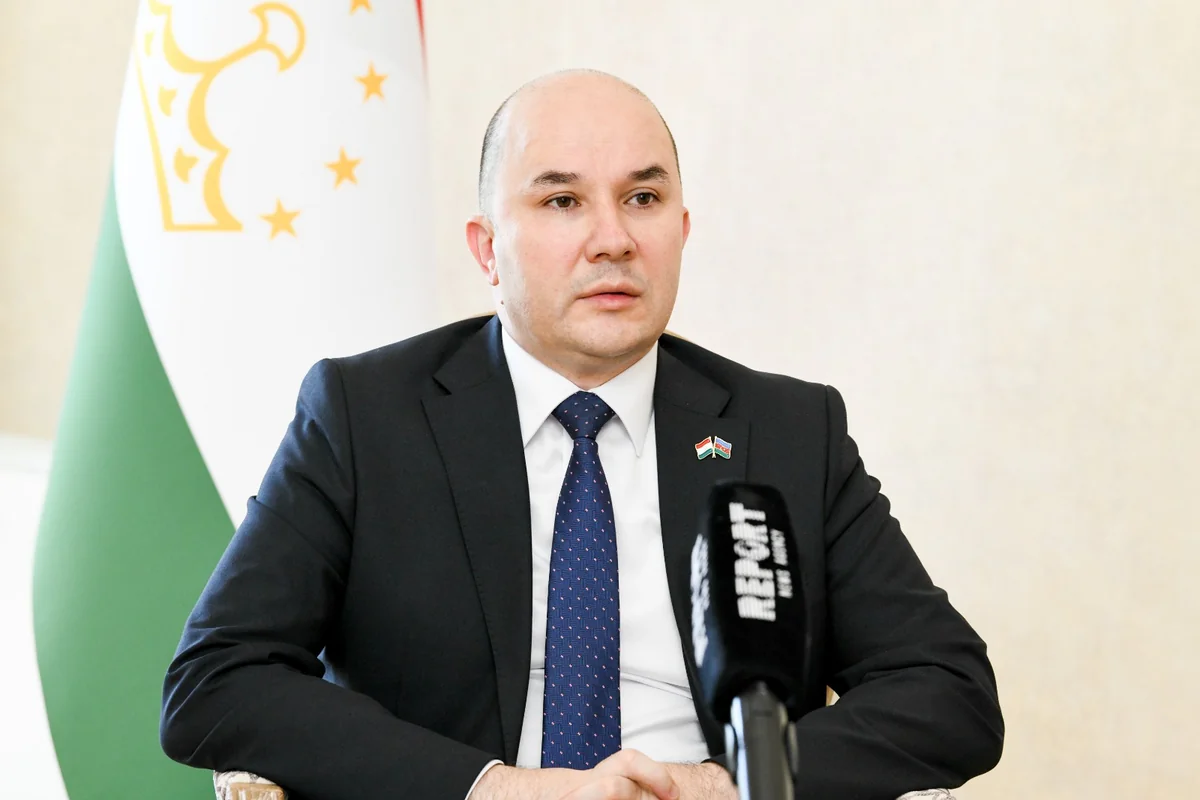
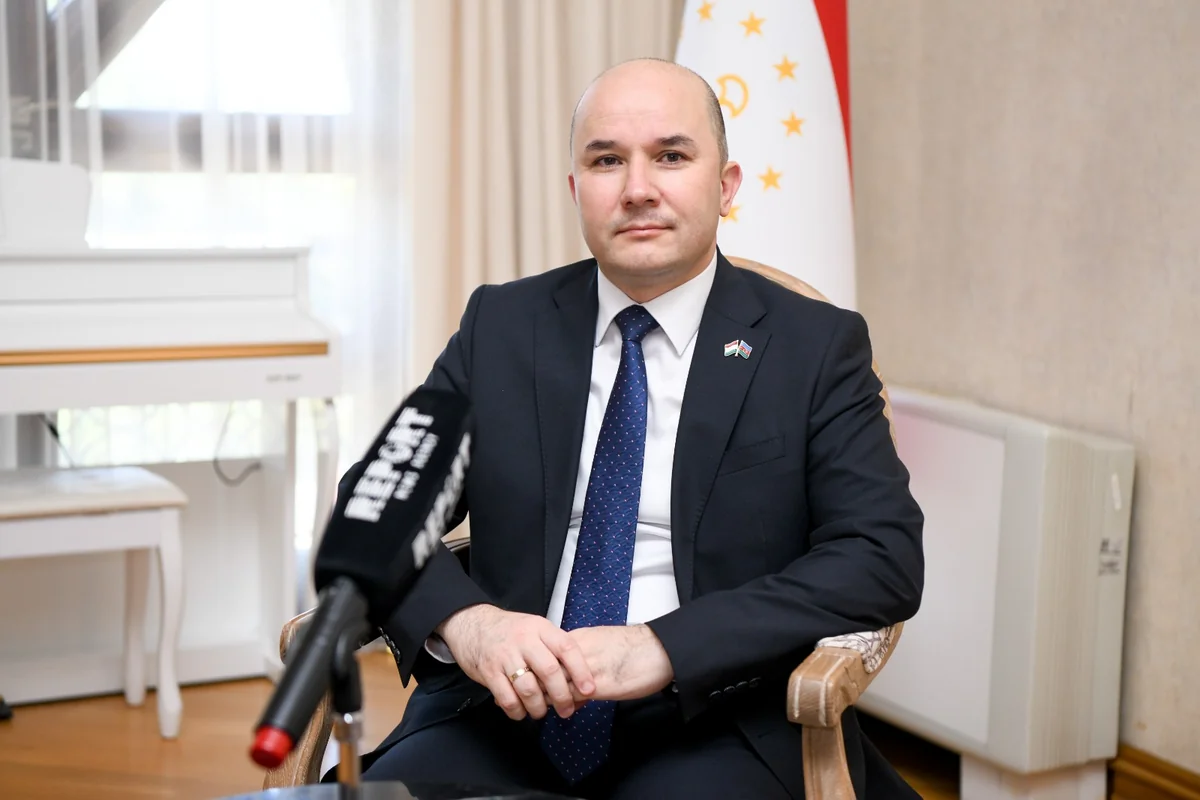
The Ambassador of Tajikistan to Azerbaijan, Ilhom Abdurahmon, spoke about the state and prospects of bilateral cooperation between Tajikistan and Azerbaijan in an interview with Report.
- In your view, what key achievements have been made in the development of bilateral cooperation between Azerbaijan and Tajikistan in recent years, and what priority tasks face our countries in the near term?
- In my view, the main achievement of recent years has been that Tajik-Azerbaijani relations have reached a qualitatively new level and acquired a truly strategic character. If just a few years ago we spoke primarily about the progressive development of bilateral ties, today we can state with full justification that a solid political foundation for long-term and multifaceted cooperation has been formed between our countries. Undoubtedly, contacts at the highest level have played a key role in this.
The state visit of the President of the Republic of Azerbaijan, esteemed Ilham Heydarovich Aliyev, to the Republic of Tajikistan on April 5, 2023, gave a powerful impetus to the entire range of bilateral relations, confirmed the high level of mutual trust, and demonstrated a mutual focus on deepening interaction across all major areas. Equally important was the state visit of the President of the Republic of Tajikistan, esteemed Emomali Rahmon, to Azerbaijan in 2024, which became a truly landmark event in the history of our interstate relations.
It was precisely within the framework of this visit that the Joint Statement on Strategic Partnership between Tajikistan and Azerbaijan was signed, which, without exaggeration, became a historic result of bilateral dialogue. The signing of this document consolidated the achieved level of political mutual understanding and elevated cooperation between our countries to the category of strategic interaction.
This is not simply an important political-diplomatic step, but a clear signal that Dushanbe and Baku regard each other as close, reliable, and long-term partners. Overall, it can be said that in recent years our countries have achieved significant results across several areas simultaneously. First and foremost, the political dialogue has been noticeably strengthened - it has become more intensive, substantive, and results-oriented.
Regular contacts at the highest and high levels, interaction between foreign policy agencies, parliaments, and relevant state structures have ensured a steady positive dynamic in bilateral relations. Trade-economic and investment cooperation is progressively expanding. Although the volume of mutual trade between our countries still remains comparatively small, in recent years it has demonstrated a steady positive dynamic.
At the same time, Tajikistan and Azerbaijan are increasingly and consistently viewing each other as promising economic partners - both in a bilateral format and in the context of implementing broader regional communication, transport-logistics, and infrastructure projects, where the potential of our interaction appears quite significant and far from exhausted.
Separately, I would like to note that in recent years, inter-parliamentary, humanitarian, and cultural ties have noticeably intensified, as well as contacts in the spheres of education, science, tourism, and regional interaction. All of this forms a broader and more sustainable foundation for bilateral partnership, giving it not only an interstate but also a genuinely inter-societal dimension.
As for the near-term outlook, in my view, the main task is to fill the strategic partnership with specific practical content. The signed Declaration must be consistently transformed into new joint projects, mechanisms, and results.
This concerns, above all, the further strengthening of trade-economic interaction, expansion of investment contacts, development of cooperation in industry, transport, and logistics, as well as more active utilization of the transit capabilities of our countries within the framework of interregional routes. An equally important priority remains the deepening of interaction in the energy sector, including the exchange of experience in the fields of hydropower, green energy, and sustainable development.
Given the growing importance of transport-logistics connectivity between Central Asia and the South Caucasus, particular attention, it would seem, should also be given to expanding cooperation on issues of regional connectivity. In a broader sense, it can be said with confidence that a high level of political trust, strategic mutual understanding, and convergence of approaches on many key issues of the bilateral and international agenda has been formed between our countries.
It is precisely this that creates a solid foundation for the further deepening of our cooperation and allows us to look with confidence at the prospects for its development.
- In May, the 8th meeting of the Intergovernmental Commission on Trade and Economic Cooperation took place. What issues were discussed during this meeting and what decisions were made?
- Indeed, on May 21, 2026, the 8th meeting of the Joint Intergovernmental Commission on Trade and Economic Cooperation between Tajikistan and Azerbaijan was held in Baku. The meeting took place in a constructive and friendly atmosphere and became an important milestone in the further development of bilateral cooperation.
During the meeting, the main areas of cooperation between the two countries were discussed, including the trade and economic sphere, investments, industrial cooperation, agriculture, transport and logistics, digital technologies, energy, science and education, healthcare, culture, tourism, labor and employment, youth policy and sports, environmental protection, as well as issues of improving the public services delivery system. Following the meeting, decisions were adopted aimed at further strengthening cooperation in all these areas and at intensifying practical interaction between the relevant ministries and agencies of the two countries.
Special attention was given to expanding trade and economic ties, developing industrial cooperation, improving transport and logistics routes, deepening investment cooperation, and strengthening humanitarian contacts. Overall, the results of the 8th meeting of the IGC clearly demonstrated that Tajik-Azerbaijani cooperation is reaching a qualitatively new level. It is no longer limited to general declarations of intent, but is increasingly and confidently moving toward specific mechanisms of interaction, practical solutions, and systematic implementation of the agreements reached.
This creates a solid foundation for further deepening of the strategic partnership between our countries and opens new opportunities for expanding mutually beneficial cooperation in all key areas. I would particularly like to note that this was the first meeting of the IGC held under the co-chairmanship of Deputy Prime Minister of Tajikistan Usmonali Usmonzoda and Deputy Prime Minister of Azerbaijan Samir Sharifov. The elevation of the co-chairmanship level indicates that the leadership of both countries attaches special importance to this format and regards it as one of the key instruments for advancing the bilateral agenda. This, in turn, gives additional political weight to the Commission's work and allows us to count on an even more productive implementation of the agreements reached.
- How do you assess the dynamics of bilateral trade turnover between Tajikistan and Azerbaijan in recent years?
- The dynamics of bilateral trade turnover between Tajikistan and Azerbaijan demonstrate steady and quite notable growth. If in 2023 the trade turnover amounted to $6.1 million, then in 2025 it reached $13.1 million. Thus, over two years, the volume of mutual trade grew more than twofold, or by approximately 114%. In the first five months of the current year, this figure has already reached $8.5 million. This allows us to expect that the current year may prove to be even more productive. At the same time, we proceed from the understanding that the achieved level of trade turnover does not yet fully correspond to the existing potential of our countries, and that is precisely why further steps to expand bilateral trade are of particular importance.
- What work is being done to expand bilateral trade, and what steps are being taken to increase exports and imports between Azerbaijan and Tajikistan?
- Expanding bilateral trade is today one of the priority areas of Tajik-Azerbaijani cooperation. As I already mentioned, although the current trade turnover volumes do not yet fully reflect the real potential of our countries, in recent years consistent work has been done to create the necessary institutional mechanisms and practical tools for increasing mutual trade and investment cooperation.
One of the important steps was the development of interaction between specialized institutions supporting entrepreneurship and exports. In particular, in April 2023, a Memorandum of Understanding was signed between the Small and Medium Business Development Agency of Azerbaijan and the Chamber of Commerce and Industry of Tajikistan. The document laid the foundation for expanding contacts between business circles, exchanging information on export opportunities, organizing joint events, and providing assistance to entrepreneurs of both countries. In parallel, cooperation is developing between specialized institutions responsible for supporting exports and investment interaction. An important step in this direction was the signing on May 23, 2024, of a Memorandum of Understanding between the Export Agency under the Government of Tajikistan and the Azerbaijan Export and Investment Promotion Agency (AZPROMO). The document created additional opportunities for developing cooperation in the field of promoting export products, searching for new markets, implementing joint investment initiatives, and providing support to companies interested in developing trade and economic ties between the two countries.
Great attention is paid to developing direct contacts between business representatives. The parties are consistently expanding the practice of holding business forums, business missions, bilateral meetings in B2B format, and participation of companies in international exhibitions and trade and economic events. An important area is also the exchange of information on products with export potential, the investment environment, industrial parks, agricultural parks, and free economic zones of both countries.
Thus, today the work on expanding bilateral trade is comprehensive in nature, and there is every reason to believe that the consistent implementation of the agreements reached will make it possible in the coming years to significantly increase the volumes of mutual trade, expand the range of supplied products, and give the economic cooperation between Tajikistan and Azerbaijan an even more practical and mutually beneficial character.
- Is there progress on the issue of creating joint ventures in the textile industry, cotton processing, and aluminum production? Are there specific timelines for launching these projects?
- Currently, the interaction between Tajikistan and Azerbaijan on creating joint ventures and developing industrial cooperation is developing in stages and is acquiring an increasingly applied character. In this context, on July 9, 2025, on the sidelines of the 1st International Textile Forum in the city of Dushanbe, a Memorandum of Understanding was signed between the Textile Industry Association of Azerbaijan and the Cotton and Textile Association of Tajikistan, providing for joint activities in developing the textile industry, including sustainable agriculture, sericulture, and trade. This confirms that cooperation in the textile industry has already reached a practical level and has a solid institutional foundation for further development.
As for textiles, cotton processing, and aluminum, there are already concrete results and clear prospects here. The Intergovernmental Commission welcomed the development of cooperation in the field of cotton products, including the conclusion of contracts between Azerpambig LLC and a number of Tajik companies for the supply of technical cotton raw materials. In addition, negotiations continue on studying joint investment opportunities between TALCO OJSC and Azeraluminium LLC. This creates a basis for deeper industrial cooperation and the implementation of projects with high added value.
Speaking about timelines, at this stage the parties are focused primarily on the practical preparation of projects, the coordination of mechanisms for business participation, and the formation of a sustainable basis for future decisions. At the same time, the Intergovernmental Commission instructed the development of a roadmap for expanding investment cooperation and to consider the possibility of engaging companies from both countries in the production of export-oriented products on the territory of the Alat free economic zone and the five free economic zones of Tajikistan. This creates good prerequisites for joint projects to move into the implementation stage in the near future.
- Tajikistan's Minister of Energy Daler Juma stated the country's readiness to consider the possibility of integrating into the green corridor project between Azerbaijan, Kazakhstan, and Uzbekistan. What advantages could participation in this project bring to Tajikistan, and what could be the country's contribution?
- First of all, I would like to note that Tajikistan consistently supports the development of regional cooperation in the field of green energy and views promising energy initiatives as an important tool for ensuring sustainable development, strengthening energy security, and expanding mutually beneficial interaction between the states of the region. In this context, the statement by the Minister of Energy and Water Resources Daler Juma, made on the sidelines of COP29 in Baku, reflects our country's interest in the further development of cooperation in the field of renewable energy and the implementation of promising cross-border energy projects. For Tajikistan, participation in the green energy corridor project could have significant strategic importance.

First and foremost, it concerns the possibility of deeper integration into the emerging regional architecture of green energy, the expansion of long-term opportunities for exporting clean electricity, attracting investment in the modernization of energy infrastructure, the adoption of modern technologies, and strengthening energy interconnectedness between the countries of Central Asia and the South Caucasus. The implementation of such initiatives also contributes to the diversification of energy routes and the enhancement of regional energy systems' resilience.
As for Tajikistan's own contribution, it can be quite significant. Our country possesses one of the largest hydropower potentials in the world. Already today, approximately 98% of electricity in Tajikistan is produced at hydroelectric power plants, making our country one of the world leaders in the share of electricity generated from renewable sources. It is precisely this unique potential that can serve as the foundation of Tajikistan's contribution to the implementation of such regional projects. Moreover, it is not only about additional volumes of clean electricity.
Hydropower has high flexibility and can effectively complement solar and wind generation, the development of which is being actively carried out in Azerbaijan, Kazakhstan, and Uzbekistan. Such a combination of various renewable energy sources can enhance the reliability and resilience of a unified regional energy system, ensuring more efficient use of energy resources.
We are convinced that combining the energy potential of Central Asian and South Caucasus countries serves the long-term interests of all states in the region. The development of such projects contributes to strengthening energy security, expanding economic cooperation, advancing the green agenda, and achieving the Sustainable Development Goals. I am confident that as regional cooperation continues to develop, new opportunities will emerge for Tajikistan's practical participation in joint energy initiatives. Thanks to its significant hydropower potential, accumulated experience in clean electricity production, and commitment to the principles of sustainable development, our country is capable of making a substantial contribution to the formation of a modern regional architecture of green energy.
- Tajikistan is actively cooperating with international donors in creating logistics centers for the efficient transportation of goods along the Middle Corridor. Does Dushanbe plan to intensify its participation in the development of the Middle Corridor, and what opportunities does this open for expanding bilateral cooperation with Azerbaijan?
- Tajikistan views the Middle Corridor as one of the important directions of its transport and foreign economic policy. Moreover, this is not a one-time interest but rather consistent work that has both a programmatic and practical foundation. In the State Program for the Development of the Logistics System for 2023-2028, the republic outlined a course toward creating logistics complexes of regional and international significance, developing transport infrastructure, and reducing costs in cargo transportation.
Against this backdrop, cooperation with international donors and participation in new regional logistics initiatives became a natural continuation of the state's policy. An additional impetus to the development of transport and logistics interaction is provided by the deepening coordination between the relevant agencies of Tajikistan and Azerbaijan in the field of digitalization of transportation and improving the efficiency of transit routes.
In particular, the parties are consistently moving toward the practical implementation of electronic permits for international road transportation, which is aimed at reducing paperwork, simplifying administrative procedures, and accelerating transit operations. In parallel, work is being intensified on developing the digital connectivity of transport systems, including expanding data exchange between information platforms, developing "single window" mechanisms, and implementing real-time cargo tracking systems.
These measures form the basis for a more transparent and predictable logistics environment within the framework of international transportation. An important area remains improving the efficiency and competitiveness of transport and logistics routes across the territories of the two countries, as well as creating sustainable conditions for uninterrupted transportation. In this regard, particular importance is attached to the development of practical interaction with key infrastructure hubs of Azerbaijan, including the Baku International Sea Port, in terms of information exchange, enhanced coordination, and the implementation of joint logistics solutions.
Special attention is given to the institutional dimension of cooperation, including the active participation of both parties in the activities of the Trans-Caspian International Transport Route International Association, which serves as a platform for coordinating efforts to develop transit potential and improve the efficiency of the Middle Corridor.
Overall, Tajikistan's participation in the development of the Middle Corridor is acquiring a more sustainable and applied character, which opens additional opportunities for expanding bilateral cooperation with Azerbaijan - primarily in the fields of digitalization of transport processes, development of joint logistics solutions, and improving the efficiency of transit chains between Central Asia, the Caspian region, and the South Caucasus.
- Tajikistan pays special attention to the development of transport and logistics infrastructure in the context of exporting perishable agricultural products. What joint projects or initiatives between Azerbaijan and Tajikistan are already being implemented to accelerate and simplify the transportation of such cargo?
- Tajikistan and Azerbaijan are transitioning from general interest to concrete practical work on accelerating and simplifying the transportation of perishable agricultural cargo. In particular, during the last session of the Intergovernmental Commission, special attention was given to the development of transport and logistics infrastructure, as well as to expanding opportunities for uninterrupted delivery of cargo of Tajik origin through Azerbaijan.
In this context, an important role is played by the Baku International Sea Port, which has expressed interest in ensuring the prompt, reliable, and efficient reception, transshipment, and transportation of Tajik cargo with full utilization of available port and logistics capabilities. This is especially important for perishable products, where timelines, route reliability, and the quality of the logistics chain are decisive. Our countries regard the Trans-Caspian International Transport Route (TITR), or the Middle Corridor, as one of the key routes for expanding transport links between the two countries, as well as for export-import and transit shipments toward Europe.
In this regard, interest has been confirmed in the further development of the corridor and the enhancement of its efficiency. In this context, another important area is digital interaction. Our countries understand the need to ensure multimodal compatibility of digital solutions and to expand cooperation in the field of integrating electronic transport documents with information systems of regulatory bodies. This makes it possible to gradually reduce paper-based procedures and make transportation faster and more convenient.
With this in mind, the relevant authorities of the two countries intend to organize joint work on implementing the e-Permit project, which provides for the transition to electronic permits for international road transport. In this area, the parties will also actively participate in the activities of the Eurasian Transport Route International Association and strengthen practical cooperation between Tajik structures and the Baku International Sea Trade Port. Thus, quite concrete initiatives are already being implemented and consistently advanced, aimed at making the transportation of Tajik perishable products faster, more reliable, and more competitive.
- Mr. Ambassador, this year the Republic of Tajikistan celebrates the 35th anniversary of its state independence. With what achievements does the country mark this jubilee?
- The Republic of Tajikistan, throughout all 35 years of independence, has consistently built a sustainable model of statehood, strengthened its economic base, and actively developed international cooperation, gradually becoming a significant participant in regional and global processes. In political and institutional terms, a modern system of public administration has been established, the necessary legislative and institutional framework has been created, and political stability, national unity, and the rule of law have been ensured.
State institutions are being consistently strengthened, the system of public administration is being improved, and long-term strategies for socio-economic development are being implemented, creating a solid foundation for the country's further modernization. In the economic dimension, over the years of independence, the country has traversed the path from post-conflict recovery to sustainable growth and industrialization.
The industrial base has been significantly expanded, thousands of enterprises have been put into operation, production volumes and investments are consistently growing, and energy, transport infrastructure, and digitalization of governance are developing. These processes are accompanied by a reduction in the poverty level and growth in population incomes, as well as the strengthening of the private sector's role in the economy. At the same time, significant results have been achieved in the social, educational, and cultural spheres.
Over the years of independence, the network of educational, healthcare, and cultural institutions has been substantially expanded, their state funding has been significantly increased, and large-scale programs are being implemented for the development of science, digital education, support for youth and women, and social protection of the population. Priority attention is given to the preservation of historical and cultural heritage and the strengthening of national identity.
International recognition of this work has been the inclusion of a number of objects of tangible and intangible cultural heritage of Tajikistan on UNESCO lists, which testifies to the international community's recognition of the rich historical and cultural heritage of the Tajik people and their contribution to world civilization. During this period, Tajikistan has conducted active international engagement.
The country has established diplomatic relations with 186 countries, is a member of authoritative international and regional organizations, consistently expands its participation in multilateral cooperation formats, and strengthens its position as a responsible participant in global processes. Today, Tajikistan builds its foreign policy on the principles of openness, mutual respect, and equal cooperation, giving priority attention to the development of political, trade-economic, and humanitarian ties with partner states.
Dialogue with international financial institutions and development organizations has been significantly intensified, and regional interaction in Central Asia is expanding. A special place in international activities is occupied by the promotion of the water, energy, and climate agenda. Tajikistan consistently acts as the initiator and co-author of key UN General Assembly resolutions, including the International Decade for Action "Water for Sustainable Development, 2018–2028," the International Year of Glaciers' Preservation (2025), the Decade of Action for Cryospheric Sciences (2025–2034), as well as other international initiatives aimed at strengthening global water and climate security.
These decisions reflect the country's recognized contribution to shaping the international agenda of sustainable development and rational use of natural resources. Thus, on the occasion of its 35th anniversary of independence, Tajikistan approaches with strengthened statehood, sustainable economic dynamics, a developing industrial base, and growing international authority, building upon the course of modernization, digitalization, and sustainable development outlined in the Address of the President of the Republic of Tajikistan.
- The UN General Assembly adopted a resolution initiated by Tajikistan, proclaiming 2027–2036 as the International Decade of Strengthening Peace for Future Generations. What does the adoption of this resolution mean for Tajikistan?
- First of all, I would like to note that the adoption by the UN General Assembly of the resolution "International Decade of Strengthening Peace for Future Generations" is an important international recognition of Tajikistan's consistent peacemaking policy and the constructive initiatives of the country's President Emomali Rahmon. It is important that this initiative was supported by UN member states amid persisting tensions in various regions of the world, growing conflict potential, and declining levels of trust in international relations.
The adopted resolution proclaims 2027–2036 as the International Decade of Strengthening Peace for Future Generations and is designed to promote the development of a culture of peace, the strengthening of dialogue, mutual trust, and solidarity among states and peoples, as well as greater consideration of the interests of future generations in the formation of international and national policies.
Of particular significance is that the document welcomes the efforts of Central Asian states in the peaceful settlement of border issues and the strengthening of good-neighborly relations, which confirms the relevance of the regional cooperation model consistently promoted by Tajikistan.
For Tajikistan, the adoption of this resolution means not only recognition of its growing international authority but also a high appreciation of its foreign policy, based on the principles of peaceful coexistence, good-neighborliness, mutual respect, and constructive international cooperation. This initiative naturally continues our country's consistent course of advancing the global agenda through the UN platform and confirms that Tajikistan is capable of uniting states around pressing international tasks of significance to the entire global community.
I would particularly like to note that this initiative is also close to Azerbaijan, which consistently advocates for the strengthening of international peace, respect for the norms of international law, the development of dialogue, and the peaceful settlement of conflicts. That is precisely why Azerbaijan, along with other UN member states, supported the resolution initiated by Tajikistan. We view this as evidence of the closeness of our countries' approaches to pressing issues on the international agenda and yet another confirmation of the high level of mutual understanding and cooperation between Dushanbe and Baku.
I am convinced that the implementation of the International Decade will become a common task for the entire global community. Tajikistan intends to continue actively cooperating with all UN member states, including friendly Azerbaijan, in promoting the principles of peace, mutual trust, dialogue, and sustainable development for the well-being of current and future generations.
Author

Photo