Baku 23° C
Shared-mandate diplomacy: Baku and Addis Ababa expand partnership
- 24 August, 2026
- 12:42
Stay up to date with the top news!
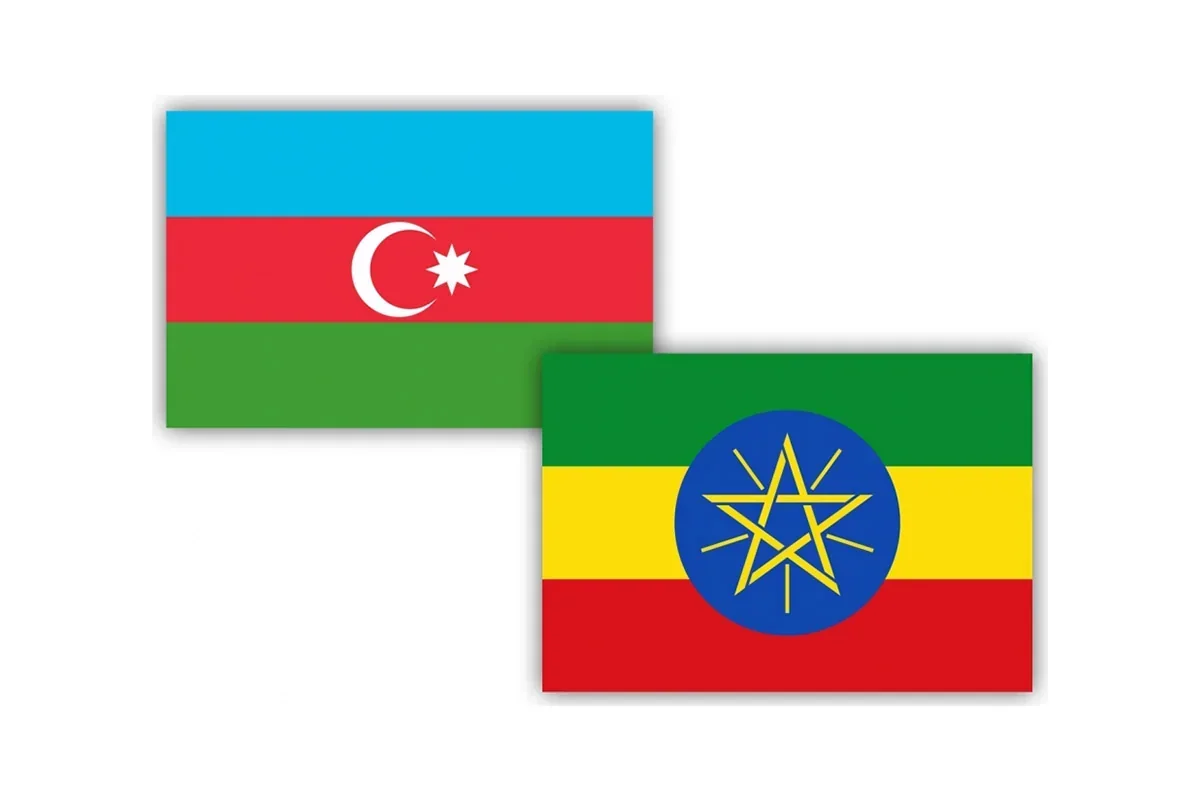
Preparations for COP32 have become a catalyst for rapidly strengthening ties between Azerbaijan and Ethiopia, turning climate cooperation into a foundation for a broader strategic partnership between the Caucasus and Africa, according to an article by the Ethiopian Institute of International Affairs titled "Shared-Mandate Diplomacy: How the Baku-to-Addis Climate Handover Is Anchoring a New African-Caucasus Partnership," Report informs.
The authors note that when Ethiopia was selected in November 2025 to host COP32 in Addis Ababa in 2027, it was initially viewed primarily as a diplomatic victory for the country and the African continent, which seeks a stronger voice in global climate governance.
That reading is not wrong, but it is incomplete. It treats COP32 as an endpoint rather than as a mechanism, and in doing so it misses the more consequential story unfolding alongside it - the rapid construction of a working partnership between Ethiopia and Azerbaijan, the host of COP29 in Baku in 2024.
The article says the process is based on what it calls "shared mandate diplomacy." The concept involves states that successively receive similar international mandates, in this case hosting the COP, turning technical cooperation into a sustained channel for developing bilateral relations.
The transfer of the climate mandate from Baku to Addis Ababa has already opened opportunities for cooperation in areas not directly related to climate.
The article notes that a memorandum of understanding on COP32 signed by Azerbaijan and Ethiopia on February 27, 2026, became not only a technical agreement but also an instrument for broader strategic cooperation. Alongside the climate agenda, it covers defense, investment, agriculture, media and combating corruption.
The authors point out that the COP32 memorandum was signed on the same day as agreements on defense cooperation, agriculture, investment promotion, media cooperation and anti-corruption - a signing pattern that treats the climate mandate as one line item inside a coordinated package, not as its own diplomatic event.
The authors also note that Azerbaijan's experience hosting COP29 gives Ethiopia access to practical knowledge needed to prepare for the climate summit, including conference logistics, delegation management, climate finance negotiations, organization of parallel events and coordination aimed at turning a global forum into a broad diplomatic platform.
"A technically successful summit would strengthen Ethiopia's claim to be more than a venue for African diplomacy. It would reinforce Addis Ababa's position as a place where African priorities can be aggregated and projected into global negotiations. The Azerbaijan partnership can support that objective if the cooperation moves beyond ceremonial exchanges and is used to extract practical lessons from COP29 - especially on climate-finance bargaining, summit management, stakeholder coordination and the design of side events that produce durable partnerships," the article says.
Author