Baku 23° C
Second session of international conference "Media and Decolonization" held in Baku
- 11 July, 2026
- 12:52
Stay up to date with the top news!
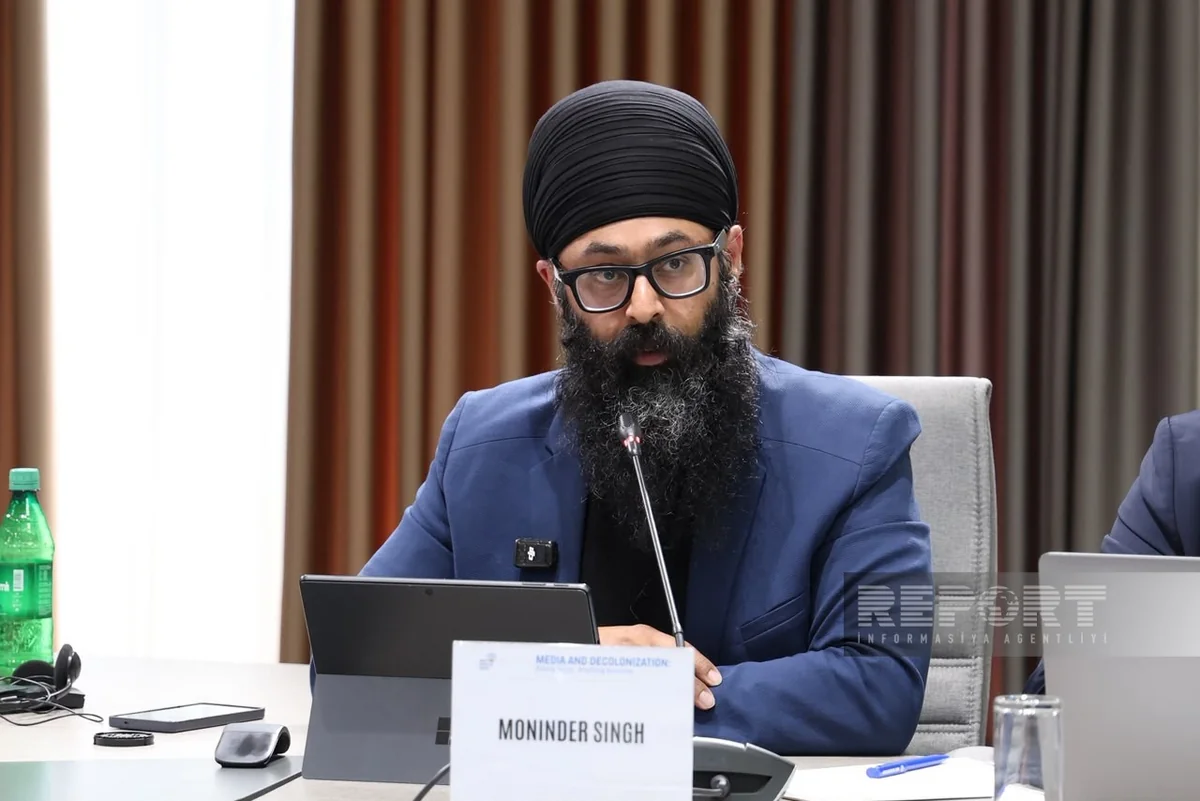
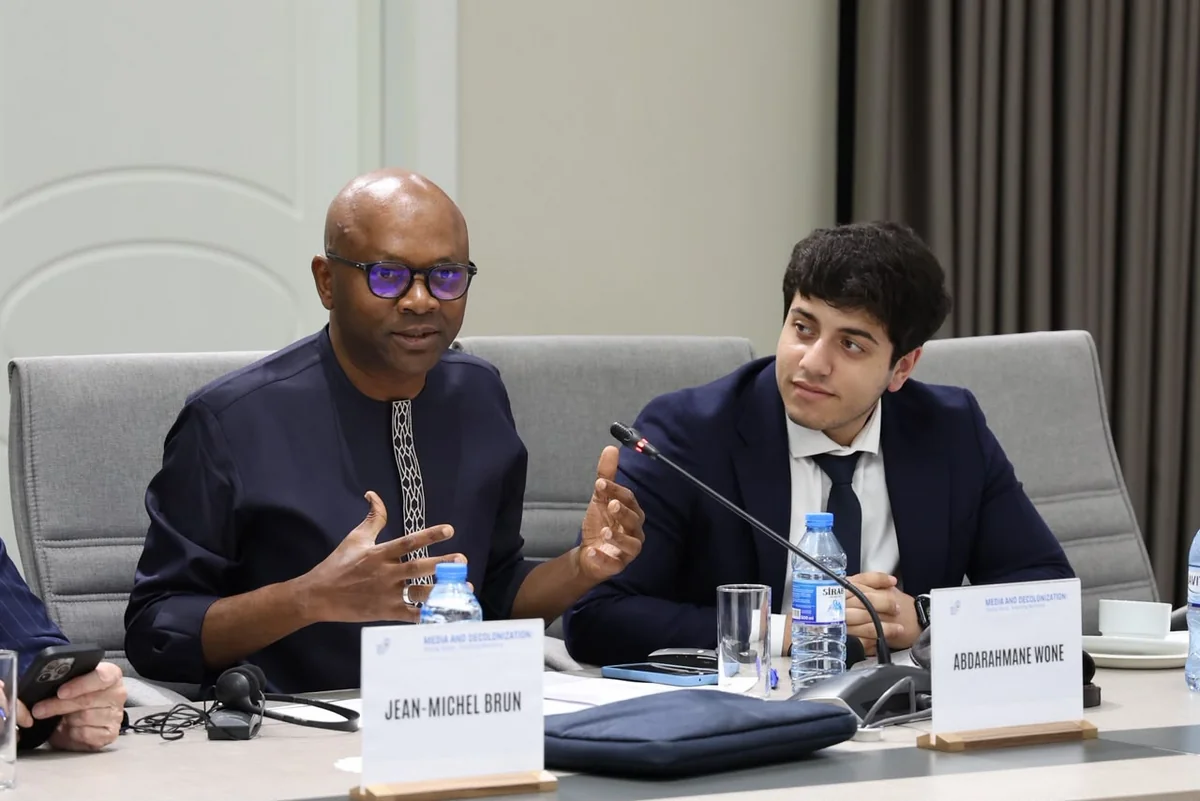
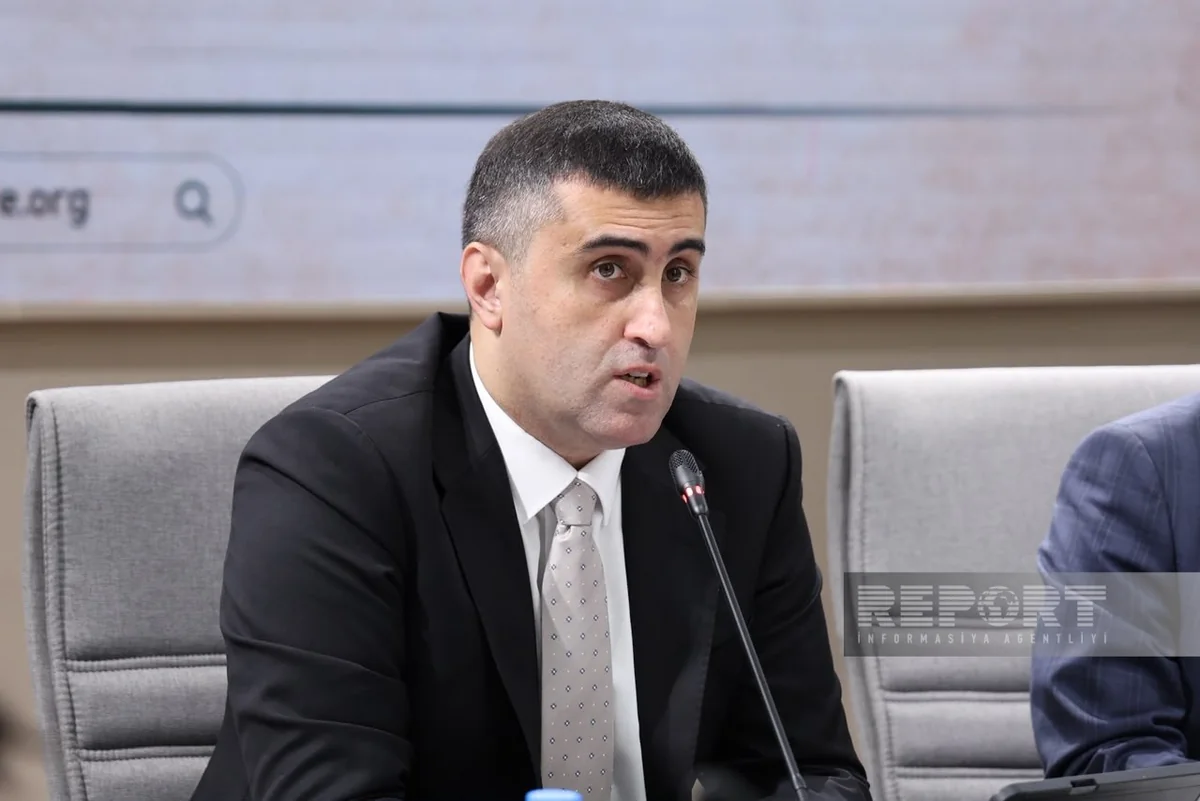
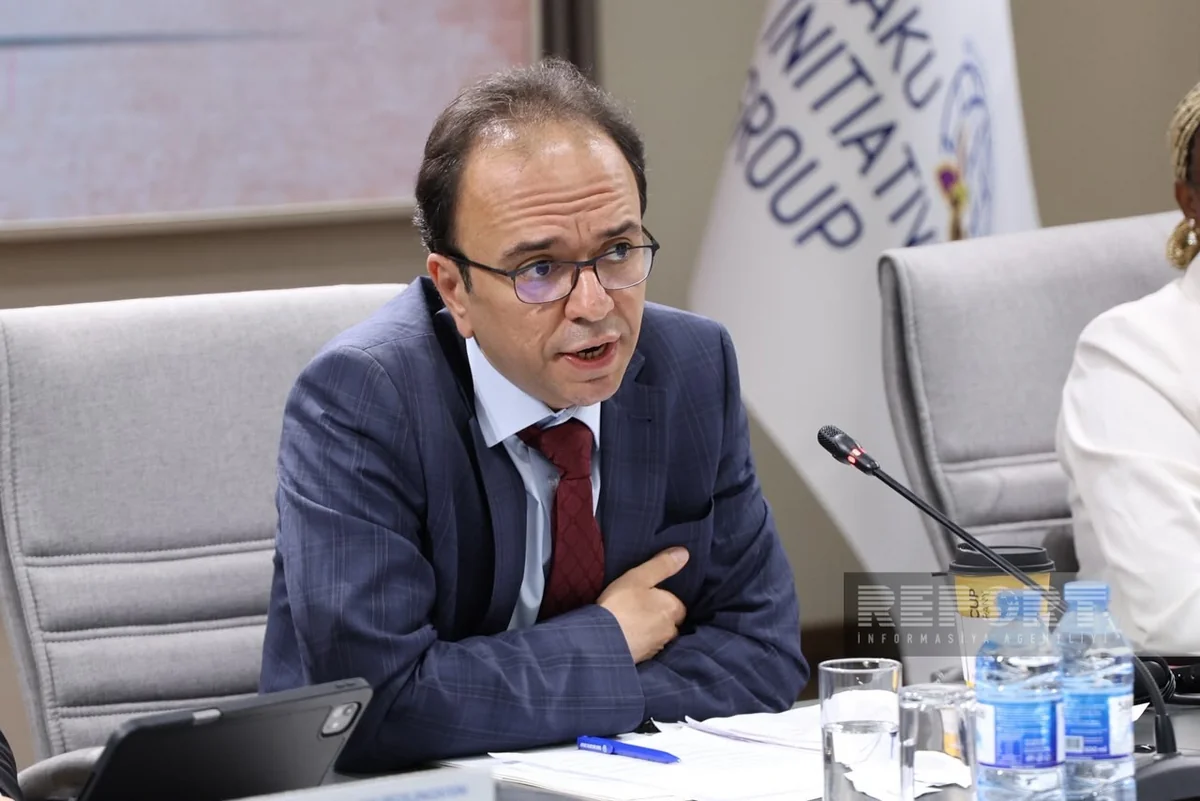
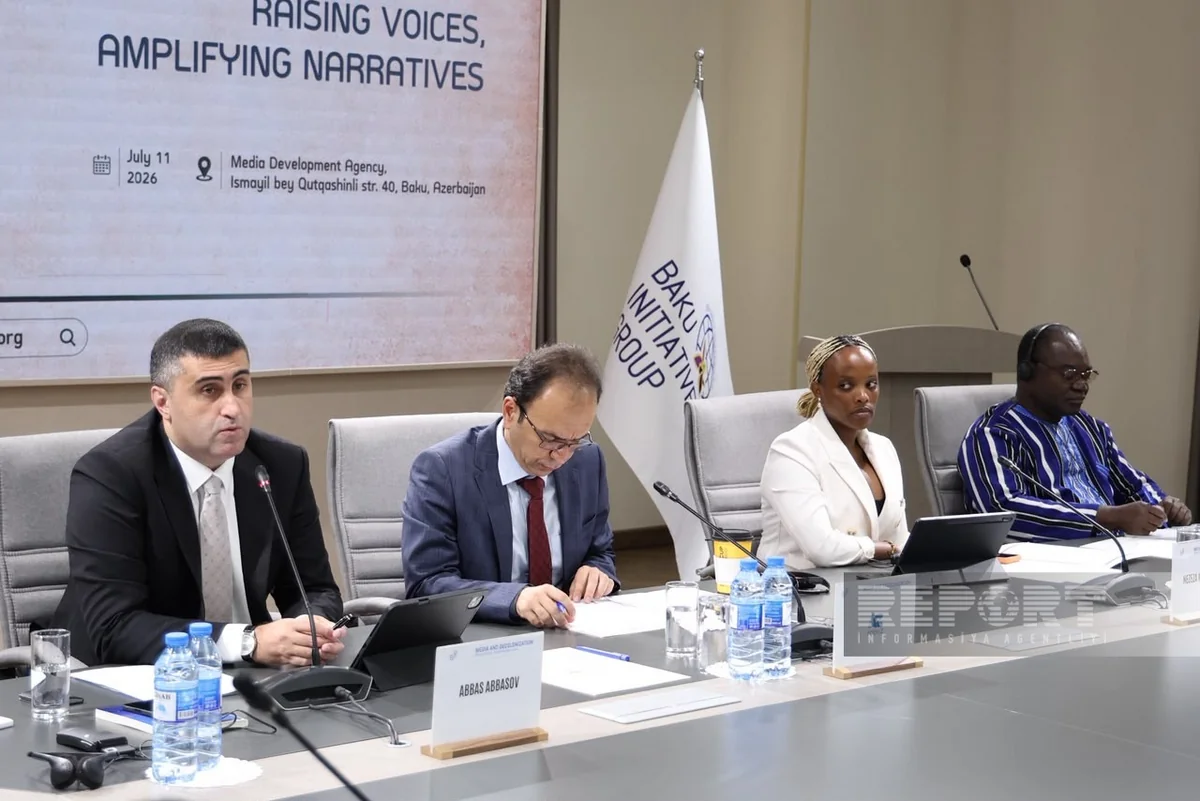
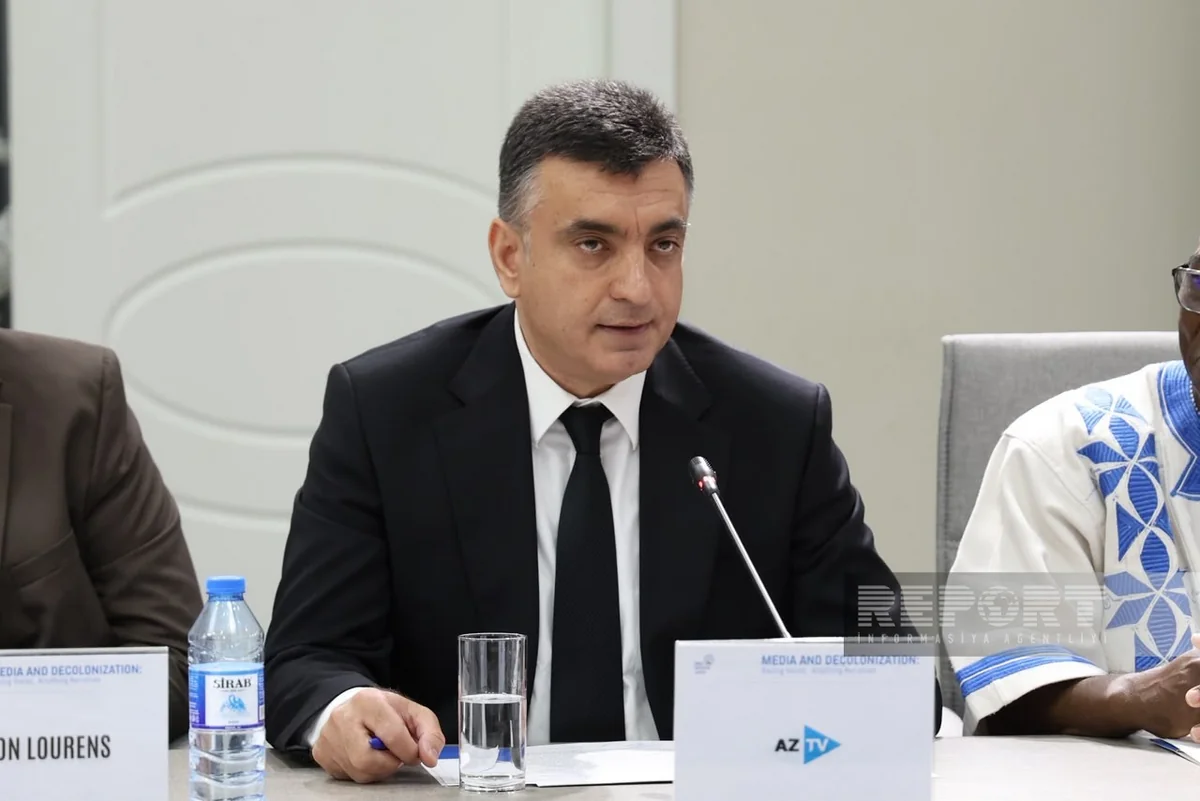
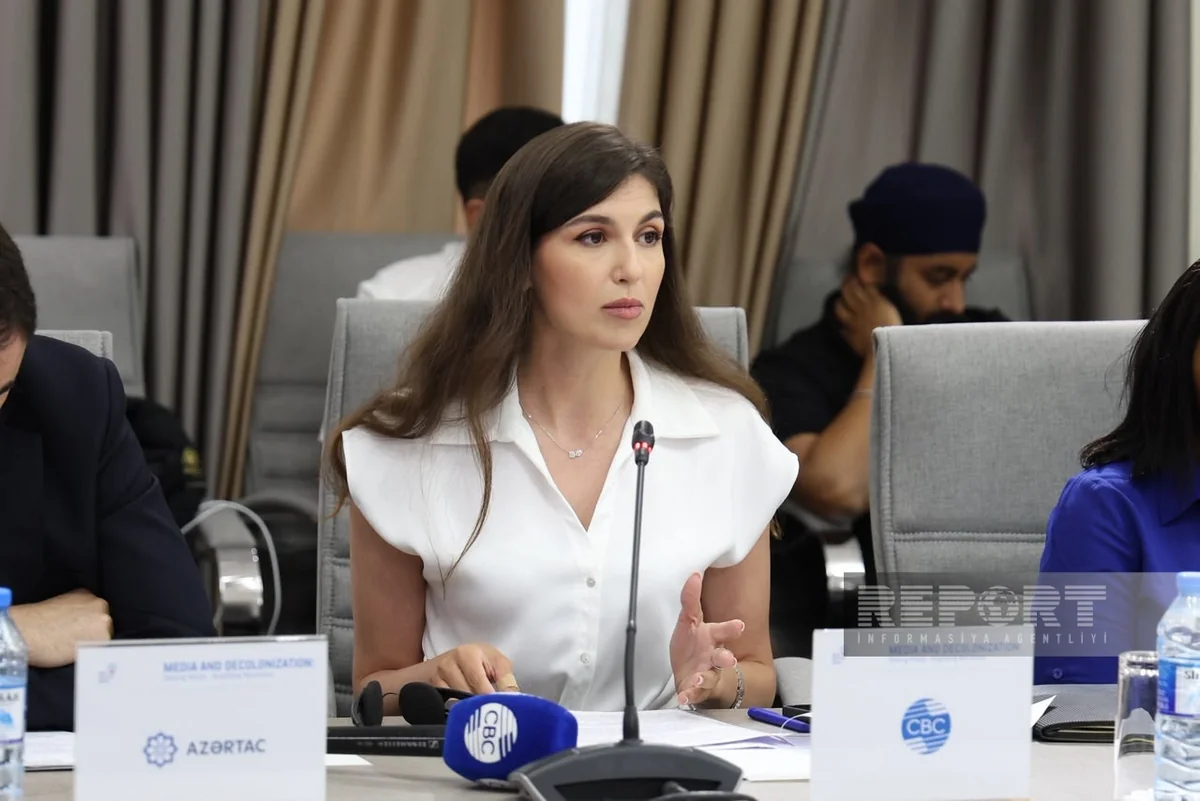
The second session of the international conference "Media and Decolonization: Raising Voices, Amplifying Narratives" was held in Baku.
According to Report, the conference was organized by the Baku Initiative Group (BIG).
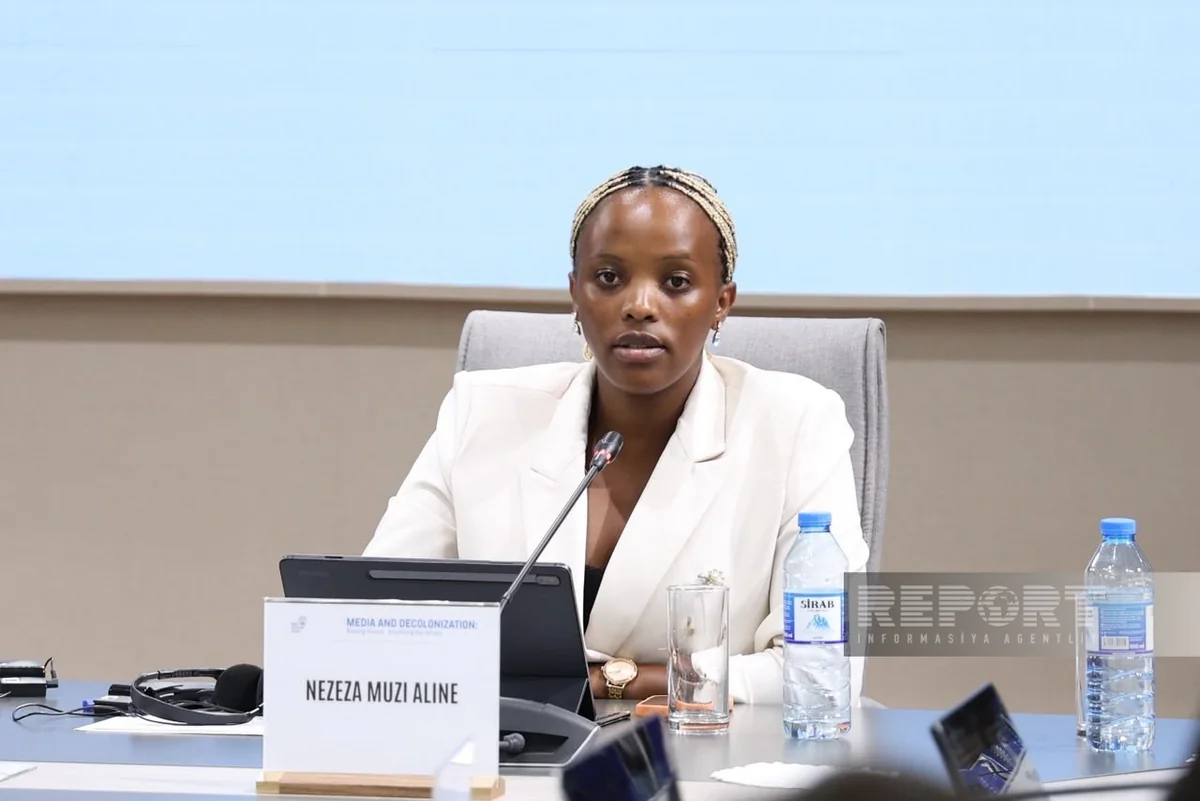
Media and communications specialist at Global Family Media (Rwanda) Nezeza Muzi Alin noted that the media plays an important role in shaping how people perceive the world and history.
"For many years, many stories about Africa were told by people from outside the continent. Today, more and more Africans are telling their own stories, highlighting not only challenges but also innovations, culture, resilience, and the achievements of the continent," she said.
According to her, responsible journalism helps preserve culture, unite communities, and support informed decision-making.
"When people are given the opportunity to share their personal stories in their own voices, the media becomes more inclusive and reflects the diversity of society," Muzi Alin emphasized.
She also cited Rwanda as an example, noting that after the 1994 genocide, the country recognized the importance of responsible journalism.
"Today, the media in Rwanda plays an important role in promoting unity, reconciliation, peace, and national development. Rwanda's experience shows that the media can either deepen divisions or become a tool for understanding and sustainable peace," she stated.
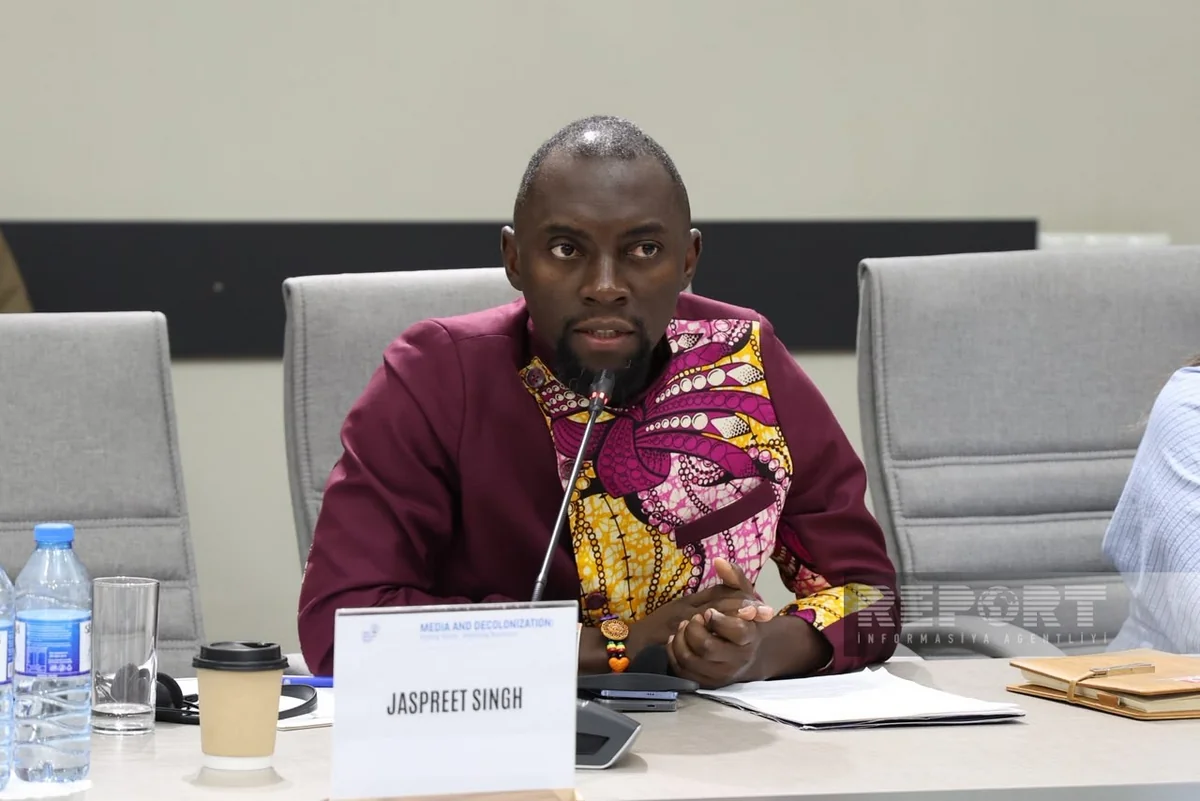
Director of the BACIDE research bureau (Burkina Faso) Konate Moussa noted that colonial policies affected not only territorial control and resource exploitation but also the way peoples were perceived.
"Colonial systems have formally disappeared, but the logic behind them has not completely left the modern information space," he said.
According to him, digital technologies have provided indigenous peoples and minorities with opportunities to directly share their experiences; however, disinformation, language barriers, and inequality in the digital environment continue to limit their opportunities.
"It is necessary to strengthen cooperation between journalists and independent media outlets, support the preservation of languages and historical memory, and create conditions for a fairer representation of peoples," Konate stressed.
Journalist of FOR YOU MEDIA (Cameroon) Nguene Louis Baudler stated that the struggle for decolonization today is also taking place in the information space.
"Colonization was never limited to weapons or the plundering of resources. Its most powerful weapon has always been the ability to influence consciousness, impose language, and filter reality through a single perspective," he noted.
According to him, modern media often continue to reproduce double standards in their coverage of events in Africa.
"Africa's innovations often remain unnoticed, while the problems and suffering of Africans become the main focus of major publications," the journalist said.
Deputy Editor-in-Chief of the Azerbaijan State News Agency (AZERTAC) Orkhan Muradov noted that the media plays an important role in shaping perceptions of historical and contemporary processes.
According to him, colonialism was maintained for centuries not only through political and military power but also through control over information.
"Colonial administrations often determined whose history would be recorded, whose identity would be recognized, and whose voices would remain unheard," he said.
Orkhan Muradov emphasized that the media does not determine political processes, but it influences whether individuals and entire communities will be heard and understood.

Author
Photo