
 Baku 22° C
Participants of international conference in Shusha adopt joint declaration
- 06 July, 2026
- 13:37
Stay up to date with the top news!
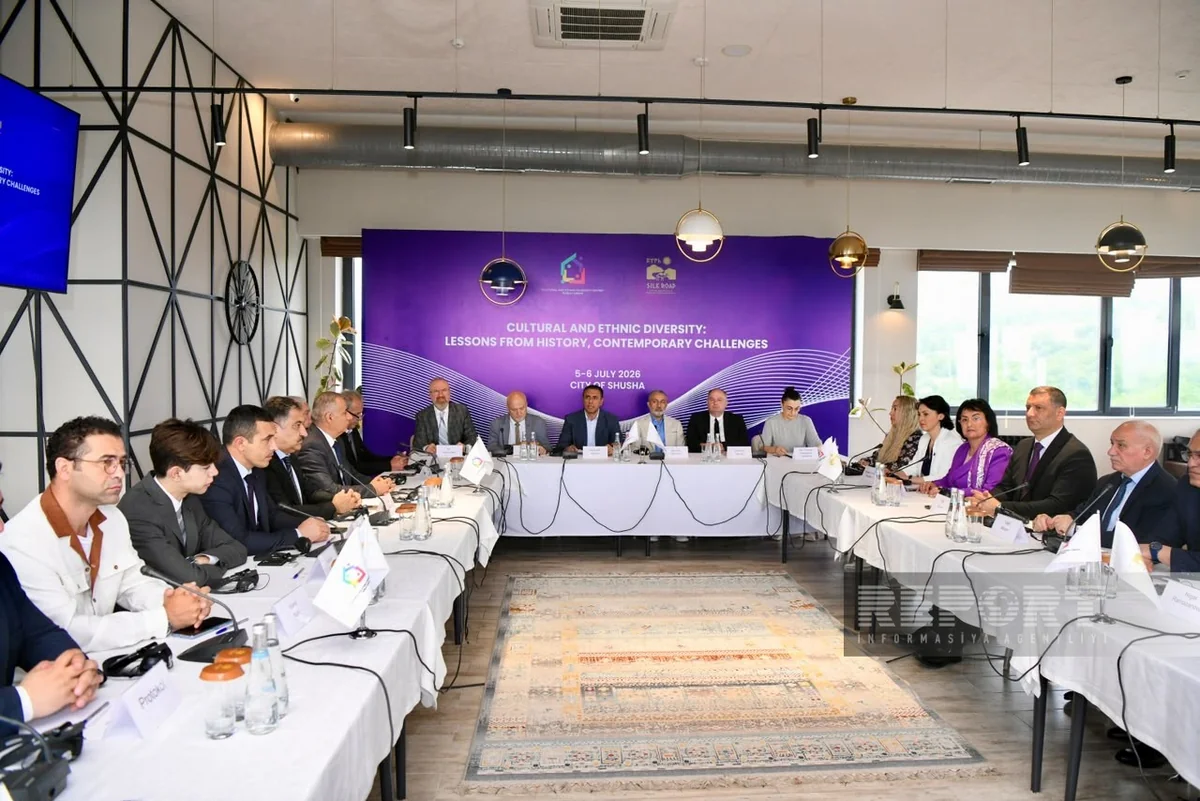
Participants of the international conference titled "Cultural and Ethnic Diversity: Lessons of History, Contemporary Challenges" in Shusha adopted a joint declaration reflecting the key findings and recommendations developed following the discussions.
According to Report, the event featured two panel discussions focusing on the preservation of cultural and ethnic diversity, the protection of the rights of indigenous peoples, the consequences of colonialism, as well as contemporary challenges related to historical memory and international cooperation.
The full text of the declaration is presented below:
"We, the civil society representatives and researchers representing various countries, as participants of the international conference entitled 'Cultural and Ethnic Diversity: Lessons from History and Contemporary Challenges', in line with the outcomes of the Shusha discussions, declare the following:
- Cultural and ethnic diversity, tolerance, and multiculturalism must be a national asset for every state. No nation should be humiliated, discriminated, or persecuted based on its ethnic and religious affiliation. The Universal Declaration of Human Rights, the Convention on the Prevention and Punishment of the Crime of Genocide, international obligations on the elimination of all forms of racial discrimination, and UNESCO's principles on the protection of cultural diversity must become effective tools for protecting the fundamental rights of peoples who have been expelled from their historical lands, subjected to mass massacres, genocides, and deportations, and faced with the threat of losing their historical and cultural heritage and language. Modern forms of colonialism, and actions bringing tragedy, slavery, and suffering to peoples, must be prevented. The ethnic and religious affiliation of peoples must not be considered a crime, nor should it lead to collective punishment;
- The national dignity and pride of peoples must be taken into account, the principles of humanism must be taken as a guide, and confrontation and clashes must be replaced by dialogue, cooperation, and an environment of trust;
- The forced deployment of ethnic minorities in Russia - Circassians, Lezgins, Avars, Tatars, Kumyks, Chechens, Sakhas, Buryats, and other non-Russian peoples - to the Ukrainian front through persecution, intimidation, and imprisonment must be stopped. Russia must learn lessons from history, recognize the genocides against Circassians and other peoples, cease the glorification of those who shed their blood, and ensure that archival materials on related historical topics are accessible. Chauvinism and xenophobic rhetoric in Russia, as well as the attacks and persecution against non-Russians by "Skinhead" gangs and their various manifestations emerging under new names and guises at their own discretion, must be stopped;
- Azerbaijan's exemplary model in preserving ethnic and cultural diversity, and in promoting interfaith, intercultural, and inter-civilizational harmony and dialogue, must be commended. Azerbaijan's historic Shusha Victory should serve as a model and a symbol of the restoration of historical justice, which colonized peoples need the most."
Author