Baku 19° C
Mihai Popsoi: Moldova wants to expand presence of Azerbaijani businesses in country — INTERVIEW
- 11 March, 2026
- 12:06
Stay up to date with the top news!
Relations between Azerbaijan and Moldova are actively developing and reaching a new level. Today, the two sides are paying special attention not only to political interaction but also to expanding economic cooperation, the participation of Azerbaijani companies in infrastructure and energy projects in Moldova, as well as broadening business and investment opportunities.
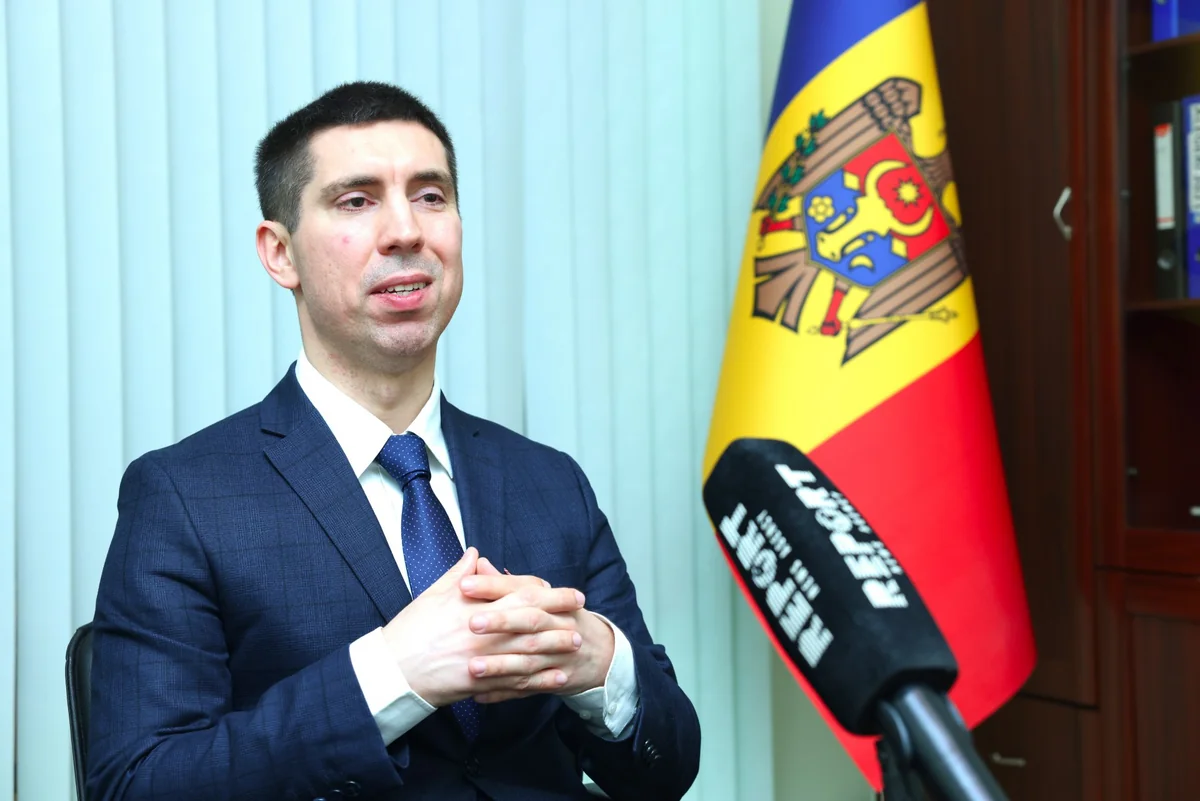
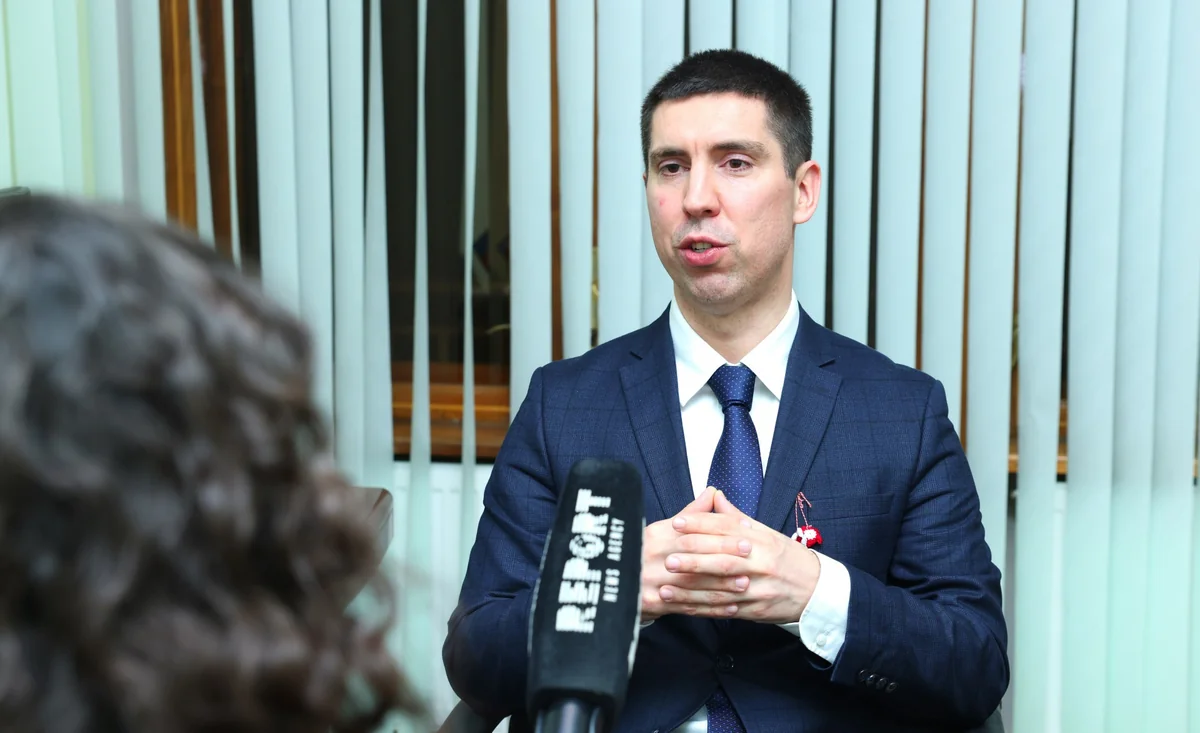
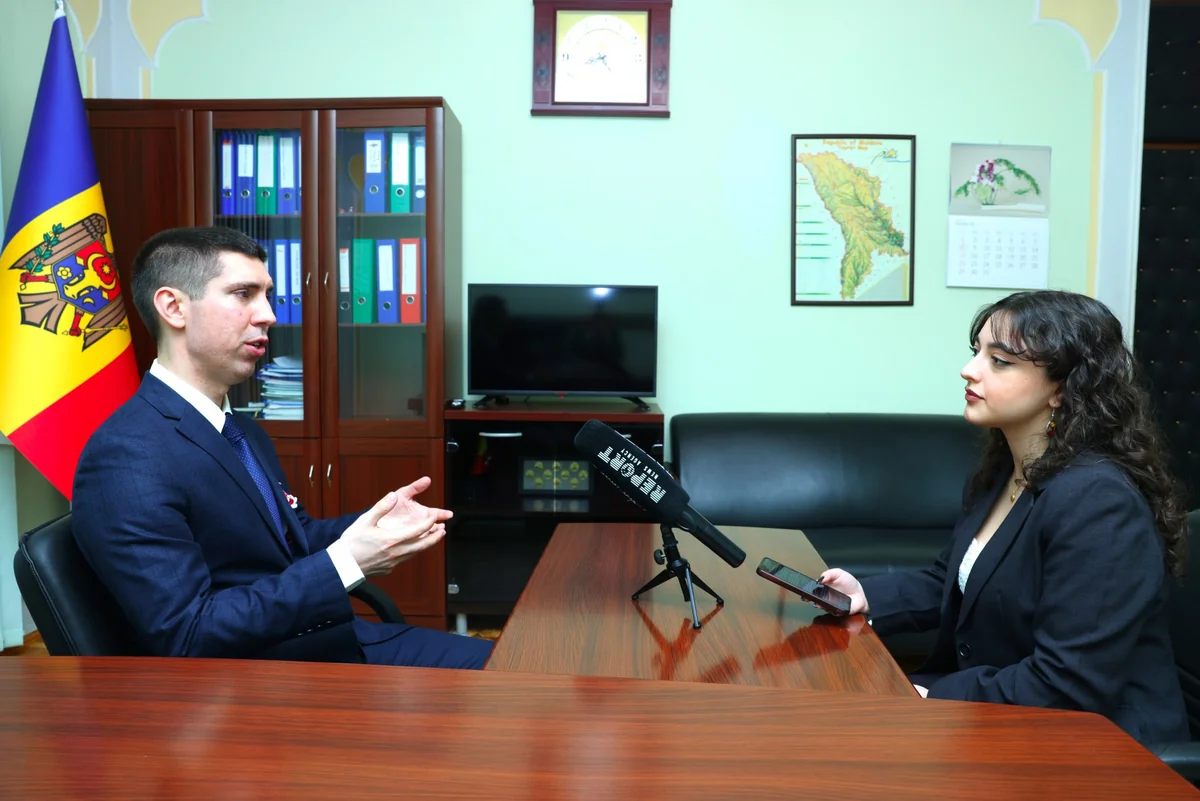
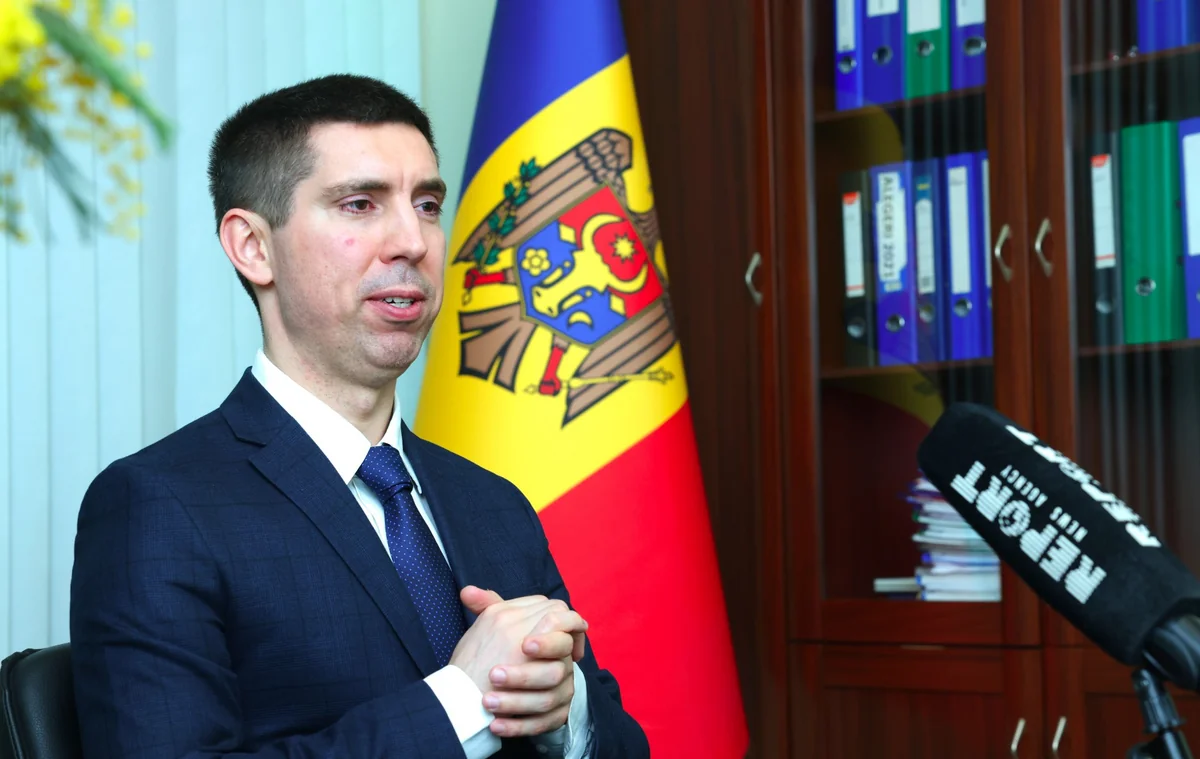
In an interview with Report, Moldova's Deputy Prime Minister and Minister of Foreign Affairs Mihai Popsoi, who paid an official visit to Azerbaijan last week, spoke about plans for 2026 and the prospects for bilateral partnership.
- How do you assess the current level of political dialogue between Moldova and Azerbaijan, and what goals have been set for 2026 to further strengthen bilateral cooperation?
- The level of our bilateral cooperation is very high. Close ties have been established between our countries-between the heads of state, heads of government, parliaments, as well as between the ministers of foreign affairs.
Today (March 6 - ed.), together with my colleague, Azerbaijan's Minister of Foreign Affairs Jeyhun Bayramov, we signed a plan and agenda for political consultations between our foreign ministries for the next two years. This is a key mechanism that will allow us to strengthen and further develop our relations at a more technical level.
This morning we also had very substantive discussions not only with the President of Azerbaijan, Ilham Aliyev, but also with the Speaker of Parliament Sahiba Gafarova, of course with my colleague Jeyhun Bayramov, the Deputy Minister of Economy, as well as the Vice President of SOCAR.
We intend to transform these strong bilateral political relations into more active economic cooperation, as economic ties between our countries still have significant potential for further development. We will work actively to fully utilize the opportunities and potential of our bilateral relations, especially in the economic sphere.
- Are interdepartmental consultations and high-level visits between the two countries planned for this year?
- Yes, consultations are a regular part of bilateral relations. High-level visits are already taking place, and we expect there will be more of them. This demonstrates the close cooperation between our countries, especially considering how productive my current visit has been.
We are confident that we will be able to maintain this momentum, given the closeness of relations between Azerbaijan and Moldova.
Despite the current challenges our countries are facing-Moldova in the context of the war between Russia and Ukraine, and Azerbaijan in connection with attacks from Iran-we have strongly condemned these attacks and support Azerbaijan, its territorial integrity, and sovereignty.
Moldova has always been a reliable partner, and in turn Azerbaijan has consistently supported Moldova when it comes to our territorial integrity and sovereignty.
- When is the next meeting of the intergovernmental commission on economic cooperation planned?
- As far as I know, the date has not yet been set, but the meeting will certainly take place this year.
- Does Moldova plan to send an official delegation to participate in the 13th World Urban Forum, which will be held in Baku in May? If so, who will lead the delegation?
- There is no final decision yet. However, immediately after returning home, I will try to ensure proper representation of our country at this important international platform organized by Azerbaijan.
- What prospects do you see for deepening cooperation with SOCAR, including in the supply of Azerbaijani gas to Moldova, and what joint energy projects could be implemented in the coming years?
- There are certainly several ongoing projects that we could potentially join, depending on the results of feasibility assessments. For example, the project of an energy cable under the Black Sea, which is currently being developed and is expected to connect the region with Romania and Bulgaria. This project is of interest to us, and we will explore opportunities to participate in it.
In addition, several large infrastructure projects are planned in Moldova, which are expected to begin soon thanks to financing and support from the European Union. We are very interested in attracting Azerbaijani companies that have experience in implementing large-scale construction projects, whether in renewable energy, road construction, the creation of oil terminals, or strategic oil reserve storage facilities.
There are a number of projects with strong potential, and we discussed them in detail today as well. These issues were also raised by my colleague, the Minister of Energy Dorin Junghietu, who recently visited here. As a result, a very active dialogue is underway on a wide range of proposals and initiatives.
- How does Moldova assess the prospects of its possible participation in the Black Sea energy cable project?
- We are very interested in this project. After conducting a feasibility assessment, we will be able to understand whether our capabilities correspond to the opportunities it offers.
We are also very interested in expanding the presence of the Azerbaijani business community in Moldova, as new opportunities are emerging in our country, especially in the field of manufacturing for export not only to Azerbaijan but also to the market of the entire European Union.
Today we are gaining increasingly broad access to the European market across various sectors. This is not limited only to our traditional products, such as fruits and vegetables, but also includes new areas: poultry farming, the production of chicken meat, eggs, and dairy products.
We aim to expand these opportunities so that potential investors from Azerbaijan can establish production facilities in Moldova. This could help strengthen the food security of Azerbaijan while also becoming a profitable business through exports to the European market, which is well known for its large size and high purchasing power.
- Is there interest among Moldovan companies in implementing projects in Karabakh and East Zangazur? Which sectors attract the most interest?
- This question would be better addressed to the private sector in Moldova. I cannot speak on behalf of private companies. However, wherever opportunities exist, whether in transport, logistics, or especially in the export of agricultural products, Moldova can offer very high-quality goods.
Therefore, if business opportunities arise in regions such as Karabakh and East Zangazur in Azerbaijan, the Moldovan business community will certainly be able to explore and potentially take advantage of them.
- How do you assess the current status of Moldova's EU accession process, and what initiatives are planned in this direction this year?
- Moldova has been moving forward and has made significant progress over the past four years since applying for membership in the European Union.
Last year, the European Commission report recognized Moldova as the country that demonstrated the greatest progress among all candidate states. This makes us very proud, but at the same time it requires us to maintain this pace.
Among the recent achievements is the fact that citizens of the Republic of Moldova now benefit from the Roam Like at Home program, which means they no longer need to pay roaming charges when traveling to EU countries.
In addition, we have joined the Single Euro Payments Area (SEPA). As a result, fees for bank transfers have significantly decreased, creating strong incentives and making business relations easier.
There is also the €1.9 billion Growth and Resilience Support Package, which is being directed toward the development of Moldova's infrastructure and improving the competitiveness of its economy. Large-scale projects will certainly be implemented within this framework, and Azerbaijani companies will also be able to participate in them.
We are also actively working with the European Union to strengthen Moldova's defense and security, which is a key priority given the existing challenges.
Thus, there are many policy areas in which we are achieving significant progress in the context of our aspiration for EU membership. This means more opportunities are emerging in Moldova, and we are pleased to share these opportunities with our friends. That is why we are extending this invitation to potential investors from Azerbaijan.
We would also be very happy to welcome tourists from Azerbaijan. In turn, we will encourage citizens of Moldova to visit and discover the beauty of Azerbaijan, its rich culture, traditions, history, and cuisine. We look forward with great interest to the development of such exchanges.
Author
Photo