Baku 24° C
ITA director: Italy considers Azerbaijan key logistics hub in region - INTERVIEW
- 30 January, 2026
- 11:41
Stay up to date with the top news!
Economic relations between Italy and Azerbaijan are steadily developing, based on a strategic partnership and active political dialogue. Italy is Azerbaijan's leading foreign trade partner and the biggest buyer of oil and gas from the country. The two countries are engaged in an active dialogue to diversify foreign trade relations and increase mutual non-oil and gas supplies.
The Baku office of the Italian Trade Agency (ITA) plays a key role in expanding the non-oil and gas component of bilateral trade and strengthening the position of Italian businesses in the Azerbaijani market.
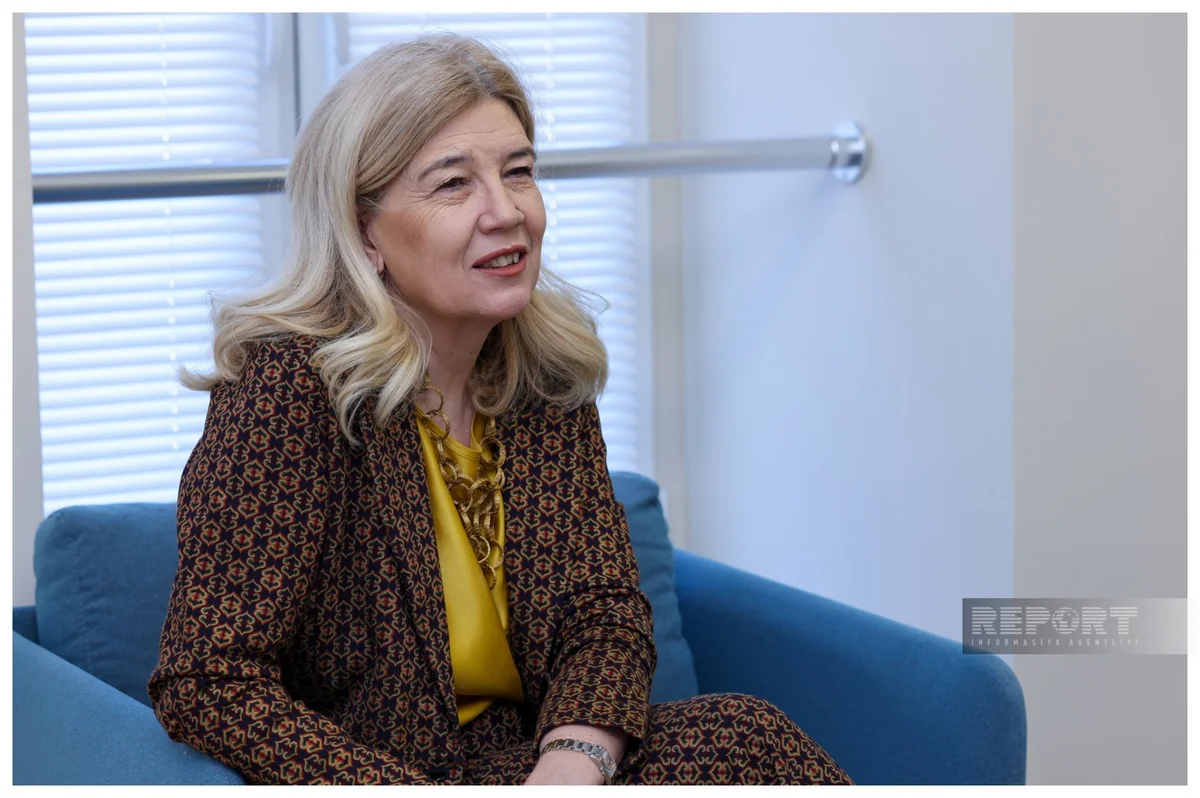
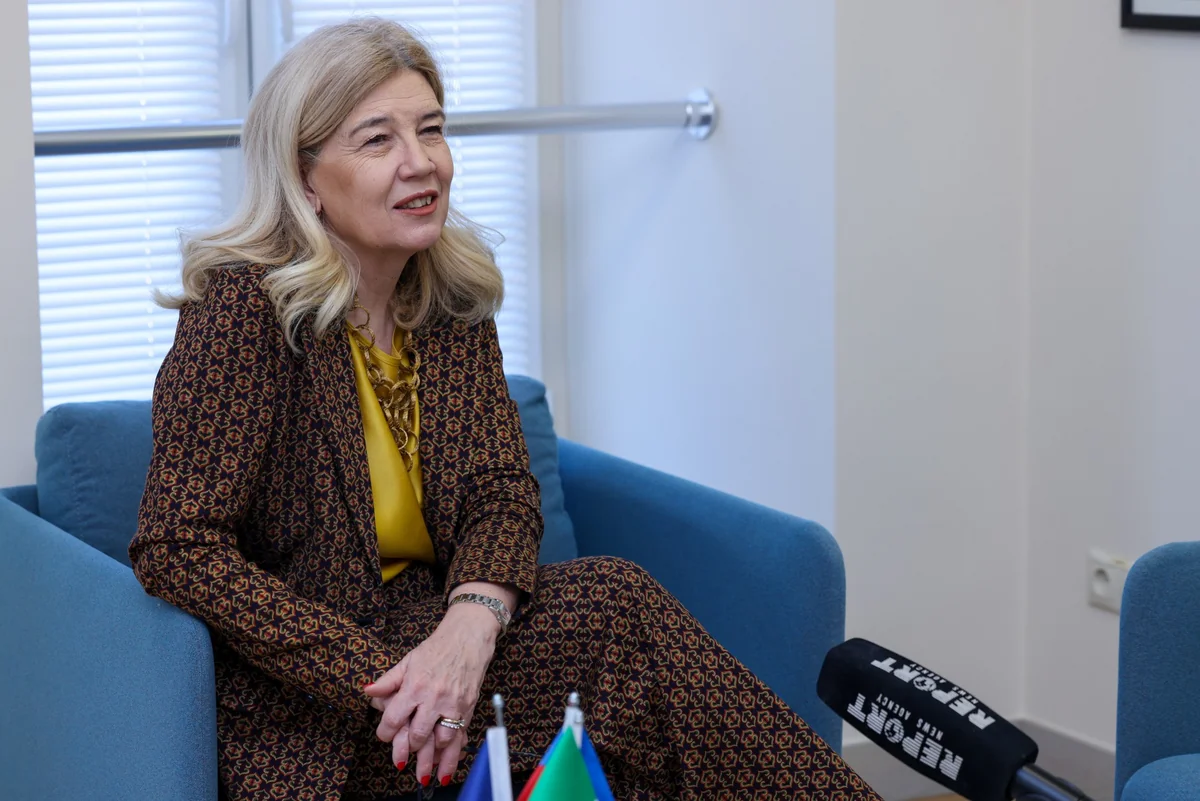
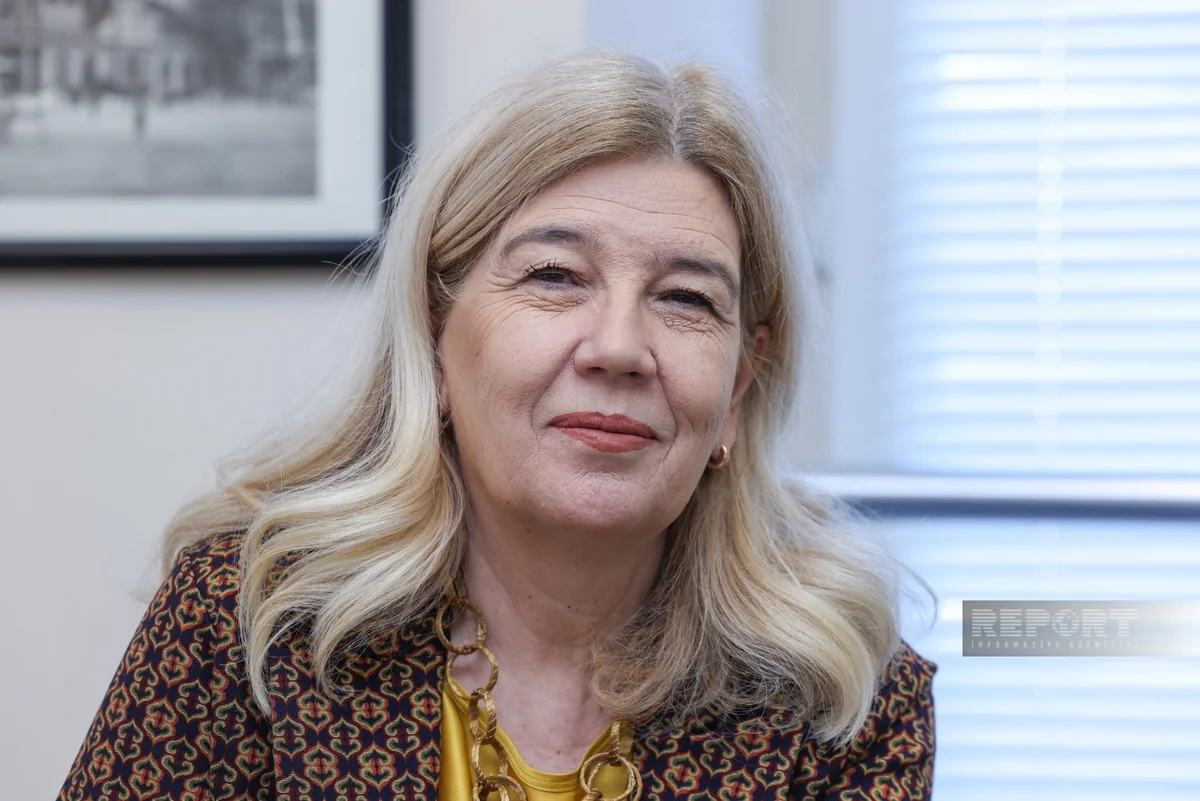
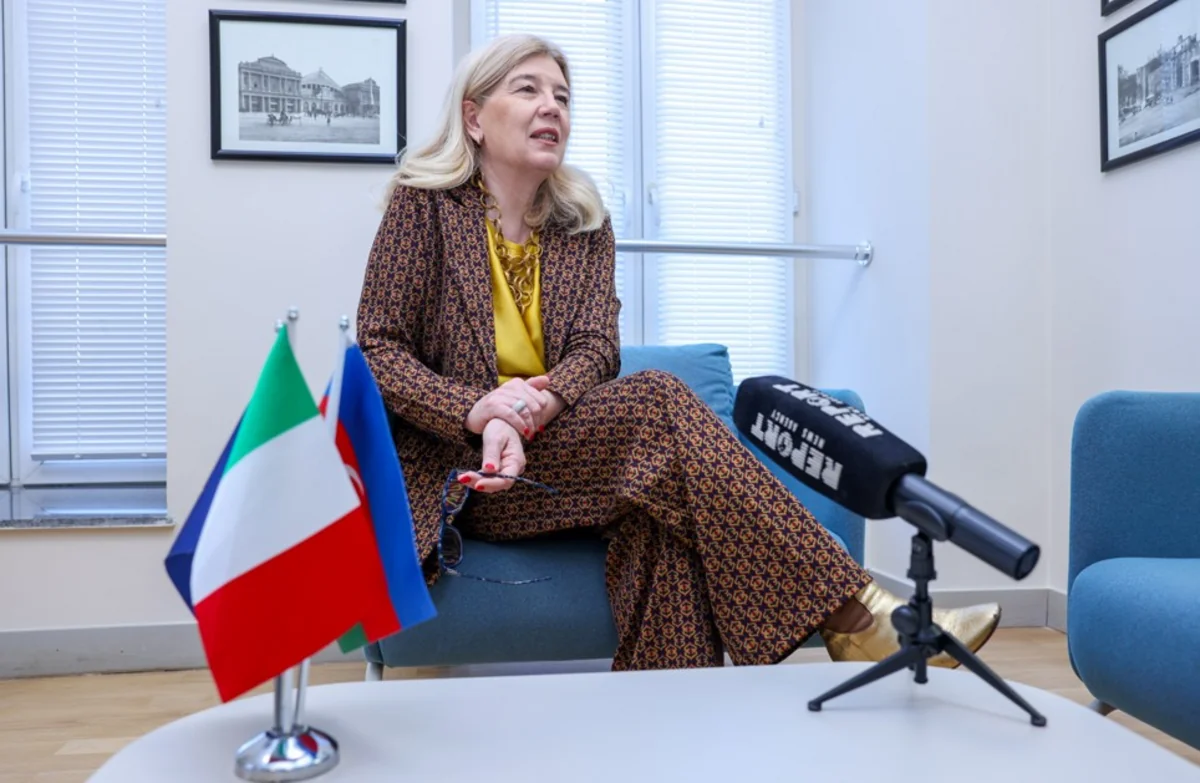
In an interview with Report, the new director of ITA, Cecilia Oliva, discussed the growing interest of Italian brands in Azerbaijan, the agency's plans to expand its presence in the country, including increasing investment in promotion in 2026, and exploring the potential of the Karabakh region for attracting Italian companies.
- How do you assess the current state and recent dynamics of economic cooperation between Italy and Azerbaijan?
- I would say that economic relations between Italy and Azerbaijan are currently at a very high level, strengthened by a long-standing strategic partnership and close political ties. Just between November 2024 and November 2025, both Prime Minister Giorgia Meloni (November 2024 - ed.) and President Sergio Mattarella (October 2025 - ed.) visited Azerbaijan, which really underscores the importance of our relationship. Italy remains one of Azerbaijan's key trading partners, with a long history of trade in the energy sector, particularly Italian imports of oil and gas. But what I find particularly exciting is that the non-energy side of trade is steadily growing.
This shows that our cooperation is diversifying, and over time, I believe it will lead to a more balanced and resilient trade structure. Italian exports to Azerbaijan are concentrated in areas with high industrial and technological content-precision machinery, construction and infrastructure equipment, plant engineering, energy and environmental technologies, building materials, and transportation. Here, Italy offers not just products, but integrated solutions, engineering expertise, and the ability to manage complex systems.

Another point I love highlighting is the role of Italian SMEs. They bring flexibility, specialization, and the ability to adapt their technologies to local needs, often becoming crucial partners in major development projects. This model fits perfectly with Azerbaijan's priorities: transport corridors, rail and road upgrades, urban mobility in Baku, renewable energy, water management, and environmental services. In all these fields, Italian companies have a lot to offer.
- How many Italian companies currently operate in Azerbaijan, and in which sectors are they most represented?
- We have several dozen Italian companies active in Azerbaijan today, ranging from subsidiaries to joint ventures and representative offices. They are particularly present in energy, construction, engineering, oil and gas services, machinery, infrastructure, agribusiness, food processing, fashion, design, and professional services. Increasingly, we also see interest in green technologies and smart solutions.
As I mentioned earlier, SMEs play a very important role - they are often the ones bringing specialized know-how and flexibility to large projects, acting as suppliers or technological partners. This approach matches well with Azerbaijan's current development priorities, from transport corridors to urban mobility and renewable energy, areas where Italian industrial solutions are highly competitive.
- Is an Italy-Azerbaijan economic forum planned this year? What will be its format and how many companies are expected to participate?
- At the moment, we haven't started the operational organization of the forum yet, so it's too early to give precise details on its format or the exact number of participants. That said, we expect it will follow a structure similar to other international business forums, combining institutional sessions with sector-focused panels and B2B meetings. While we can't provide exact numbers yet, I am confident that the participation will be significant, reflecting the strong interest from both Italian and Azerbaijani companies in expanding cooperation.
- After the forum, a Memorandum of Understanding (MoU) and an Action Plan between AZPROMO and ITA are expected to be signed. What areas will they cover?
- The MoU and Action Plan are meant to make our cooperation more operational and structured. They will focus on promoting mutual investments, supporting SME internationalization, sharing market information, organizing joint missions and trade fairs, collaborating in innovative and sustainable sectors, building skills and capacity. In short, it's about creating continuous and tangible opportunities for companies on both sides.
- Are entrepreneurial missions from Azerbaijan to Italy planned? Does ITA receive requests from Azerbaijani companies?
- Our main mission at ITA is to promote Italian products and services abroad and to support the internationalization of Italian companies. So, assistance to Azerbaijani companies in their internationalization is primarily handled by AZPROMO. That said, here in Baku, we organize dozens of missions every year for Azerbaijani entrepreneurs and journalists to visit Italy. These visits focus on major sectoral trade fairs and other commercial events, giving participants the chance to see Italian excellence firsthand, meet companies, and explore business opportunities. It's a very practical way to build real connections between our companies.
- Is the organization of Italian investor visits to Karabakh under consideration?
- We are following this closely, but with a medium-term and pragmatic approach. Italy recognizes the potential of Karabakh, especially in reconstruction, infrastructure, renewable energy, agriculture, and sustainable tourism. For now, the focus is on gathering information, analyzing opportunities, and engaging with local authorities, to create the best conditions for possible Italian investment in the future.
- How interested are Italian companies in the Middle Corridor and the Zangazur Corridor?
- Italian companies are increasingly watching developments in these Euro-Asian connectivity corridors, as they can help diversify trade routes and strengthen supply chains. Azerbaijan is now seen as a key logistics hub, thanks to its strategic location and recent infrastructure investments. Italian companies remain selective, though they look carefully at economic sustainability, operational stability, cost efficiency, and how well the projects integrate with European markets.
- Are discussions underway regarding the entry of Italian brands, particularly in the hospitality and restaurant sectors?
- Yes, there is real interest from Italian brands, especially in food and beverage, furniture and design, agricultural machinery, fashion and apparel. Azerbaijan is seen as a growing market, particularly for mid-to-high-end and quality tourism segments, so there's good potential for Italian excellence in these sectors. Since the opening of our permanent office in Baku in 2000, our Agency has actively supported the introduction of new Italian products and brands in Azerbaijan. Our growing commitment to the country is reflected in the significant increase in promotional investments planned for 2026, a year in which we expect a major Italian presence at two of Baku"s leading trade shows (Caspian Agro and InterFood Azerbaijan - ed.).
- Which financial instruments and institutional mechanisms are currently available to support bilateral cooperation between Italian and Azerbaijani entrepreneurs, e.g., export guarantees, investment funds, or risk insurance instruments?
- Italy has a robust set of tools to support companies abroad, with SACE (Servizi Assicurativi del Commercio Estero, the Italian state export credit agency - ed.) and SIMEST (Italian state-owned financial company - ed.) playing a central role. SACE offers export credit guarantees and insurance to protect Italian companies and their partners from commercial and political risks, supporting exports, medium- and long-term financing, and investments abroad.
SIMEST provides financial support for internationalization, including concessional loans, equity participation in foreign projects, and support for feasibility studies and technical assistance. It can even co-invest alongside Italian companies in joint ventures or local subsidiaries, which helps build long-term industrial partnerships.
On top of that, Italian and international banks, as well as multilateral institutions, provide tailored financing solutions. Together, these instruments reduce risk, improve access to finance, and encourage sustainable, long-term cooperation between our entrepreneurs.
Author

Photo