
 Baku 22° C
Foreign policy in 2025: Historic results and new initiatives – ANALYSIS
- 01 January, 2026
- 11:26
Stay up to date with the top news!
The outgoing year of 2025 can unequivocally be considered a successful one for Azerbaijan's foreign policy. The year was marked by historically significant results of active foreign policy pursued under the leadership of President Ilham Aliyev. A defining feature of the foreign policy course was the expansion of the geography of cooperation. Through the Ministry of Foreign Affairs alone, political consultations were held with 52 countries in 2025. In addition, Azerbaijan signed 191 documents with 41 countries, thereby consolidating its role as a regional leader and a significant actor in international relations. Let's study the main results and achievements of foreign policy in 2025.
Azerbaijan–Armenia: A thorny path to peace
After the end of the Second Karabakh War, Azerbaijan initiated a peace process with Armenia and put forward five basic principles for concluding a peace agreement. In 2025, several important events took place within the framework of the Azerbaijani-Armenian peace process.
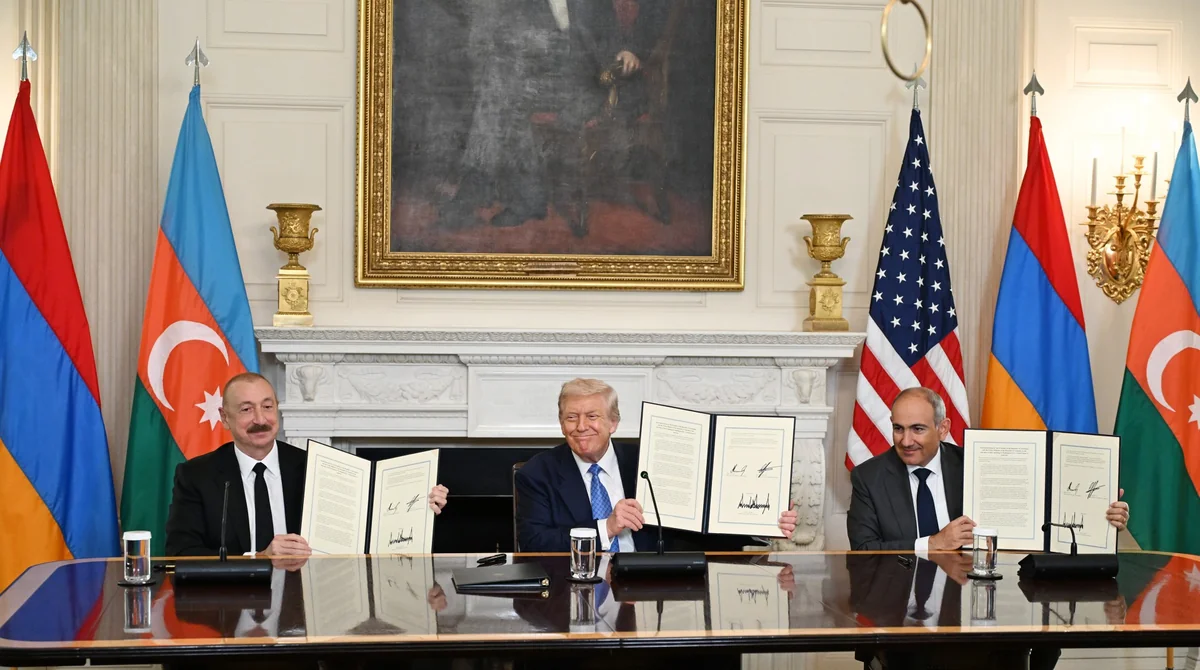
In March 2025, Baku and Yerevan announced the completion of negotiations on an agreement to normalize bilateral relations. This document, consisting of 17 articles, was initialed by the foreign ministers at the historic Azerbaijan–US–Armenia summit on August 8 in Washington. At the same venue, the leaders of the two countries signed a Joint Declaration of seven points outlining steps toward normalization of relations and the unblocking of regional communications. These points address ensuring unhindered connectivity between the main territory of the Republic of Azerbaijan and the Nakhchivan Autonomous Republic through the territory of Armenia, the launch of the "Trump Route" (TRIPP) project, the dissolution of the OSCE Minsk Group, and other issues. Thus, Baku and Yerevan finalized work on the peace treaty, and the only step remaining for the parties is to sign this document.
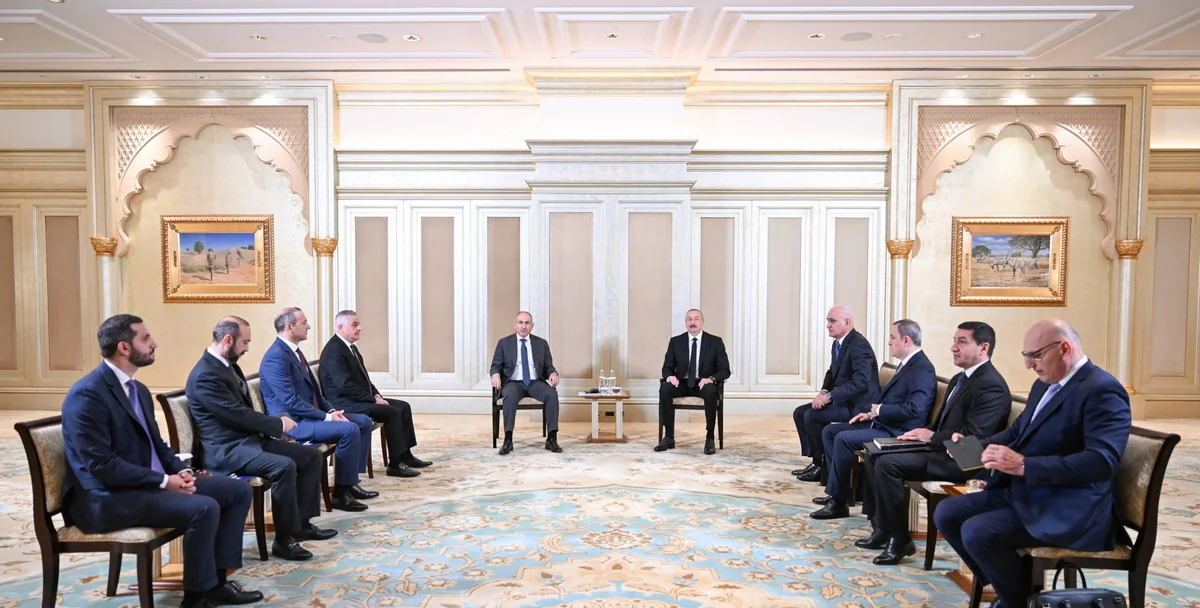
As is well known, for the signing of the peace treaty Azerbaijan put forward two conditions to Armenia: the dissolution of the OSCE Minsk Group and the elimination of territorial claims contained in the Armenian constitution. For several years, Yerevan avoided fulfilling the condition related to the Minsk Group. Moreover, the Armenian authorities justified their actions with absurd reasons, even claiming that the preservation of the Minsk Group served as a kind of insurance and protection for Yerevan. Baku, however, proceeded from the real situation-there is no Karabakh conflict, and therefore there should be no Minsk Group, which was created to resolve this conflict in 1992. Ultimately, Armenia had to acknowledge the validity of Azerbaijan"s arguments, and on August 8 the parties launched the mechanism for dissolving this useless group. The process was completed on December 1, 2025.
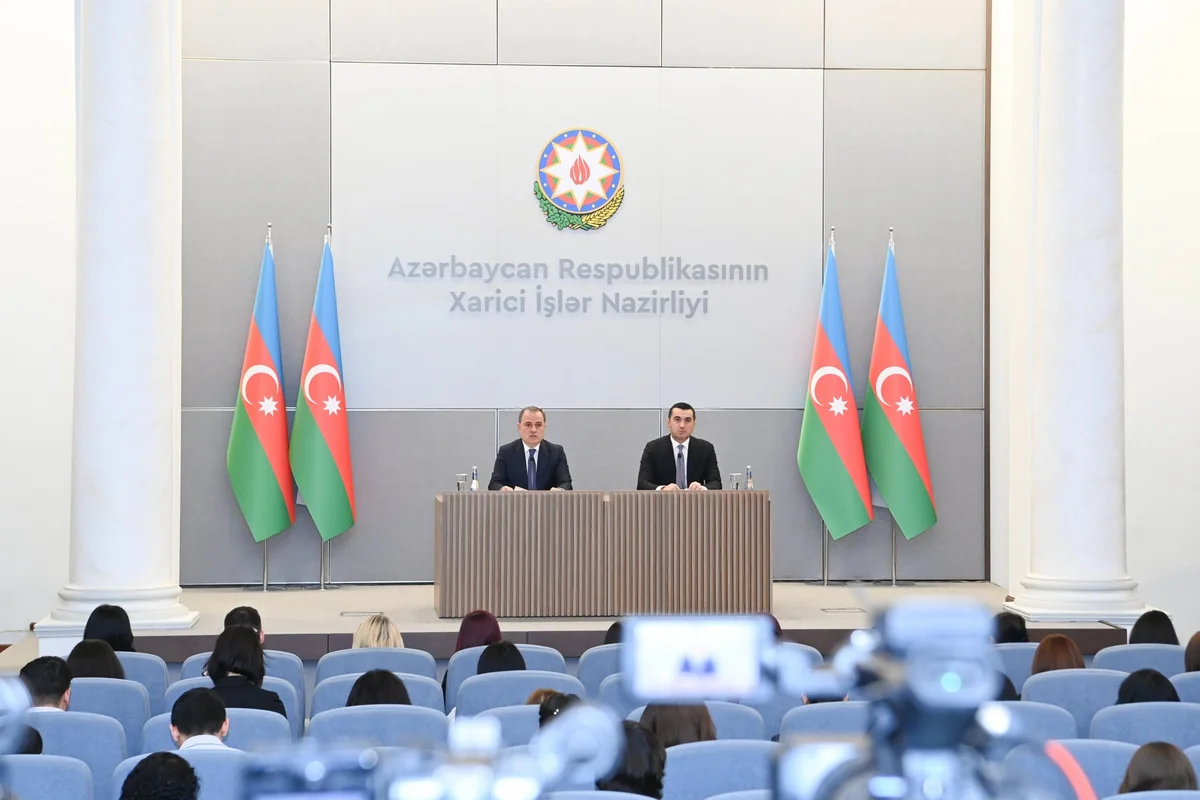
Now Yerevan only needs to eliminate the final obstacle to signing the peace treaty-removing territorial claims against Azerbaijan from Armenia"s constitution. This was also confirmed by Azerbaijan's Foreign Minister Jeyhun Bayramov at a year-end press conference on December 26. According to him, how Armenia does this-whether by amending the current constitution or by adopting a new basic law-is not of fundamental importance for Baku. The ball is now in Yerevan's court: the sooner this provision is removed from the constitution, the sooner the peace treaty will be signed.
In addition, Azerbaijan expects Armenia to fulfill its obligations under the TRIPP project and not to evade them, as happened with Paragraph 9 of the trilateral statement signed by the leaders of Azerbaijan, Russia, and Armenia in November 2020. Armenia has promised to begin construction work on TRIPP in the second half of next year.
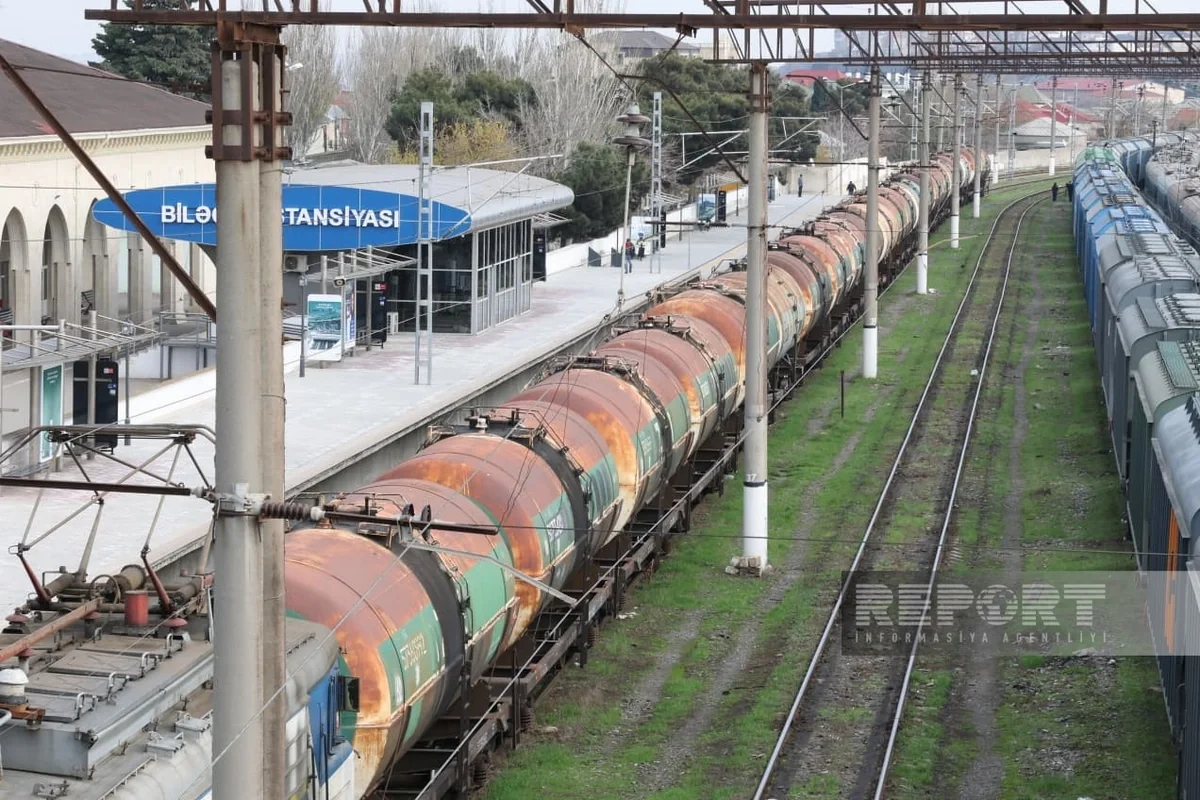
Nevertheless, de facto peace has now taken hold between Azerbaijan and Armenia. This has made it possible to move toward economic interaction. In October, President of Azerbaijan Ilham Aliyev announced the lifting of restrictions on the transit of goods to Armenia through Azerbaijani territory. As a result, in November Armenia received wheat shipments from Kazakhstan and Russia via this route. In December, Armenia received its first shipment of petroleum products from Azerbaijan. At the same time, Armenian officials have already stated that they are counting heavily on closer economic cooperation with Azerbaijan. In particular, Yerevan has expressed a desire to supply its own products to Azerbaijan. Azerbaijan's Foreign Minister Jeyhun Bayramov has allowed for the possibility of expanding trade operations with Armenia. However, this requires real actions by Armenia to fulfill the political commitments it has undertaken.
Armenia must understand that the current economic cooperation is a kind of advance payment. If Yerevan delays the creation of conditions for signing the peace treaty, it will also cast doubt on further economic cooperation. Armenia very much wants to become a transit state, but it should not forget that such aspirations must be backed by concrete actions. This applies to trade with Azerbaijan, the effective operation of the "Trump Route" (TRIPP), the further unblocking of communications, and many other issues. In relations with Yerevan, Baku has always been a realist and has never relied on promises and statements, focusing solely on concrete steps.
Today, there are certain expectations that the signing of the peace treaty could take place in 2026. At the very least, officials in Baku speak of such a possibility with cautious optimism. Of course, much will depend on the outcome of Armenia's parliamentary elections in June 2026. If Nikol Pashinyan and his team once again secure a parliamentary majority, this could have a positive impact on finalizing the peace process. If, however, Pashinyan has to share power with revanchist forces, that would be an entirely different story. Thus, in 2025 there was tangible progress in the peace process between Baku and Yerevan, but several "buts" remain that could slow this process down in the coming year.
Azerbaijan–US relations: A reset in ties
Relations between Azerbaijan and the United States are currently experiencing one of their most constructive phases in years. The change of administration in Washington and Donald Trump's return to the White House have helped ease tensions and misunderstandings that characterised relations between 2021 and 2024, during the Biden–Blinken period.
Throughout 2025, Presidents Ilham Aliyev and Donald Trump held several contacts, culminating in what was described as a landmark meeting at the White House on August 8. The talks revealed broad alignment between the two leaders on both bilateral and international issues. Since that meeting, engagement between government institutions in the two countries has intensified significantly, reaching a level of interaction not previously seen.
Baku and Washington are now discussing a Strategic Partnership Charter, which could be signed in 2026. Azerbaijan"s Foreign Minister has said active consultations are under way and that work on the text is nearing completion, after which it will be submitted to the two presidents for consideration.
At the same time, the United States has lifted restrictions on defense cooperation with Azerbaijan, opening the way for expanded engagement. The possible full repeal of the unjust Section 907 of the US Freedom Support Act remains on the agenda. Proposals related to the amendment have already been introduced in the US Congress, and Azerbaijani officials say they expect lawmakers to support President Trump's plans to deepen ties with Azerbaijan.
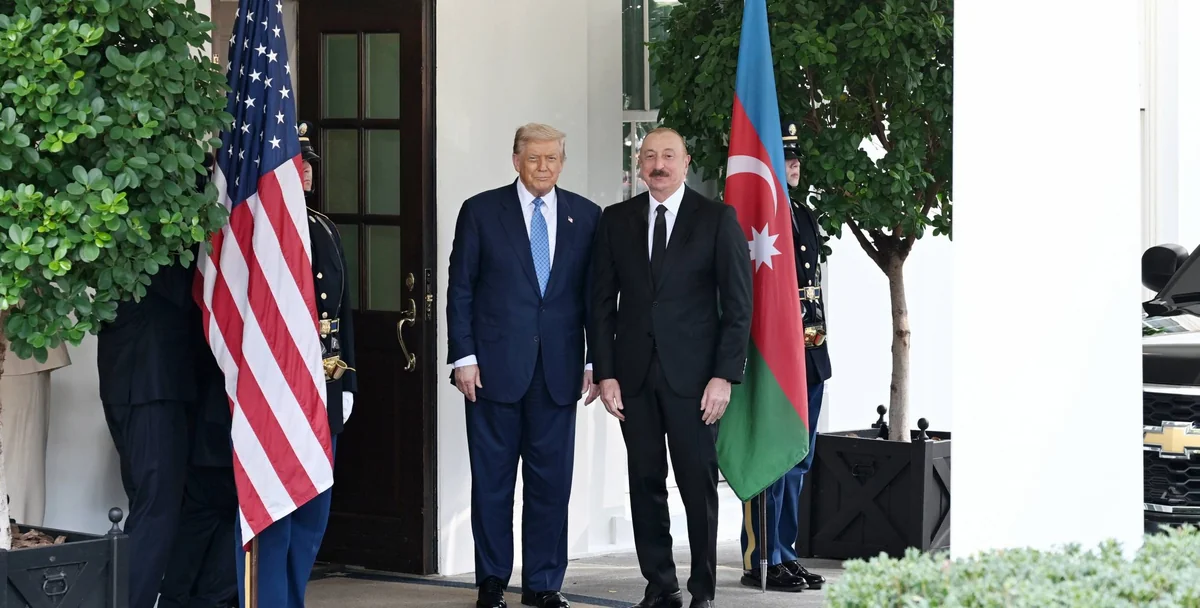
Taken together, 2025 is widely seen in Baku as a breakthrough year in relations with Washington, marking a shift to a qualitatively new level of engagement. This applies not only to political dialogue but also to economic cooperation. Azerbaijani authorities believe the positive momentum is likely to continue in the coming years, with further progress expected across multiple areas of bilateral cooperation.
Azerbaijan–China: Strategic partnership
China emerged in 2025 as another major global power with which Azerbaijan elevated its bilateral relations to a new level. Baku and Beijing now define their ties as a strategic partnership-an arrangement that only a limited number of countries maintain with China.
In April, Azerbaijani President Ilham Aliyev paid a state visit to China, during which the two leaders discussed ways to deepen their strategic cooperation. This was followed by another visit in late August and early September, when President Aliyev attended the Shanghai Cooperation Organization (SCO) summit at the invitation of Chinese President Xi Jinping. In addition, a visa-free regime between the two countries has been in place since July 2025, aimed at boosting tourism and facilitating business contacts.
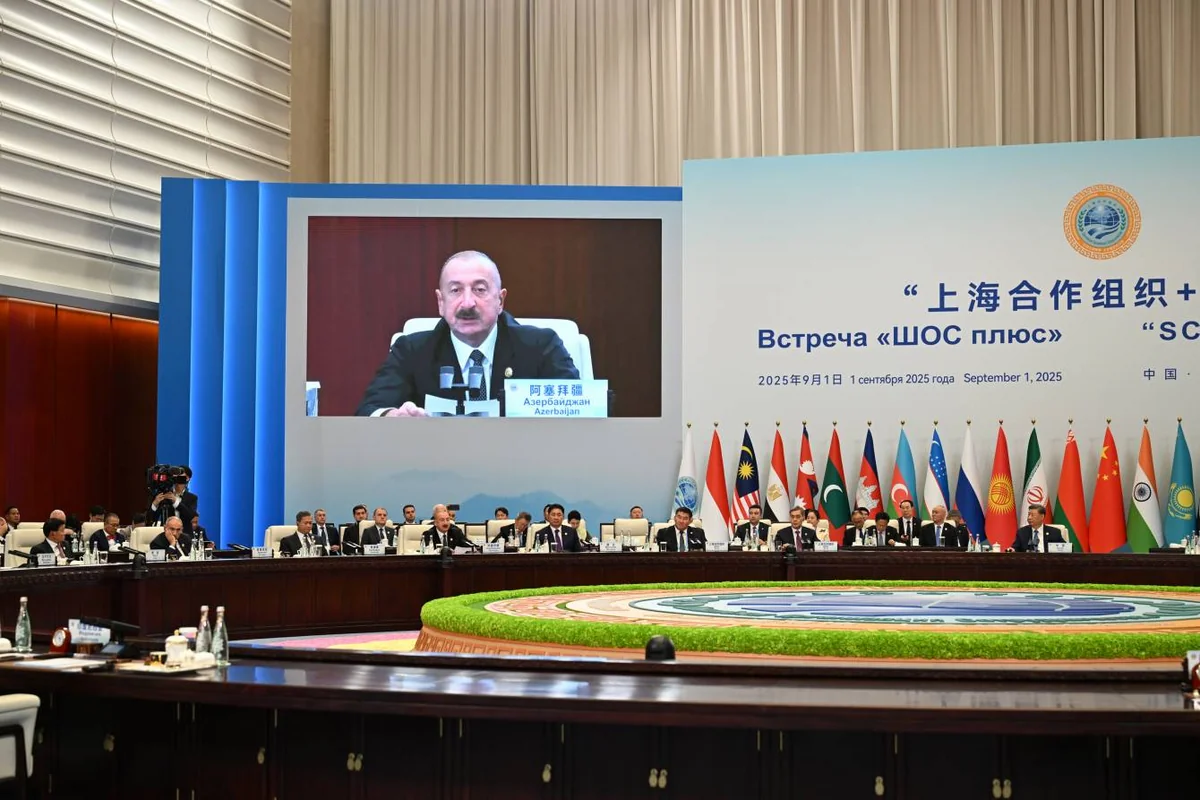
Azerbaijan and China have set out an ambitious agenda for political and economic cooperation and good relations between Presidents Aliyev and Xi as a key factor underpinning this momentum. China is among Azerbaijan's top five foreign trade partners, with bilateral trade exceeding $4.2bn in the first 11 months of the year.
Overall, 2025 saw continued consolidation of Azerbaijan–China relations. Both sides signal that the partnership is expected to deepen further in 2026.
Turkic world: From shared roots to shared interests
Relations with countries of the Turkic world have long been a core element of Azerbaijan"s foreign policy. Since the end of the Second Karabakh War, diplomatic engagement in this direction has intensified. This has involved not only cooperation within the Organization of Turkic States (OTS), but also broader outreach to Central Asian countries.
Within the OTS framework, Azerbaijan has advanced initiatives aimed at strengthening coordination among member states in response to regional and global challenges. These initiatives span defense and defense industry, economic cooperation, and the development of transport and logistics networks. Such efforts are intended to enhance the institutional capacity of the OTS and reinforce its role as a regional organization.
Beyond the OTS, Baku places particular emphasis on its relations with Central Asia, which it views as special. Azerbaijan engages with Central Asian partners both bilaterally and through multilateral platforms, supporting joint initiatives and seeking coordinated approaches to regional and global issues.
President Ilham Aliyev has said that sustained interaction has effectively brought Azerbaijan and Central Asia into a shared geopolitical and geo-economic space, the importance of which is steadily increasing. This cooperation extends beyond political dialogue to economic connectivity, with particular focus on transit and logistics projects that have gained prominence in the past three years. One such project is the Middle Corridor, which links Asia and Europe via the South Caucasus and the Caspian Sea.
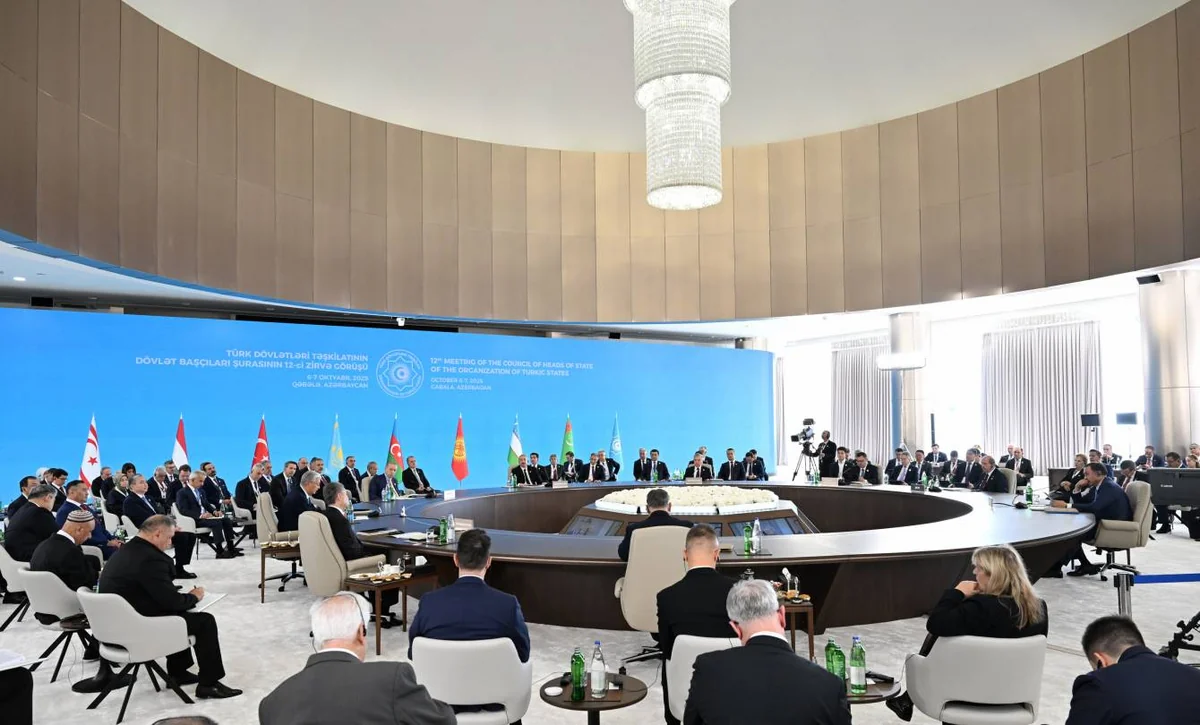
In November, Central Asian states decided to elevate the level of their relations with Azerbaijan. At a summit in Tashkent, the leaders of the "Central Asian Five" expressed support for Azerbaijan's accession to the consultative meetings format as a full member. They stated that this step would open up new opportunities for regional cooperation, particularly in logistics and energy. As a result, Azerbaijan and the Central Asian states are moving towards the Six-State Unity framework.
Looking ahead, cooperation with the Turkic world is expected to remain a key priority of Azerbaijan's foreign policy.
Azerbaijan–EU relations: Two steps forward, one step back
Relations between Azerbaijan and the European Union have faced periods of stagnation in recent years, attriuted in part to a biased approach by certain figures within the European Commission responsible for foreign policy. A new team formed in the European Commission at the end of last year. Estonia's Kaja Kallas assumed responsibility for the EU's foreign policy direction, while Josep Borrell, the active supporter of Armenian separatism in the Azerbaijani territories, stepped down.
For much of 2025, Brussels signalled a willingness to pursue a more constructive relationship with Baku and to address difficulties that had emerged under the previous leadership. Against this backdrop, Azerbaijan and the EU again began speaking about restarting negotiations on a strategic partnership agreement, implementation of transport projects, and further development of the Middle Corridor.
However, as has often been the case with Brussels, the EU has not always been able to maintain the course it has set. The European Union has reverted to old habits and taken steps that could once again damage relations with Baku. This refers to the "Strategic Partnership Agenda" signed by the EU and Armenia on December 2. The document contains provisions that could hinder the peace process in the South Caucasus and distort developments that have taken place in the region in recent years. Through such actions, the EU is undermining its relations with Azerbaijan to its own detriment. In addition, Baku expects the EU to provide equal financial support to both Armenia and Azerbaijan. At present, there is a noticeable imbalance in this regard in favour of Armenia, and Azerbaijan insists that this disparity must be addressed.
Relations between Azerbaijan and the EU in 2025 can be characterized as "two steps forward, one step back". How events will unfold next year is largely a question for Brussels. The EU should have long understood that confrontation with Azerbaijan will not lead to positive outcomes. This applies not only to the Union as a whole, but also to individual member states such as France and the Netherlands. In previous years, these two countries pursued an aggressive policy towards Azerbaijan and widely applied double standards in their assessment of separatism in Azerbaijan and in other regions of the world. However, Azerbaijan"s actions and the active peace process initiated by Baku in the region have compelled France and the Netherlands to adjust their positions. In 2025 both countries replaced their ambassadors in Baku, which offers some optimism that they may revise their policies towards Azerbaijan and move away from double standards and a non-constructive approach.
Azerbaijan–Russia: Cooling
Relations with Russia in 2025 were overshadowed by a crisis that began in December 2024, after Russian air defence systems shot down a civilian AZAL plane over Grozny. In connection with the tragic incident, which caused the death of 38 people, Azerbaijan demanded that Russia carry out measures provided for under international law: acknowledge responsibility, punish those guilty, and pay compensation. However, the Russian side behaved inadequately, beginning to evade responsibility for the incident, delaying the payment of compensation, and failing to punish those responsible.
Tensions in bilateral relations were further aggravated by the actions of Russian security forces, who in the summer launched a "campaign" of arrests and pressure on leaders of Azerbaijani diaspora organisations and their close relatives. All these actions were accompanied by unjustified violence against Azerbaijanis and presented as an alleged fight against crime.
The Russian leadership considers the tension in relations with Azerbaijan to be a kind of "emotional crisis," but in reality it is much more serious. Russian policy in the region has not changed and does not take current realities into account. Moscow often talks about being interested in building partnerships with neighbouring countries. However, words have not been followed by action. In Russia, relations with neighbours traditionally follow a "big brother" approach, in which everything is allowed. But times have changed, and Moscow needs to take all this into account
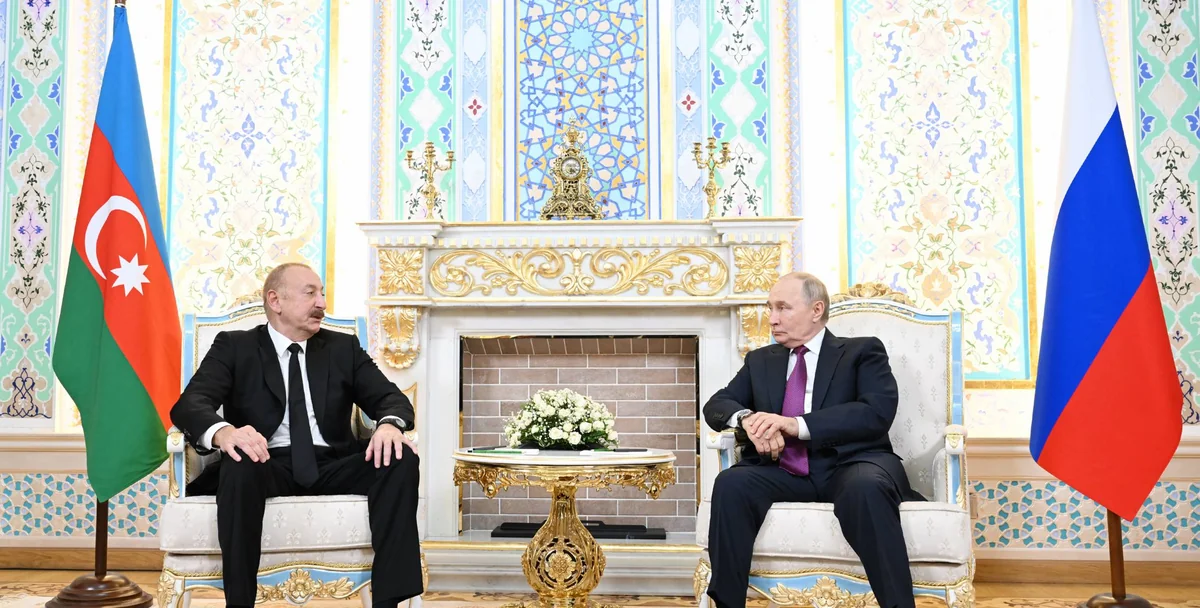
Part of the tension in bilateral relations was eased after a meeting between the presidents of Azerbaijan and Russia in early October in Dushanbe. Vladimir Putin acknowledged that the AZAL plane over Grozny had been shot down by Russian air defence. The Russian president apologized and said that the Russian side needed a little more time to "identify the true causes" and "finally put an end to the matter." In addition, the Russian president promised the Azerbaijani president that "everything required in such tragic cases will be done by the Russian side regarding compensation, and a legal assessment will be given to the actions of all officials." However, instead of fulfilling these promises, the opposite has occurred. At a year-end press conference, the Azerbaijani Foreign Minister stated that the Russian Investigative Committee had sent a letter to Baku indicating the closure of the criminal case related to the crash of the Azerbaijani plane. This decision caused confusion and serious questions in Baku, especially after the publication on December 25, on the anniversary of the plane crash, of an interim report by Kazakhstan"s Ministry of Transport, which again confirmed that the AZAL plane had been shot down over Grozny. It appears that Russian authorities are escalating tensions in relations with Azerbaijan and refusing to fulfil their international obligations.
Thus, it is still premature to say that the crisis in relations between the two countries has been resolved. The development of relations in 2026 will largely depend on the actions and steps taken by Moscow.
Azerbaijan–United Kingdom: New directions
Relations between Azerbaijan and the United Kingdom expanded dynamically in 2025. In addition to the traditionally strong political and economic ties, a promising new area emerged-defense industry cooperation. In October, the UK announced the lifting of the arms embargo on Azerbaijan, taking into account the conclusion of the Azerbaijan–Armenia conflict, and the two sides also signed a defense cooperation program for 2026.
In December, Baku was visited by the UK Minister of State for Defense, Lord Vernon Coaker, who stated that London has ambitious plans for cooperation with Azerbaijan in the field of defence. The two countries can now discuss areas for joint work, which technologies or equipment Azerbaijan can supply to the UK, and which types of defense systems the UK can offer Azerbaijan in line with the country's needs.
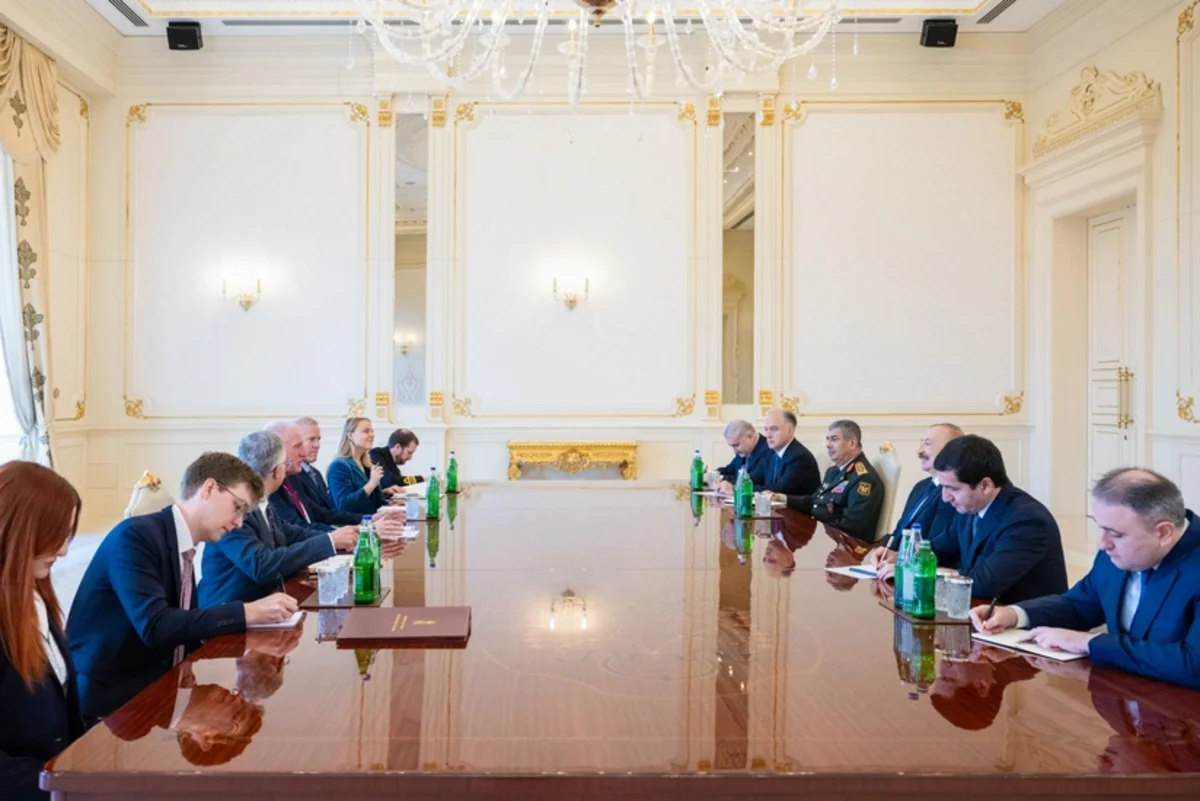
During meetings in Baku, the sides also discussed issues related to the Caspian Sea, including the protection of key national infrastructure. The development of maritime capabilities provides additional opportunities for bilateral cooperation.
Thus, in 2025, relations between Baku and London expanded through new areas of collaboration, and in 2026 the two sides are expected to continue strengthening them.
Azerbaijan–Iran: Positive momentum
In 2025, Baku and Tehran overcame the tensions that had existed since January 2023, following the attack on Azerbaijan's embassy in Iran. The current positive dynamic in relations has been shaped by the warm relationship between Azerbaijani President Ilham Aliyev and his Iranian counterpart, Masoud Pezeshkian. The Iranian president always emphasizes his Azerbaijani ethnicity and often cites the poetry of Azerbaijani poets. Strong political relations between the two leaders have enabled the launch of numerous economic projects, the implementation of which is expected to give a significant boost to bilateral ties.
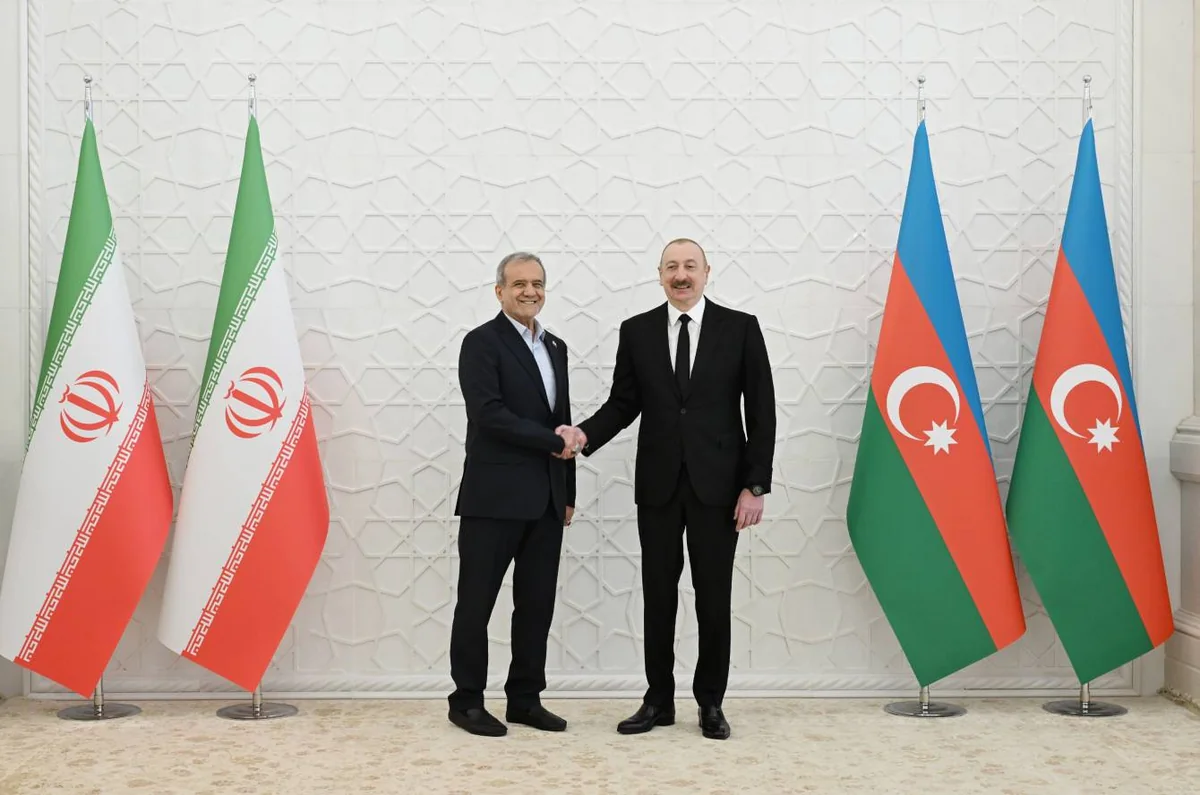
Thus, in 2025, Baku and Tehran succeeded in elevating their bilateral relationship to a new level. Not all forces within Iran are comfortable with such close ties with Azerbaijan. It is to be hoped that attempts by these groups to undermine relations will not succeed and that Tehran will continue to adopt a pragmatic approach in its dealings with Baku.
Conclusion
Analysing the above, it is clear that Azerbaijan achieved significant successes across the full spectrum of its foreign policy in 2025. Relations with two major global powers-the United States and China-reached the level of strategic partnership; attempts by certain countries to harm Azerbaijan's national interests were fully neutralized; relations were normalized with several countries with which tensions had existed in previous years; and ties with the Turkic world and Central Asia were strengthened.
Overall, the foreign policy pursued under President Ilham Aliyev in 2025 reinforced Azerbaijan's position as an independent and self-sufficient state, a full and equal participant in international relations. Azerbaijan has become a key partner for many countries, which can be considered the main achievement of the country's foreign policy in the outgoing year.
Report's Analytical Service