
 Baku 27° C
Colombia transitions to water basin-based urban planning model
- 20 May, 2026
- 17:40
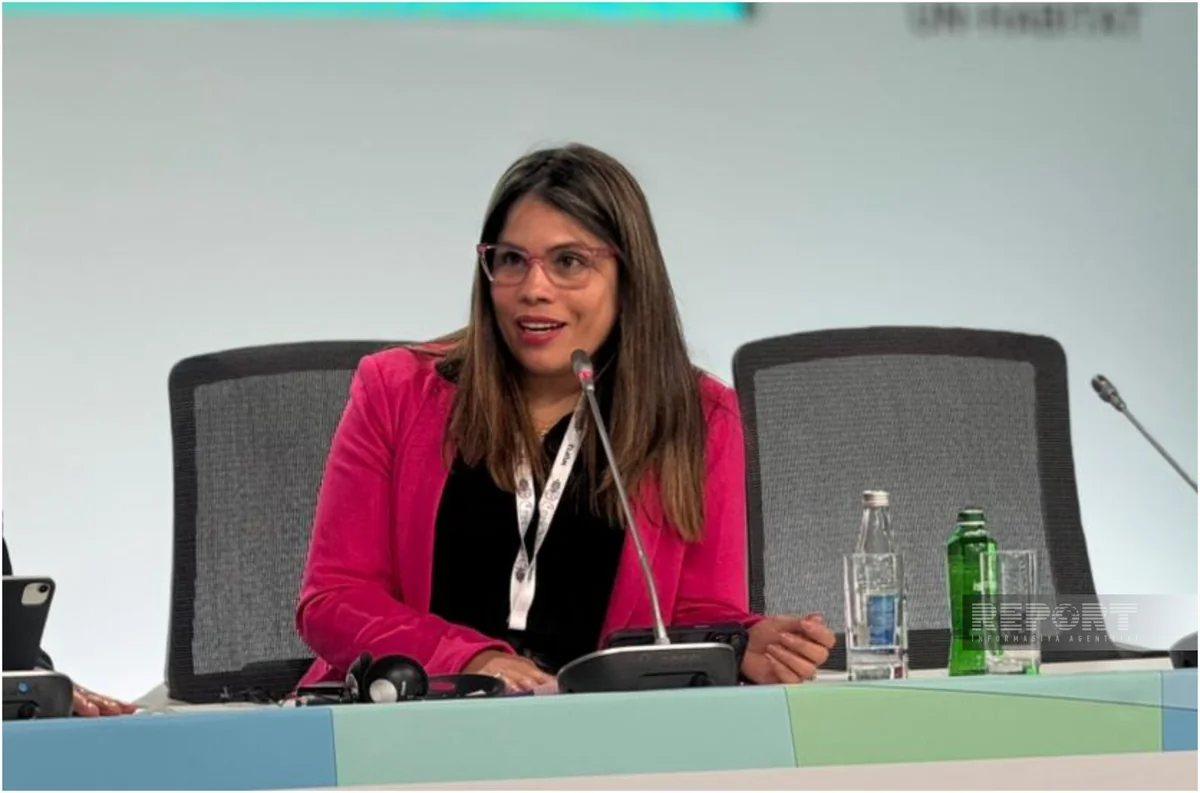
Colombia's new national development plan introduces an approach under which territorial planning should be built around water resources, Aydee Marsiglia Bello, Deputy Minister of Housing, Cities and Territories of Colombia, said during WUF13 in Baku.
According to the government representative, cited by Report, this means abandoning the traditional division of territories by administrative borders and shifting toward planning based on natural systems.
As an example, she referred to the Cauca River Basin, which stretches across several municipalities.
"The idea is to stop saying ‘this municipality starts here and ends there" and begin viewing the territory as a unified system," the deputy minister stated.
She noted that the boundaries of urban growth should be determined not by the scale of potential construction, but by the capacities of water catchment basins.
According to her, modern urban planning requires balancing the population's housing needs with the limitations of water resources, while water itself must become the central element of the entire planning system.
This implies a transition from planning based on square meters and administrative boundaries to a model centered on water basins and natural systems.
Author