Baku 23° C
Baku hosts first session of conference on media and decolonization
- 11 July, 2026
- 11:09
Stay up to date with the top news!
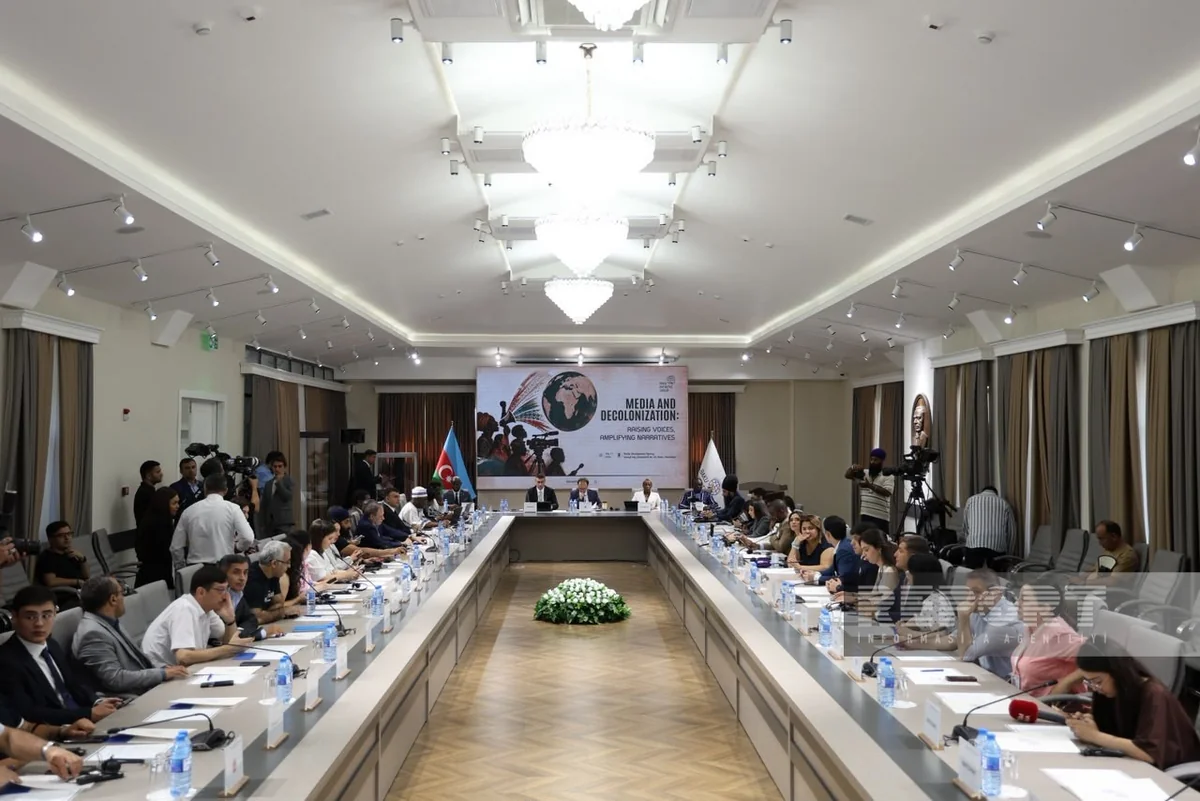
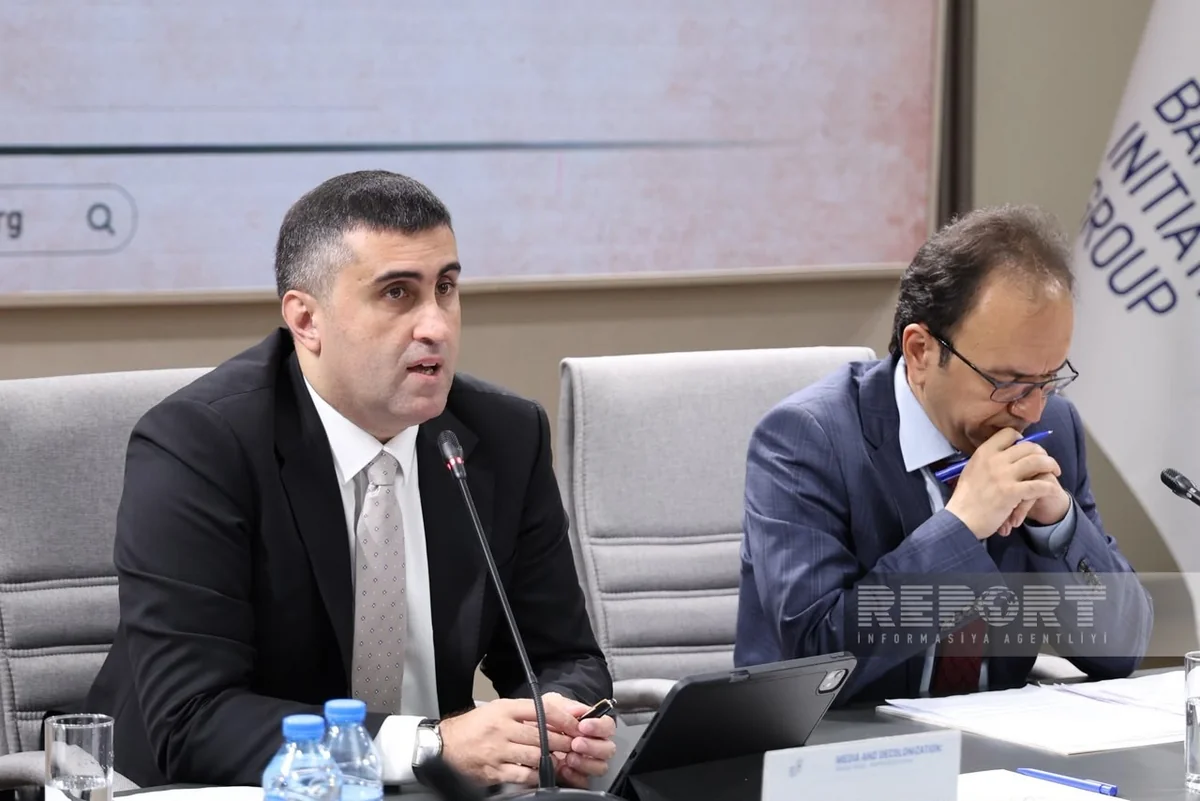
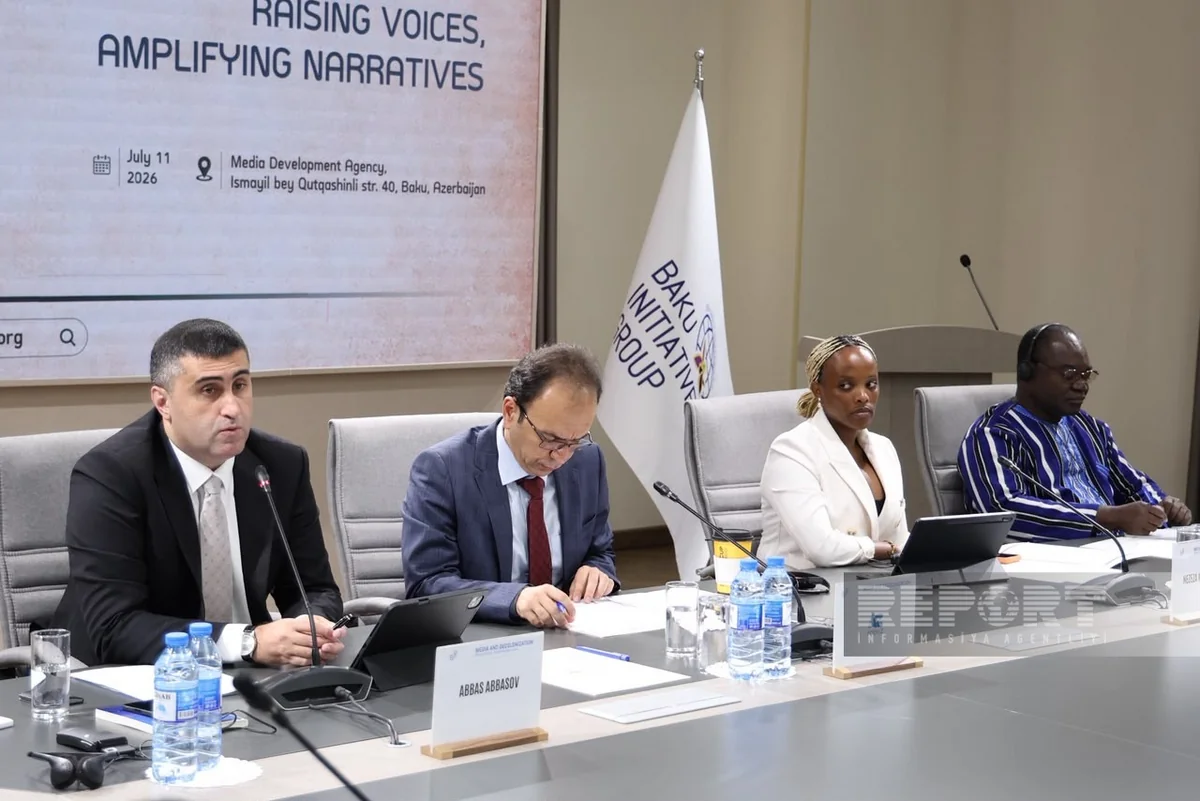
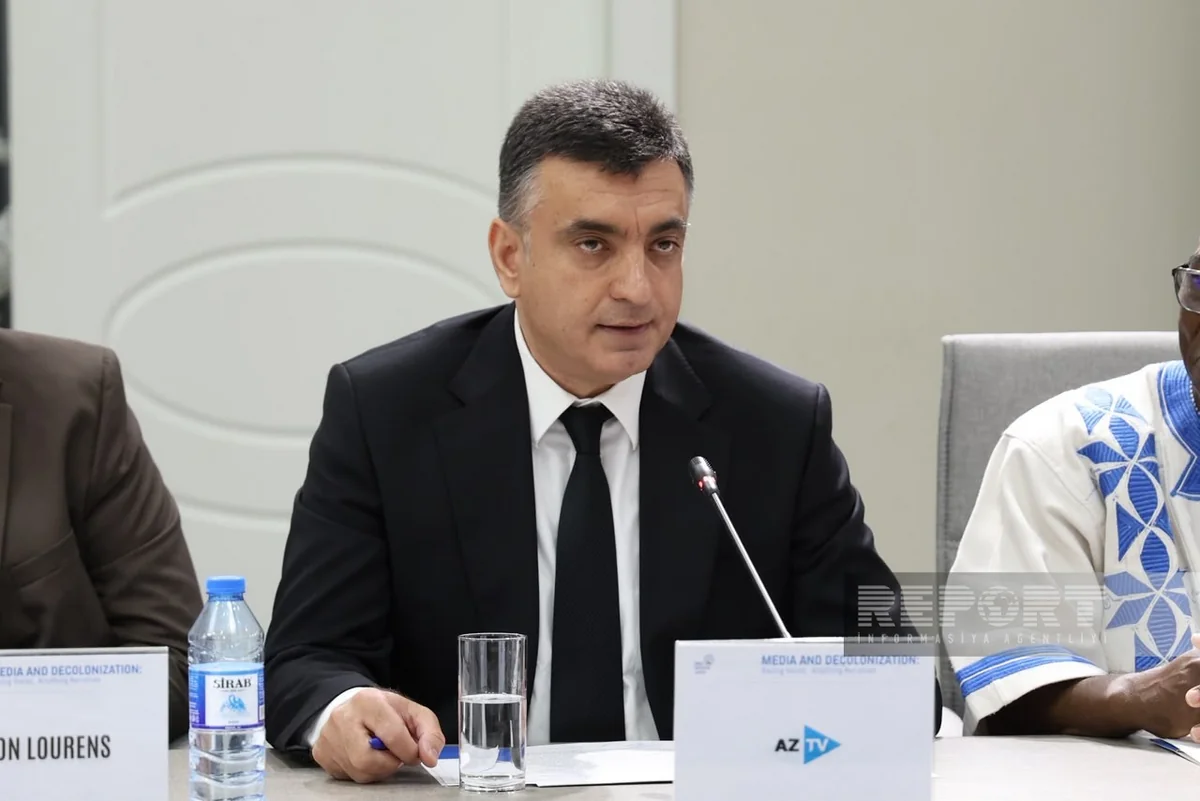
The first session of the international conference "Media and Decolonization: Raising Voices, Amplifying Narratives" has been held in Baku.
According to Report, the conference was organized by the Baku Initiative Group (BIG).
Chief representative of Voice of Congo (Democratic Republic of Congo) Cedrick Monzia Aundu stated that today decolonization concerns not only the liberation of territories, but also the liberation of consciousness, the information space, and public narratives.
According to him, media outlets can both reproduce colonial stereotypes and contribute to forming a fairer perception of peoples. He emphasized the importance of cooperation between journalists and digital influencers who, by combining professional journalistic standards with the capabilities of modern platforms, can effectively counter disinformation and promote objective information.
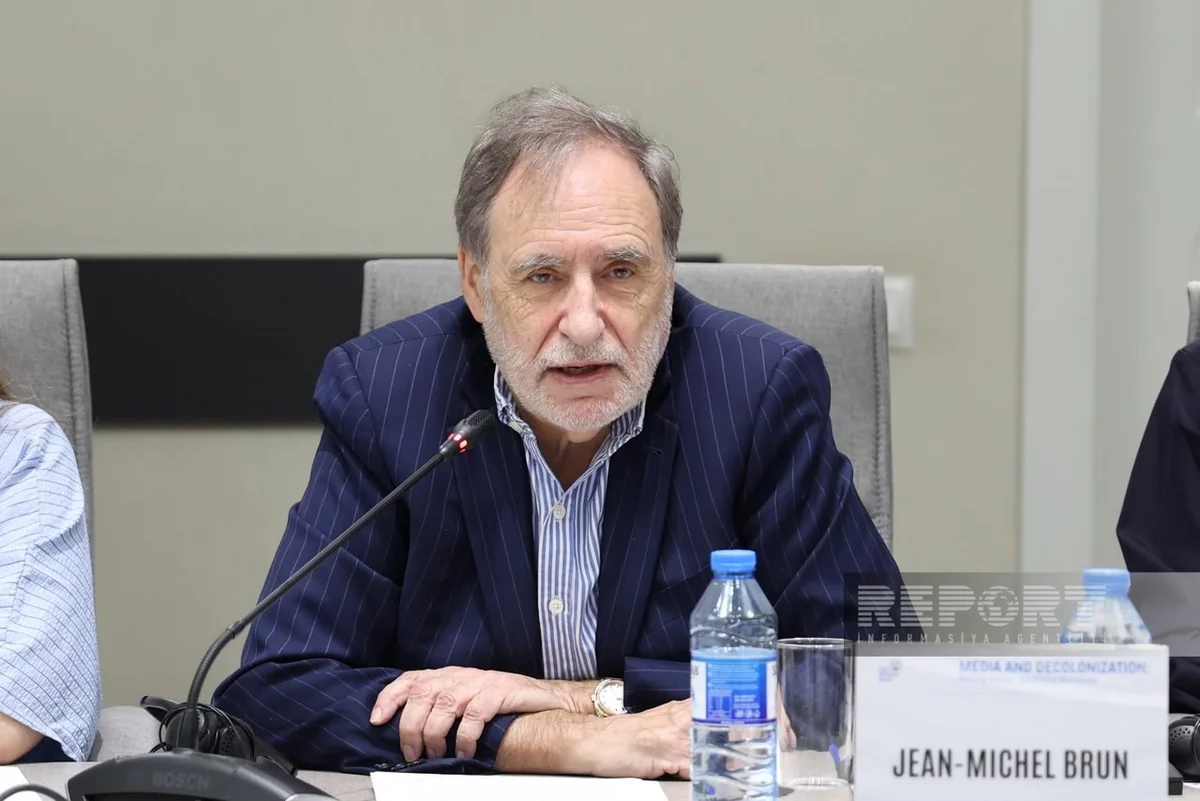
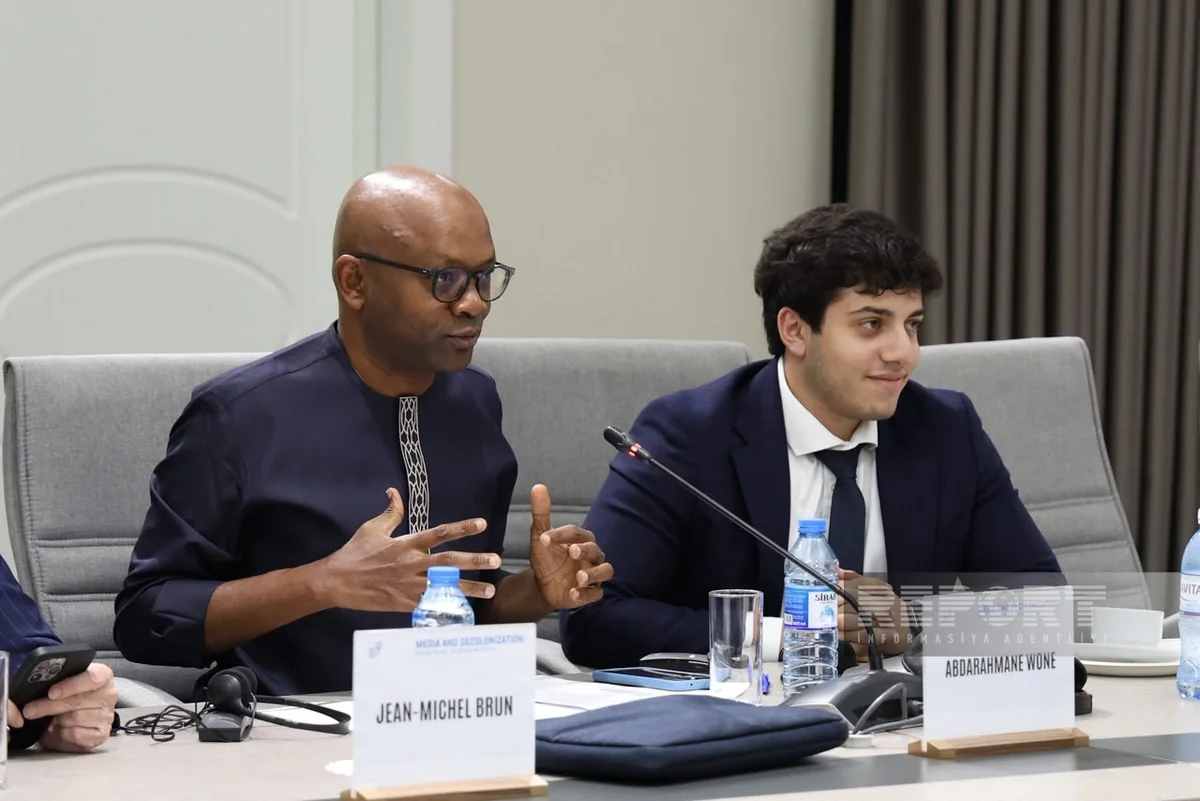
Founder of the Muslims of France news portal Jean-Michel Brun noted that during the colonial period, the French press often justified colonialism by creating the image of a "civilizing mission" while concealing facts of violence, discrimination, and exploitation.
According to him, modern media should provide a platform for peoples affected by colonialism, highlight issues of social inequality, and contribute to a reassessment of the colonial past. He also stressed the need to develop independent media free from political and economic influence.
Secretary of the One Saint Martin Association, former government adviser, journalist, and television presenter Alston Lawrence stated that decolonization is not only a political but also a communication process.
He noted that media play an important role in shaping public perception, while the absence of alternative viewpoints limits the opportunity to discuss different models of the future. According to him, independent media create a space for open dialogue on self-determination, national identity, and constitutional development.
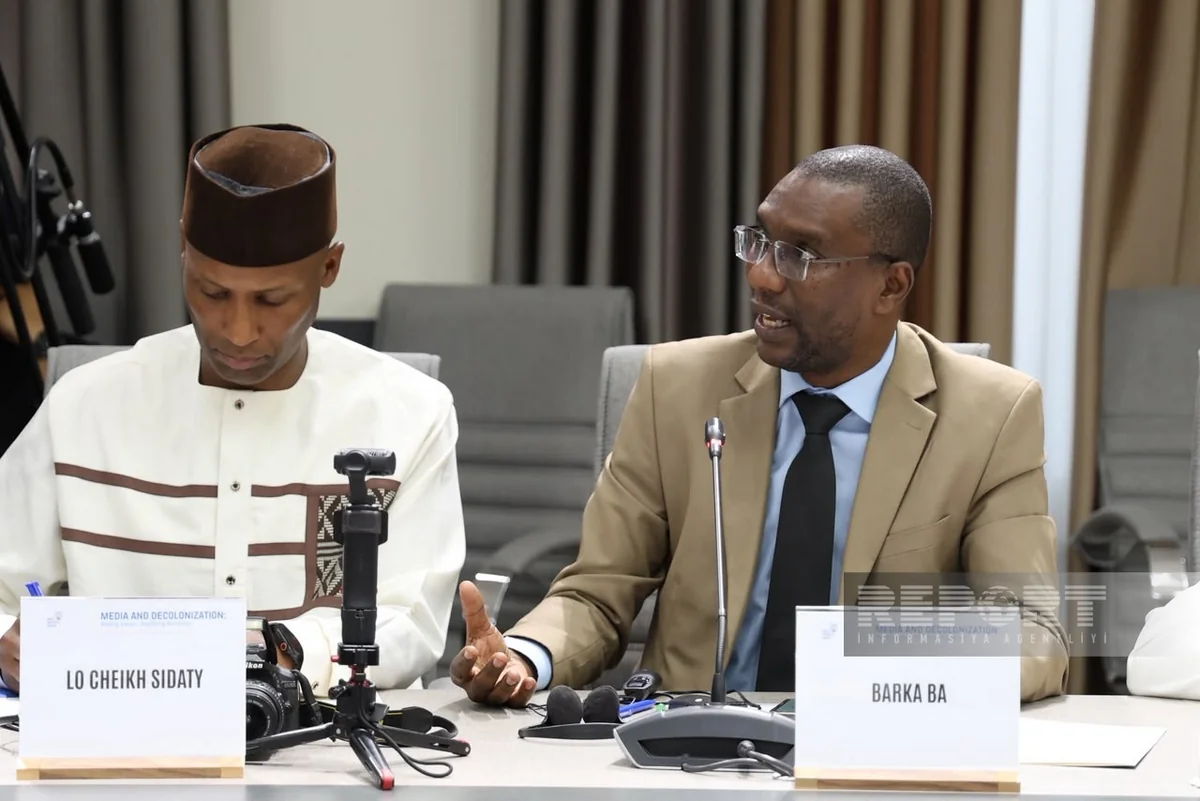
Senegalese journalist Barka Ba drew attention to the economic consequences of negative stereotypes about Africa in international media. According to him, one-sided coverage of events on the continent affects not only its image but also its investment appeal and the cost of borrowing for African countries.
He stressed that political decolonization cannot be considered complete until the informational and mental consequences of colonial legacy are eliminated and African states gain the ability to independently shape their own narratives in the global information arena.
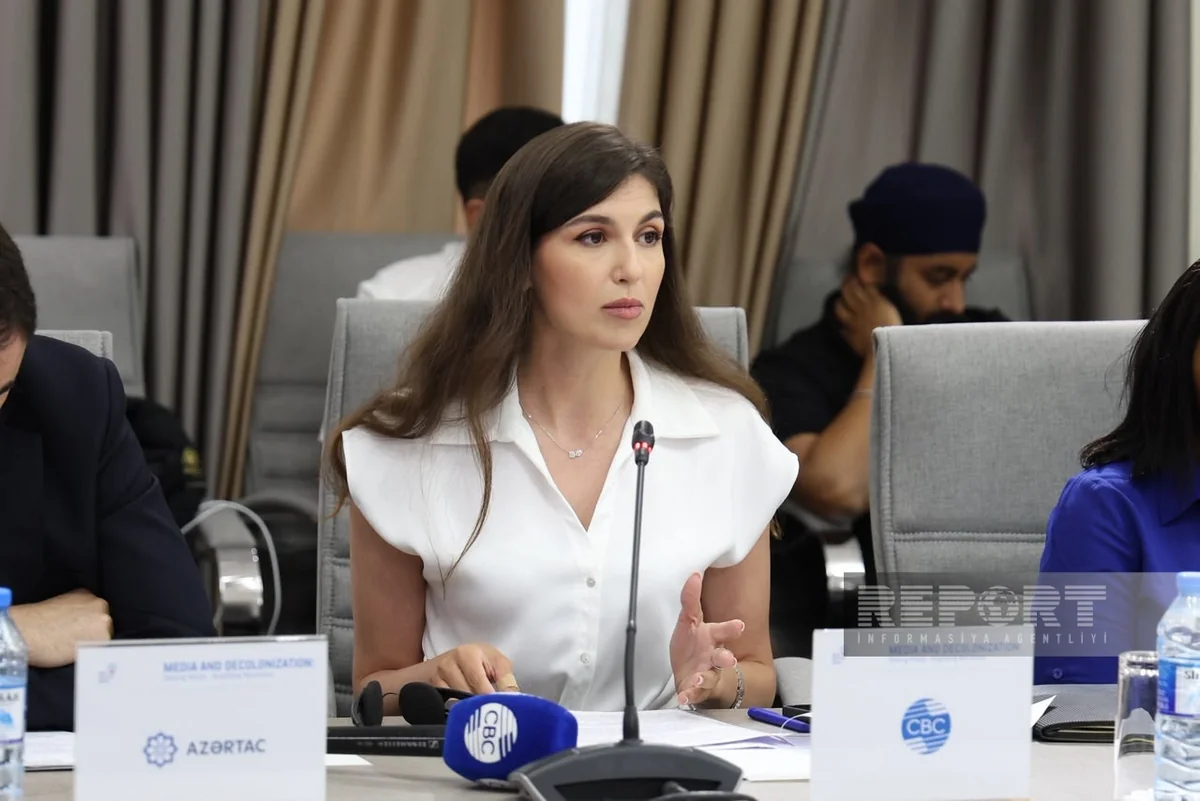
CBC TV representative Elmira Musazadeh noted that media have historically played a key role both in shaping colonial perceptions and in overcoming them. According to her, during the colonial period, the seizure of territories was often presented as a "civilizing mission," while local peoples were portrayed as incapable of self-governance.
"Colonized societies were deprived of a voice in the eyes of the world. Their languages, traditions, and history were ignored, which led to a deep identity crisis," Musazadeh emphasized.
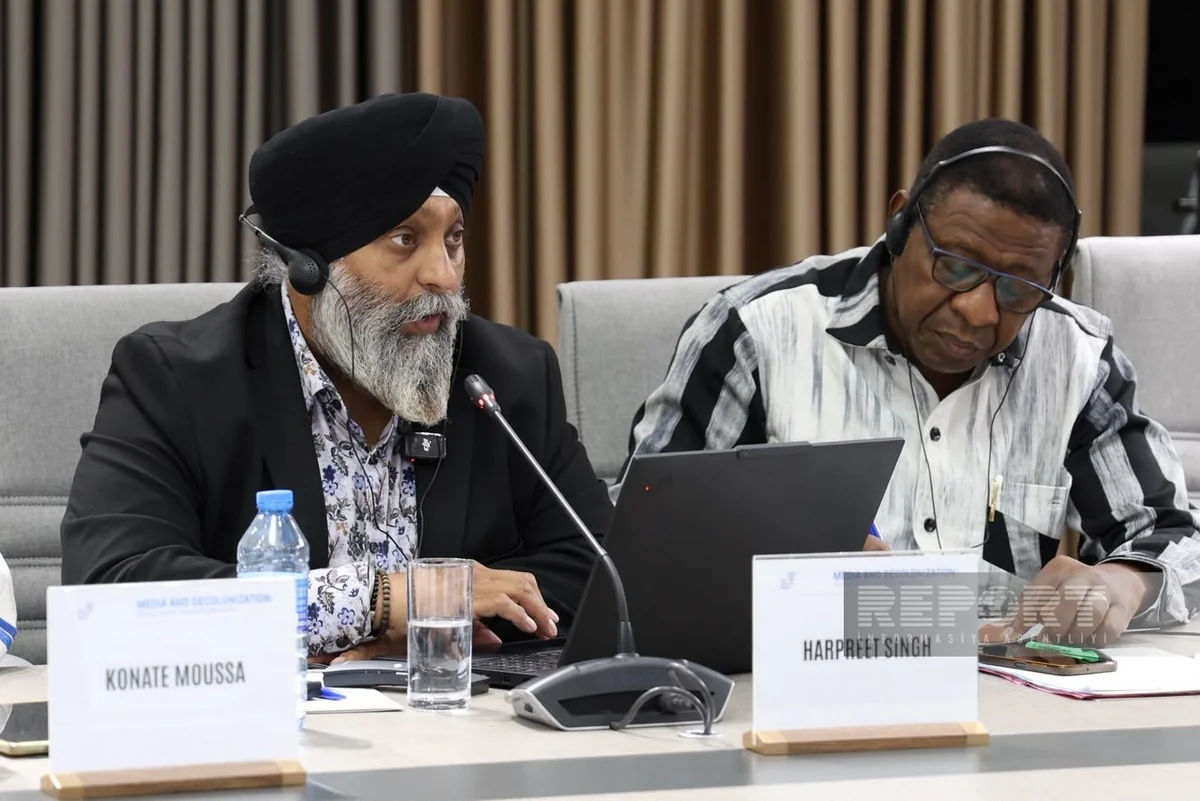
International political affairs correspondent for Panjab TV Harpreet Singh noted that decolonization concerns not only the transfer of political power but also the elimination of systems that continue to influence the information space and determine which voices receive attention.
"Decolonization is the restoration of the right of communities to tell their own stories, preserve their memory, and express their positions without fear of pressure, censorship, or violence," he said.

Author

Photo