
 Baku 18° C
Azerbaijan organizes panel at UN on promoting intercultural dialogue
- 05 February, 2026
- 09:25

Stay up to date with the top news!
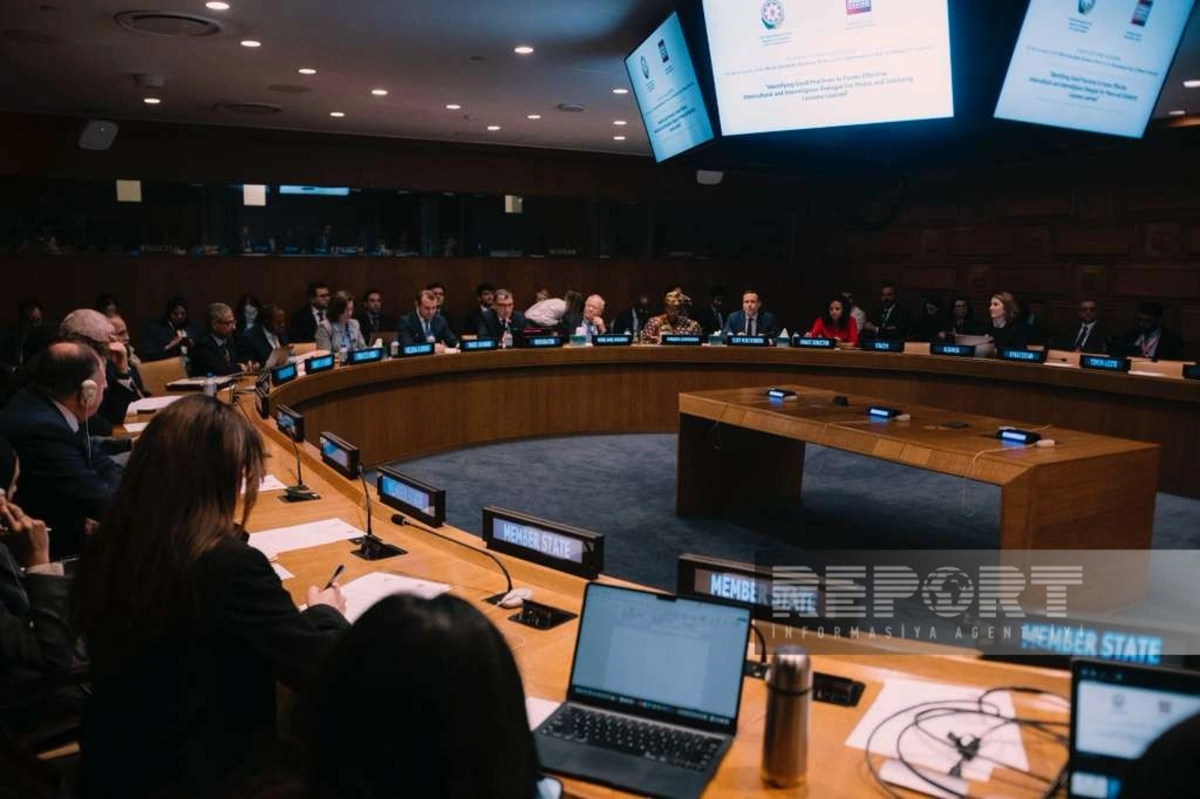
Azerbaijan's Permanent Mission to the United Nations, together with the Human Rights Centre of the University of Essex and with the support of the Azerbaijani Ministry of Culture, organised a high-level panel discussion on the theme "Identifying Good Practices to Foster Effective Intercultural and Interreligious Dialogue for Peace and Solidarity: Lessons Learned" on February 4, 2026, at the United Nations Headquarters in New York, Report informs.
According to a statement by the mission, the event marked the World Interfaith Harmony Week and the International Day of Human Fraternity, established by General Assembly resolutions 65/5 of October 20, 2010 and 75/200 of December 21, 2020, respectively, engaging more than 100 participants, including high-level representatives from Member States, United Nations system institutions, academia and non-governmental organisations, and offering an opportunity to advance discussions aimed at fostering unity, solidarity and cohesion among different cultures and religions.
Ambassador Tofig Musayev, Azerbaijan's Permanent Representative to the United Nations, moderating the discussion, underscored Azerbaijan's resolve to continue its efforts towards promoting intercultural and interreligious dialogue and strengthening international cooperation to that effect.
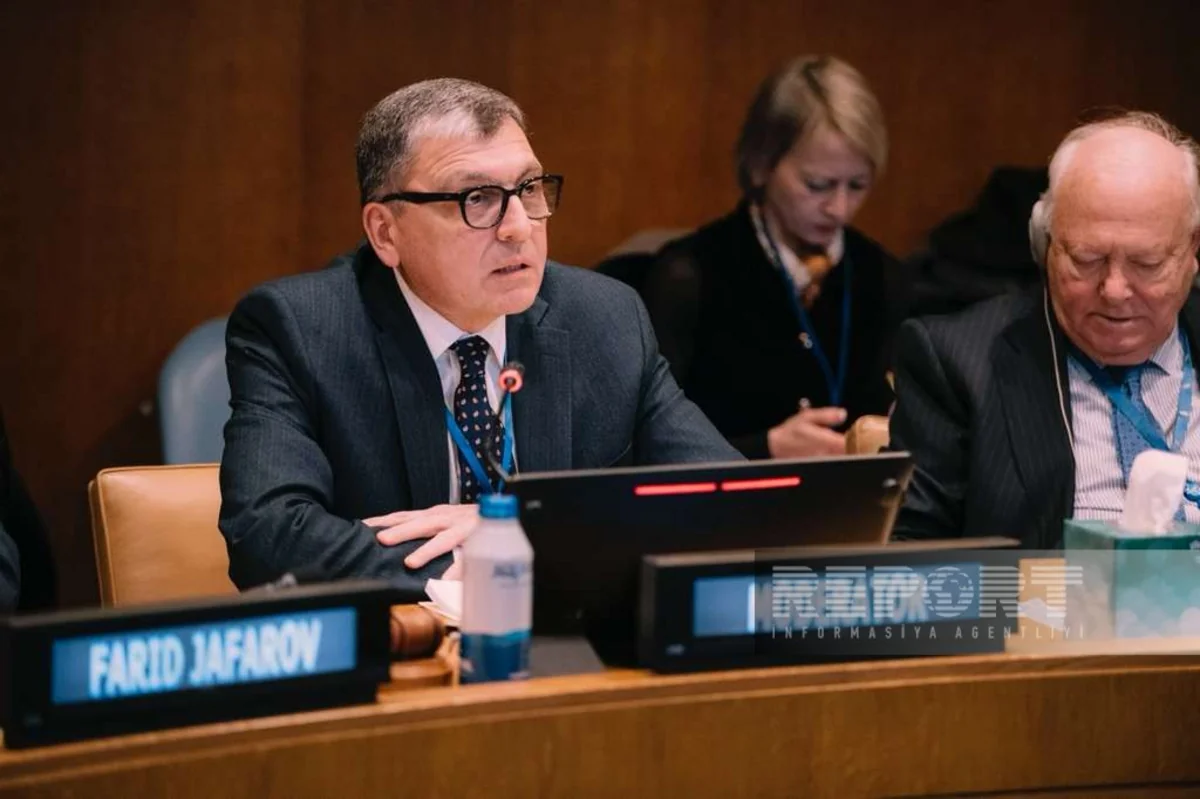
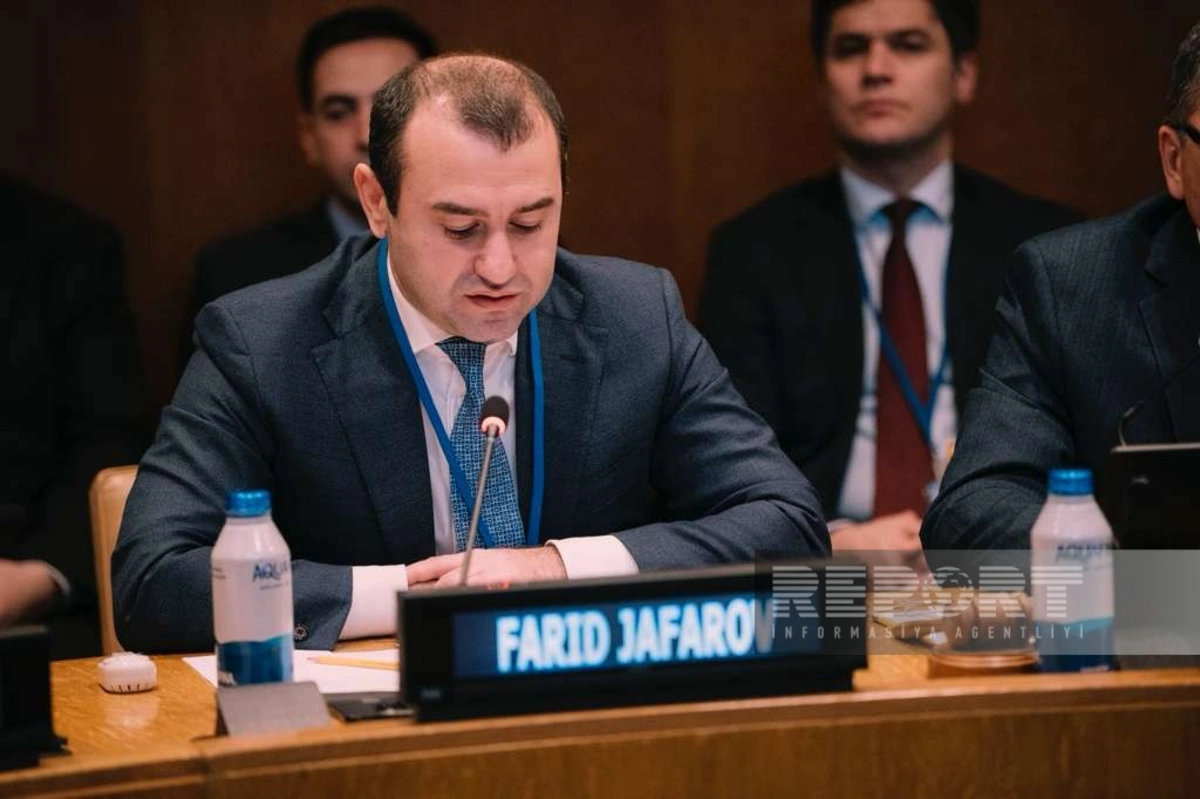
The discussion commenced with the opening remarks by Farid Jafarov, Deputy Minister of Culture of the Republic of Azerbaijan, who briefed on the measures undertaken by the Government to promote intercultural and interreligious dialogue at the national and international levels and on the preparation for the 7th World Forum on Intercultural Dialogue, as part of the Baku Process.
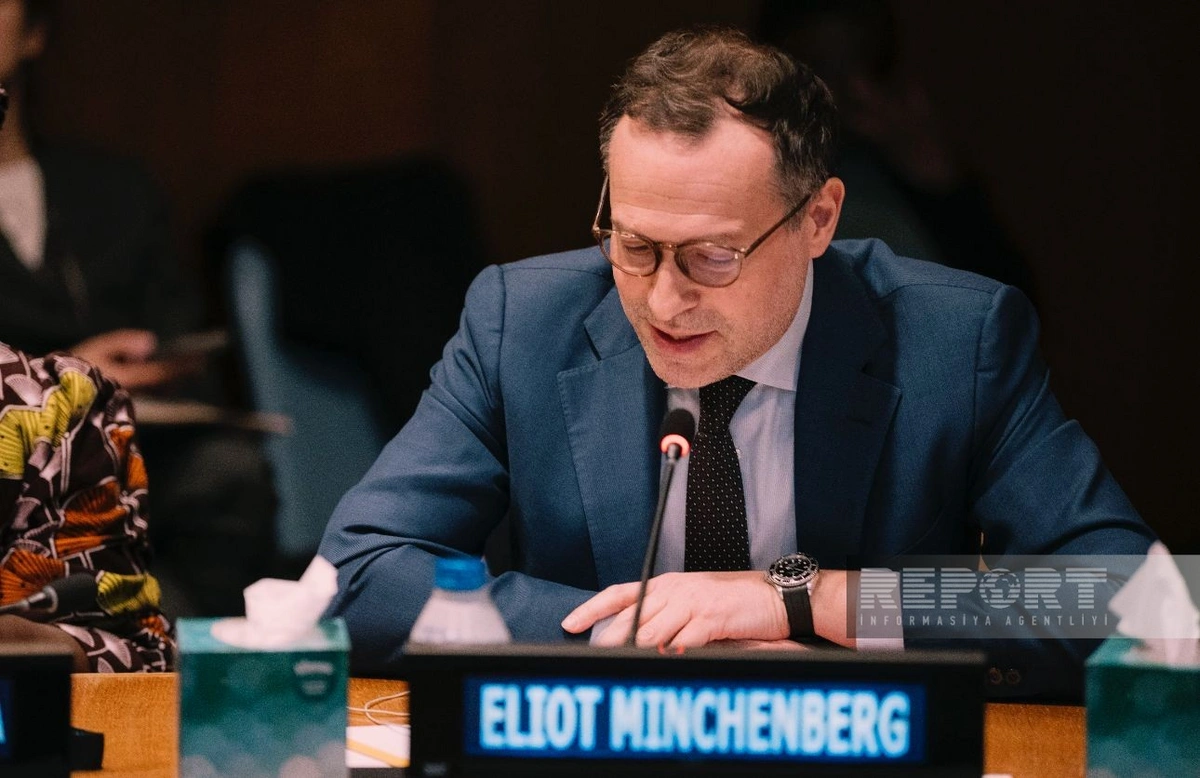
The high-level speakers, Miguel Angel Moratinos, Under-Secretary-General, High Representative for the United Nations Alliance of Civilisations and United Nations Special Envoy to Combat Islamophobia, Melissa Fleming, Under-Secretary-General for Global Communications, Nyaradzayi Gumbonzvanda, Assistant Secretary-General and UN Women Deputy Executive Director for Normative Support, UN System Coordination and Programme Results, and Eliot Minchenberg, Director of the Office and UNESCO Representative to the United Nations in New York, stressed the importance of enhanced international cooperation and outlined activities undertaken to build bridges and break barriers.
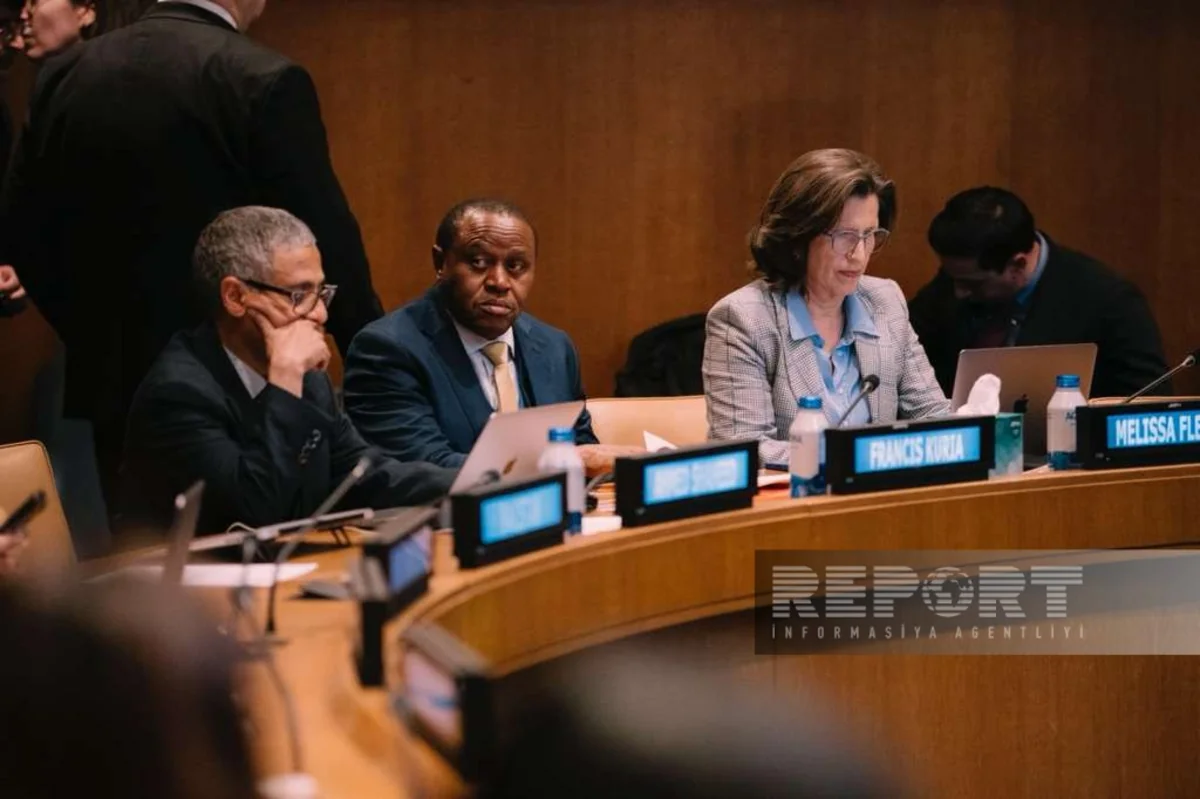
As the co-organiser of the event, Ahmed Shaheed, Professor of International Human Rights Law in the School of Law and the Human Rights Center at the University of Essex, provided information on the role of academic institutions, particularly in developing comprehensive and targeted approaches. In addition, Francis Kuria, Secretary General of the Religions for Peace International, emphasized the importance of civil society engagement and shared principles in achieving effective collaboration among different stakeholders.
Following the panel discussion, representatives from Member States shared their perspectives, highlighting the efforts to promote mutual understanding at both the national and global levels.
The senior officials of the United Nations and representatives of Member States participating in the event highly appreciated the leadership and efforts of Azerbaijan in pursuing an effective dialogue and understanding across different cultures and religions.





Author