 Baku 19° C
Stella Renita: EIB building new portfolio of strategic projects in Azerbaijan – INTERVIEW
- 05 October, 2026
- 12:06
Stay up to date with the top news!
Deepening cooperation between Azerbaijan and the EU creates favorable conditions for attracting long-term investment into strategically important sectors of the national economy. Against the backdrop of comprehensive reforms and a commitment to sustainable development, cooperation with major European financial institutions - including the European Investment Bank (EIB) - is becoming increasingly important.
Through its specialized arm, EIB Global, the bank supports public and private sector projects outside the EU, helping to achieve strategic objectives and drive the green transition. The EIB's priority areas in Azerbaijan include initiatives in renewable energy, energy efficiency, green transport, regional connectivity, water and environmental infrastructure, digital transformation, and expanding access to finance for small and medium-sized enterprises (SMEs).
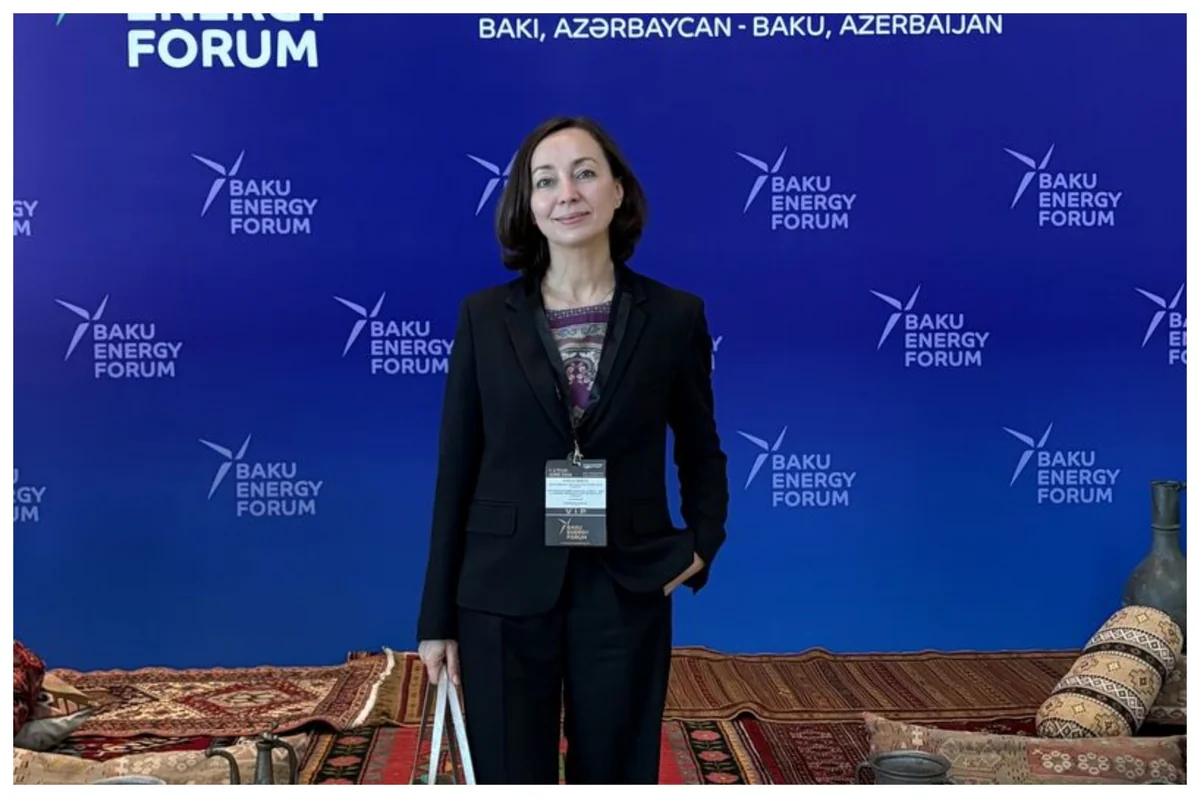
Stella Renita, Head of the EIB Group Representation for the South Caucasus, discusses the EIB's assessment of the EU's Economic and Investment Plan, priority projects slated for support in the near future, and financing opportunities for upgrading transport infrastructure, the renewable energy sector, and the Baku Metro in this exclusive interview.
Report presents the interview:
- How does the European Investment Bank assess progress in implementing the EU Economic and Investment Plan in Azerbaijan? Which areas and projects will be priorities over the next two to three years?
- The EIB is ready to support implementation of the EU Economic and Investment Plan in Azerbaijan through financing and advisory support. Over the next two to three years, we see potential in renewable energy and energy efficiency, sustainable urban and regional transport, strategic connectivity, water and environmental infrastructure, digitalisation, and access to finance for small and medium-sized enterprises.
We will work closely with the EU Delegation and other partners to identify mature, viable projects. The EU's Connectivity for Peace package includes up to EUR 200 million in grant funding for transport, energy and digital links across the South Caucasus, with the potential to mobilise up to EUR 2 billion in public and private investment. Where appropriate, EU grants and technical assistance can complement EIB loans and help projects reach investment readiness. The EIB is preparing an origination mission to Azerbaijan to explore concrete opportunities.
- What is the current volume of EIB financing in Azerbaijan, and what new operations does the Bank plan to approve in the coming years? Given the deepening relationship between Azerbaijan and the European Union, can we expect the EIB to expand its presence in the country?
- The EIB has worked with partners in Azerbaijan since 2013, and we see opportunities to deepen that cooperation as the country develops its investment priorities.
Our next step is to identify and develop a pipeline of viable public and private investments with the Azerbaijani authorities, the EU Delegation and other partners. The planned origination mission will support this work. It is too early to announce specific operations, approval amounts, or dates before projects have been prepared, appraised and approved. There is clear scope to deepen our engagement, but its scale will depend on the quality and maturity of the proposals and their alignment with the EIB's mandate and standards.
- As a demand-driven institution, which new initiatives or government proposals from Azerbaijan is the EIB currently discussing or evaluating?
- The EIB responds to credible proposals from public authorities, state-owned enterprises, financial intermediaries and private-sector promoters. The planned origination mission will allow us to discuss potential investments across eligible sectors and identify projects that could benefit from EIB financing, EU grants or EU-funded technical assistance.
At this stage, we cannot disclose a list of operations under discussion. Individual projects are normally made public only when they are sufficiently mature and have entered the EIB's formal appraisal and approval process.
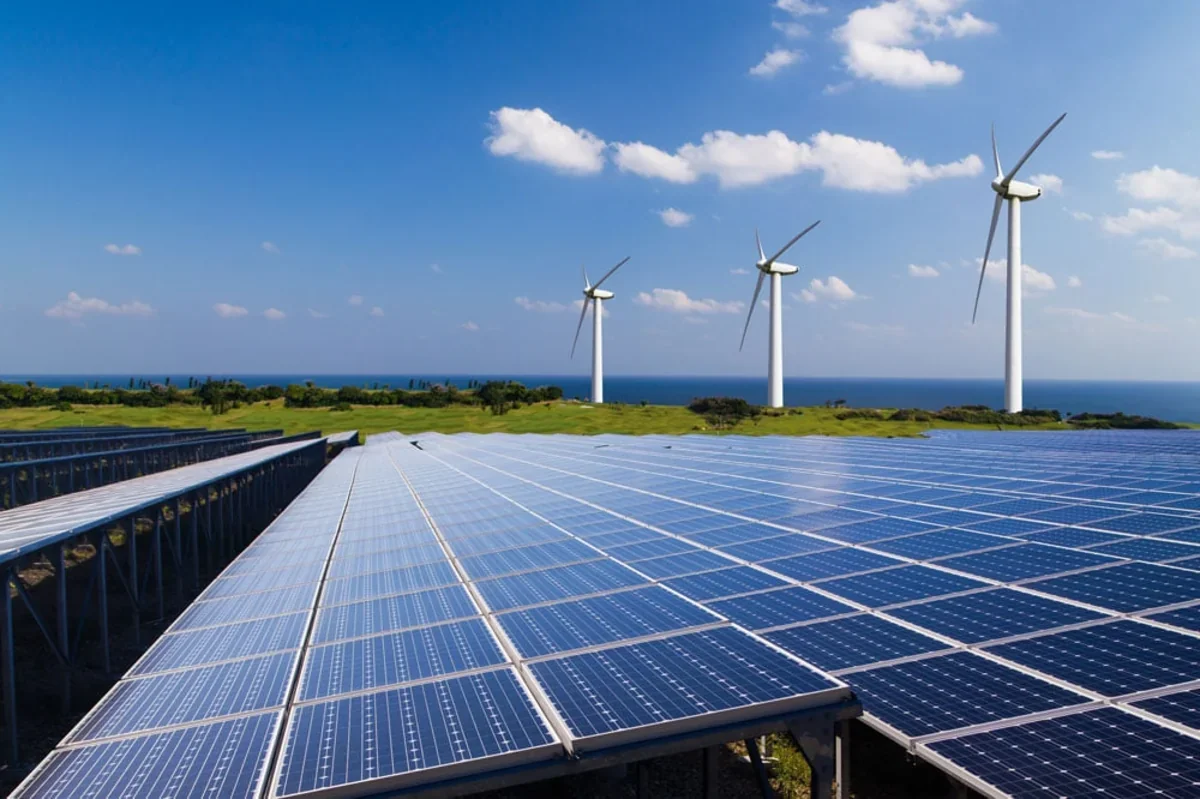
- Following COP29 in Baku, does the EIB plan to increase financing for renewable energy in Azerbaijan, including solar and wind projects and green corridors such as the proposed Black Sea submarine electricity cable? Will the Bank broaden its support for energy efficiency and other low-carbon infrastructure?
- Climate action and environmental sustainability are central to the EIB's mandate. In Azerbaijan, we can consider solar and wind power, energy efficiency, electricity grids, storage, sustainable transport and other low-carbon infrastructure, provided the projects are technically and financially viable, aligned with the Paris Agreement and consistent with EU policy objectives.
We can also assess regional green-connectivity projects, including proposals related to the Black Sea green-energy corridor, once they have a clear structure, sound feasibility work and satisfactory environmental and social assessments. EU grants and technical assistance may help prepare eligible projects and complement EIB financing. All financing decisions would be taken case by case following the EIB's due diligence.
- What are the EIB's plans to support further modernisation of Azerbaijan's transport infrastructure following the completion of technical assistance to improve railway safety and reliability?
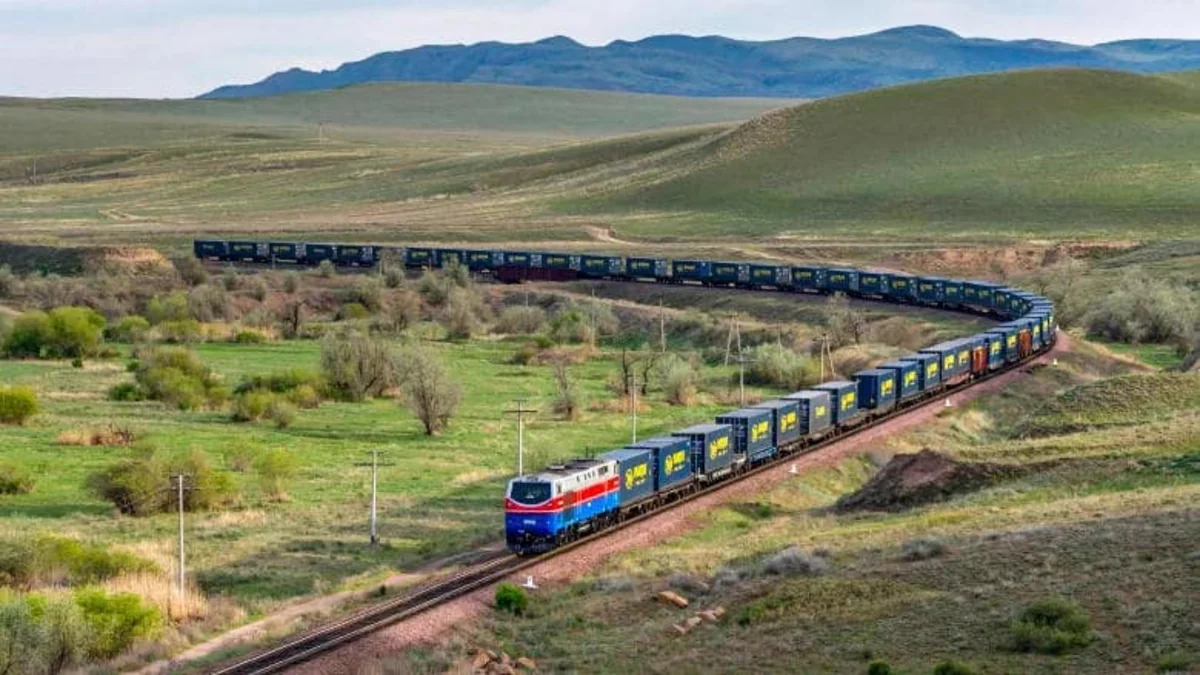
- The EIB completed a ten-month, EU-funded advisory assignment to improve safety and reliability on the Baku-Boyuk Kesik railway line. This 503-kilometer route links Baku and the Port of Baku with the Georgian rail network and onward connections to the Black Sea. It forms part of Azerbaijan's core Trans-European Transport Network and is an important freight link along the Middle Corridor.
The assignment focused on safety at existing level crossings and produced recommendations to improve operational safety while reducing travel times, costs and greenhouse gas emissions. We would be pleased to consider further support for sustainable transport and strategic connectivity, including rail, urban transport and related infrastructure, as suitable proposals are developed. The planned mission will provide an opportunity to discuss these needs and identify projects that may benefit from technical assistance or financing.
- The EIB has been reported as considering financing of up to 50% of a EUR 2.5 billion to EUR 3 billion program to modernize the Baku Metro. What stage has the Bank's preliminary assessment reached?
- The Baku Metro modernisation and expansion program remains at the project-preparation and appraisal stage. The EIB has mobilized technical assistance to support preparation of the program and align the planned expansion and upgrades with international environmental and social standards.
The EIB has not approved any financing amount or share. A potential operation could be considered only after the appraisal is complete and the necessary approvals have been obtained.
- How would the proposed framework loan for major sub-projects, including extensions of the purple and green lines and the renewal of rolling stock, be structured? When is a specialised Project Implementation Unit expected to be established with the Ministry of Digital Development and Transport?
- A framework loan could, in principle, support eligible components of a phased investment programme, including line extensions and rolling-stock renewal. Its scope, terms and the allocation of financing among individual components would be determined through the EIB's appraisal and approval process.
The institutional arrangements, including the structure and timing of any specialised Project Implementation Unit, are still under discussion with the Ministry of Digital Development and Transport. No establishment date can be confirmed at this stage. Further details can be shared once the appraisal and institutional arrangements are more advanced.
Author