
 Baku 21° C
Nikolai Podguzov: EDB assessing funding prospects for North-South, Middle Corridors - INTERVIEW
- 29 June, 2026
- 12:02
Stay up to date with the top news!
The modern architecture of Eurasian integration is crystallizing ever more clearly at the intersection of global transport routes and the large-scale green transition. At a time when the Middle Corridor and the North-South route are becoming the main arteries of continental trade, Azerbaijan is consolidating its status as a key sovereign hub capable of linking the infrastructure and energy ecosystems of the Caspian region and Central Asia. The synchronization of logistics chains, the elimination of infrastructure bottlenecks, the creation of seamless digital platforms, and the diversification of renewable energy are becoming the foundation for long-term economic sustainability of the macro-region.
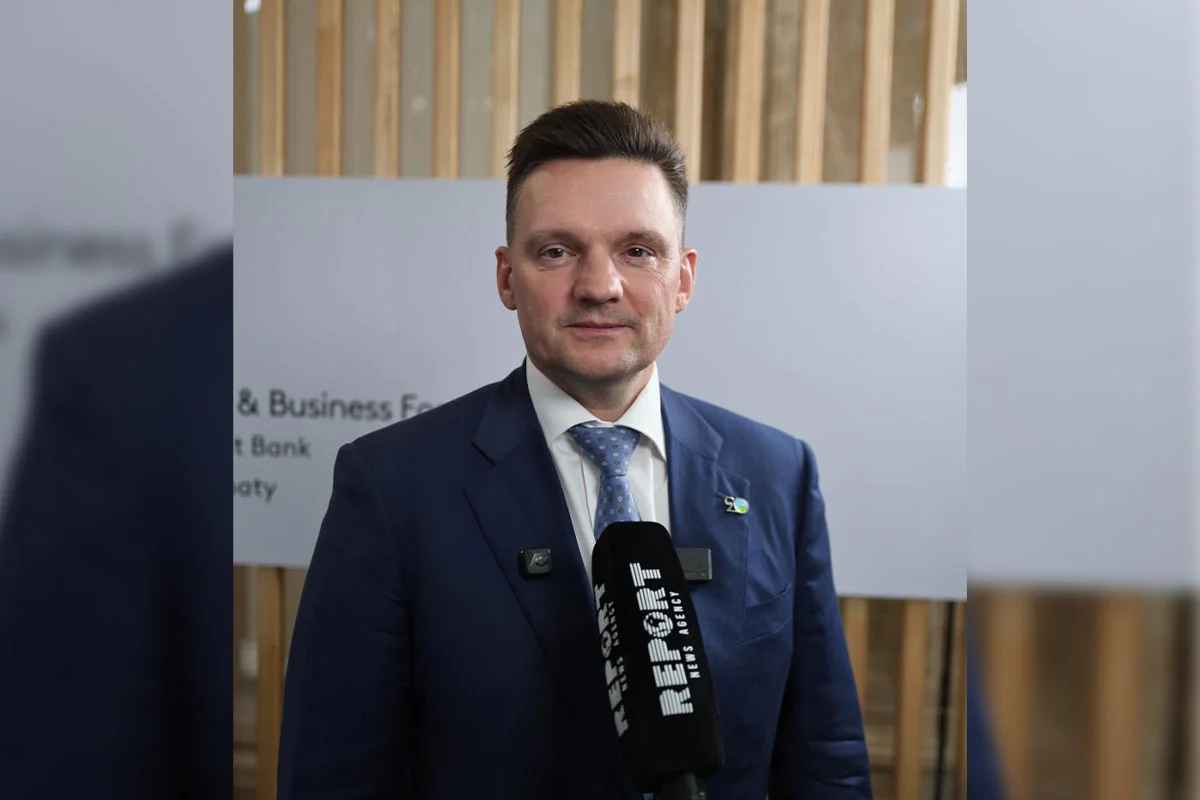
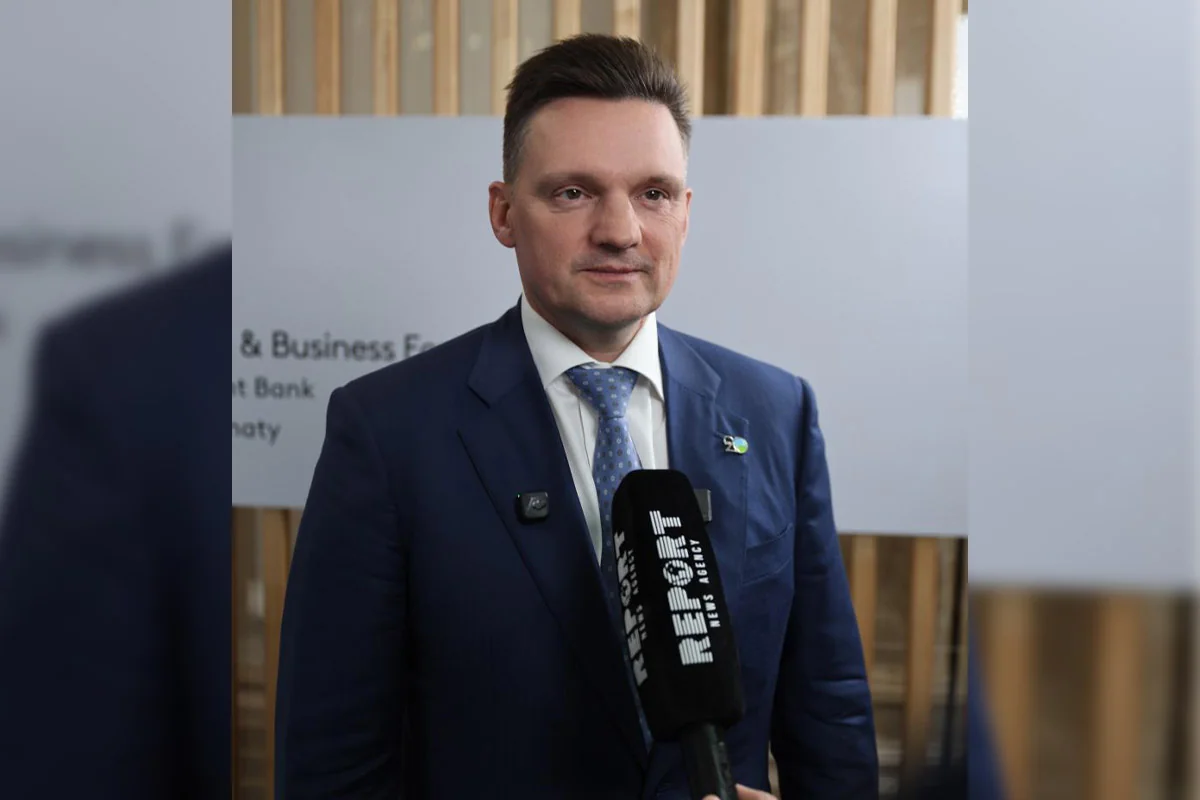
In an exclusive interview with Report, Chairman of the Management Board of the Eurasian Development Bank (EDB) Nikolai Podguzov discussed the prospects for Azerbaijan's possible accession to the EDB, co-financing of ports and land corridors, investments in digital logistics and green energy.
Report presents the interview:
- Nikolai Radievich, during our conversation last year, you mentioned that substantive negotiations were underway between the bank and Baku regarding Azerbaijan's possible accession to the Eurasian Development Bank. At the time, you expressed the expectation that this may take place during 2026. What is the current status of these negotiations? Have the parties managed to make progress in agreeing on the terms, and will Azerbaijan become a member of the bank by the end of this year?
- We highly value last year's visit to Baku, which provided an opportunity to strengthen mutual understanding on the issues of Azerbaijan's potential participation in the Bank's capital. The EDB maintains an ongoing dialogue with representatives of Azerbaijan's government structures and business community.
We note significant interest in this cooperation, including attention from the media. A visit is planned for the second half of 2026 to continue the negotiation process. During the upcoming meeting, the practical aspects of this issue are expected to be discussed. At the same time, we understand that the final decision and its timeline are determined by the Azerbaijani side, and we are prepared to act exclusively at a pace convenient for them.
- If the legal procedures take a certain amount of time, are negotiations currently underway on specific pilot projects in Azerbaijan that the EDB could finance even before the official accession process is completed?
- We are counting on productive cooperation with Azerbaijani partners in order to develop investment priorities based on the strategic guidelines of the national program "Azerbaijan 2030." The Bank is prepared to deploy its full arsenal of available support instruments for the implementation of promising sectoral initiatives that will be identified jointly with the government of Azerbaijan.
- Among the EDB's key priorities is the creation of the Eurasian Transport Framework. What role, in the bank's assessment, does Azerbaijan play as a strategic node at the intersection of the North-South corridor and the Trans-Caspian International Transport Route (Middle Corridor)? Is the EDB considering opportunities for joint financing of infrastructure facilities - ports and railway lines in the Caspian region - with the aim of eliminating bottlenecks on these routes?
- The Bank continuously analyzes Azerbaijan's significance within the system of key transport corridors. Among the main analytical publications, one can highlight the "Eurasian Transport Framework," the "Eurasian Transport Framework Observatory," as well as the specialized study "International North-South Transport Corridor."
According to the EDB Observatory data, in the period up to 2035, Azerbaijan intends to allocate over $2 billion for the modernization and expansion of the North-South and Middle Corridor infrastructure. The EDB's forecast regarding financing prospects is assessed as positive. A steady increase in freight traffic volumes through Azerbaijan's territory is anticipated, which will contribute to growing interest in joint project financing with the participation of regional partners.
- The EDB has repeatedly pointed to the deficit of warehouse and distribution capacities in the region. Is the bank studying the prospects of participating in the construction of large transport and logistics centers (TLCs) and dry ports capable of integrating the infrastructure of Azerbaijan and EDB member states?
- Yes, the EDB sees significant potential for capital investments in the region's transport and warehouse logistics. The presence in the South Caucasus holds strategic importance precisely due to the intersection of key transport corridors, which generates sustained demand for the Bank's participation in logistics and transport infrastructure projects.
- The green agenda remains one of the foundational elements of the EDB's strategy. Azerbaijan is actively working on creating green energy corridors oriented toward export. How do you assess the prospects for cross-border cooperation in the field of renewable energy sources and grid infrastructure modernization between Azerbaijan and EDB member states? Could the bank participate in such large-scale energy initiatives?
- The EDB sees substantial potential for cooperation with Azerbaijan in the sphere of renewable energy projects, grid infrastructure renewal, and cross-border energy infrastructure development. The Bank expresses its readiness to consider such initiatives and facilitate their elaboration, structuring, and financial support. In addition, Azerbaijan has stated its intention to reduce emissions by 40% by 2050 relative to 1990 levels, subject to the attraction of international financial support. Thus, the interest is mutual in nature.
The green agenda serves as one of the priority areas of the EADB's strategy, and since 2018, the cumulative portfolio of green projects has increased nearly threefold, surpassing the 2 billion dollar mark, with approximately 50% accounted for by projects in the renewable energy sector.
Renewable energy projects contribute to emissions reduction and the advancement of clean energy technologies; however, the emphasis is increasingly shifting toward comprehensive energy system development: enhancing energy sufficiency, strengthening resilience, and implementing digital management.
According to EDB estimates, the demand for electricity in Central Asia will increase by 27% by 2030, which necessitates the parallel development of renewable energy sources and grid infrastructure.
The Bank's strategy is built on the principle of balance between low-carbon generation and ensuring the reliability of energy supply. Such a "middle path" is capable of reducing the need for capital investments by up to 40% by 2035.
- The EDB has a Fund for Digital Initiatives operating within its structure. In parallel, Azerbaijan is actively implementing large-scale projects for the introduction of Smart City and Smart Village technologies, as well as establishing data centers. Does the Bank have an interest in technological cooperation in this area to ensure seamless integration of our countries' digital platforms?
- Yes, at the preliminary stage, the EDB assesses significant potential in the sphere of data center construction on the territory of Azerbaijan.
In addition, the Fund for Digital Initiatives is actively working to support cross-country digital solutions in the field of regional logistics. In particular, this concerns the implementation of the e-TIR system and electronic consignment notes, the use of which makes it possible to reduce border crossing times between Uzbekistan, Kazakhstan, and Azerbaijan by up to four days.
Author