
 Baku 22° C
Erich Arispe Morales: Policy flexibility, non-oil growth - key to strengthening Azerbaijan's economic resilience - INTERVIEW
- 06 October, 2026
- 16:41
Stay up to date with the top news!
Discussions on Azerbaijan's economic prospects, financial system stability, and factors shaping further economic development took place during "Fitch on Azerbaijan 2026" event in Baku today.
Key focus areas included economic diversification amid declining oil production, monetary and fiscal policy effectiveness, banking sector resilience, renewable energy and transport connectivity development, and sovereign credit rating prospects.
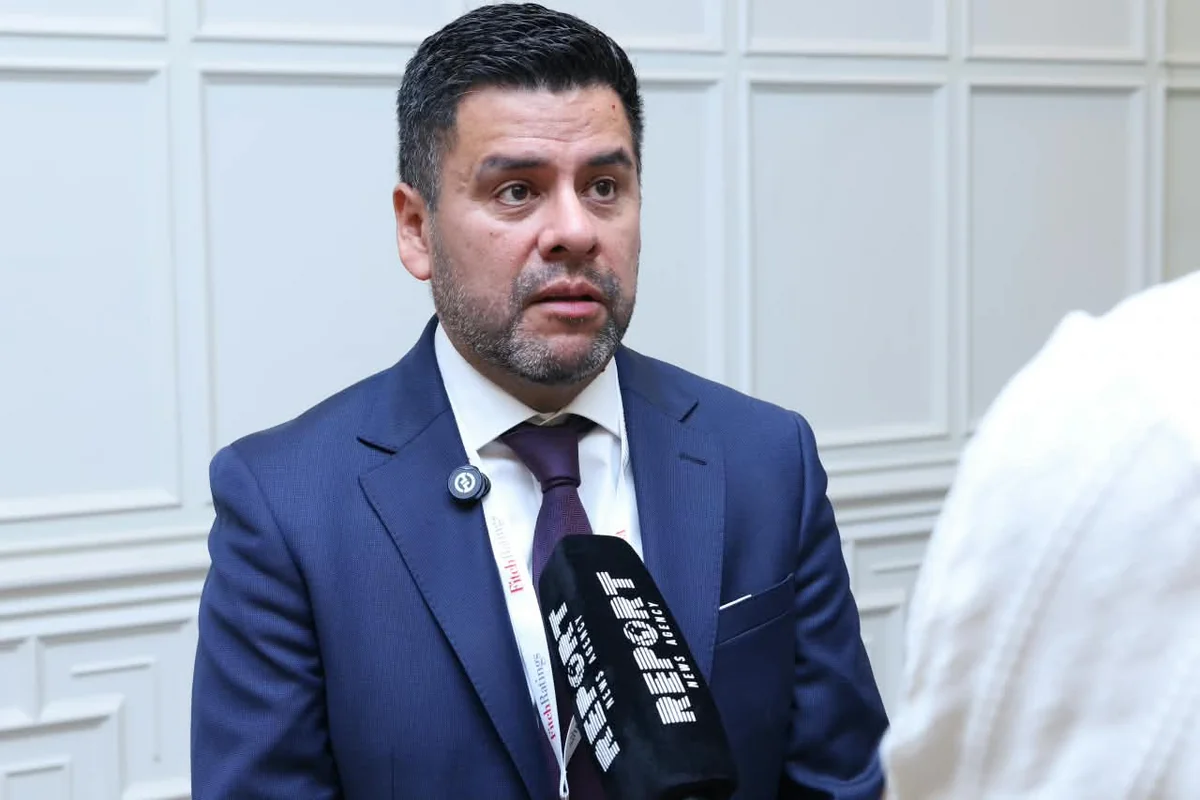
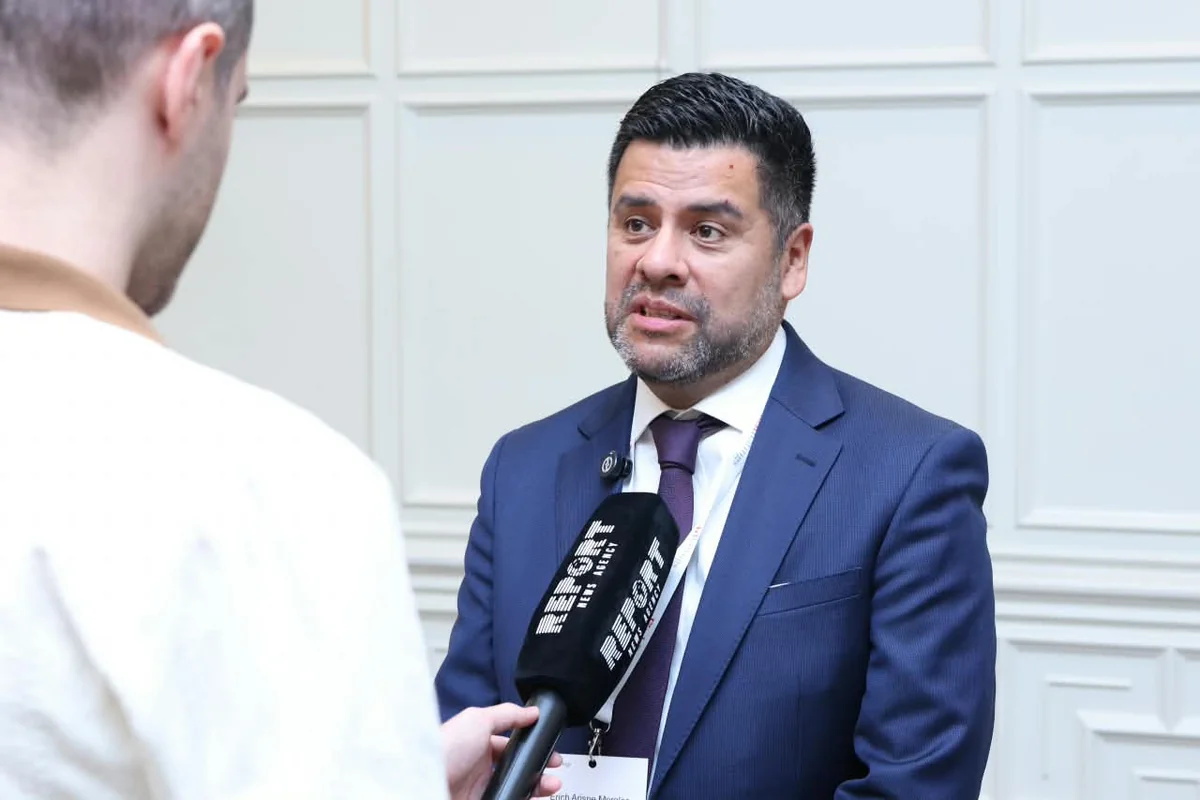
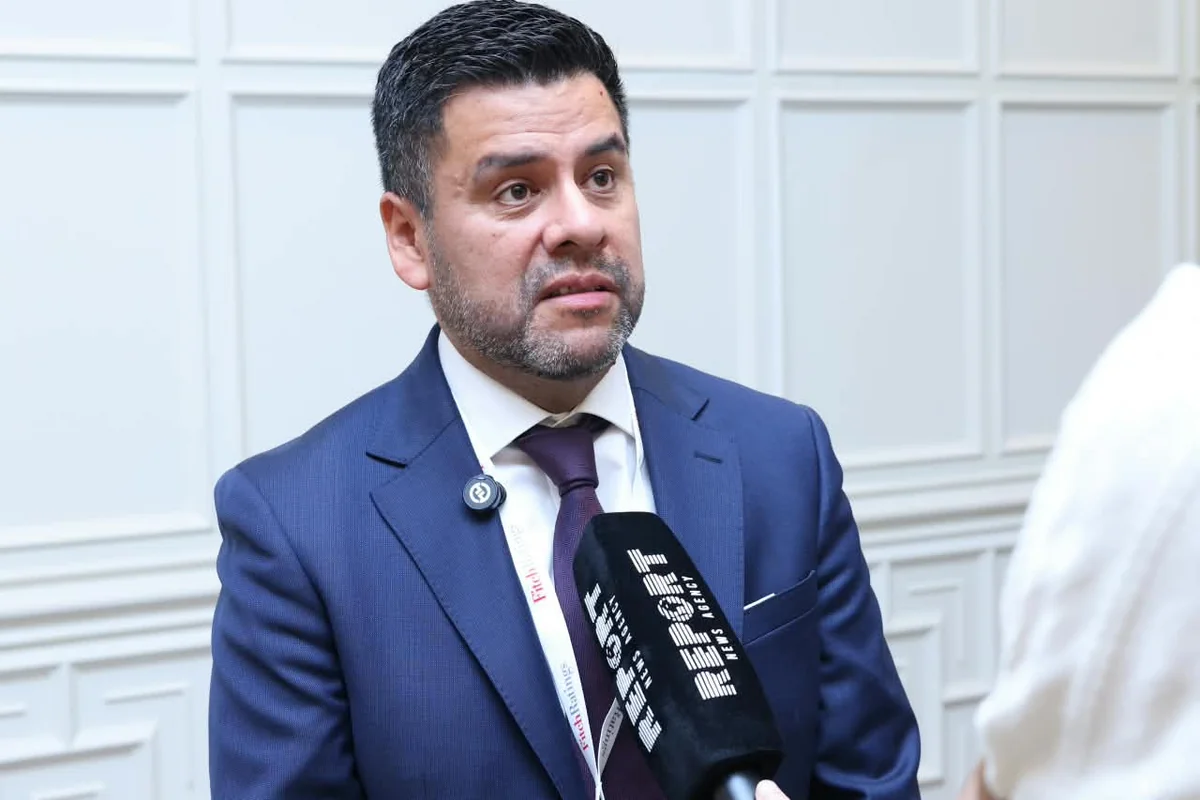
Erich Arispe Morales, Senior Director and Head of Eastern Europe Sovereigns at Fitch Ratings, has shared the agency's assessments and expectations regarding key changes in Azerbaijan's economy in an interview with Report.
Report presents the interview:
- Fitch consistently highlights Azerbaijan's strong external balance and significant volume of sovereign assets, particularly the State Oil Fund (SOFAZ). What role does this fiscal buffer play in the country's ability to withstand external shocks?
- When evaluating oil-exporting countries, not only the balance is important, but also the combination of various economic policy tools. Therefore, when we consider factors that could contribute to a further rating upgrade for Azerbaijan, it is not just about further strengthening the sovereign balance sheet [the ratio between state assets and liabilities], but also about bolstering the comprehensive set of measures aimed at smoothing external shocks.
In this context, the development of monetary policy is of key importance. It is also important how consistently and predictably the government implements its strategy to reduce the non-oil primary deficit - from 18.6% of GDP last year to 13% of GDP by 2029.
Therefore, when assessing the economy's ability to withstand oil price volatility, we look not only at asset volume, but also at the flexibility, predictability, and credibility of economic policy. It is precisely these factors that allow external shocks to be absorbed more effectively.
- How does Fitch assess Azerbaijan's fiscal sustainability against the backdrop of long-term oil production decline and high volatility in global energy prices?
- Over the past few years, we clearly see the government's drive to reduce budget dependence on hydrocarbon revenues. This is also part of the strategy for 2027–2030.
This approach aligns with the trend toward declining hydrocarbon production, especially oil. However, as we have repeatedly emphasized, the success of this strategy will largely depend on the development of the non-oil sector. One cannot assess the consequences of declining oil production without considering what is happening and will happen in the non-oil economy.
This is precisely where the main challenge lies. It is important to understand how actively the private sector participates in the economy, what obstacles remain for its further development, and how effectively they can be removed in the medium term.
Reducing the non-oil primary deficit from 18.6% of GDP last year to 13% by 2029 will likely require a package of measures, including increasing non-oil revenues. Their growth, in turn, is directly linked to the expansion of the non-oil economy.
Therefore, a sustainable reduction in reliance on oil revenues will be determined simultaneously by the development of the non-oil sector and the effectiveness of the economic policy being pursued.
- In Fitch's assessment, how successful are Azerbaijan's measures to diversify the non-oil economy and expand the fiscal base?
- As we noted during the panel and presentation, there is definite progress. We see growth in the share of transport and manufacturing in gross value added. Significant potential also remains in the services sector: in 2019–2025, its growth, for example, outpaced the dynamics of non-oil exports.
At the same time, much remains to be done. We see substantial opportunities for non-oil economy growth in tourism, ICT, and transport services.
Importantly, this is not just about future plans. The government has already reduced the share of oil revenues in budget receipts. This progress cannot be denied. However, for it to be sustainable and for budget reliance on oil revenues to continue falling, the further development of the non-oil economy will be of decisive importance.
- How does Fitch assess the monetary policy of the Central Bank of Azerbaijan, including its ability to keep inflation within the target range and gradually transition to a more flexible policy?
- We note an improvement in the Central Bank's capabilities in liquidity management, influencing short-term interest rates, and developing relevant tools. However, due to the characteristics of the banking sector and the persistent, significant excess liquidity, work remains to be done so that key monetary policy rates fully influence credit and deposit conditions.
Another important factor remains dedollarization. Although we observe a significant decrease in the level of dollarization, it still remains high compared to peer-rated countries.
Certain difficulties also exist in the development of the domestic financial market. With high oil prices, the government likely has no need to borrow actively in the domestic market. Yet it is usually the state that plays a key role in developing the local capital market and forming the yield curve. Therefore, a certain trade-off exists here.
Nevertheless, there is progress. We expect the Central Bank will likely succeed in bringing inflation back into the target range next year. However, with average inflation in Azerbaijan around 5–6%, it is still noticeably higher than in peer-rated countries, where this figure is closer to 3%.
Therefore, in the sphere of monetary policy and creating conditions for lower and more sustainable inflation, there is still room for further improvement.
- How does Fitch assess the resilience and capitalization level of Azerbaijan's banking sector from the perspective of sovereign risks?
- When evaluating sovereign risks, we look primarily at two factors. First is the probability of contingent state liabilities materializing. In our assessment, this risk for Azerbaijan remains low. The banking sector possesses sufficient capital buffers, and we do not see high risk levels associated with asset quality or external vulnerability of banks.
The second factor is the banking sector's capacity to generate macroeconomic imbalances, for example as a result of overly rapid credit growth in specific sectors. We do not believe such a situation is currently observed in Azerbaijan.
Thus, from the standpoint of sovereign vulnerabilities, we see no significant cause for concern.
At the same time, as we noted on the panel, an important question for the future is to what extent the banking sector will be able to foster private investment and the non-oil economy. This will matter for the further diversification of economic growth.
- Azerbaijan actively invests in renewable energy and green energy export development. Does Fitch account for these projects, as well as the development of the Middle Corridor, when evaluating the country's long-term growth potential?
- We note the importance of developing renewable energy, executing investment projects, and the government's ambitious goals in this area. All of this is part of the economic diversification process.
Furthermore, under conditions of declining oil production and the absence of new major gas projects, renewable energy development can free up additional hydrocarbon volumes that would otherwise be consumed domestically, thereby maintaining export potential.
As for the Middle Corridor and its possible impact on economic growth, there is also significant potential here. This is especially relevant in the context of improving transport and energy connectivity with Europe, including projects such as laying an electric cable along the bottom of the Black Sea.
At the same time, we do not yet incorporate the full potential effect of these projects into our baseline scenario. Therefore, their implementation could create additional upside potential for accelerating economic growth.
- What factors, in Fitch's assessment, could contribute to an upgrade of Azerbaijan's sovereign rating?
- We do not give recommendations - that is not the function of a rating agency. However, we can outline the factors we consider when evaluating the possibility of a positive rating action.
First and foremost is the further strengthening of the economic and regulatory framework, as well as establishing a proven track record of its consistent application, which would enhance the economy's resilience to external shocks.
Reforms aimed at addressing structural weaknesses - including those related to institutions, economic growth rates, and investment levels - will also play an important role.
Additionally, reforms that promote the development of the non-oil economy and attract private investment would directly influence a number of factors that we take into account when assessing the sovereign rating.
Author


