
 Baku 18° C
World Bank predicts Azerbaijan's oil sector to account for 10% of GDP in 2050
- 25 October, 2022
- 14:27
Stay up to date with the top news!
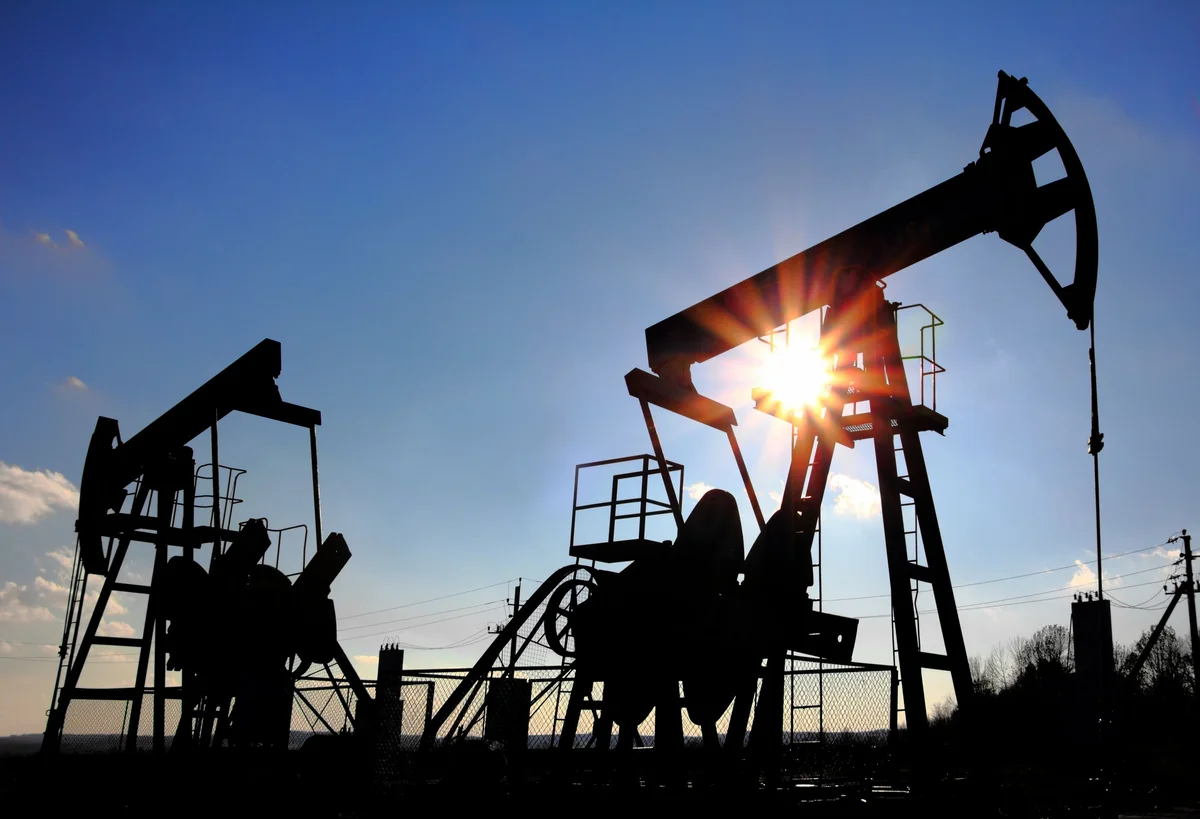
In 2050, the oil sector is projected to account for only 10 percent of Azerbaijan’s total GDP, down from 29.5 percent in 2020, Report informs, citing the World Bank’s Azerbaijan Country Economic Memorandum (CEM).
“Oil sector output is projected to fall significantly, with production from existing fields expected to decline as fields mature, and investment in new production will be needed to offset this. In 2019, Rystad Energy estimated that planned exploration projects in the Azeri section of the Caspian Sea had the potential to increase Azerbaijan’s recoverable reserves by 4.4 billion bbl over the next decade.
However, the COVID-19 pandemic has caused delays to existing projects, as well as a sharp decline in oil investment, which will likely negatively affect this expectation. In addition, the expectation of weaker oil demand growth resulting from the global energy transition poses a major structural headwind. While investment in new oil projects will still be needed globally to replace natural declines of existing wells, any future developments would likely incorporate lower assumptions for oil prices and assume a gradual decline in oil demand in the longer run,” reads the WB CEM.
According to the World Bank, due to its abundance of low-cost hydrocarbons, Azerbaijan’s domestic energy consumption tends to be significantly more fossil fuel dependent than other countries:
“Fossil fuels account for 97.5 percent of Azerbaijan’s domestic energy consumption, with around two-thirds from natural gas and one-third from oil, while renewables account for just 2.5 percent.
Kazakhstan, Turkmenistan, and Uzbekistan are similarly dependent on fossil fuels, although coal is a larger component of domestic energy consumption in
Kazakhstan. Russia and particularly Ukraine have a lower share of fossil fuels in total energy consumption, in part due to a higher share of renewables, but also because nuclear power accounts for a large share of total energy consumption. In the European Union, fossil fuels account for around three-quarters of energy consumption, with renewables accounting for 15 percent and nuclear 11 percent.”
Author