Baku 22° C
Shahbazov: Power grids, green corridors shaping energy map of 21st century
- 25 September, 2026
- 17:13
Stay up to date with the top news!
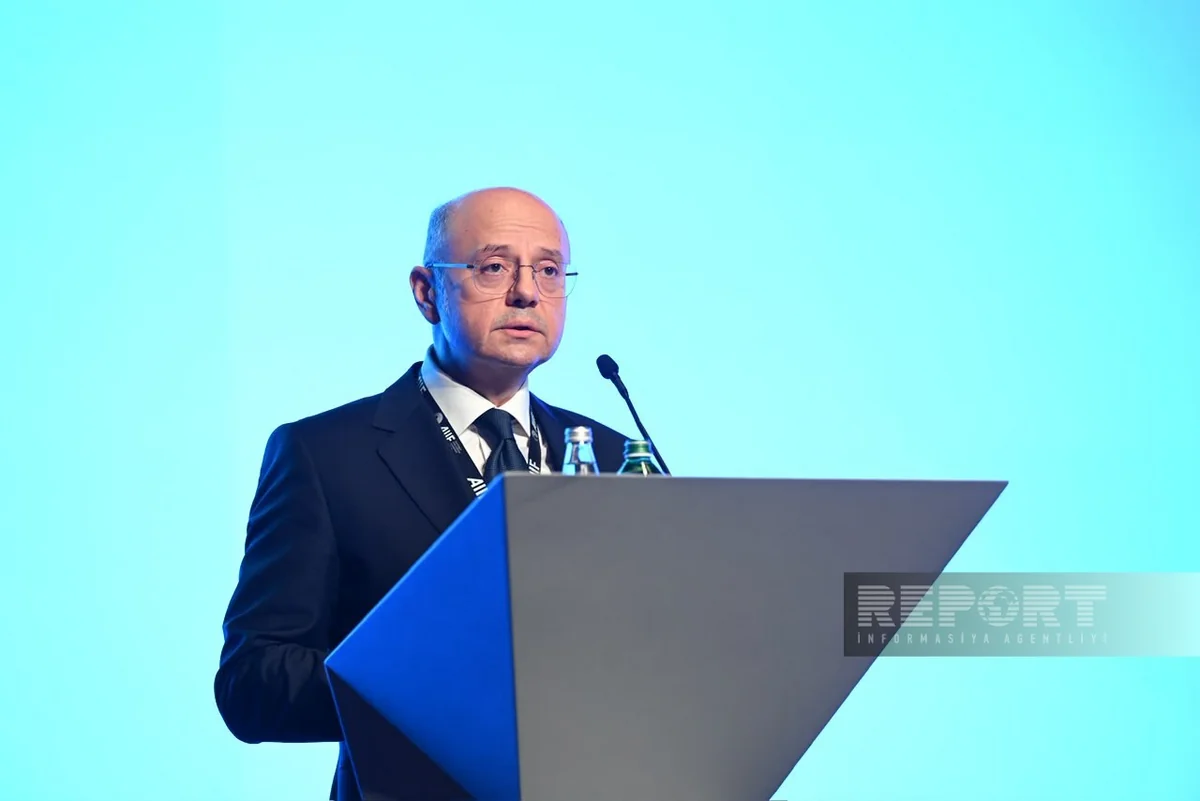
In modern conditions, connectivity serves as the foundation of the emerging architecture of economic and geopolitical relations, Minister of Energy of Azerbaijan Parviz Shahbazov said at the Second Azerbaijan International Investment Forum (AIIF 2026) in Baku, Report informs.
He noted that while the energy map of the 20th century was shaped by the geography of oil and gas fields and pipeline routes, the energy map of the 21st century is being reshaped by power grids, energy storage systems, and green energy corridors connecting countries, regions, and continents.
"The growing demand for energy driven by digitalization and electrification, the widening gap between the utilization of renewable energy and its integration into power grids, as well as the necessity of ensuring energy security, turn electrical interconnections and cross-border energy exchange into strategic priorities not only here, but worldwide. In a changing geopolitical and geoeconomic landscape, connectivity acquires particular strategic importance. Energy and transport corridors, whether fiber-optic lines or electrical interconnections, are becoming the new arteries of the global system. It is no coincidence that the 21st century is characterized as the century of connectivity," the minister said.
According to Shahbazov, energy interconnections allow countries to maintain a balance between energy supply and demand, make more effective use of the potential of renewable sources, and enhance grid flexibility and supply reliability.
"The fact that energy, industrial, and infrastructure projects with a combined capacity of over 2,500 GW worldwide are currently waiting to connect to power grids underscores the urgent need to strengthen green infrastructure and regional interconnections to accelerate the energy transition. Developing regional energy connectivity requires mobilizing substantial investments and the joint participation of governments, international financial institutions, and, naturally, the private sector," he noted.
Author