Baku 23° C
Shahbazov: Azerbaijan strengthens position as reliable partner in green energy
- 08 July, 2026
- 16:46
Stay up to date with the top news!
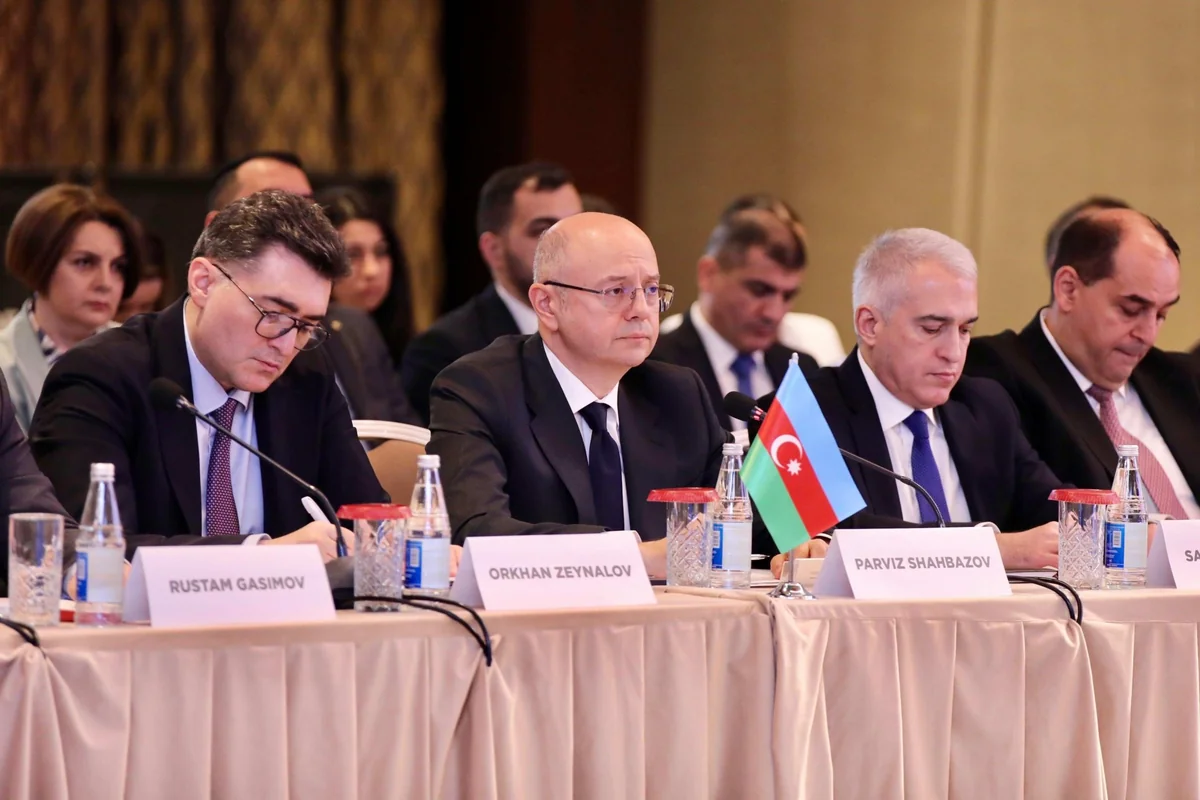
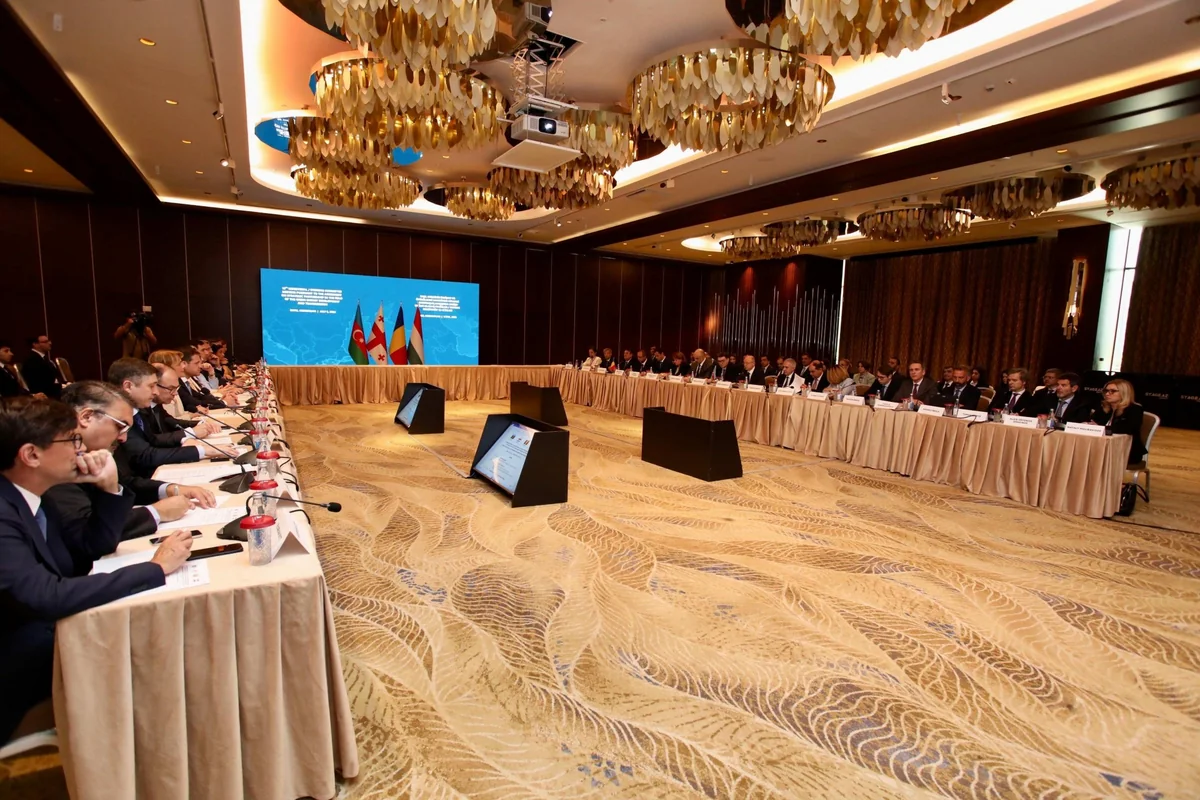
The Caspian–Black Sea–Europe Green Energy Corridor project is a clear example of the shared political will, strategic partnership, and mutual trust among the participating countries, Azerbaijani Energy Minister Parviz Shahbazov stated at the 12th Ministerial/Steering Committee Meeting in Baku, Report informs, citing Azerbaijan's Economy Ministry.
Speaking at the meeting, held within the framework of the implementation of the Strategic Partnership Agreement between the Governments of Azerbaijan, Georgia, Hungary and Romania in the field of green energy development and transmission, Shahbazov emphasized that with the successful completion of the feasibility study, the project has moved from the planning stage to development and implementation.
"In line with the strategic course set by Azerbaijani President Ilham Aliyev, our country is further consolidating its position as a reliable partner in the production, transmission, and export of green energy. The support of European Commission President Ursula von der Leyen confirms the project's strategic importance for Europe's energy security and green transition at the highest political level. Through joint efforts, this initiative will significantly contribute to strengthening Europe's energy security, accelerating the green transition, and deepening regional cooperation," he said.
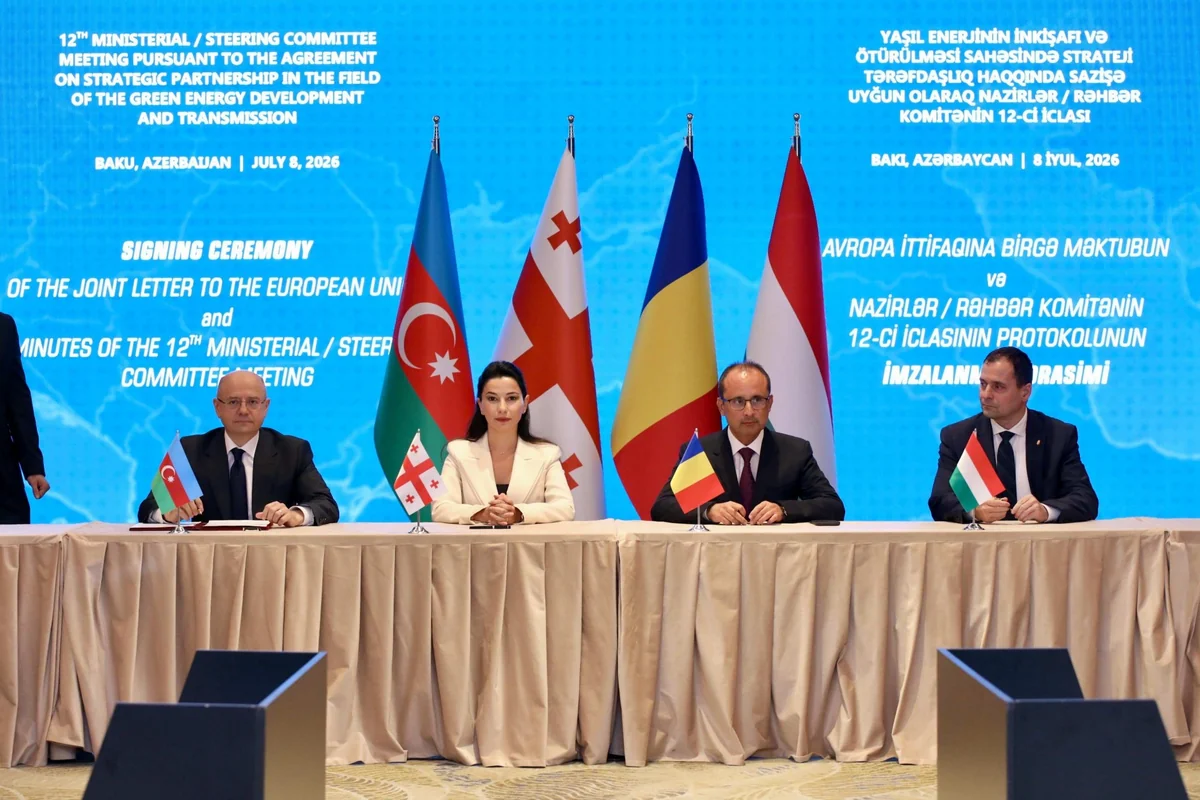
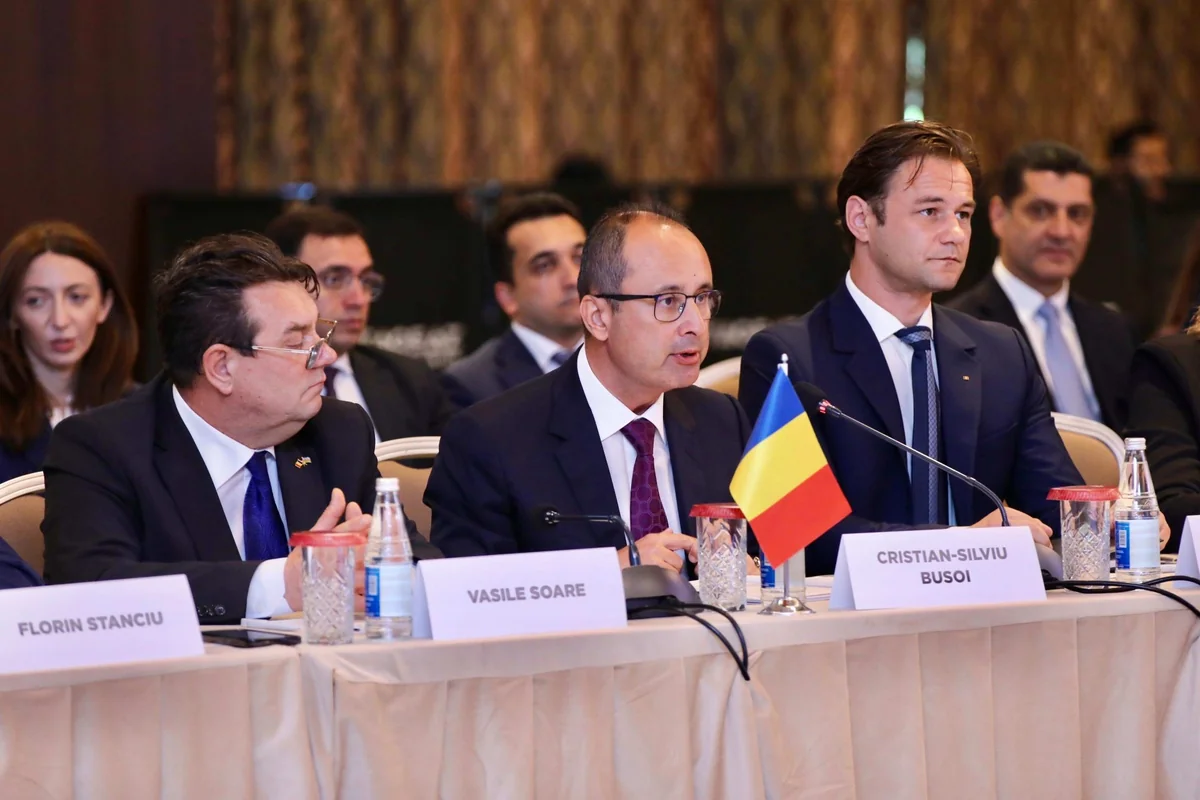
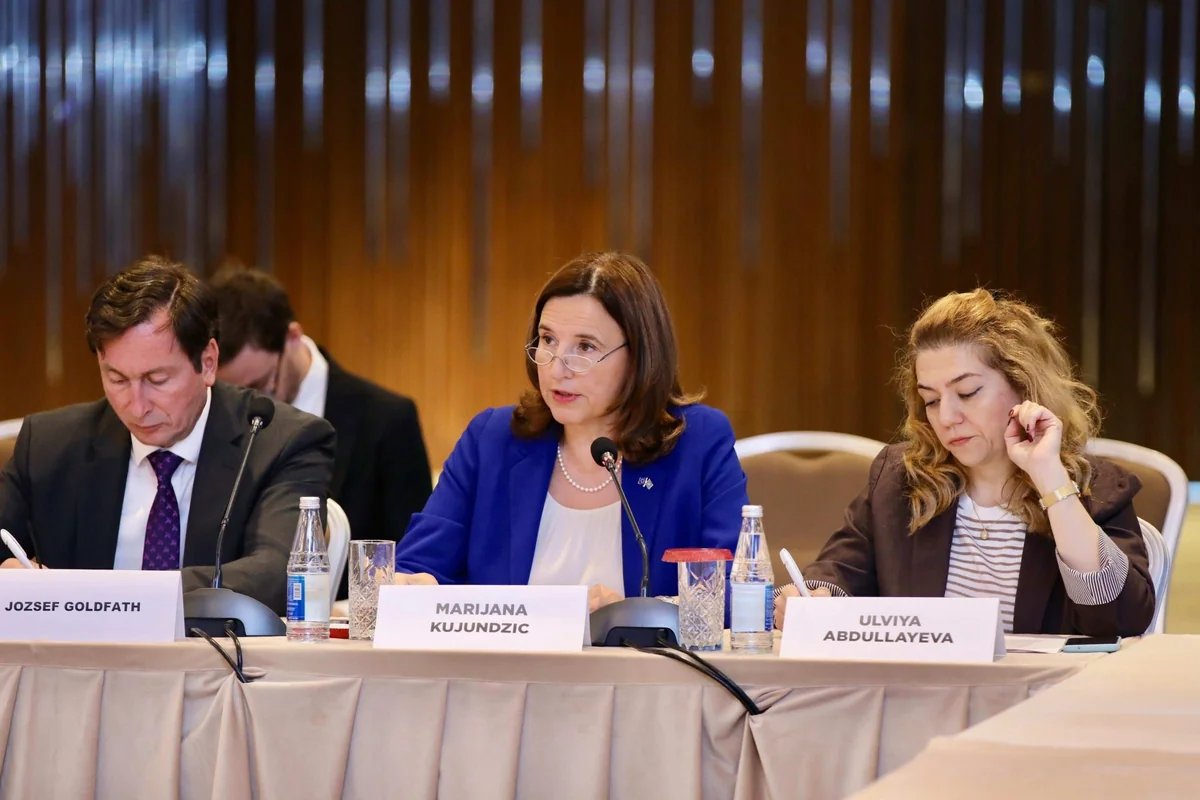
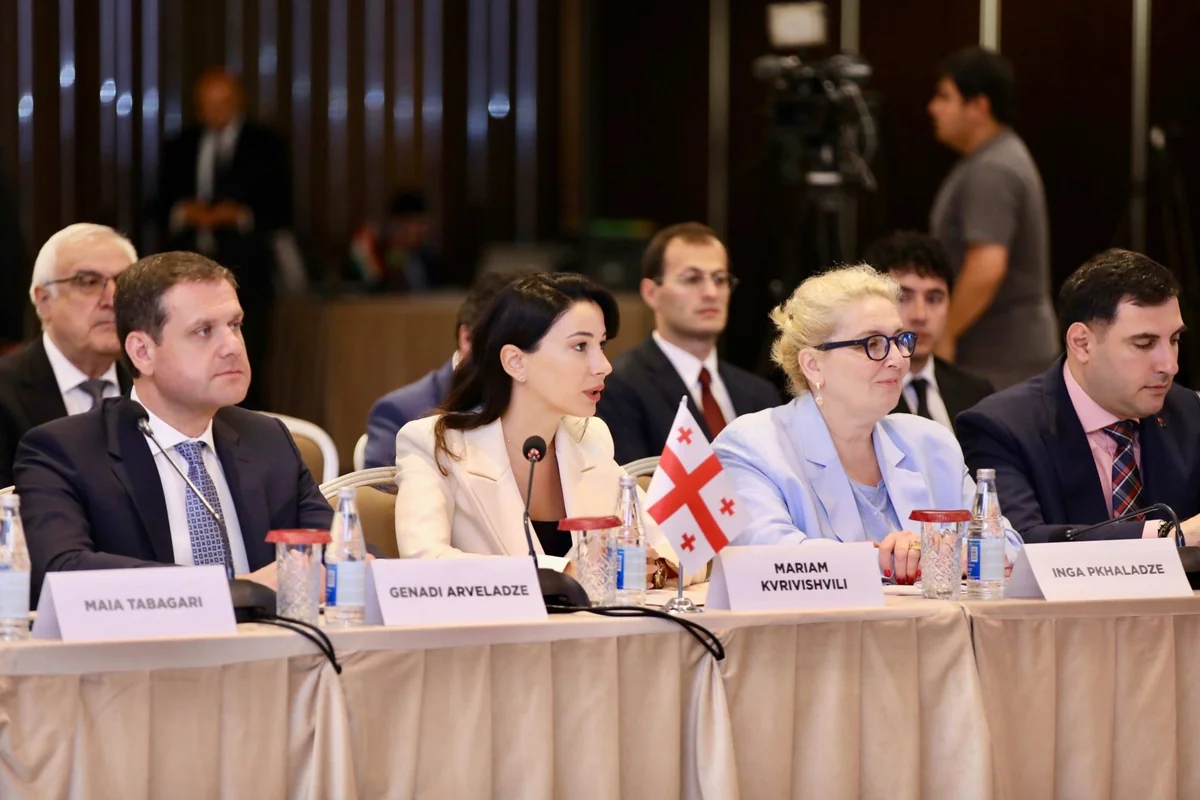
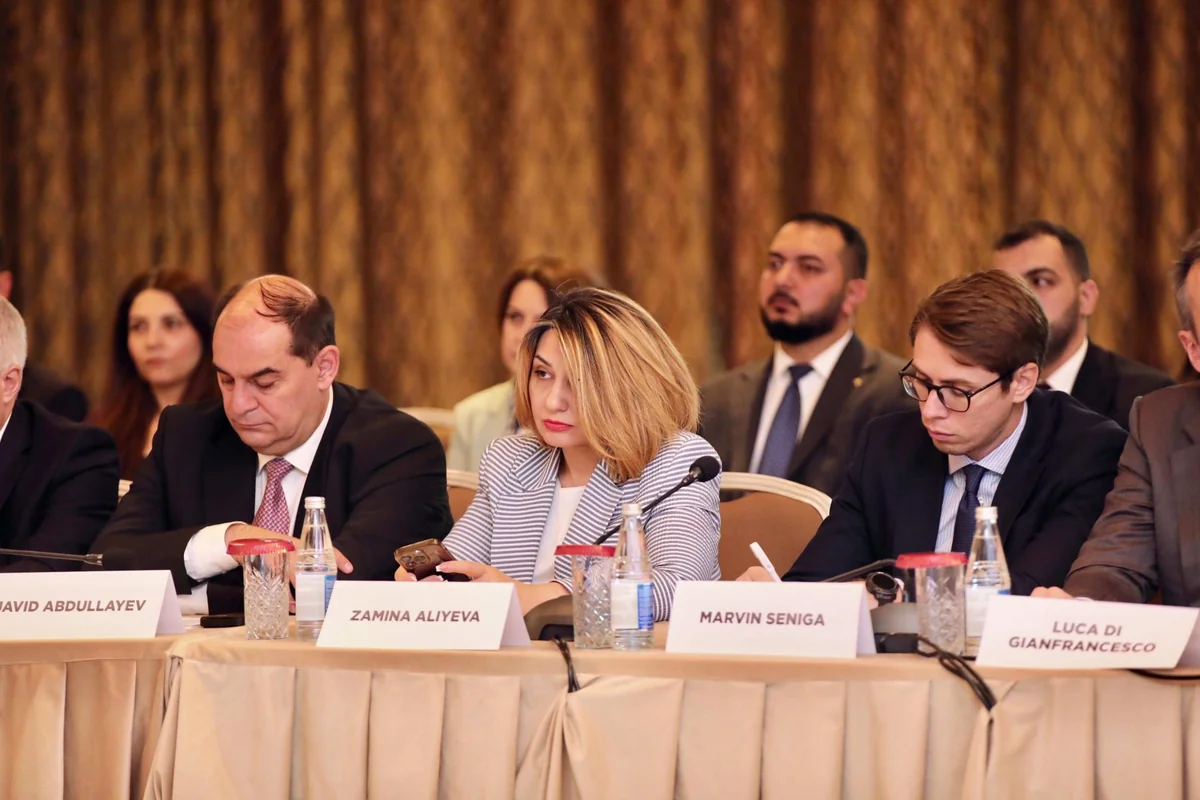
The meeting was attended by Parviz Shahbazov (Azerbaijan's Minister of Energy), Mariam Kvrivishvili (Georgia's Minister of Economy and Sustainable Development), Cristian Bușoi (Romania's State Secretary at the Ministry of Energy), and András Tóth (Hungary's State Secretary at the Ministry of Economy and Energy).
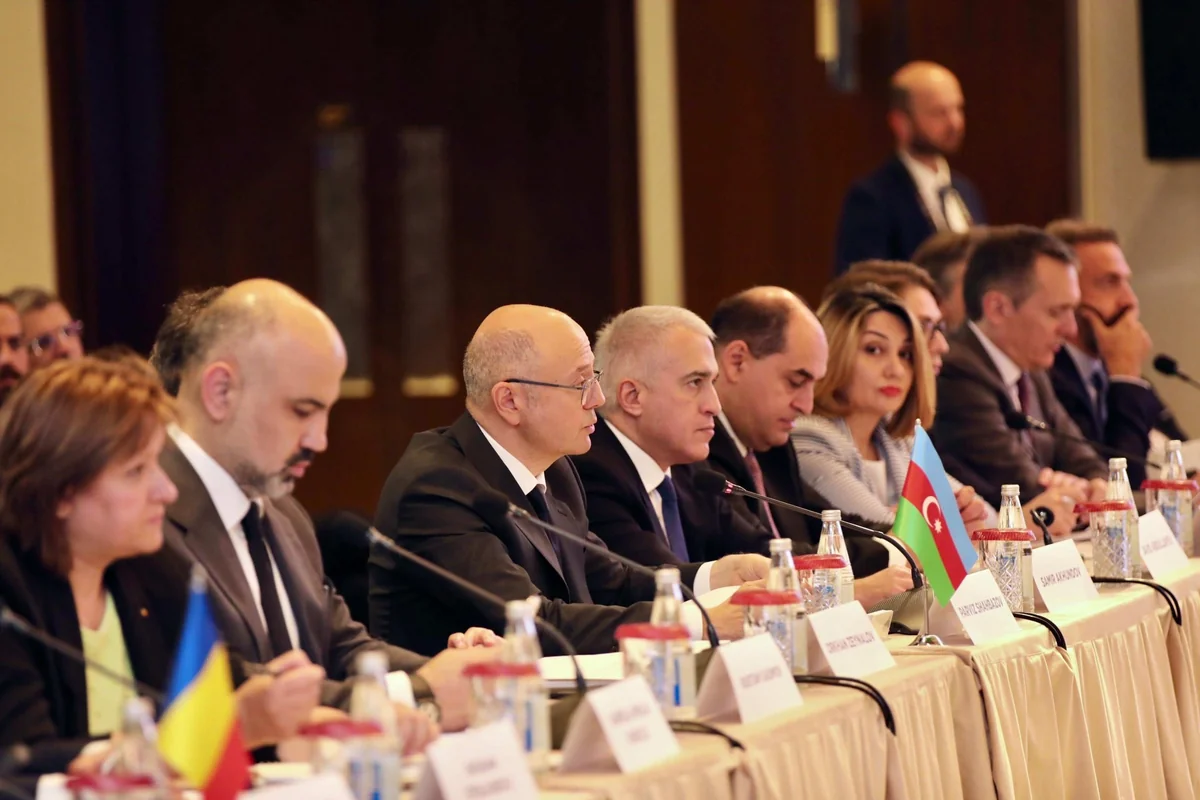
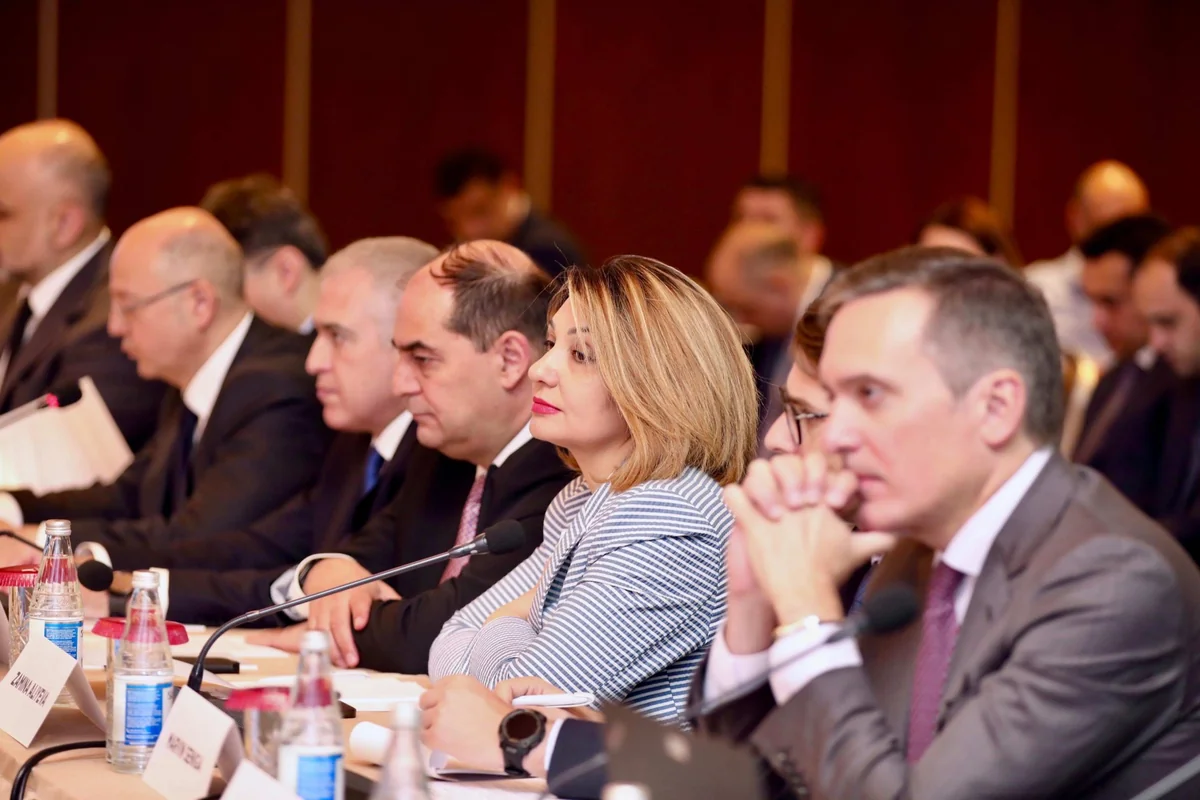
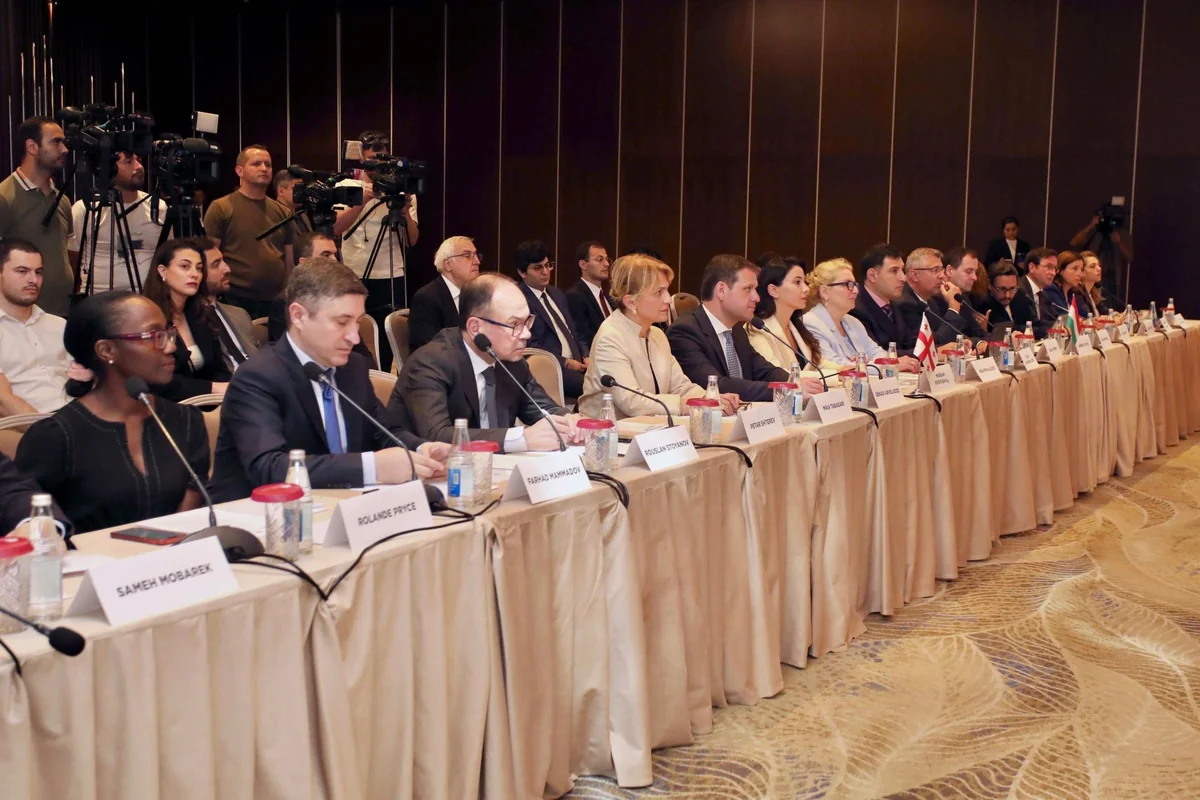
Representatives from the European Union, Bulgaria, Italy, the Green Energy Corridor Energy Company (GECO), CESI S.p.A., transmission system operators of the four countries, as well as the World Bank Group, the European Bank for Reconstruction and Development (EBRD), and the Asian Development Bank (ADB) also participated.
During the meeting, progress on the Caspian–Black Sea–Europe Green Energy Corridor project was reviewed. A presentation was delivered by CESI S.p.A. on the final results of the feasibility study. The presentation highlighted findings on market simulations, cost‑benefit analysis, energy system integration, route studies, business model evaluation, as well as the project's conceptual design, implementation plan, and procurement strategy.
In addition, the Green Energy Corridor Energy Company (GECO) presented a report covering the project's implementation status and development directions following the feasibility stage. Issues of project financing and regional developments in the renewable energy sector were also discussed.
As a result of the discussions, it was announced that the feasibility stage had been completed and the project had officially moved to the next development phase. GECO was tasked with preparing a detailed roadmap covering measures to be taken until the Final Investment Decision. An agreement was reached to establish a cooperation dialogue among the national energy regulatory authorities of the participating countries to strengthen the regulatory framework for project implementation.
At the conclusion of the meeting, a Protocol reflecting the outcomes was signed, along with a Joint Letter addressed to EU Commissioner for Energy and Housing Dan Jørgensen, expressing support and commitment to the project and requesting its inclusion in the European Union's third list of Projects of Mutual Interest and Projects of Common Interest.
It was decided that the next meeting will be held in Romania in November of this year.
The Strategic Partnership Agreement on the Development and Transmission of Green Energy between the Governments of Azerbaijan, Georgia, Romania, and Hungary was signed in Bucharest on December 17, 2022.
Author