 Baku 23° C
Priorities for ministerial meeting on Black Sea Energy Corridor identified
- 22 January, 2026
- 12:21
Stay up to date with the top news!
The countries participating in the Black Sea Energy Corridor have identified key priorities that need to be addressed before the ministerial meeting in Baku, scheduled for early March, Report informs.
The corresponding decision was made by deputy energy ministers at a meeting of the working group of the Green Energy Corridor joint venture (GECO, Black Sea Energy).
In particular, key aspects of potential synergies between the Black Sea cable and the Central Asia-Azerbaijan Trans-Caspian Green Energy Cable projects were discussed.
Following the meeting, key areas for further action and priority tasks were identified.
The ministerial meeting on the Black Sea Energy Corridor will take place during the 12th ministerial meeting of the Southern Gas Corridor (SGC) Advisory Council and the 4th ministerial meeting of the Green Energy Advisory Council.
In 2022, a strategic partnership agreement on the development and transmission of green energy was signed in Bucharest between Azerbaijan, Georgia, Romania, and Hungary. This document marked an important step toward the creation of a green energy corridor to Europe.
A memorandum of understanding on the establishment of a joint venture for the Caspian-Black Sea-Europe green corridor project was signed on July 25, 2023, between Georgia, Hungary, Romania, and Azerbaijan.
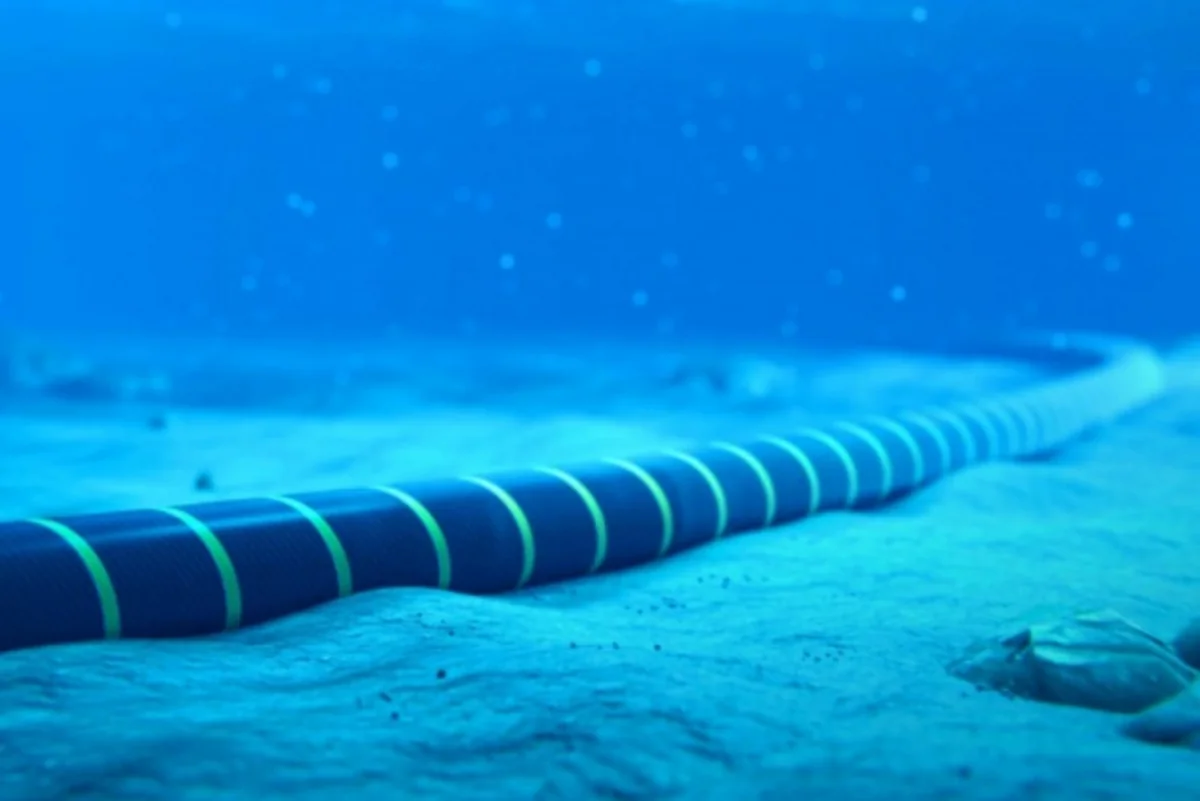
The Black Sea submarine cable project is a major infrastructure project that will directly connect Georgia and Romania and link the energy systems of the South Caucasus and Southeastern Europe. The submarine cable will be over 1,155 km long (1,115 km underwater and 40 km on land), with a voltage of 525 kV and a capacity of 1,300 MW. Completion of the undersea power cable across the Black Sea is scheduled for 2032.
On April 4, 2025, Azerbaijan, Kazakhstan, and Uzbekistan, with the support of the Asian Development Bank (ADB) and the AIIB, agreed to launch the first phase of the Caspian Green Energy Corridor initiative. The parties signed a cooperation agreement to prepare a feasibility study for the project, which envisages the integration of the three countries' energy systems and the creation of a renewable energy supply route to Europe.
The project follows on from the strategic partnership agreement on green energy signed by the leaders of the three countries in November 2024 at the COP29 conference.
The Central Asia-Azerbaijan Energy Corridor, being developed by Azerbaijan in cooperation with Kazakhstan and Uzbekistan, which have significant solar energy potential, could eventually be linked to the Caspian-Black Sea Corridor, connecting large regions of Central Asia with Europe across two seas.
Author