
 Baku 21° C
Nakhchivan solar plants to supply electricity to 40,000 homes
- 12 August, 2026
- 12:56
Stay up to date with the top news!
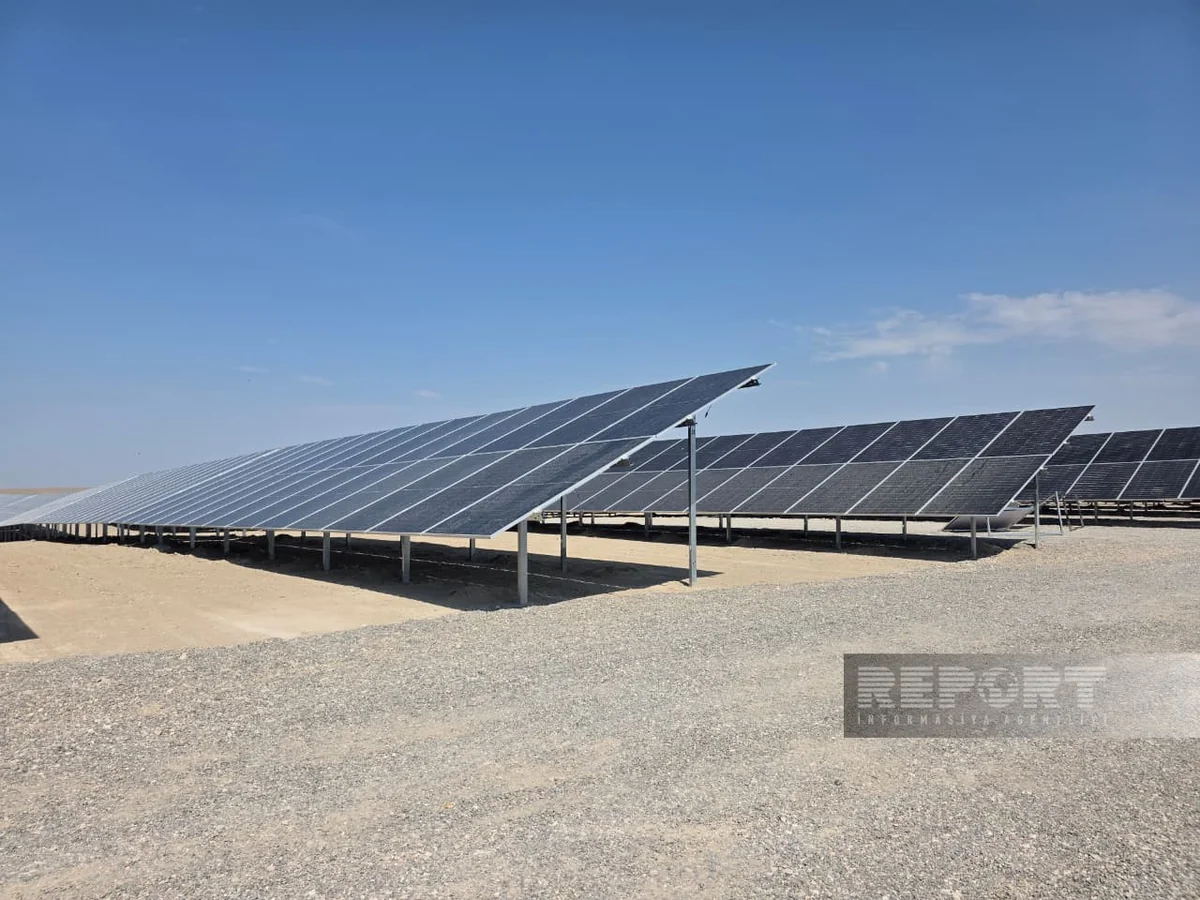
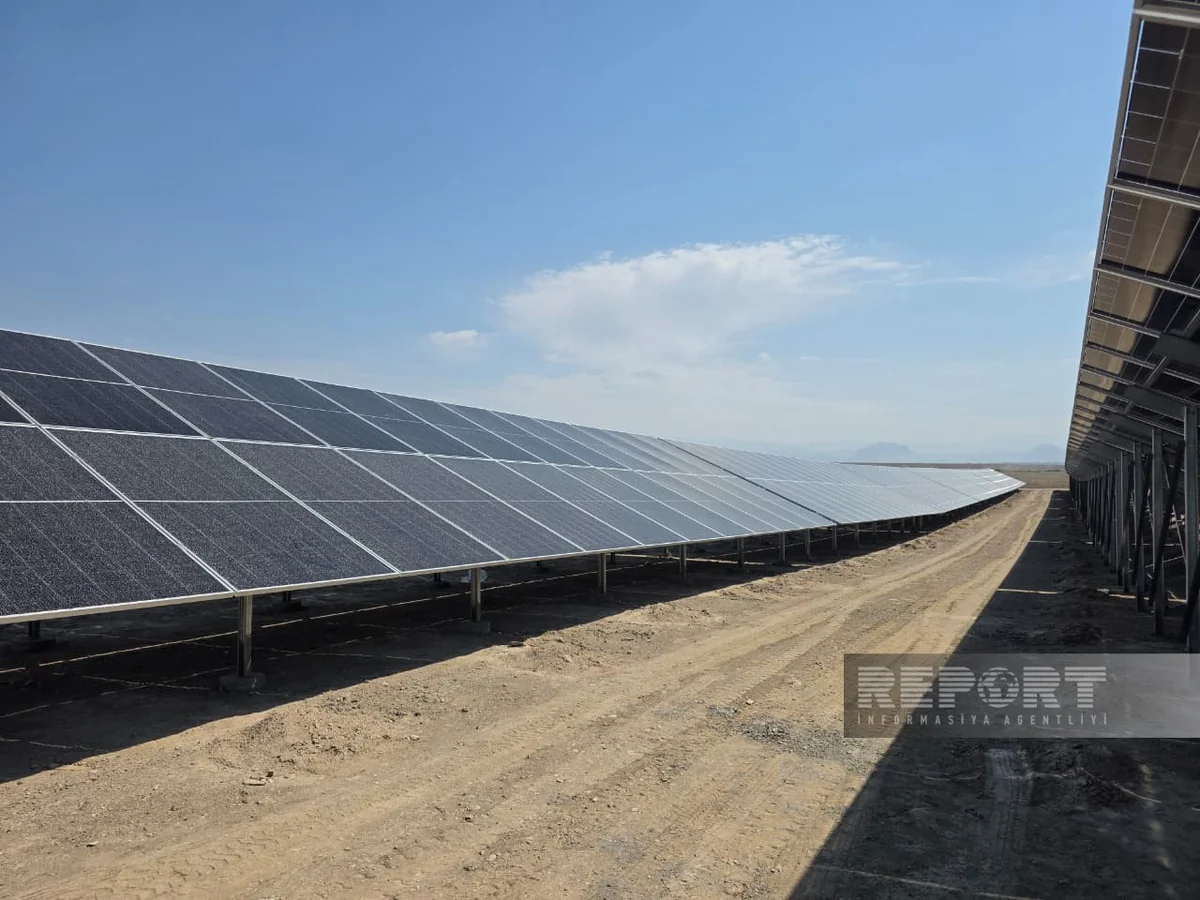
The Shams 1 and Western Horizon solar power plants under construction in Nakhchivan, with a combined capacity of 50 MW, are expected to supply electricity to nearly 40,000 households.
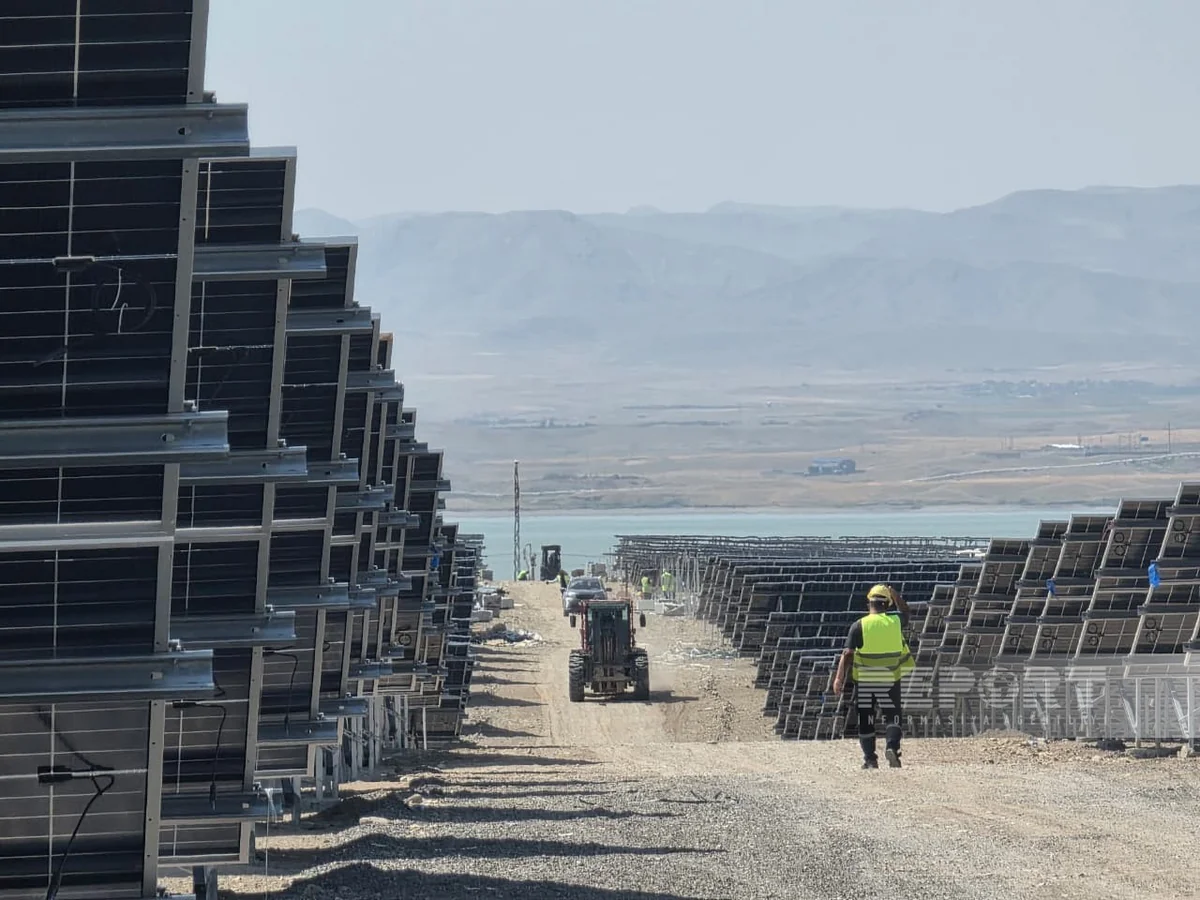
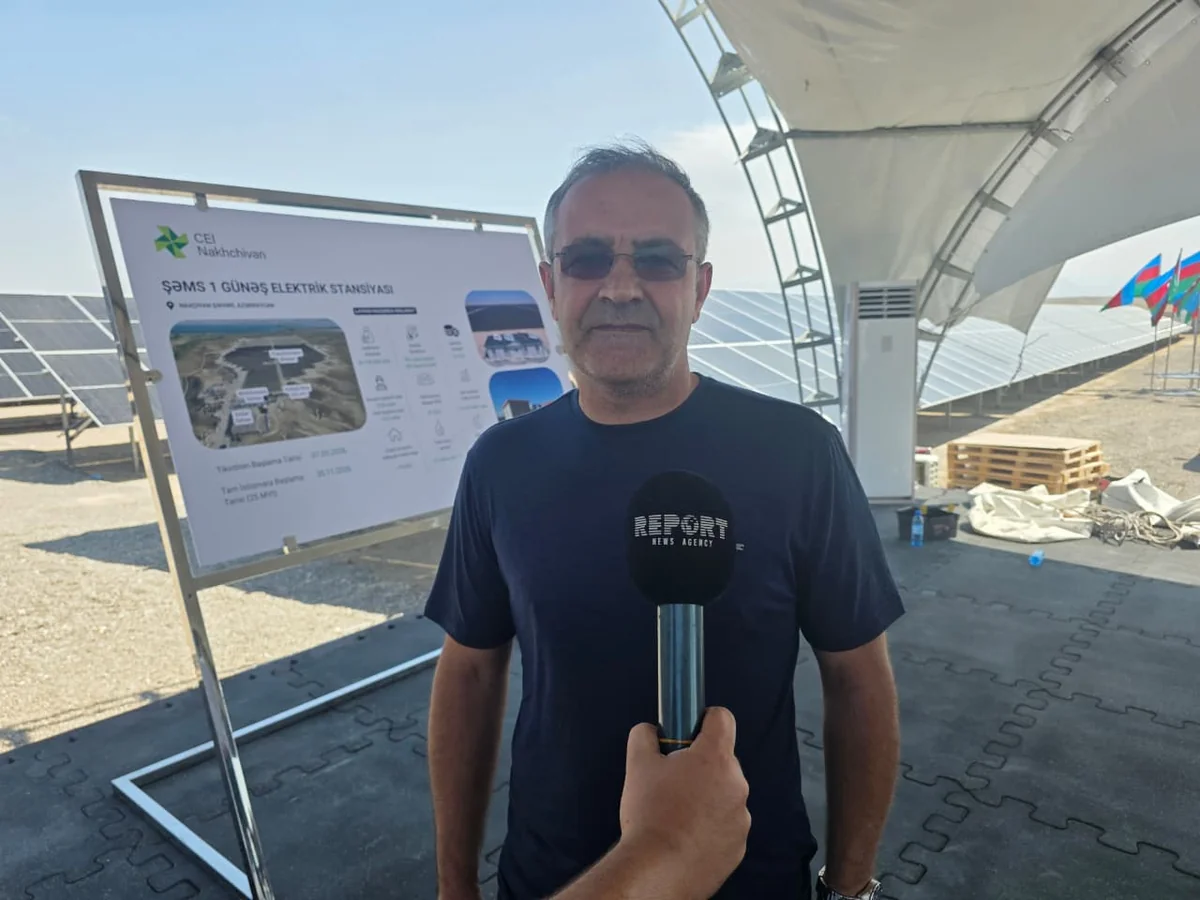
Speaking to Report's local bureau, Nimet Atalay, the Nakhchivan head of the company constructing the Shams 1 plant, said work on the 25 MW Shams 1 solar power plant began approximately 40-45 days ago. The installation of the plant's 10 MW section has been completed, and the section is fully ready to generate electricity.
Atalay said the main goal is to fully energize the entire 25 MW facility after the 15th of next month.
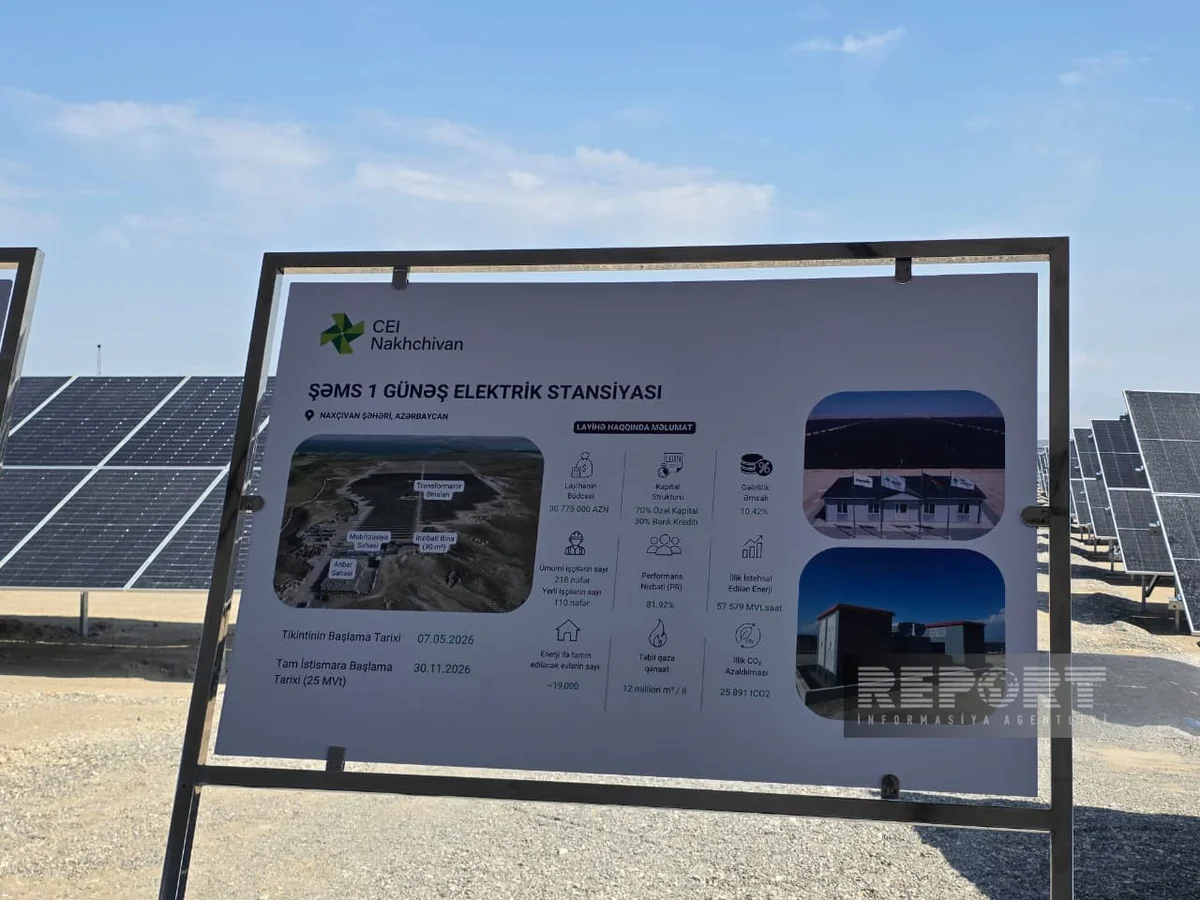
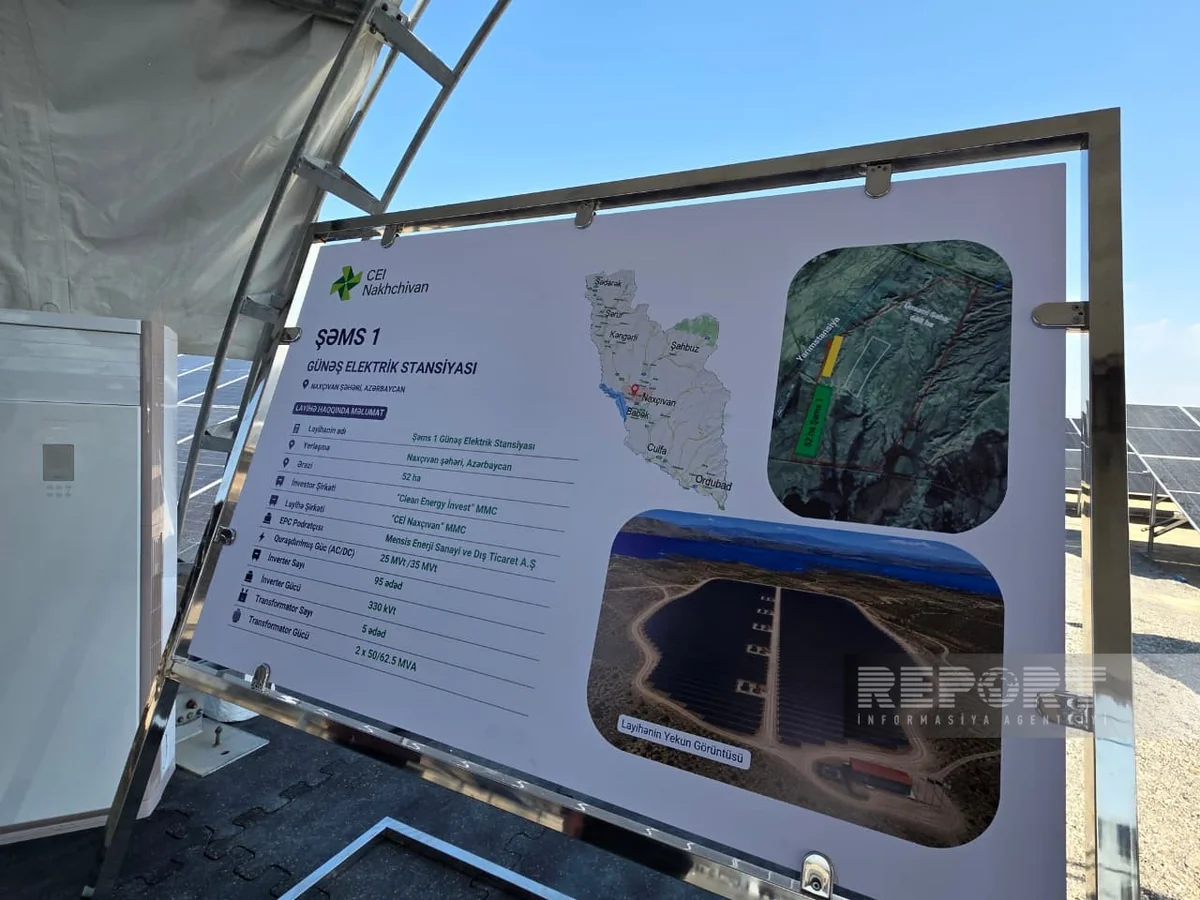
The Shams 1 project is being implemented on an area of 52 hectares. Once commissioned, the plant is expected to generate approximately 57 million kilowatt-hours of electricity annually and supply power to nearly 19,000 households.
The project is also expected to prevent approximately 26,000 tons of carbon dioxide emissions annually and save 12 million cubic meters of natural gas.
Meanwhile, topographic work has already been completed at the 25 MW Western Horizon solar power plant, another project under construction in Nakhchivan city, while geological studies are ongoing. Construction is scheduled to begin by the end of this year.
Once commissioned, the Western Horizon plant is expected to generate approximately 61 million kilowatt-hours of electricity annually and supply power to nearly 21,000 households.
Thus, the commissioning of both plants is expected to provide electricity to nearly 40,000 households in total.
Currently, 688 hectares in Nakhchivan have been designated as renewable energy areas for the construction of solar power plants.
Azerbaijan's total installed capacity from renewable energy sources stands at 2,070 MW, of which 108 MW is located in Nakhchivan. With the commissioning of the Shams 1 and Western Horizon plants, Nakhchivan's renewable energy capacity is expected to increase to 158 MW.
Nakhchivan solar plants to supply electricity to 40,000 homeshttps://t.co/Dx9c7UWmEd pic.twitter.com/NKmSuKrPrf
— Report News Agency (@reportaznews) August 12, 2026

Author