Baku 17° C
Minister: Serbia eyes boosting imports of Azerbaijani gas through new interconnectors with Macedonia, Greece - INTERVIEW
- 14 April, 2026
- 10:34

Stay up to date with the top news!
Against the backdrop of the ongoing transformation of Europe's energy architecture and the intensifying drive of countries in the region to diversify their energy supply sources, Serbia is actively revising its own strategy in the sphere of energy security.
The key areas of this agenda include the formation of new infrastructure routes, the reduction of dependence on traditional suppliers, and the expansion of cooperation with strategically important partners. One of the most promising partners in this context is Azerbaijan, whose significance for Serbia's energy balance is steadily growing. This is driven both by gas transportation through the Southern Gas Corridor and by the Azerbaijani side's participation in major strategic initiatives, including the construction of a gas-fired power plant and the creation of new interconnector lines.
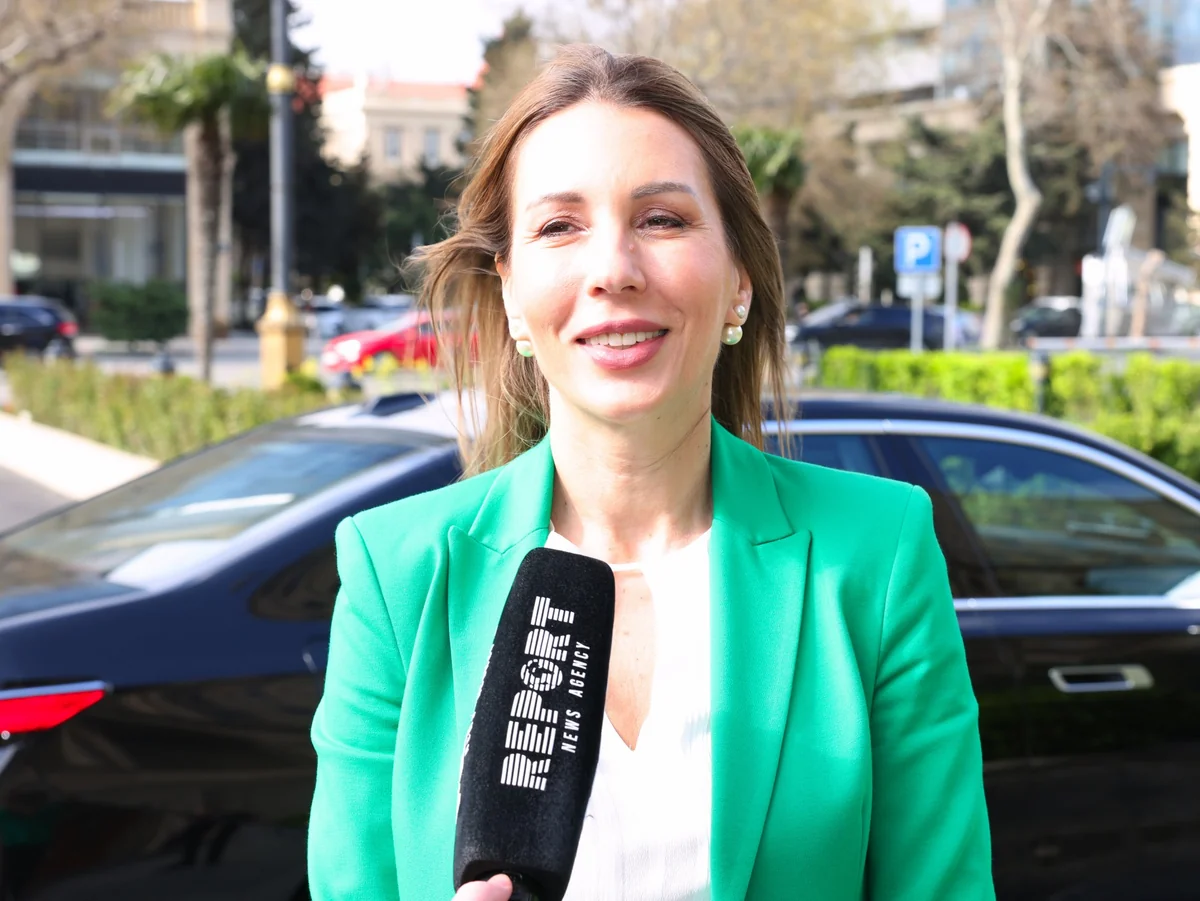
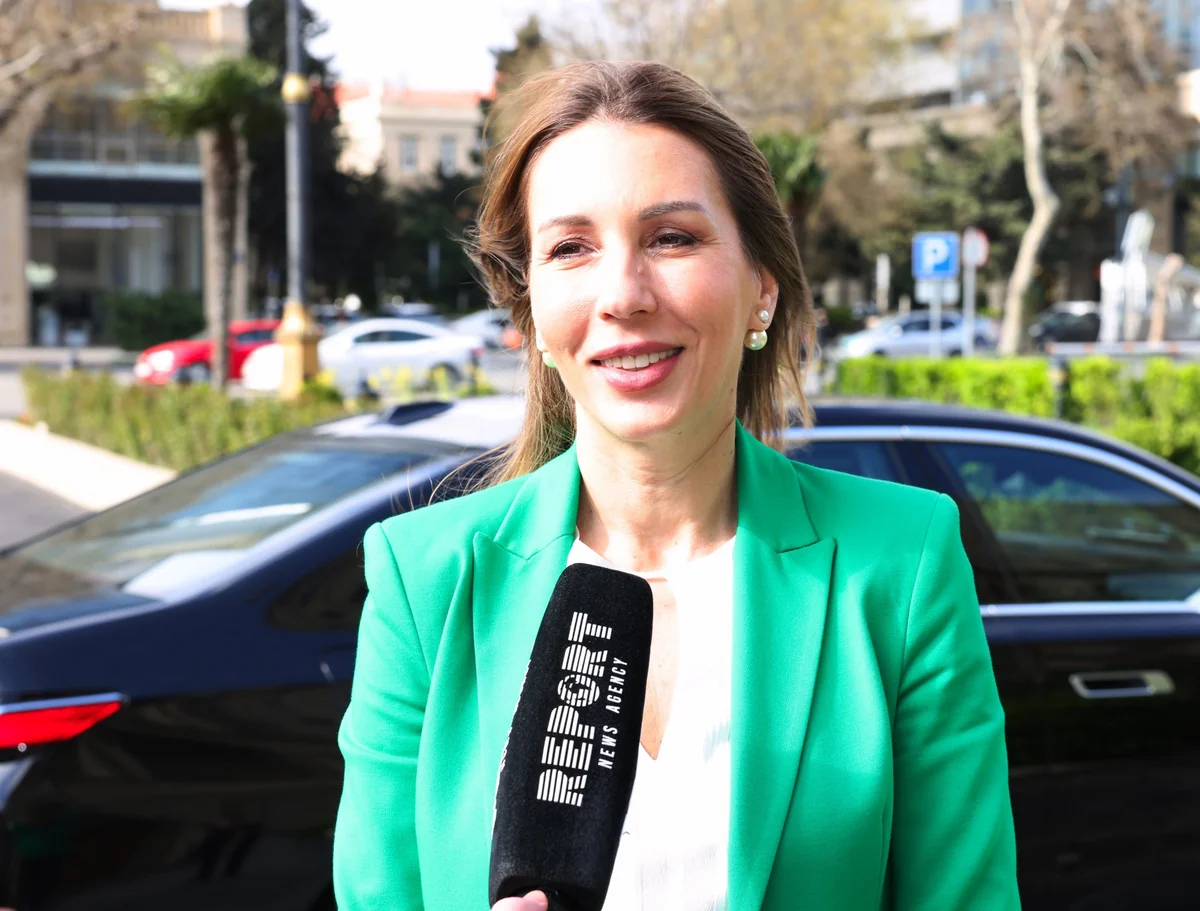
Minister of Mining and Energy of Serbia, Dubravka Đedović-Handanović, spoke about the promising areas of Serbian-Azerbaijani cooperation in the energy sector, plans to increase gas import volumes, infrastructure development, and the transition to green energy in an exclusive interview with Report during her visit to Baku.
Report presents the interview:
- Madam Minister, against the backdrop of the ongoing transformation of Europe's energy markets and the efforts of Western Balkan countries to reduce dependence on a limited number of suppliers, how is Serbia today rethinking its energy security and diversification strategy? What role is assigned to cooperation with Azerbaijan within this strategy?
- Serbia and Azerbaijan enjoy friendly relations and have developed strong bilateral cooperation, not only at the political level, where we mutually support each other in preserving territorial integrity and sovereignty, but also across many other areas. Azerbaijani construction companies have been engaged for years in the development of transport infrastructure, and we are soon expecting the launch of regular flights between Belgrade and Baku, which will further bring our countries closer together and open up new tourism and business opportunities.
The greatest contribution to strengthening our bilateral cooperation and establishing a strategic partnership has been made by the Presidents of Serbia and Azerbaijan, Aleksandar Vučić and Ilham Aliyev, which has created opportunities to work on concrete projects, particularly in the energy sector.
Diversification of energy supply is one of the top priorities of Serbia's energy policy. Current energy challenges in Central and Eastern Europe, and especially in the Middle East, clearly demonstrate that security of supply can only be ensured through diversification of both sources and routes, successful regional cooperation, and the development of a resilient energy system.
With the commissioning of the Serbia–Bulgaria gas interconnector in 2023, Serbia gained, for the first time, the ability to access gas from multiple sources, including gas from Azerbaijan via the Southern Gas Corridor. This is now the third year in which we have been importing gas from Azerbaijan, and we are also working together on the construction of a gas-fired power plant that will provide a new source of baseload energy and enhance energy security. Through the implementation of this project, we will further stabilize the electricity system, with positive effects on security of supply and lower carbon dioxide emissions compared to coal-fired power plants, which currently form the basis of Serbia's energy system. It is particularly important for us that Azerbaijan, through the company SOCAR, will participate in this project not only as a gas supplier, but also as a strategic partner in the development of the gas power plant.
- By the end of 2025, exports of Azerbaijani gas to Serbia showed significant growth. Taking into account the current heating season and rising demand, does Serbia plan to request an increase in annual supply volumes beyond 400 million cubic meters on a regular basis starting as early as 2026? For what period does Belgrade intend to extend the strategic agreement with SOCAR, which expires at the end of the current year?
- Gas supplies from Azerbaijan have doubled since we began our cooperation three years ago, reaching approximately 2 million cubic meters per day last year. In our discussions with SOCAR representatives, we are considering the possibility of flexible supply of up to 0.9 billion cubic meters of gas annually, and, following the completion of the gas-fired power plant in Niš in 2030, an increase to up to 1.4 billion cubic meters.
We expect that around 600 million cubic meters of gas per year will be required to operate the gas-fired power plant. For this reason, we see SOCAR as a long-term partner in ensuring Serbia's energy security.
- You previously noted that the construction permit for the gas interconnector with North Macedonia is expected in mid-2026. How will the implementation of this project affect Serbia's ability to import gas directly from the Southern Gas Corridor (via the TAP and TANAP systems)? What share of Serbia's overall gas balance could Azerbaijani gas account for after this route becomes operational in 2027-2028?
- The gas interconnection with North Macedonia is a strategically important project that will provide Serbia with an additional connection to the Trans Adriatic Pipeline (TAP), the Southern Gas Corridor, as well as the LNG terminal in Greece. Our goal is to complete the Serbia–North Macedonia gas interconnection by the end of 2027, so that it can become operational in early 2028.
The planned gas pipeline will have a capacity of around 1.5 billion cubic meters of gas per year and, together with the already completed interconnection with Bulgaria, which has a capacity of 1.8 billion cubic meters annually, this will provide Serbia with significantly greater opportunities for diversified gas supply, given that the country's annual consumption ranges between 2.8 and 3.1 billion cubic meters.
New interconnections and capacities are essential in light of the growing demand for gas, driven by the country's industrial development, the expansion of the domestic gas network, and district heating systems, where we are phasing out the use of fuel oil and coal.
- Is Serbia considering the possibility of participating in investment or joint projects in the field of renewable energy in Azerbaijan? This could involve both the construction of new generation capacities and the exchange of experience in integrating renewable energy sources into the power system.
- With the signing of the Memorandum of Understanding between the relevant ministries of Serbia and Azerbaijan on cooperation in the field of green energy, we have opened up the possibility of expanding our bilateral energy cooperation to include the renewable energy sector and other areas that are important for the energy transition process.
As a candidate country for EU membership, Serbia is committed to the decarbonisation of its energy sector, moving towards the goal of generating 45 percent of its electricity from renewable energy sources by 2030. There is significant potential for cooperation between our two countries in the field of renewable energy, and we expect that such cooperation will develop further in the future.
- In January 2026, the Hungarian company MOL agreed to acquire the stake of Gazprom Neft (56.15%) in the Serbian company NIS. In the context of the change in ownership of the controlling stake and the entry of a Hungarian investor, is Serbia considering initiating negotiations to increase direct supplies of Azerbaijani BTC crude oil for the needs of the Pančevo oil refinery?
- Due to the outbreak of the war in Ukraine, the European Union adopted its sixth package of sanctions against the Russian Federation in 2022, which, among other measures, introduced a ban on the import of Russian-origin crude oil transported by sea. Given that Serbia is supplied with crude oil through a single route, via Croatia and the Adriatic Oil Pipeline (JANAF), Naftna industrija Srbije (NIS) has not been able to import Russian-origin oil since 2023. This has created a need to diversify supply sources, including through cooperation with Azerbaijan, as one of our most important partners, as well as Iraq, Kazakhstan, Norway, Nigeria, Egypt, and Libya.
As in the gas sector, where we are committed to diversifying supply and strengthening energy security, we are also working with Hungary on the construction of an oil pipeline that will provide an additional route for crude oil supply. Serbia continues its dialogue with Russian and Hungarian partners in order to reach a sustainable and long-term solution for NIS, increase the Serbian stake in the company, remove uncertainties, and ensure the stable operation and functioning of a company that represents a key link in the chain of the country's energy security.
- How do you generally assess the role of Azerbaijan in Serbia's long-term energy security strategy? Could this partnership in the future go beyond gas and oil supplies and encompass areas such as electricity generation, renewable energy, energy storage, and regional infrastructure?
- The Republic of Serbia, in addition to the gas supplied via the Balkan Stream pipeline, which meets the majority of its domestic gas demand, counts on the Southern Gas Corridor as a key alternative route and source of supply.
Partnership with Azerbaijan in the energy sector is of long-term and strategic importance for Serbia, as it represents the first significant step in diversifying gas supply after several decades. Following the planned construction of gas interconnection with North Macedonia and Greece, Serbia will be connected to the Southern Gas Corridor from two directions, creating even greater opportunities for the supply of Azerbaijani gas.
Through the joint construction of a gas-fired power plant, we are taking our energy cooperation to an even higher level. As President Aliyev stated during his visit to Belgrade this year, this project is one of Azerbaijan's main investments in Europe.
Everything our countries have achieved in the field of energy transition so far also provides a solid foundation for the exchange of experience. One potential avenue is for Serbia to become part of the Green Corridor between the Caspian region and Southeast Europe. Given that Serbia already borders several countries participating in this project, and due to its central position in the Balkans, it can play the role of both a user and a transit country.
Serbia has defined its most important projects on the transmission network, with a total value of around one billion euros, which will enable better interconnection with neighboring countries, increase supply security, and strengthen Serbia's position as a transit country. At present, the priority is the completion of the Trans-Balkan Corridor, which connects Serbia with Romania, Bosnia and Herzegovina, Montenegro, and further to Italy, as well as the Pannonian Corridor, through which we will double our transmission capacities towards Hungary.
- Madam Minister, a framework agreement for the Niš Gas-to-Power Plant was signed in February. President Vučić mentioned that preparing the detailed documentation would take 2-3 months. Could you clarify the current status of the main EPC (Engineering, Procurement, and Construction) contract? Is it planned to be signed during the upcoming meeting of the Strategic Partnership Council or during the Energy Forum in Baku?
- Over the next month, we plan to finalize and formalize the main provisions and commercial terms for the construction of the gas-fired power plant, including the timelines for design and construction.
- Since the project is planned to be implemented on a 50/50 parity basis between Serbian companies and SOCAR, how will the project financing be secured? Will it be funded directly by the participating companies, or is Serbia considering attracting international financial institutions for this project?
- The total investment value is still under assessment, and more detailed information will be available once the two parties formally finalize the agreement in the coming period.
- The head of Srbijagas, Dušan Bajatović, previously pointed out technical limitations for a significant increase in supplies beyond current limits without network modernization. Is the Ministry considering a project to expand the Niš-Dimitrovgrad interconnector or the construction of additional compressor stations to bring Azerbaijani supply volumes up to their full design capacity?
- In addition to constructing new gas interconnections with neighboring countries, it is essential for Serbia to strengthen its internal transmission network in order to avoid bottlenecks in the supply of gas coming from the Bulgaria–Serbia gas pipeline and the planned interconnector with North Macedonia. We are currently negotiating with the World Bank on a multi-phase program valued at around one billion euros, which will increase our internal transmission capacities.
Author

Photo