Baku 21° C
EU member states urged to lower gas storage targets due to Iran war
- 21 March, 2026
- 15:03
Stay up to date with the top news!
The European Commission has urged member states to lower gas storage targets and gradually begin filling their reserves in a bid to reduce demand, after the Iran war hit critical suppliers and unleashed an energy price surge, Report informs via the Financial Times.
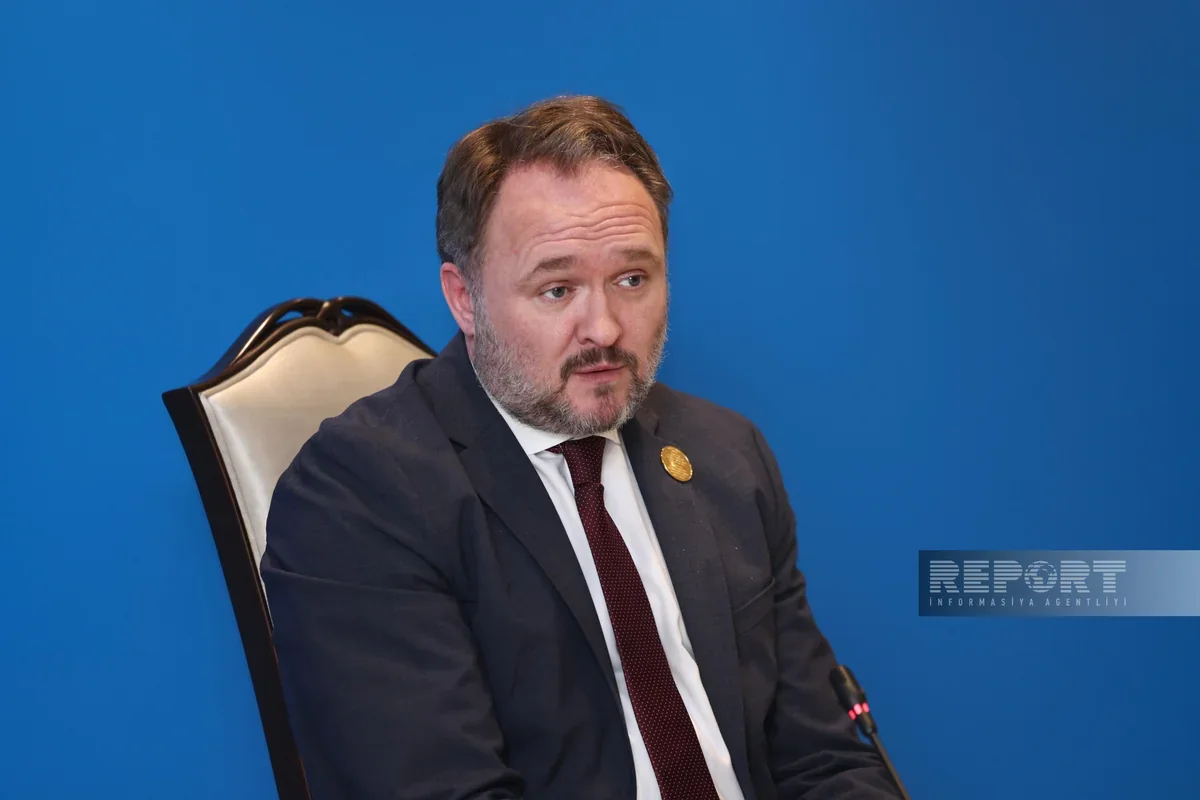
In a letter seen by the FT, EU energy commissioner Dan Jørgensen instructed the bloc's energy ministers not to rush to replenish their countries' depleted gas reserves and use "flexibility" to reduce demand from households and industry at a time "where the supply is tense".
Jørgensen said member states should lower the filling target for their gas storage facilities to 80 per cent of capacity, 10 percentage points below the EU's official targets, "as early as possible in the filling season to provide certainty and reassurance to market participants".
He advised countries gradually start filling reserves to avoid an "end-of-summer rush" that would put pressure on markets, while waiting until as late as December 1 to meet storage targets. That would be a month later than under the targets introduced through EU legislation after Russia's full-scale invasion of Ukraine in 2022.
The outreach by the commission to ministers highlights worries in Brussels that a push by member states to meet strict storage targets could put further pressure on European gas prices, which have risen 21.5 per cent this week after attacks on critical Middle East energy infrastructure.
Jørgensen said in his letter that the EU's energy supply "remains relatively protected" but called for a "collective response" to the conflict, warning that "recent developments indicate that it could take longer for Qatari [liquefied natural gas] production to return to levels known before the crisis".
The European gas benchmark TTF has doubled since the beginning of the US-Israeli war against Iran, pushed higher by Tehran's decision to retaliate by blocking the Strait of Hormuz waterway through which a fifth of the world's oil and LNG normally flows.
"There's a concern that having too fixed a legislation could put more pressure on prices," said one EU official familiar with the matter. "You don't have to rush."
"We need to make the targets more flexible," said another EU official.
Storage facilities account for about 25 to 30 per cent of Europe's gas needs during the winter and are an important means of protecting the continent against supply shocks.
The EU put in place the 90 per cent storage targets after the shock to supply stemming from Russia's full-scale invasion of Ukraine sparked fears that the continent would not have enough gas.
The bloc softened the targets in 2025 and Jorgensen emphasised that member states had "flexibility" within EU legislation to fill storage to 80 per cent if market conditions are unfavourable, or even 75 per cent.
Author