
 Baku 24° C
BP transfers BTC operatorship to SOCAR subsidiary
- 01 July, 2026
- 13:46
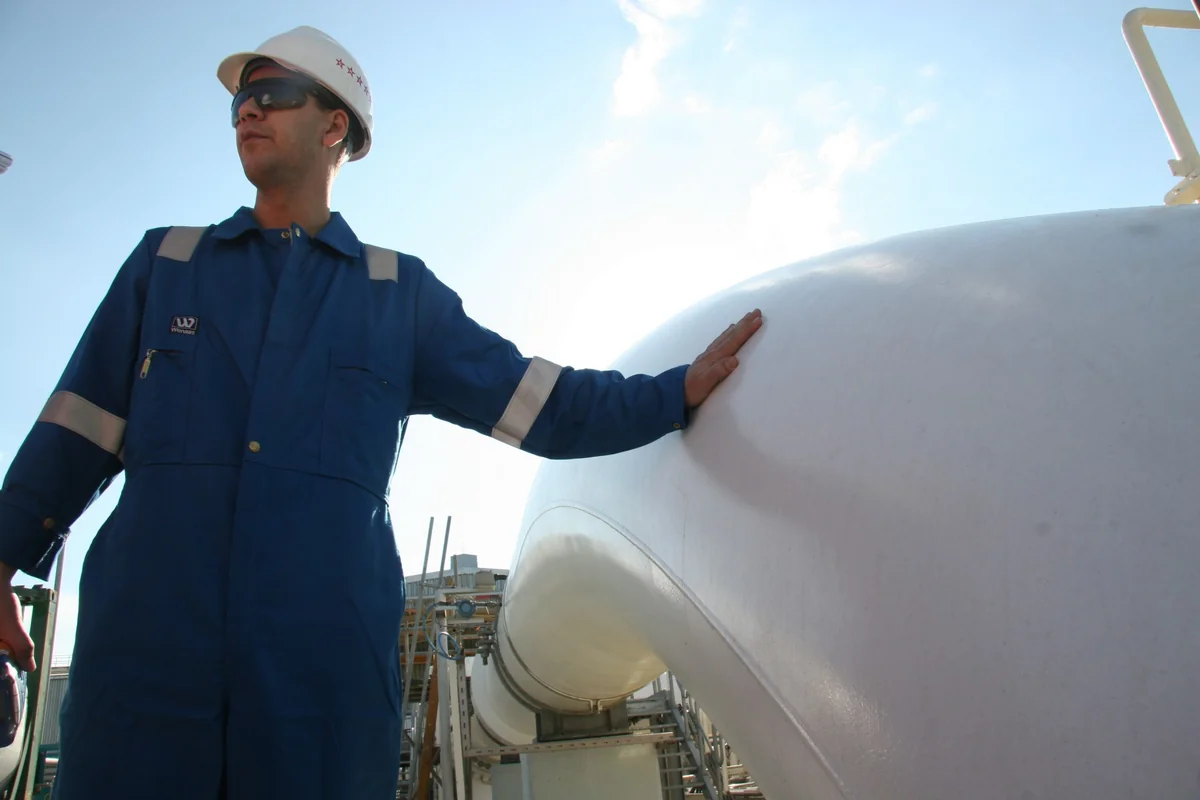
The Baku-Tbilisi-Ceyhan Company (BTC Co) today announced that, effective July 1, 2026, operatorship of the Baku–Tbilisi–Ceyhan (BTC) oil export pipeline will transfer from BP Exploration (Caspian Sea) Limited (BP) to SOCAR Midstream Operations LLC (SMO), a wholly owned subsidiary of SOCAR, Report informs, citing BP Azerbaijan.
It was noted that the transfer applies across all three BTC pipeline sections – Azerbaijan, Georgia and Türkiye. In addition, the management of BTC pipeline activities and operatorship of common activities relating to both the BTC and South Caucasus Pipeline (SCP) systems, currently undertaken by BP, will also transfer to SMO.
This transition is in line with the relevant agreements underpinning the BTC project and concluded as part of the final readiness decision.
The scope of the transfer includes all dedicated BTC facilities and activities, as well as BTC/SCP joint activities across the three countries, excluding those located within the Sangachal terminal.
Operatorship of the Sangachal terminal remains unchanged and will continue under BP.
The shareholding structure of BTC Co. also remains unchanged.
"Today's announcement marks an important milestone for the BTC project. We are proud of BP's long-standing role as a safe, reliable and high performing operator – leading the pipeline's more than three years of exceptionally large-scale and technically complex construction across the three transit countries and ensuring its efficient and secure operation for over two decades.
Over that time, BTC has strengthened energy security through reliable exports to global markets. We are confident that SOCAR will uphold the same high standards of safety, reliability and operational excellence in BTC operations and look forward to continuing our close, long-term partnership with SOCAR and our co-venturers as a shareholder in BTC and SCP. We would also like to thank the BTC Co. Board and all our co-venturers for their continued support, collaboration and trust throughout BP's operatorship of the system," stated Gio Cristofoli, BP's Regional President for the Caspian, Central Asia and Türkiye.
BP remains the operator of the Azeri–Chirag–Gunashli (ACG) and Shah Deniz fields, as well as other upstream projects in the Caspian, including the Karabagh field development, the ADUA and Shafag-Asiman exploration projects.
Rovshan Najaf, President of SOCAR, in turn, noted that the Baku–Tbilisi–Ceyhan pipeline stands as a lasting testament to Azerbaijan's visionary energy strategy, strong international partnership and shared commitment to long-term cooperation.
"Over the past two decades, BTC has made a significant contribution to Azerbaijan's sustainable development, strengthened regional cooperation and enhanced global energy security. The transfer of operatorship of BTC, together with the common operatorship of both the BTC and South Caucasus Pipeline (SCP) systems, to SOCAR marks an important milestone that reflects the company's growing expertise in managing world-class energy infrastructure. SOCAR remains fully committed to ensuring the safe, reliable and efficient operation of this strategic energy corridor, further reinforcing its contribution to regional and global energy security," Najaf said.
Earlier, and as provided for under the relevant agreements, effective June 8, 2026, the Western Route Export Pipeline (WREP) facilities in Azerbaijan and Georgia were returned to the entities acting on behalf of the Governments of Azerbaijan (SMO) and Georgia (the Georgian Oil and Gas Corporation – GOGC).
SOCAR Midstream Gas Operations LLC (SOCAR MGO) has been the commercial operator of SCP since 2015 and the technical operator since 2021, reflecting the strong collaboration between SOCAR and bp in managing shared BTC and SCP activities.
BP and SOCAR have been working closely to ensure a safe and orderly transfer of all facilities and related activities covered by the operatorship transition, while maintaining reliable and uninterrupted pipeline operations throughout.
The 1768 km long BTC was designed to export crude oil safely and responsibly from the Caspian to the Mediterranean.
Starting from the construction phase, BTC has made a positive difference by bringing significant benefits to the region.
BTC creates substantial revenues for the transit countries and continues to help strengthen economic and political links between Azerbaijan, Georgia, Türkiye and the West.
Since the start of the pipeline project BTC Co. has worked with more than 550 communities (more than 750,000 people) along the length of the pipeline and has implemented thousands of social initiatives and these will continue in the future.
The current throughput capacity of BTC is 1 million barrels of oil per day. The pipeline uses 46/42/34" diameter pipe. It has eight pump stations and 98 valve stations across the three transit countries.
The pipeline crosses several mountain ranges climbing to a high point of 2,830 metres before returning to sea level at Ceyhan, 3,000 roads, railways, and utility lines – both overground and underground – and more than 1,500 watercourses up to 500 metres wide in the case of the Ceyhan River in Türkiye.
Considered as one of the biggest and most complex engineering endeavours of its time in the world, BTC's construction took four years to complete – it was sanctioned in July 2002 and was completed in May 2006. The construction activities involved 22,000 people at the peak (of which almost 80% were national employees), with more than 110 million man-hours spent and 220,000 joints of pipe welded together.
The first tanker with BTC oil was lifted from Ceyhan on June 4, 2006, when the first cargo of about 600,000 barrels of Azeri-Chirag-Gunashli crude was loaded onto the British Hawthorn and sailed away from the new Ceyhan Marine Terminal.
To date, BTC has carried a total of more than 4.7 billion barrels (about 630 million tonnes) of crude oil loaded on 6,271 tankers and sent to world markets.
The BTC pipeline currently carries mainly ACG crude oil and Shah Deniz condensate from Azerbaijan. In addition, other volumes of Caspian regional crude oil and condensate (Kazakhstan, Turkmenistan, other SOCAR volumes produced in Azerbaijan) continue to be transported via BTC.
Author