
 Baku 18° C
Global need for climate finance reaches $7.5-9 trillion annually, COP31 CEO says
- 07 September, 2026
- 10:56
Stay up to date with the top news!
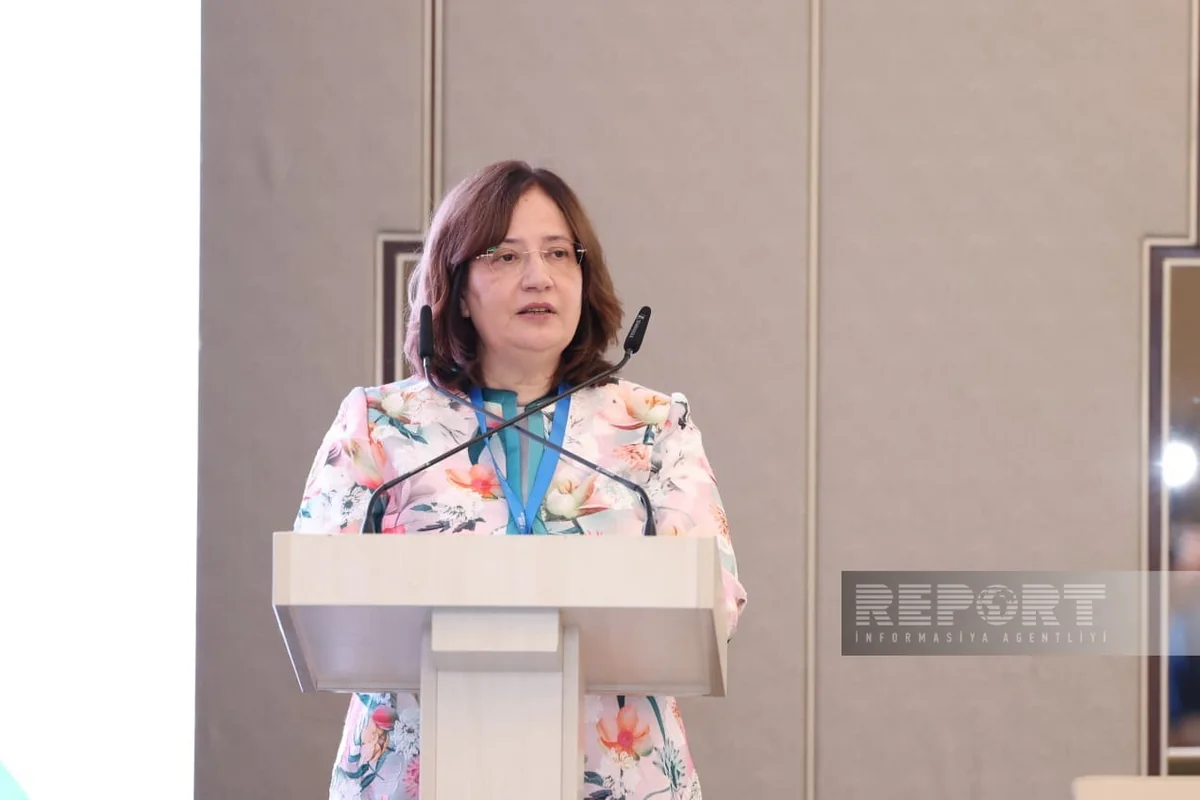
The global need for climate finance is $7.5-9 trillion per year, while the volume of existing financial flows reaches about $1.9 trillion, COP31 CEO and Deputy Minister of Environment, Urbanization and Climate Change of Türkiye Fatma Varank said at the opening ceremony of the 4th Baku Climate Action Week (BCAW 2026).
According to Report, she noted that the mission of COP31 is to turn specific climate goals into real results, projects, and investments.
She said the COP31 Action Program, which includes ten key areas, was announced in June. Among them are clean energy, water resources, urban energy, industrial decarbonization, education, food security, oceans and seas, dynamic and sustainable healthcare systems, renewable energy, as well as creating a "bridge" from climate commitments to their practical implementation.
She emphasized that this agenda is aimed at accelerating the practical implementation of climate commitments.
Speaking about the global climate initiatives announced by the COP31 presidency, she particularly highlighted the goal in the field of electrification. Within the framework of the "35 by 35" initiative, it is planned to increase the share of electricity in global final energy consumption to 35% by 2035.
Another goal is to reduce the energy intensity of the construction sector by at least 12.5% by 2035.
In addition, a task has been set to halve the volume of food waste by 2035. According to her, Türkiye intends to rely on the experience of the Zero Waste movement and make the circular economy and climate education central elements of this work.
The COP31 Chair noted that access to finance remains one of the main obstacles between climate goals and their implementation. "It is precisely to close this gap that we have developed and are implementing the 'Climate Action Bridge,'" she said.
According to her, this mechanism is designed to turn the climate priorities of individual countries into ready-to-finance projects and thereby facilitate the attraction of necessary investments for the implementation of climate initiatives.
Author