Baku 22° C
Deputy minister: AI innovations prompt rethink of technological priorities
- 08 September, 2026
- 11:27
Stay up to date with the top news!
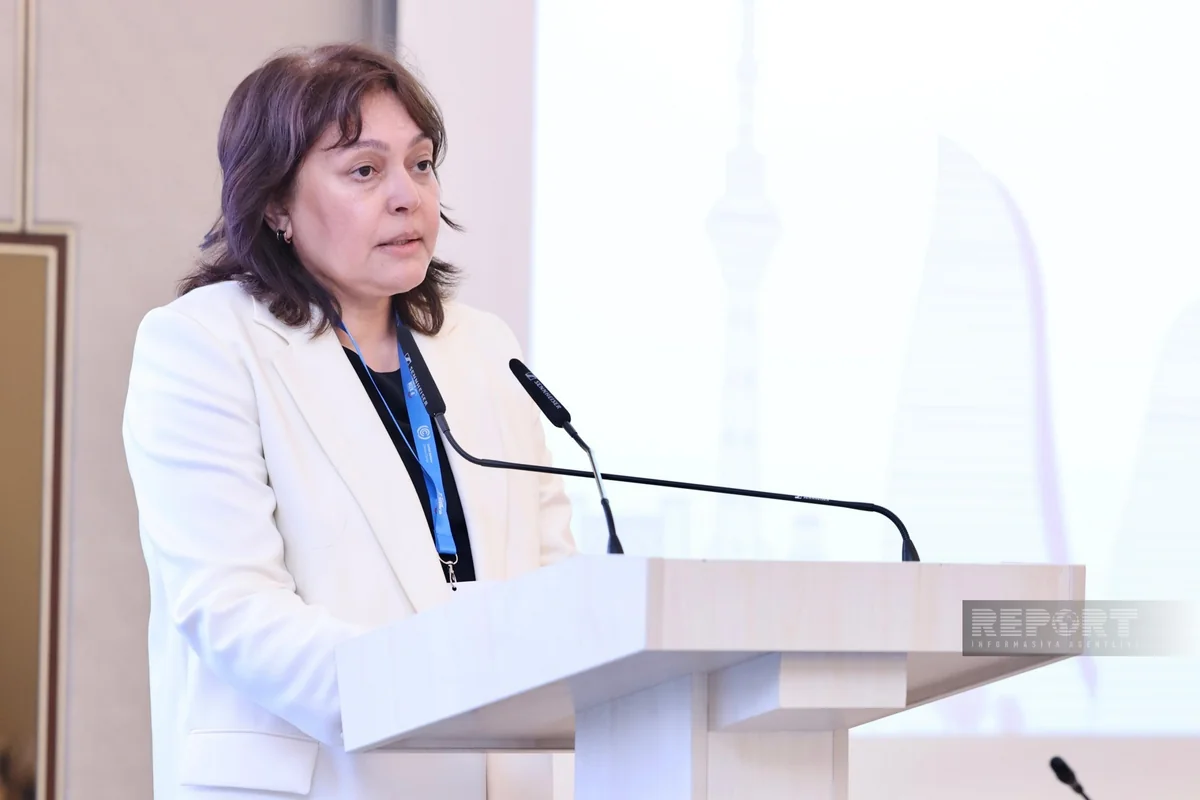
Innovations related to artificial intelligence are prompting us to reconsider our technological priorities, Azerbaijani Deputy Minister of Ecology and Natural Resources Umayra Taghiyeva said at a panel session titled "Benefits and challenges of integrating artificial intelligence into early warning systems for multiple hazards" held as part of Baku Climate Action Week 2026, Report informs.
Speaking about Azerbaijan's plans to address climate risks, the deputy minister said Azerbaijan has taken important steps toward investing in the modernization of its national monitoring system:
"Azerbaijan has an extensive meteorological observation system. Over the past five years, taking into account investments in 2026, 82% of these systems have already been automated. However, this is the first and fundamental step toward establishing an early warning system. There are a number of important targets that still need to be achieved."
She emphasized that, in cooperation with the United Nations Environment Programme (UNEP) and the Green Climate Fund, a project titled "Strengthening climate information and multi-hazard early warning systems to enhance resilience in Azerbaijan" is planned to be implemented.
Taghiyeva added that the world is currently undergoing major transformations and moving toward new opportunities under the influence of artificial intelligence:
"Let me note that innovations related to artificial intelligence are prompting us to reconsider our technological priorities. The importance of this issue is being confirmed across all global platforms. In this regard, the 'Artificial Intelligence Strategy of the Republic of Azerbaijan for 2025-2028', approved by a decree of President Ilham Aliyev in March 2025, is an important document defining our country's policy. The implementation of the strategy will accelerate the development and application of artificial intelligence in the country and establish a more systematic approach in this field."
Author