Baku 17° C
Where poppies bloom amid war scars: A journey through liberated villages of Gazakh
- 02 May, 2025
- 14:19
Stay up to date with the top news!
April 19, 2024 — a date forever etched into Azerbaijan’s history. On this day, as part of the border delimitation process with Armenia, four of the seven long-occupied villages in the Gazakh region — Baganis Ayrim, Ashaghi Askipara, Kheyrimli, and Gizilhajili — were peacefully returned to Azerbaijani control. No shots were fired. It was a clear diplomatic victory for Baku and a testament to the unwavering political will of President Ilham Aliyev. Locals remember the event with gratitude, proudly calling him their Supreme Commander-in-Chief.
On the anniversary of this historic moment, Report's team visited the four villages — a journey filled with emotion and a sense of duty. Many areas remain dangerous due to ongoing demining operations, and every step had to be taken with care. But the chance to witness these lands again after 35 years was worth every difficulty.
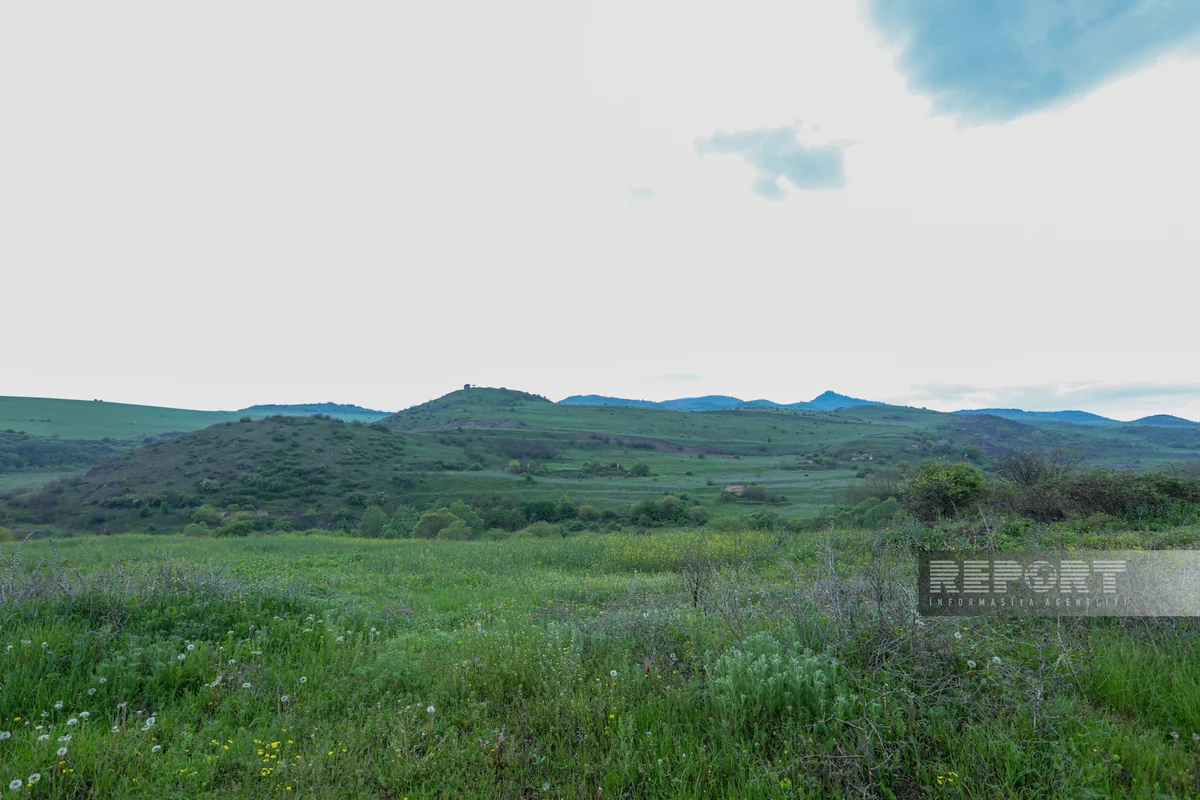
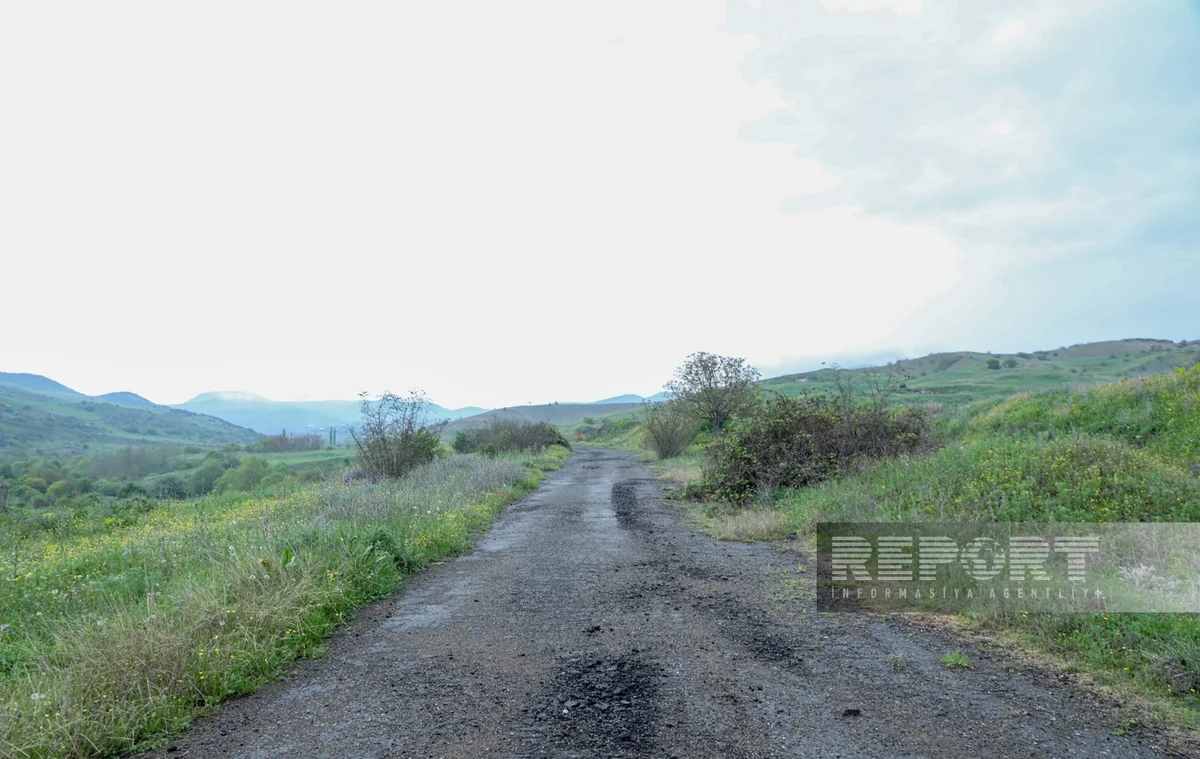
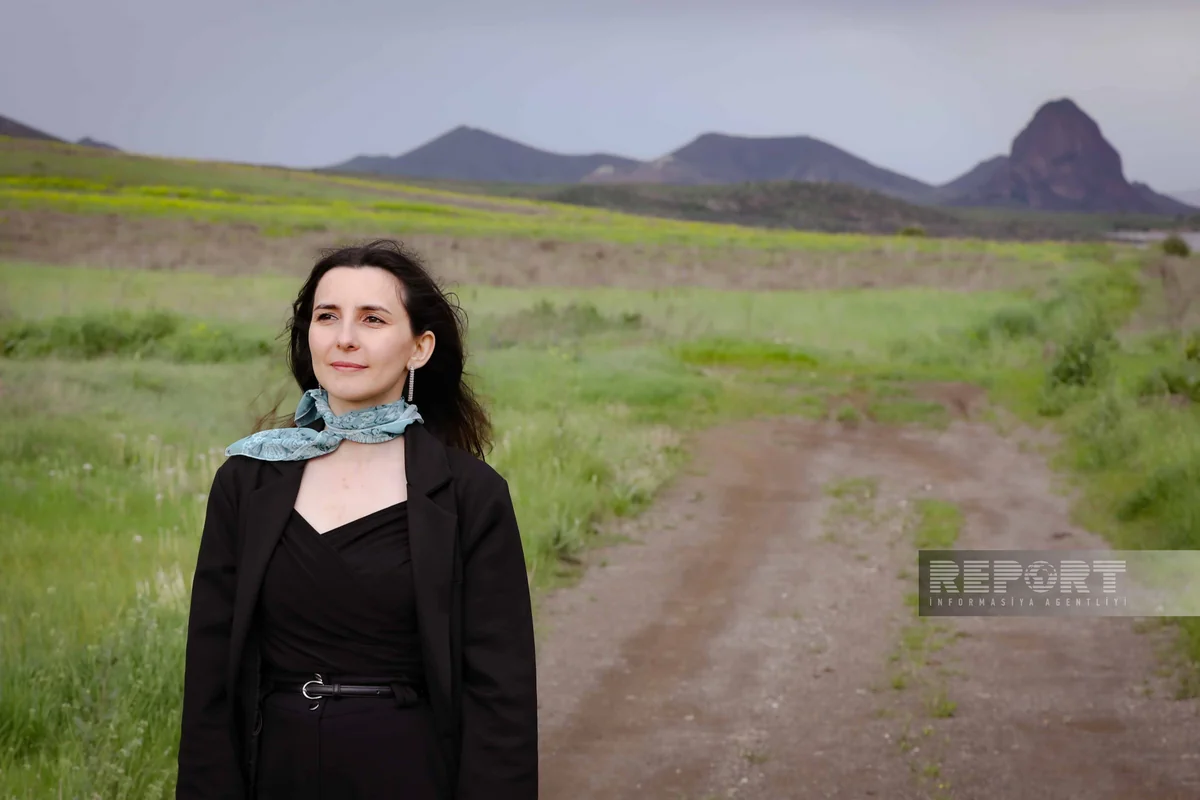
The journey began in Ashaghi Askipara. Nature here overwhelms the senses — crimson poppies sway over lush green fields, and the majestic Mount Goyazan looms on the horizon. Nearby lie the villages of Abbasbayli, Farakhli, and Mezem — places that became symbols of resilience, where people lived in defiance of the enemy's proximity until the very end.
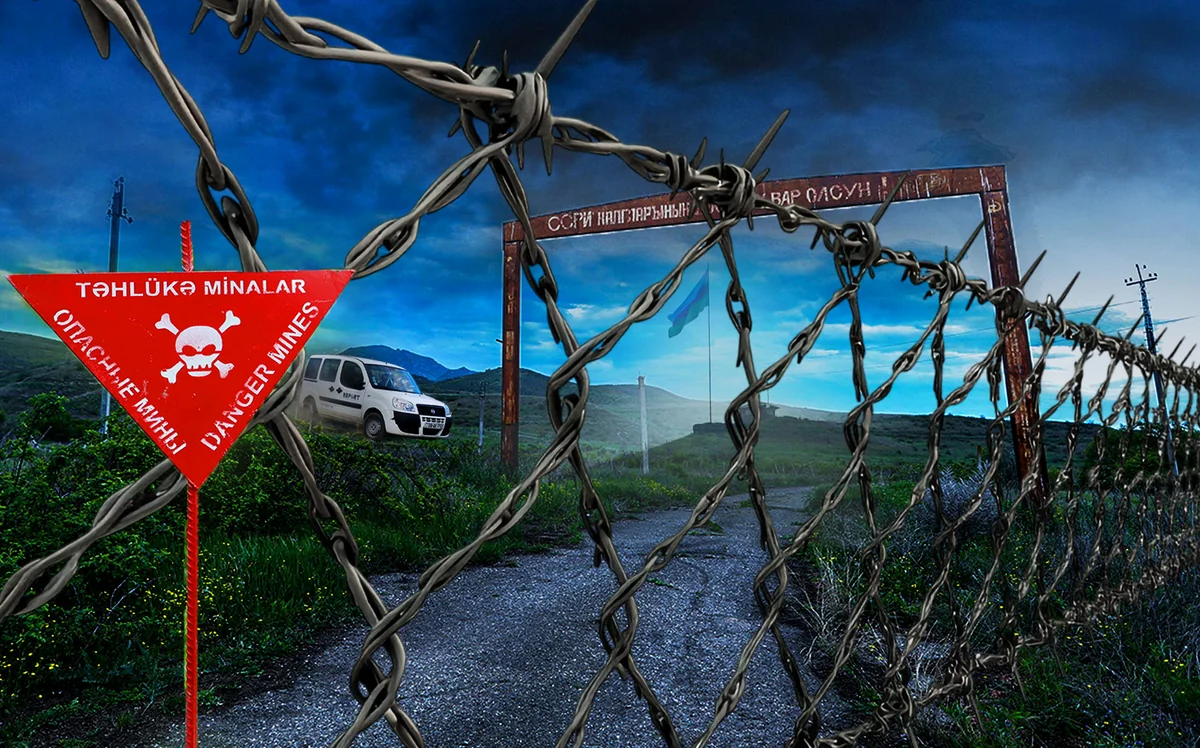
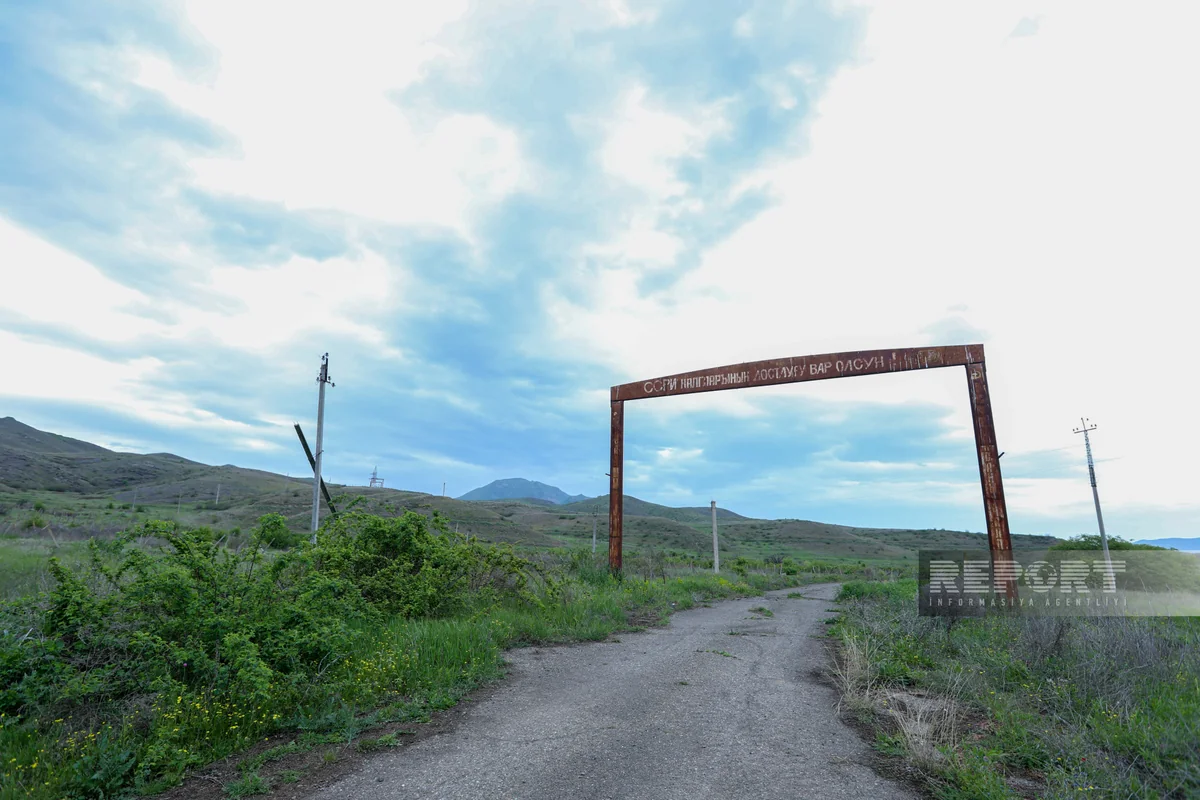
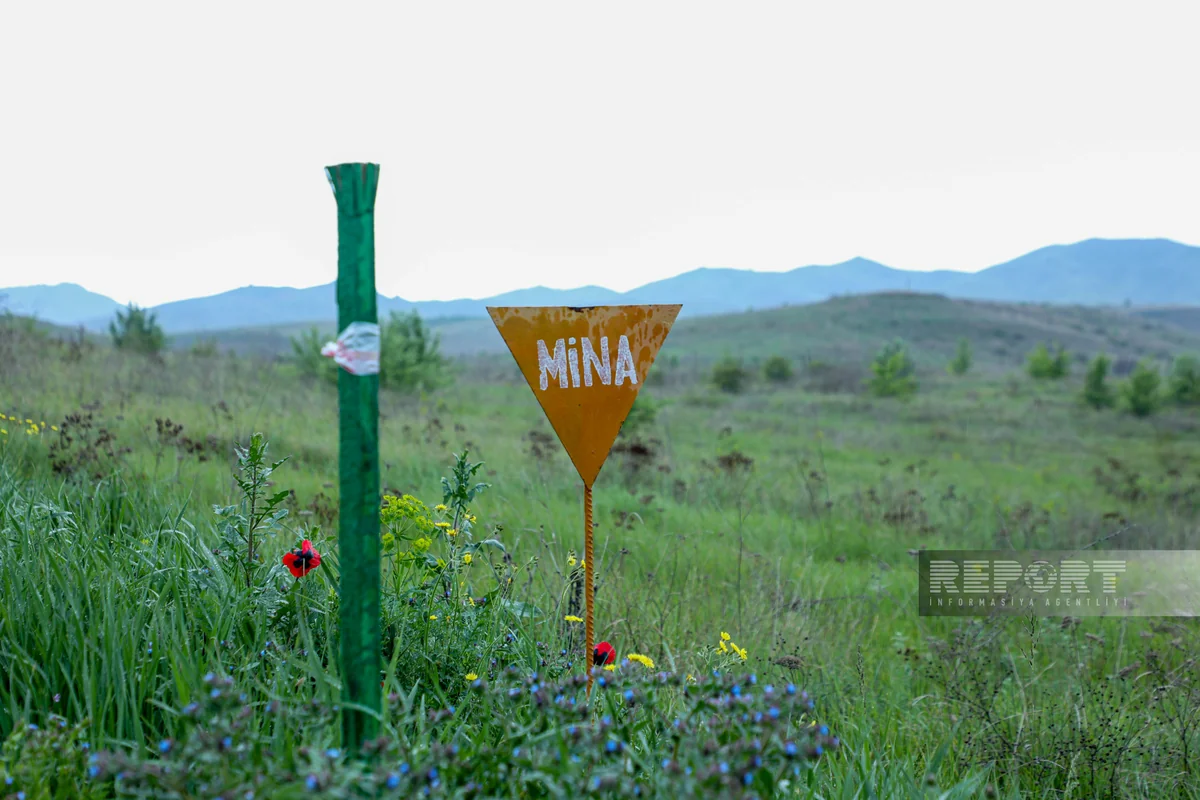
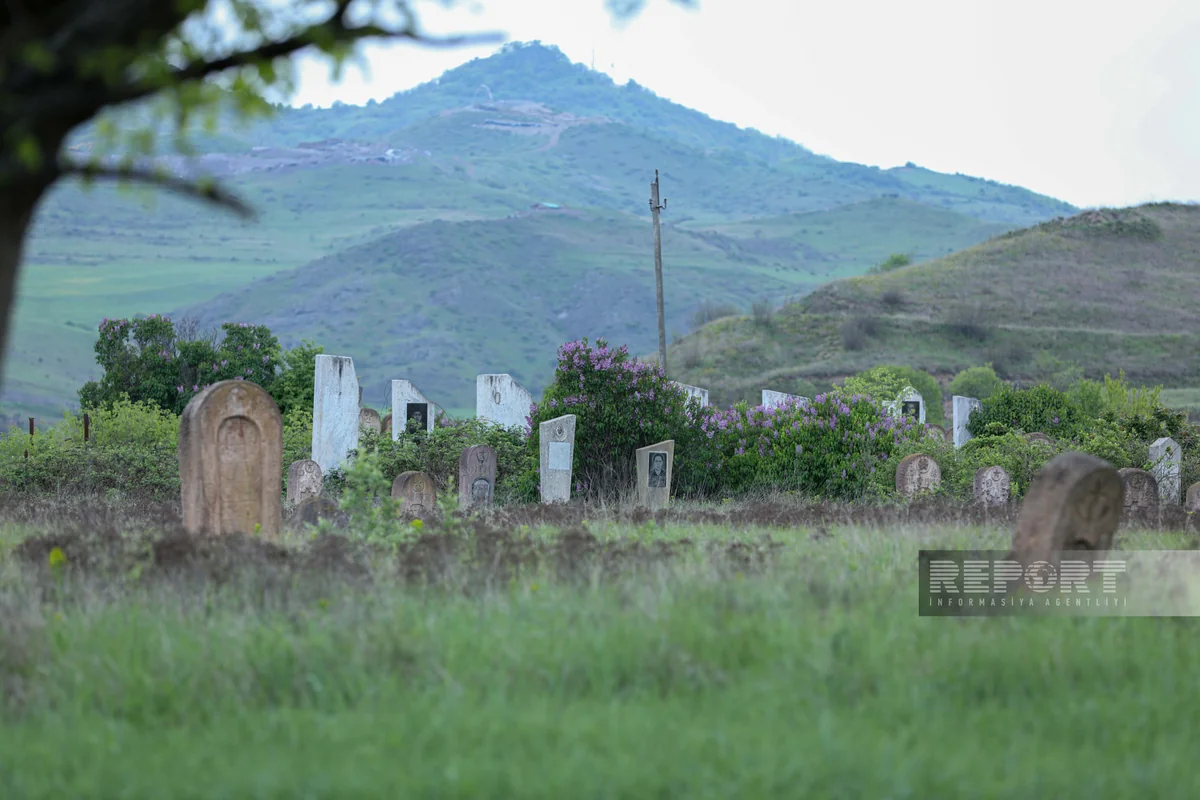
One detail that stood out was a Soviet-era sign at the entrance to Ashaghi Askipara: "Gazakh District, M.A. Sabir State Vineyard Farm," still in Cyrillic. Nearby were ominous landmine warnings. Remarkably, throughout the years of occupation, Armenian armed forces left the village sign and old cemetery untouched.
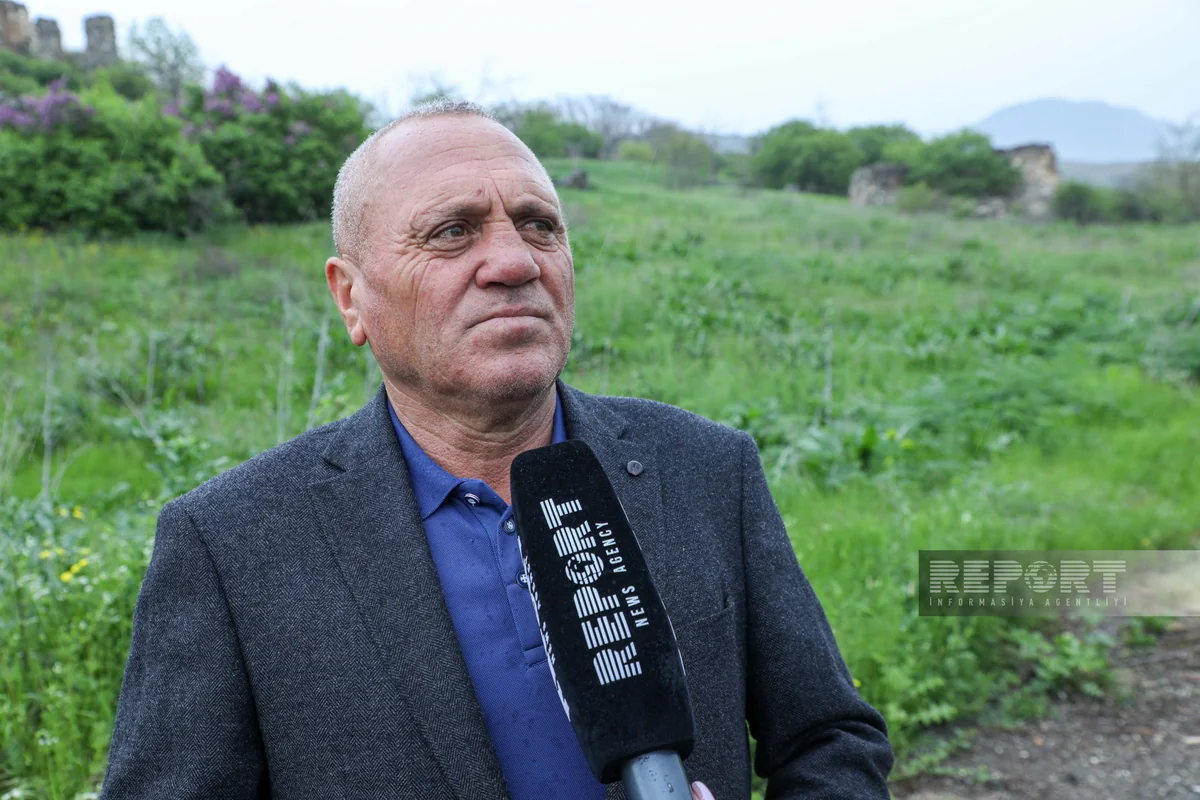
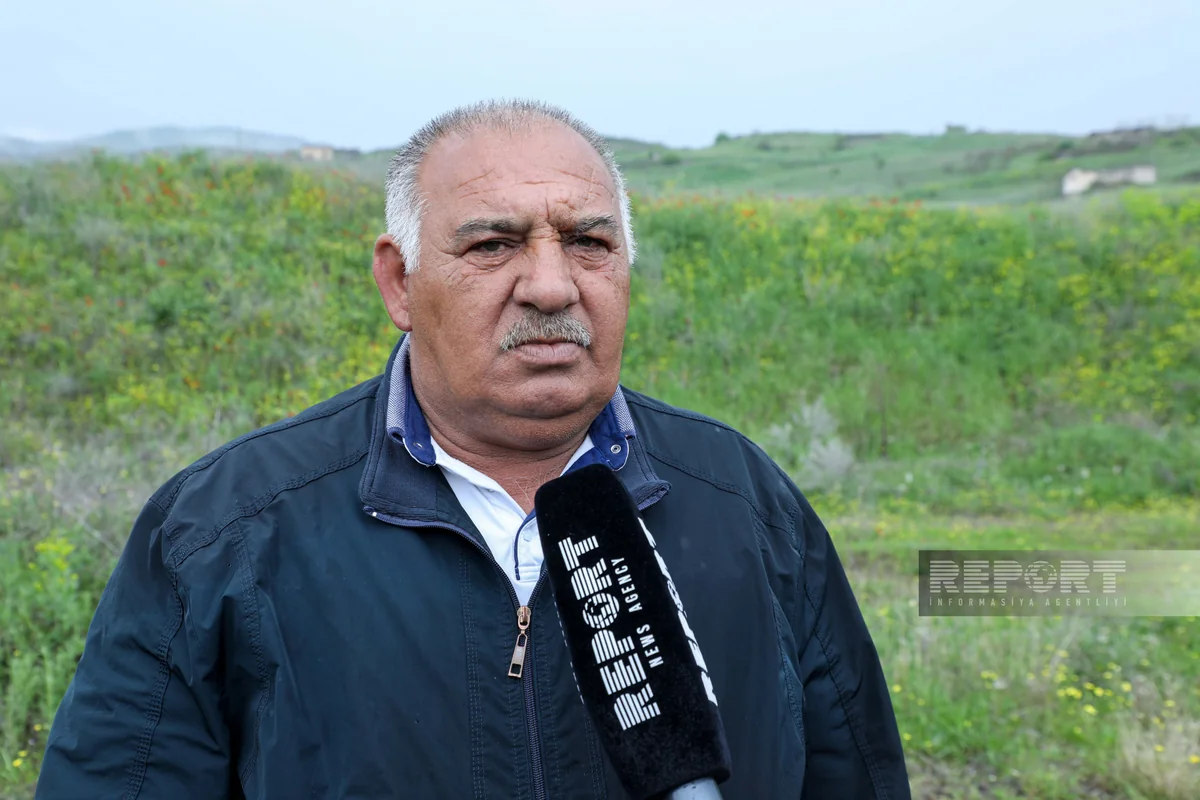
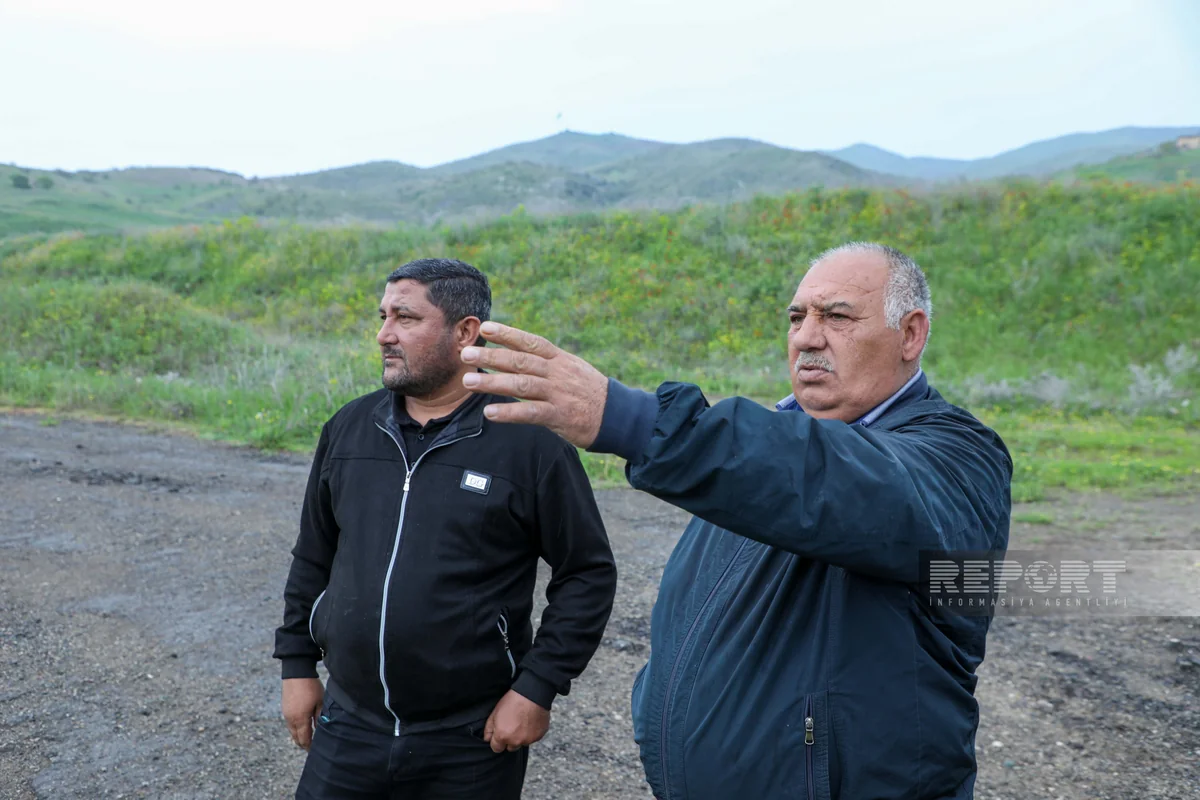
Local native Chingiz Mammadov joined the crew, searching with trembling hands for his father's grave and the ruins of his family home. When he found them, the tears came: "This is my father Abdullah's grave. I named my son after him. After all these decades, I'm finally here again…"
Chingiz shared how he fought for his village as a police officer, surviving eight gunshot wounds while many of his comrades perished.
Tall grass now blankets the village, but familiar plants still push through. "Here — sorrel," he said, pulling leaves from the ground. "It's healing. We used to eat it with salt, right here in the meadows…", he said.
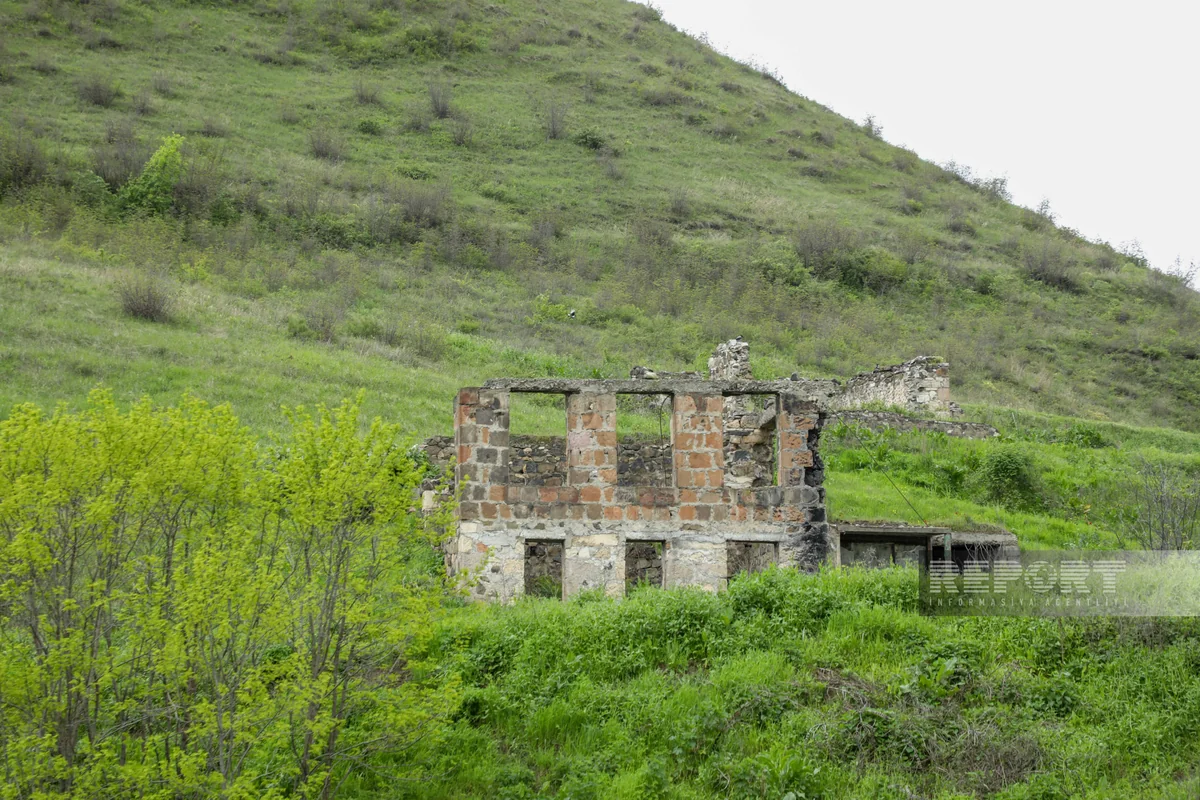
Among the few structures still standing is a 6th–7th century ancient Albanian church, now listed in the state register. It endured, unlike the 16th-century watermill, which has vanished without a trace. Chingiz pointed out a new cross atop the church — something that hadn't been there before. Armenians, he said, had tried to claim the monument as their own.
The next stop was Baganis Ayrim, the site of one of the early atrocities of the First Karabakh War. On the night of March 24, 1990, Armenian militants brutally murdered and burned a family of five in a calculated move to seize the village. Since then, this place has stood as a symbol of sorrow and remembrance.
Ramiz Adigozalov, a village resident, set foot on his homeland for the first time in 35 years. That night, he lost everything — his wife, their infant son, his parents, and his sister-in-law — all murdered and burned. Overcome with emotion, he admitted he still cannot watch the footage from the recent war crimes trial of Armenians in Baku.
"My son was barely 40 days old… They were all killed, then set on fire. The pain is unbearable. There are no graves for many of our martyrs who died here. We buried our loved ones at the cemetery near the village entrance, but we never had time to mark the graves. The cemetery was destroyed after the village was taken. But today, we can return. And for that, we thank our Supreme Commander who gave us back our land without a single bullet fired,” he said, holding back tears.
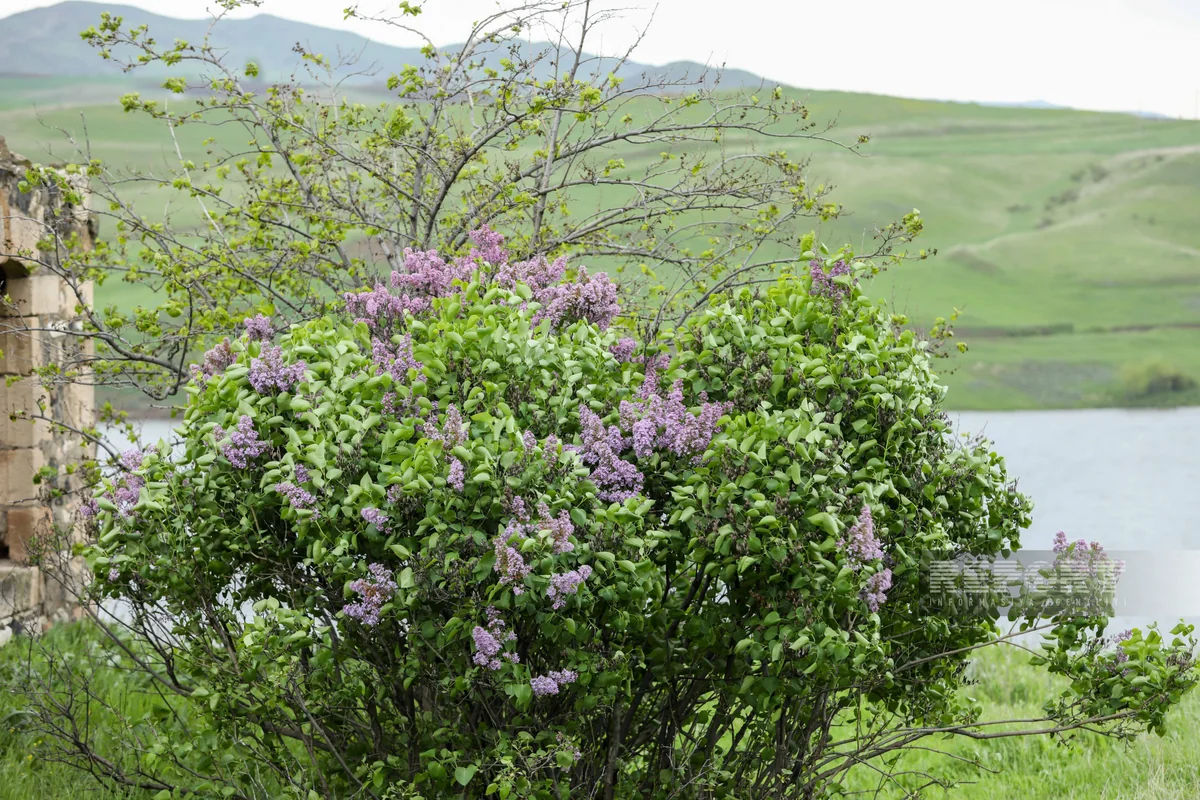
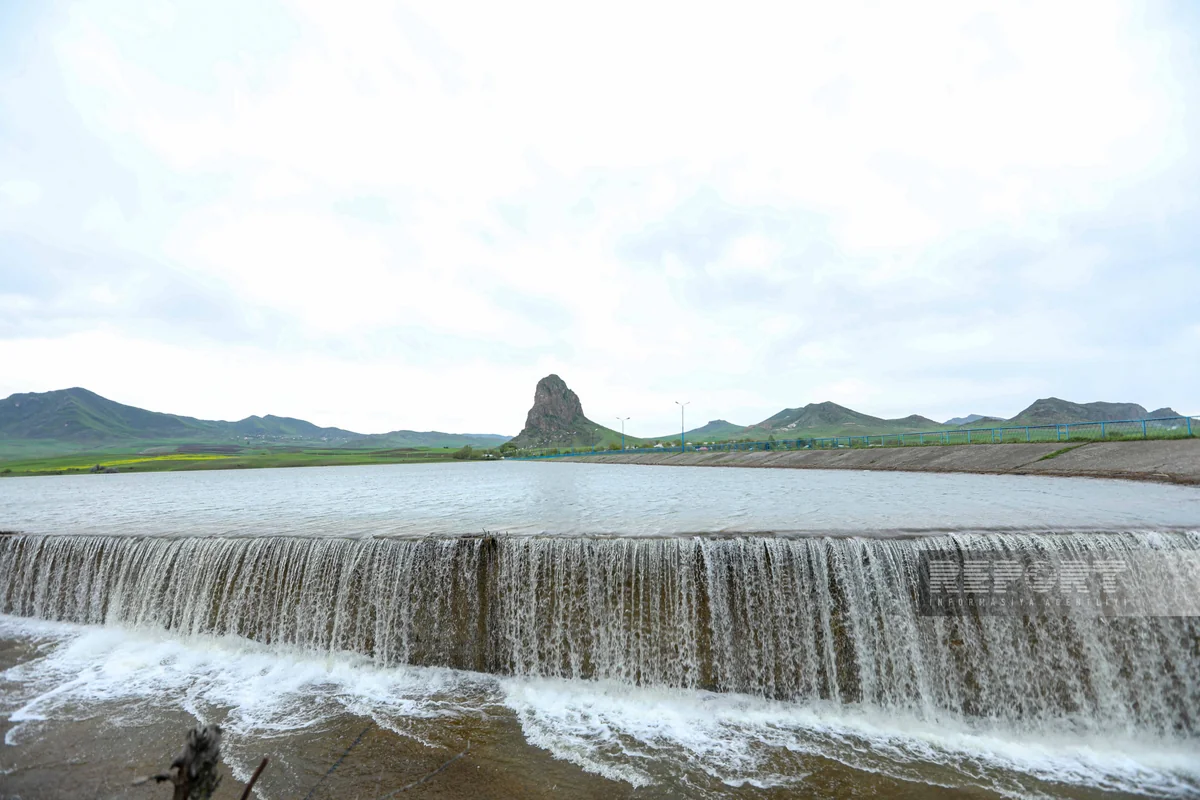
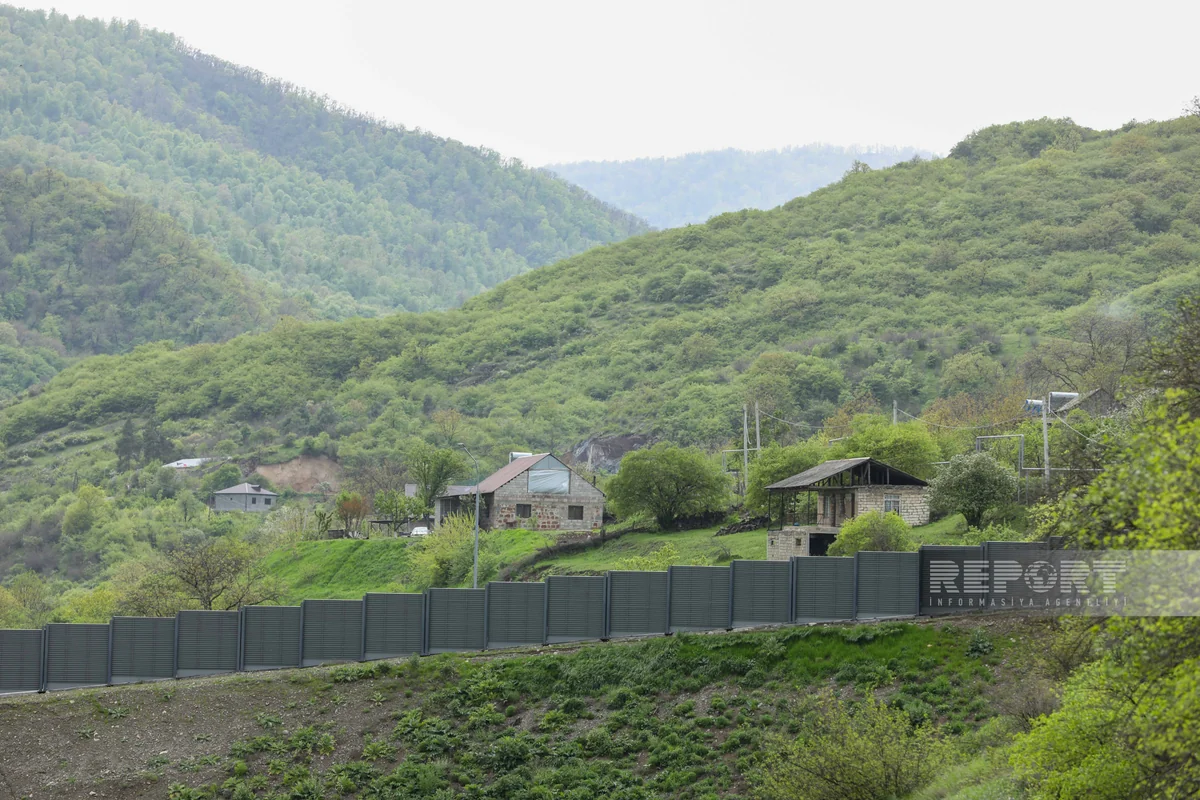
Then was Gizilhajili. The team arrived here under a restless sky — sheets of rain lashed against blooming lilac bushes while wind howled through the remnants of the village. The view of the Jogazchay Reservoir, with Mount Goyazan standing tall beyond it, was breathtaking — nature's beauty defiant against the backdrop of crumbled homes and broken memories. Yet beneath this serene scene lies a darker truth. Locals remember the desecration of their cemetery in 2010 — thirty gravestones destroyed, one replaced with a crude wooden cross.
The final stop was Kheyrimli, a village erased. Not a single building remains. Everything — homes, the old watermill, even the cemetery — was razed after the occupation in 1992. All that endures is the pure mountain air, the rugged landscape, and a powerful message etched into the hillside: "Homeland, my life is yours!" A declaration from a place stripped of everything but dignity.
As the journey ended, the crew cast one last glance at Mount Goyazan. It loomed above the liberated land — quiet, watchful, eternal. More than a mountain now, it stands as a solemn guardian of the past, bearing witness to sorrow, resilience, and a justice long awaited.











Author