Baku 18° C
Azerbaijani NGOs appeal to UK Parliament leadership
- 24 February, 2026
- 11:51
Stay up to date with the top news!
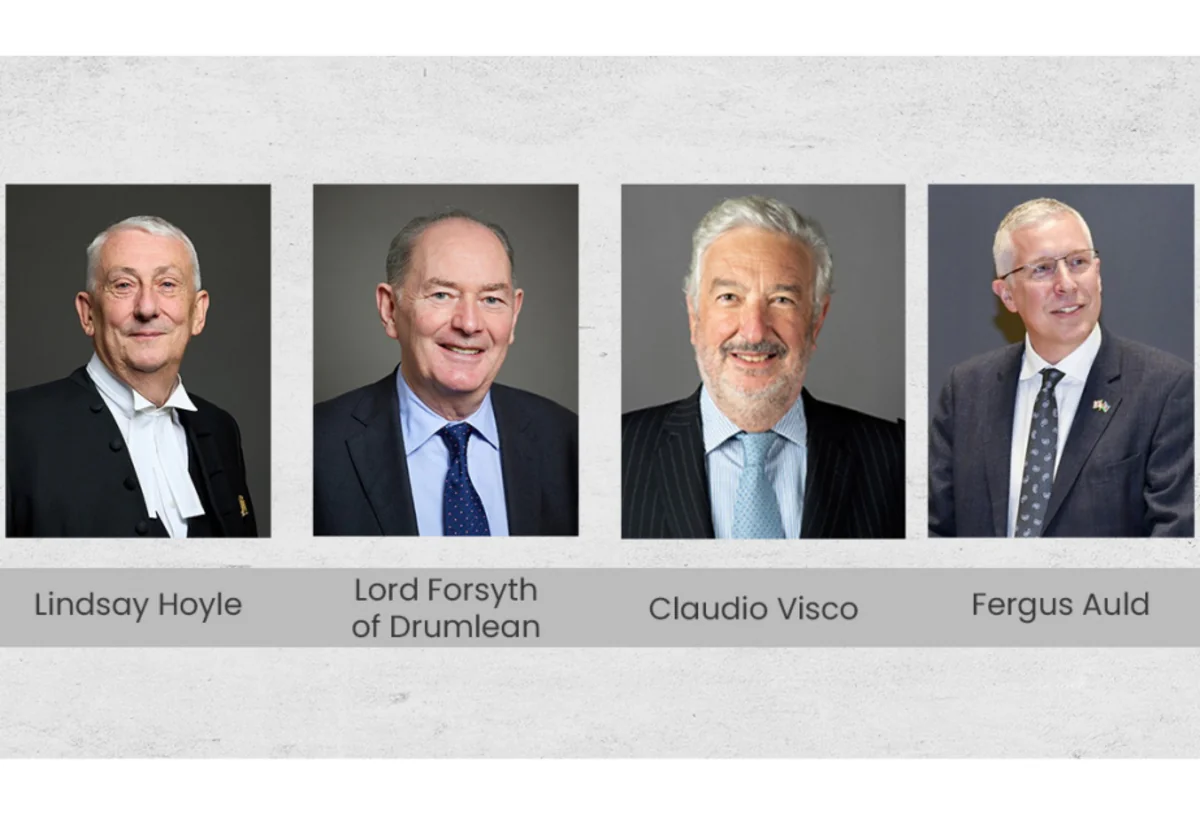
A group of NGO leaders from Azerbaijan has addressed an open letter to the Speaker of the House of Commons of the British Parliament, Lindsay Hoyle, the Speaker of the House of Lords, Lord Forsyth of Drumlean, the President of the International Bar Association, Claudio Visco, and the British Ambassador to Azerbaijan, Fergus Auld.
Report presents the letter:
"Dear Speaker of the House of Commons of the British Parliament Lindsay Hoyle, Speaker of the House of Lords Lord Forsyth of Drumlean, President of the International Bar Association Claudio Visco, and Ambassador of the United Kingdom to Azerbaijan Fergus Auld!
We, a group of Azerbaijan"s civil society representatives specializing in human rights and freedoms, as well as cultural heritage, are appealing to you because of the overt disrespect for the territorial integrity and sovereignty of Azerbaijan by a number of members of the British Parliament and the leadership of the Institute of Human Rights of the International Bar Association, who have launched a political campaign against our country on the basis of unverified and unconfirmed information.
They have announced an inquiry into the "destruction of Armenian cultural heritage in Nagorno-Karabakh."
First and foremost, it should be noted that there is no territorial unit called "Nagorno-Karabakh" in Azerbaijan. The Garabagh region is a sovereign territory of Azerbaijan, and this is unequivocally recognized as such by the international community, including Great Britain itself. Therefore, the term "Nagorno-Karabakh" used in the inquiry is legally and historically incorrect, and its use is unacceptable. This is a dirty political campaign directed against the territorial integrity and sovereignty of the state of Azerbaijan. Such an approach is already clear evidence that the inquiry does not meet the criteria of objectivity and legal validity.
The conflict between Armenia and Azerbaijan has ended, as both countries have made great progress in the peace process. The text of the peace treaty is now ready and was initialed during the Washington summit held on August 8 last year. It is clear that the peace treaty to be signed covers the issues on the agenda between the two countries. This being the case, the launch of such an inquiry by actors outside the region raises serious questions about its main intentions and goals. The initiative aims to disrupt the process of normalization between the two countries, undermine trust, and revive separatist tendencies by inciting sentiments of revenge. This should not be in the interest of the British government, which has supported the normalization process between Azerbaijan and Armenia from the very beginning and has already established a strategic partnership with both countries. Then whose interests does this initiative, which British parliament members have joined, serve?
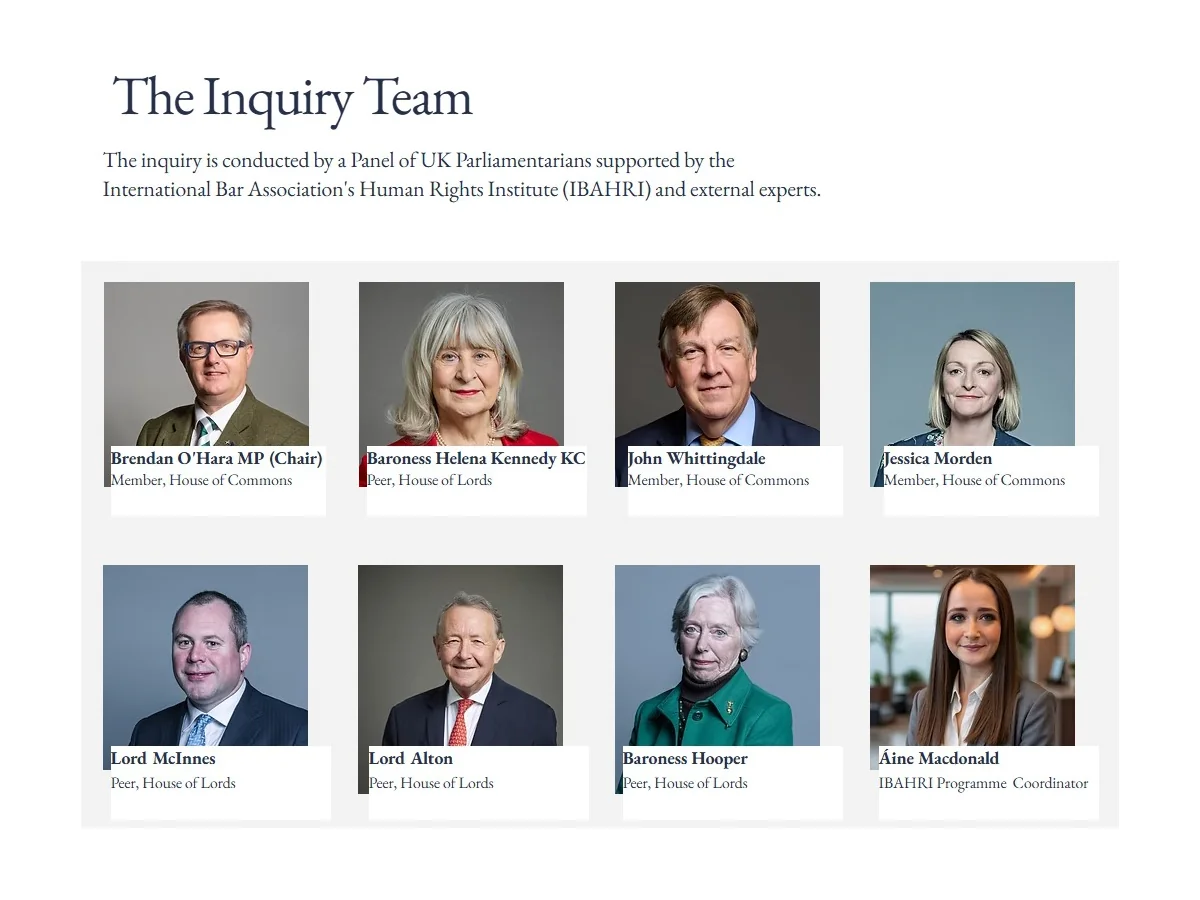
The content and form of the questions of the inquiry clearly reveal that it does not aim to conduct an objective investigation. Instead of serving to determine facts in a neutral manner, the questions suggest that a violation has already "occurred." Anyone looking at the questions can clearly see that the inquiry is a biased scenario aimed at creating a false impression in the international community and based on the political orders of certain interest groups.
The composition of the panel and the controversial and prejudiced activities of the individuals represented on it in the past raise serious questions over their neutrality in this process. The British MPs represented on the panel have consistently demonstrated an anti-Azerbaijani position over the past decades. Interestingly, the panel does not include any MPs with a neutral position on the subject other than those who have traditionally supported Armenia's aggression and policy of occupation against Azerbaijan in the past. Under such circumstances, who can ever have any hopes for the objectivity of the inquiry? It is clear that the goal here is not to reach an objective legal conclusion, but to weaken the British government's support for normalization efforts by keeping the existing biased position active in the British Parliament.
Author