Baku 16° C
New world order in post-pandemic period - what opportunities are opening up for Azerbaijani economy?
- 09 March, 2023
- 08:25

Stay up to date with the top news!
The global economy, still reeling from the effects of the pandemic and Russia's invasion of Ukraine, faces an increasingly bleak and uncertain outlook as the ongoing war in Ukraine has clouded prospects for a post-pandemic recovery.
This period was not easy for Azerbaijan either: the COVID-19 pandemic, the Second Karabakh War in 2020, geopolitical tensions, negative processes in the global economy, and finally, the earthquake in Türkiye continue to directly or indirectly affect the socioeconomic development of the country. High inflation, tightening of monetary policy and rising prices for goods and services in many countries, including those of Azerbaijan's trading partners, fluctuations in prices for energy resources and raw materials, disruption of production and supply chains could not but affect the Azerbaijani economy.
The largest share of the country's exports belongs to the oil and gas sector. The share of this sector in total exports increased from 68.8% in 1999 to 89.5% in 2019. Although the value of non-energy exports (mainly agricultural products such as tomatoes, fruits, nuts, cotton and non-monetary gold) increased between 1999 and 2019, their share in total exports fell from 31.2% to 10.5%, and for this period averaged only 3% of Azerbaijan's GDP. According to Azerbaijan's new national export strategy, covering the period up to 2026, more than 100 products with export potential have been identified. Relevant work will be carried out to export them to new and existing markets. In 2022, non-oil exports for the first time in the history of Azerbaijan exceeded $3 billion, an increase of 12.3%, and this year it is expected to reach $3.4-3.5 billion. At the same time, Azerbaijan's foreign trade turnover increased by 55.4% to $52.69 billion last year.
It is noteworthy that in the non-oil sector, the country has increased the export of services such as tourism, transport, computer and information services, but the impact of the COVID-19 pandemic, which hit tourism particularly hard, still continues to affect the sector negatively. Tourism is one of the most sensitive sectors. Besides, still not recovered from the pandemic, the tourism sector is also affected by the ongoing Russian-Ukrainian war, tensions in Iran and their impact on the region.
Though Azerbaijan received more than 3 million tourists before the pandemic, in 2020, this flow decreased by 4-5 times. The tourism sector faces a serious task in order to reach at least the same indicator, but for this, the COVID-19 incidence must be minimized, the number of flights increased, and of course, it is important to remove restrictions and open borders for passenger traffic.
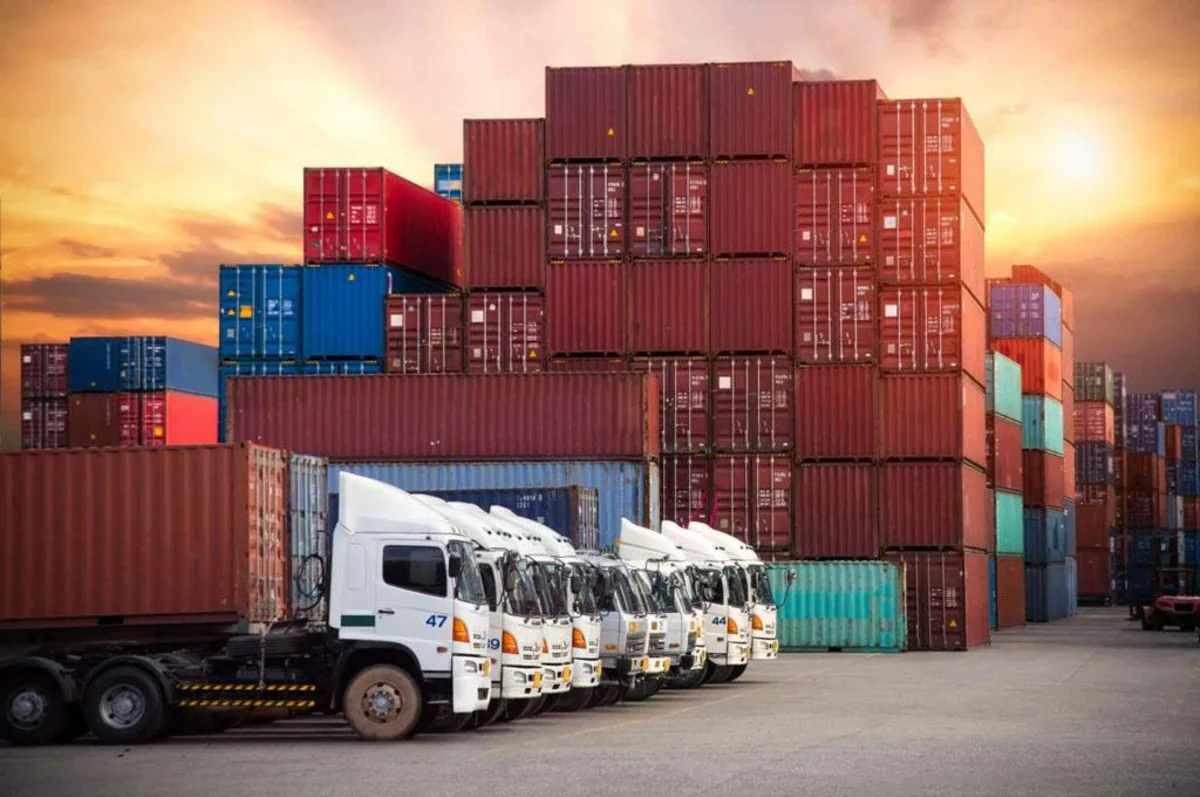
As for the devastating earthquake in Türkiye, since the country is one of the main trading partners of Azerbaijan, accordingly, any significant shocks in its economy cannot pass without a trace for Azerbaijan. However, no significant changes are expected in the supply of the main commodities. The forecasts for the mutual tourist flow may undergo a correction, which is more likely due to the psychological factor, but this will be temporary.
The impact on the world economy was marked by an increase in oil prices, as well as an increase in the price of cement and concrete. The quake also affected shipments for global logistics companies.
Gas and green prospects
According to World Bank forecasts, Azerbaijan's oil sector will account for only 10% of Azerbaijan's total GDP in 2050, compared to 29.5% in 2020.
Production from the oil sector is expected to decline significantly, with output from existing fields falling as fields mature, and investment in new production will be required to compensate for this. In 2019, Rystad Energy estimated that planned exploration projects in the Azerbaijani part of the Caspian Sea could increase Azerbaijan's recoverable reserves by 4.4 billion barrels over the next decade. However, the COVID-19 pandemic has caused delays in existing projects, as well as a sharp decline in oil investment, which is likely to affect this expectation negatively.
While investment in new oil projects will continue to be needed worldwide to replace the natural decline in existing wells, future developments will likely include lower oil price expectations and a gradual decline in oil demand over the long term.
Energy consumption in Azerbaijan is much more dependent on fossil fuels than in other countries. Fossil fuels account for 97.5% of domestic energy consumption in Azerbaijan, of which about two-thirds is natural gas and one-third is oil, while renewables account for only 2.5%.
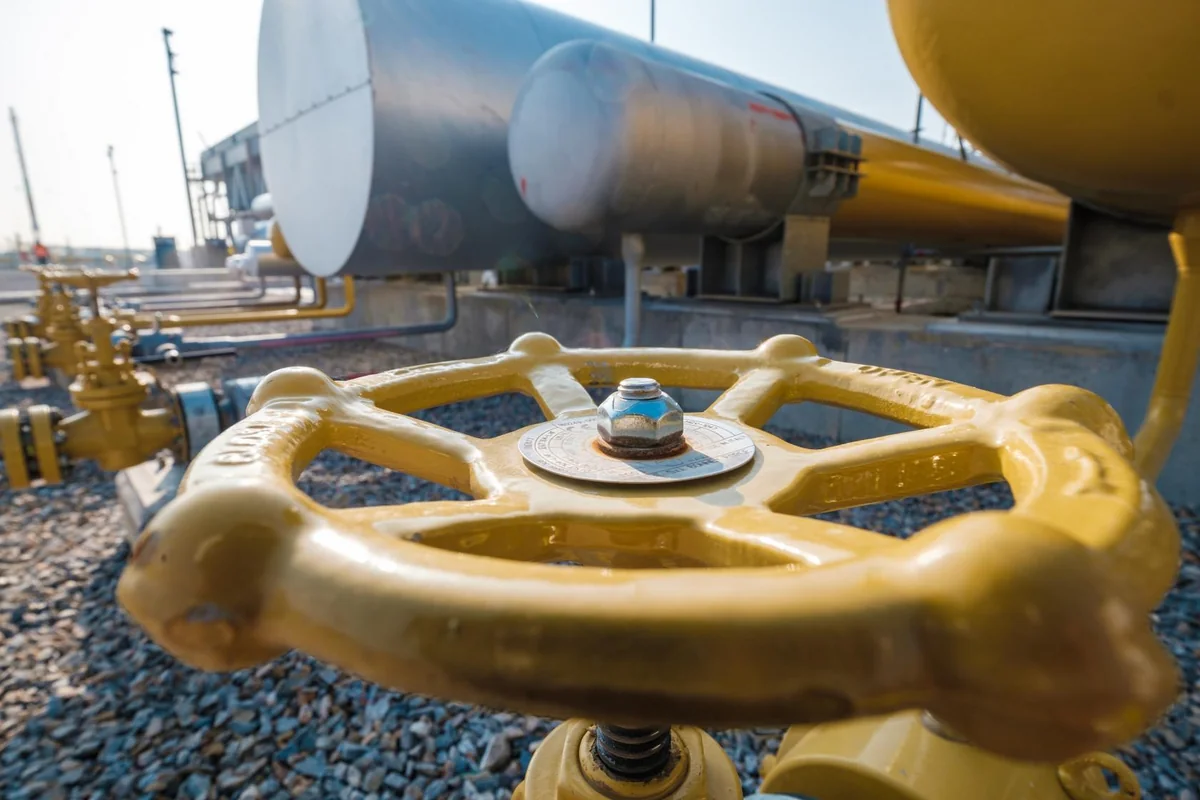
Kazakhstan, Turkmenistan and Uzbekistan are also dependent on fossil fuels, although coal makes up a large share of domestic energy consumption in Kazakhstan. Russia, especially Ukraine, has a smaller share of fossil fuels in total energy consumption, partly because of the higher share of renewable energy sources and because nuclear energy accounts for a large share of total energy consumption. In the European Union, fossil fuels account for about three-quarters of energy consumption, with renewables accounting for 15% and nuclear power for 11%.
The oil and gas sector will remain an important part of the Azerbaijani economy, so it is important that volatility in global energy markets is not passed on to the country's economy through spending volatility or through rising prices. In other words, Azerbaijan will need to avoid the economic growth cycles characteristic of the past.
Although global instability has confirmed another reality - an economic crisis is considered inevitable and sometimes even a boon for the country. So after the start of the Russia-Ukraine war, Azerbaijan received over ten requests from European countries with a request to either increase or start gas supplies. Although today Azerbaijan does not have sufficient volumes of gas to satisfy these requests, it is necessary to start commercial negotiations now, particularly with countries that receive Azerbaijani gas.
Currently, Azerbaijan consumes about half of the natural gas produced, mainly for electricity generation and, to a lesser extent, for heating, while the rest is exported. This level of export is relatively low compared to other major natural gas producers. However, reducing domestic consumption can increase the amount of natural gas available for export and can be achieved either through energy efficiency policies or by replacing natural gas with renewables in electricity generation. The ratio of production to reserves in Azerbaijan indicates that there is scope for increasing production.
Since the commissioning of the Trans-Adriatic Pipeline (TAP), more than 21 billion cubic meters of natural gas have been supplied from Azerbaijan to Europe, namely to Greece, Bulgaria and Italy. Work is underway to double TAP's capacity to 20 billion cubic meters, further contributing to Europe's energy security.
Azerbaijan is also actively preparing for the "green race" along with the world's largest countries. China, for example, is today the undisputed leader in the global solar industry market (not only creating generating capacities, but also producing components for solar power plants, etc.). The EU, India and the US are also striving for leadership in this field. Europe believes that increasing the use of renewable energy sources, especially solar, will allow it to increase its energy security.
Azerbaijan, together with international energy companies, is beginning the creation of large-scale capacities for producing and exporting renewable energy.
Last year, the construction of two large power plants was launched: the Garadagh solar (230 MW) together with Masdar (UAE) and the Khizi-Absheron wind power plant (240 MW) together with ACWA Power (Saudi Arabia).
Azerbaijan plans to increase the share of renewable energy sources in electricity generation capacity to 30% by 2030, and reduce greenhouse gas emissions in the country by 40% by 2050.
Moreover, Azerbaijan is developing renewable energy sources not to ensure its own energy security, but because this industry has a vast potential. In addition, it will help the country to diversify exports and create a new environmentally friendly sector of the economy.
In the short term, the agreement signed with Masdar will enable the production of 4 GW of wind and solar power by 2027, and another 6 GW by 2037. In the medium term, this volume will be increased to 10 GW. Azerbaijan plans to create another 12 GW of renewable energy generating capacities together with the Australian Fortescue Future Industries.
As a result of this work, in parallel with becoming a green energy country, Azerbaijan expects to become an important and reliable partner for the EU with renewable energy and hydrogen exports. In this regard, Azerbaijan plans to participate in the project for laying a submarine cable line from Georgia to Romania with a capacity of 4 GW.
Azerbaijan has turned into a transport and logistics hub
Despite not having access to the open sea, Azerbaijan has already become an international logistics and transport hub. Moreover, against the background of the events taking place in the world, the country's transit role has increased even more.
Due to the Russian-Ukrainian war, cargo previously transported along the Northern Corridor is now redirected to the Middle Corridor (Trans-Caspian International Transport Route, TITR). Even if the situation in the Northern Corridor improves, part of the cargo will remain in the Middle Corridor, as international companies consider the Middle Corridor to be more reliable and safe.
Before the Russian-Ukrainian conflict, there was a decrease in the turnover of rail transportation, but last year the turnover increased. In 2022, 38,692 railcars were handled - 27.2% more than in 2021.
However, to speed up cargo transportation along the Middle Corridor, it is necessary to overcome the existing infrastructure restrictions in several directions, mainly in Kazakhstan and Georgia.
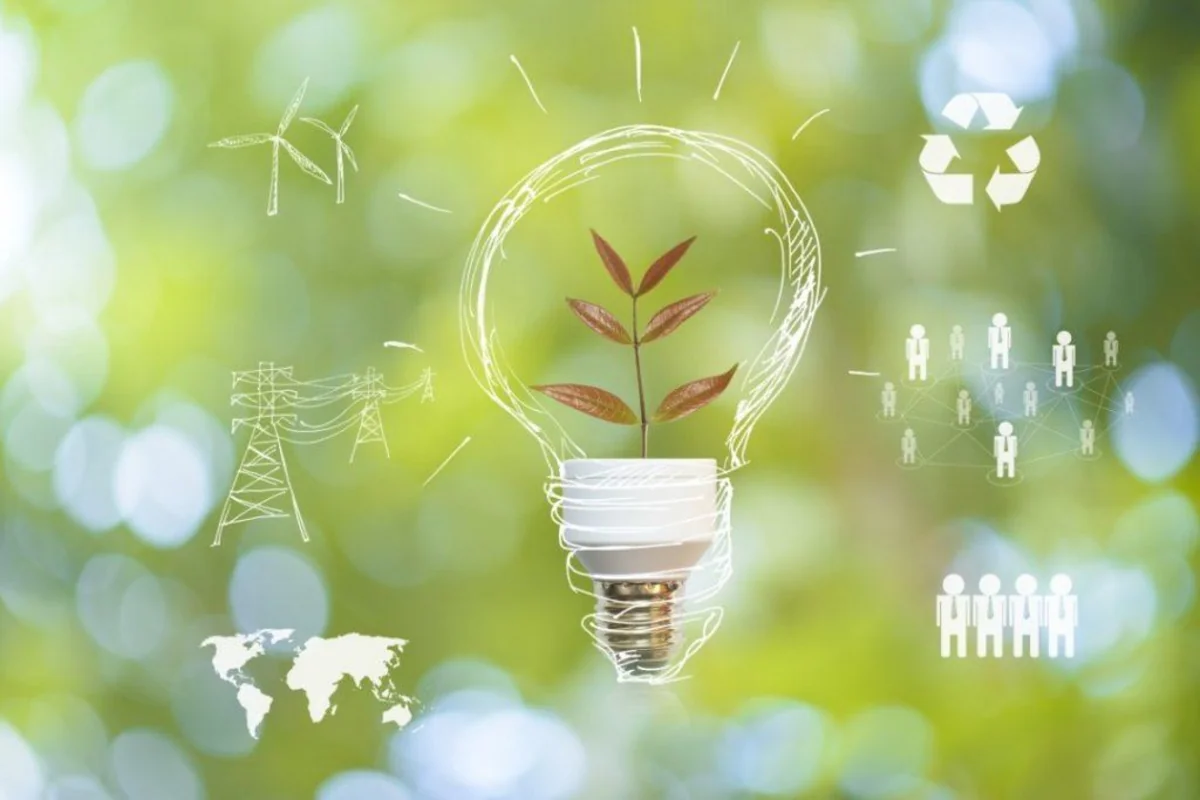
Currently, there are sections with low capacity on different segments of the Middle Corridor. Kazakhstan is one of the active countries of the Middle Corridor. Last year, Kazakhstan's cargo volume along this route increased by 2.5 times compared to 2021 and reached 1.5 million tons. Although Kazakhstan is already building a third border checkpoint in the Almaty direction, its port infrastructure is incapable of handling large volumes of cargo and needs to be expanded. The main interest of Kazakhstan is related to the transportation of oil, coal and uranium, but the Chinese concept of "One Belt, One Road" is aimed at increasing container traffic. In this context, it is necessary to expand the infrastructure of the ports of Aktau and Kuryk.
Georgia is also one of the most important countries in the Middle Corridor, but sometimes goods sent from Azerbaijan are delayed in the Georgian port. The current priority for Georgia is constructing the deep water port of Anaklia on the eastern coast of the Black Sea. The port will be able to receive up to 100 million tons of cargo and up to 1 million containers. Panamax-type ships will moor in this port. Georgia is also waiting for the completion of the modernization of roads and railways along the East-West corridor in 2024.
Türkiye has announced a railway expansion project. US$190 billion is expected to be invested in the country's infrastructure over 30 years. About 63% of this amount will be invested annually in the railway, since the potential for transportation is great, and the throughput is many times lower than its potential.
As for Azerbaijan, the construction of the second phase of the Baku International Sea Trade Port will begin by the end of 2023 or at the beginning of 2024.
As part of the second phase of the development of the Baku Port, constructing an intermodal and multimodal terminal, available in the most developed ports of the world, will create conditions for attracting even more cargo to the region. It will allow finding fast logistics solutions for cargo entering the Middle Corridor.
In 2022, 6.314 million tons of cargo were transported through the Baku Port, which is 13.6% more year-on-year. The throughput capacity of the Baku Port is planned to be increased to 25 million tons to increase the attractiveness of the Middle Corridor.
Furthermore, changes are being made in the tariff policy: since March 1, tariffs for road transport in both directions along the Baku-Turkmenbashi route have been reduced, and since early February, transportation of cars in this direction has been carried out at reduced rates. Within the framework of TITR, it is planned to create a joint venture between Azerbaijan, Türkiye and Georgia, which will simplify the transportation process and, thereby, increase the significance of the route.
The new joint venture will also provide intermodal transport and logistics services, agreement on cross-border pricing, and implement a single IT platform to fully automate freight transport from China to Türkiye and Black Sea ports.
So, considering all of the abovementioned, Azerbaijan, being a supplier of energy resources, will continue to increase its influence, both as a transit country and as an exporter of renewable energy sources.
Author