Baku 21° C
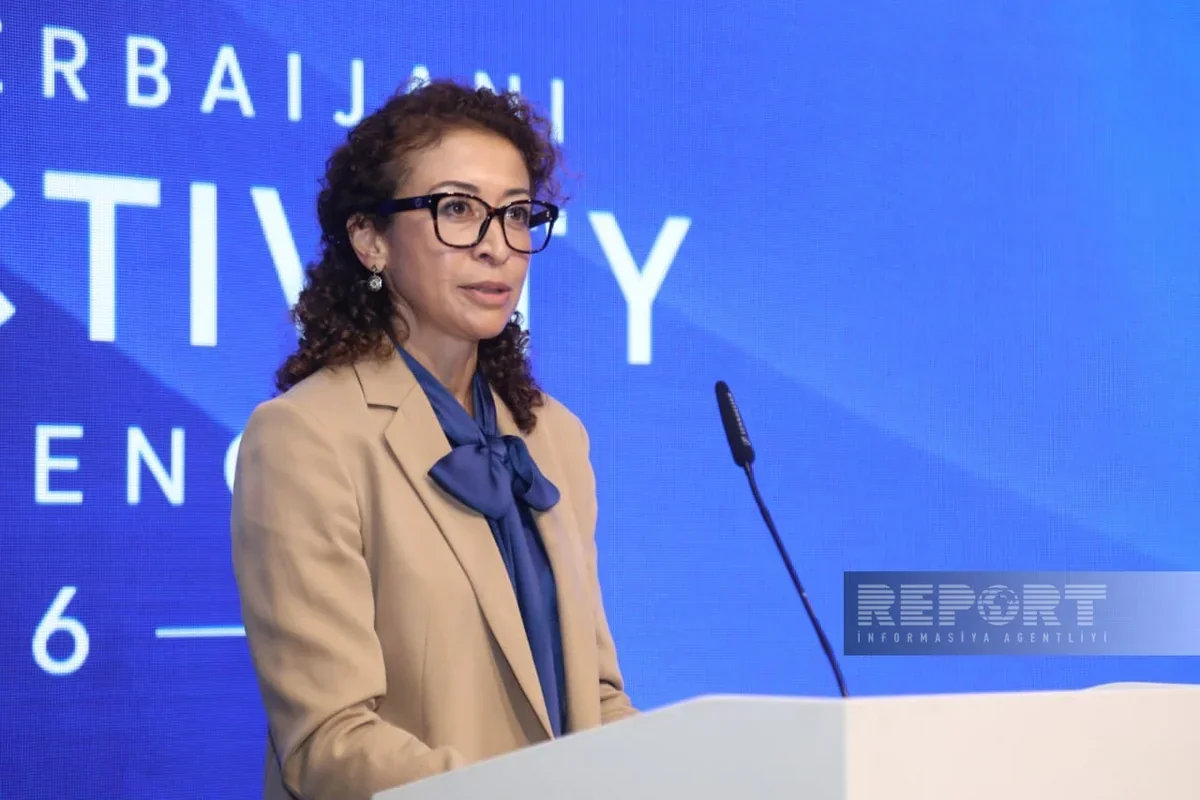
Nargis Wieck: Azerbaijan well positioned to serve as Germany's gateway to South Caucasus, Central Asia
- 07 October, 2026
- 17:44
Stay up to date with the top news!
Azerbaijan-Germany economic ties have expanded into new areas in recent years. Cooperation is no longer limited to trade and investment, but also covers industry, high technology, agriculture, logistics, renewable energy, vocational education and technology transfer. Azerbaijan"s growing role as a regional transport and logistics hub and the diversification of its economy are creating new opportunities for cooperation for German companies.
Trade relations between the two countries also remain one of the key areas of cooperation. In January-August 2026, trade turnover between Azerbaijan and Germany amounted to $768.6 million, down 35.2% year-on-year. Of this amount, $286.9 million accounted for imports, while exports totaled $481.7 million. However, the dynamics in trade turnover have not been accompanied by a similar increase in investment flows.
In 2025, foreign direct investment from Germany to Azerbaijan amounted to $26.3 million, down 65% from the previous year. At the same time, direct investment from Azerbaijan to Germany increased 2.69-fold to $61.7 million. These figures indicate that there is still significant potential to develop the investment component of economic cooperation between the two countries, particularly in new and more diversified areas.
In an interview with Report, Nargis Wieck, Executive Director of the German-Azerbaijani Chamber of Commerce (AHK Azerbaijan), assessed the current state and prospects of economic relations between the two countries, German companies" interest in the Azerbaijani market, as well as possible areas for expanding investment and technology cooperation.
We present the interview to our readers:
- How much are German companies interested in investing in Azerbaijan?
- German companies demonstrate steady interest in Azerbaijan as a business and investment destination. Around 180 German-affiliated companies are represented in the Azerbaijani market, reflecting the long-standing economic ties between our two countries.
Germany and Azerbaijan can look back on a long history of economic cooperation that dates back to the nineteenth century. This tradition continues today through trade, industrial cooperation, technology transfer, and business partnerships.
Azerbaijan"s strategic location, ongoing economic diversification efforts, and growing role as a regional transport and logistics hub continue to attract German businesses. In particular, the increasing importance of the Middle Corridor is creating new opportunities in logistics, infrastructure, and industrial development.
At the same time, it is important to recognize that Germany's economy is currently facing a challenging environment. Investment decisions by German companies are typically prepared over a long period of time and are carefully assessed against market opportunities and potential risks. This makes transparency, predictability, and reliable partnerships especially important.
Beyond direct investment, German companies make an important contribution through the supply of advanced technologies, industrial equipment, engineering expertise, vocational training, and knowledge transfer. When German companies invest abroad, they generally seek to become part of the local economy and contribute to long-term industrial value creation rather than pursuing short-term opportunities.
- Which sectors of Azerbaijan's economy are most attractive for German investors?
- German investors are particularly interested in sectors that align with Azerbaijan's economic diversification agenda. These include:
• Infrastructure and logistics
• Industrial production and machinery
• Energy, especially renewable energy
• Agriculture and agro-processing
• Digitalization and technological solutions
Azerbaijan's strategic position at the crossroads of Europe and Asia, combined with its growing role in the Middle Corridor connecting Europe and Asia, further enhances the attractiveness of transport and logistics projects.
In addition, increasing investments in industrial zones, renewable energy, and non-oil industries create attractive opportunities for German technology providers, engineering companies, and industrial partners.
- What new development opportunities does the application of German technologies create in the industrial sector?
- The introduction of German technologies can significantly contribute to the modernization of Azerbaijan's industrial sector. German solutions are internationally recognized for their quality, reliability, and efficiency.
Their application supports:
- Industrial automation and digitalization
- Improved energy efficiency
- Higher production standards and product quality
- Increased competitiveness in international markets
As Azerbaijan advances its industrial development strategy, German technologies can play an important role in creating higher value-added production and fostering innovation.
- What advantages can German companies bring to industrial parks and technological centers in Azerbaijan?
- German companies can make valuable contributions through advanced engineering expertise, innovative production systems, and strong research and development practices.
In addition, Germany's well-established vocational education and training model can help strengthen workforce skills and support sustainable industrial development. Combined with the incentives available in Azerbaijan's industrial parks, such cooperation can contribute to the creation of competitive and innovation-driven industrial ecosystems.
- What opportunities does the application of German experience in agriculture create in terms of productivity and innovation?
- Germany's experience in modern agriculture offers significant opportunities for improving productivity, sustainability, and resource efficiency in Azerbaijan.
Key areas include:
- Precision farming technologies
- Modern irrigation systems
- Advanced agricultural machinery
- Digital solutions for farm management
The adoption of these practices can enhance productivity, reduce resource consumption, and improve the overall competitiveness of Azerbaijan's agricultural sector.
- How can cooperation with German agricultural companies strengthen Azerbaijan's agro-processing and export potential?
- Cooperation with German agricultural and food-processing companies can support Azerbaijan's transition from exporting primarily raw agricultural products to producing higher-value goods.
Partnerships can contribute to:
- Modern food-processing technologies
- Packaging and quality standards
- Cold-chain logistics infrastructure
- Compliance with international certification requirements
These developments can strengthen Azerbaijan's export potential and facilitate greater access to European and international markets.
- What prospects does cooperation with Germany offer in the renewable energy sector?
- Renewable energy represents one of the most promising areas for future German-Azerbaijani cooperation.
Germany has committed to achieving climate neutrality by 2045 and is rapidly expanding renewable energy generation as part of its energy transition. At the same time, it is clear that Germany's future demand for renewable energy and green energy carriers cannot be met entirely through domestic production alone. This creates new opportunities for international energy partnerships.
Azerbaijan has significant potential in solar and wind energy and is positioning itself as a future supplier of green energy and green energy carriers to European markets. This creates a strong basis for long-term cooperation between our two countries.
Germany can contribute extensive expertise in renewable energy technologies, energy efficiency, grid integration, storage solutions, and industrial decarbonization. At the same time, German companies are interested in supporting Azerbaijan"s own energy transition through technology transfer, engineering services, and investment partnerships.
Cooperation in this field can support:
• Renewable energy generation projects
• Smart grid development
• Energy efficiency initiatives
• Green hydrogen and other green energy carrier projects
• Green technology transfer
Importantly, this cooperation builds on a long-standing and trusted energy partnership between Germany and Azerbaijan. For many years, Azerbaijan has been a reliable energy partner for Europe. The expansion of cooperation into renewable energy and green technologies therefore represents not a completely new chapter, but a natural evolution of an already established and successful partnership.
Such cooperation can contribute both to Azerbaijan's diversification and sustainability goals and to Europe"s long-term energy transition and energy security objectives.
- How does the expansion of business relations between Germany and Azerbaijan influence new investment projects?
- The expansion of business relations strengthens mutual trust, improves access to information, and creates new opportunities for investment and partnership.
Germany and Azerbaijan share a strong interest in economic diversification. Azerbaijan is pursuing diversification beyond hydrocarbons, while Germany is increasingly diversifying not only its energy imports but also supply chains, sourcing structures, and international investment partnerships.
Against this backdrop, Azerbaijan, the South Caucasus, and Central Asia are attracting growing attention among German businesses as emerging markets with significant long-term potential.
Business forums, trade missions, and institutional cooperation facilitate direct engagement between companies and help identify new projects in areas such as industry, logistics, agriculture, and renewable energy. As economic ties continue to deepen, additional investment opportunities are likely to emerge.
- What positive results can German SME (small and medium-sized enterprise) experience bring to Azerbaijan?
- Germany's SME sector is internationally recognized as a key driver of innovation, productivity, and export competitiveness.
Sharing this experience can support Azerbaijan by promoting:
- Efficient business management practices
- Specialized and export-oriented production
- Innovation and technological adoption
- Stronger integration into value chains
The development of a dynamic SME sector can make an important contribution to economic diversification and sustainable growth.
- What new opportunities could arise from deeper economic partnership in the future?
- A deeper economic partnership between Germany and Azerbaijan could create opportunities in a wide range of sectors.
Potential areas include:
• Renewable energy and green technologies
• Industrial modernization
• Digital transformation
• Advanced logistics and transport solutions
• Research, innovation, and vocational training
Germany increasingly views the South Caucasus and Central Asia as regions of strategic economic importance. As companies seek to diversify supply chains, strengthen resilience, and explore new markets, Azerbaijan is well positioned to serve as both a regional hub and a gateway to neighboring markets.
Such cooperation can support Azerbaijan"s integration into regional and European value chains while strengthening bilateral trade and investment relations.
- How would you characterize the volume and dynamics of German investment in recent years?
- German engagement in Azerbaijan continues through trade, technology cooperation, and business partnerships, although direct investment activity has remained relatively moderate in recent years.
Germany's economy is currently undergoing a period of economic adjustment, resulting in a more cautious investment climate. Investment decisions are subject to increasingly detailed risk assessments and are typically prepared over a long period of time.
Bilateral trade has generally been more dynamic than direct investment flows, with many German companies focusing on the supply of machinery, industrial equipment, engineering services, and technological solutions to the Azerbaijani market.
At the same time, the German government provides a broad range of foreign trade and investment promotion instruments that can facilitate international business activities and support companies exploring new markets.
Cooperation also includes knowledge transfer, vocational education initiatives, and workforce development programs, particularly in sectors such as industry, logistics, agriculture, and renewable energy.
- What trends can be observed in German FDI flows over time?
- Several important trends can be identified:
• Growing interest in non-oil sectors
• Increased focus on renewable energy and sustainability
• Growing interest in industrial modernization and logistics-related opportunities
• Greater emphasis on technology transfer and innovation
These trends reflect both Azerbaijan"s economic transformation and Germany"s strengths in advanced technologies, industrial development, and sustainable economic solutions.
- How does the total value and share of German-funded projects reflect economic cooperation?
- While the overall volume of German investment remains moderate compared with some larger investor countries, German-funded projects are often characterized by high technological content, strong quality standards, and long-term value creation.
German companies traditionally pursue long-term engagement in the markets where they operate. When they invest, they typically seek to become part of the local economy, industrial ecosystem, and value chains, contributing to sustainable economic development and industrial capacity building.
Beyond investment figures, German projects frequently generate significant added value through technology transfer, management expertise, vocational training, workforce development, and the introduction of international best practices.
This contributes to the quality, sustainability, and long-term impact of German-Azerbaijani economic cooperation.
- What can you say about the sectoral distribution of investments?
- German investments are primarily concentrated in sectors that support economic diversification and industrial development, including:
- Manufacturing and industry
- Engineering and technical services
- Agriculture and agro-processing
- Energy, particularly renewable energy
- Logistics and infrastructure
This distribution reflects the strong complementarity between Germany"s technological strengths and Azerbaijan"s development priorities.
- In which sectors is growth in investment projects most visible in recent years?
- In recent years, the most visible growth has been observed in renewable energy, industrial modernization, agro-processing, and transport and logistics-related projects.
This reflects Azerbaijan"s strategic focus on economic diversification, sustainable growth, and the development of its role as a regional transport hub along the Middle Corridor.
These sectors offer significant opportunities for German companies, particularly in areas involving advanced technologies, engineering expertise, innovation, and sustainability solutions.
Author