Baku 22° C
Igbal Babayev: Azerbaijani businesses will gain new opportunities to enter EAEU and Central Asian markets – INTERVIEW
- 25 August, 2026
- 11:08
Stay up to date with the top news!
Azerbaijan and Kyrgyzstan are consistently deepening their strategic partnership, the key economic driver of which is the practical implementation of joint investment initiatives.
Against the backdrop of Kyrgyzstan's dynamic economic growth, the expansion of transport and logistics capabilities along the Middle Corridor, and the launch of direct flights between Baku and Bishkek, the business communities of the two countries are receiving a powerful incentive for integration.
The Azerbaijan-Kyrgyz Development Fund (AKDF), whose authorized capital was increased to $200 million by a decision of the heads of state, plays a key role in this process.
This opens up fundamentally new opportunities for financing large-scale infrastructure and industrial megaprojects.
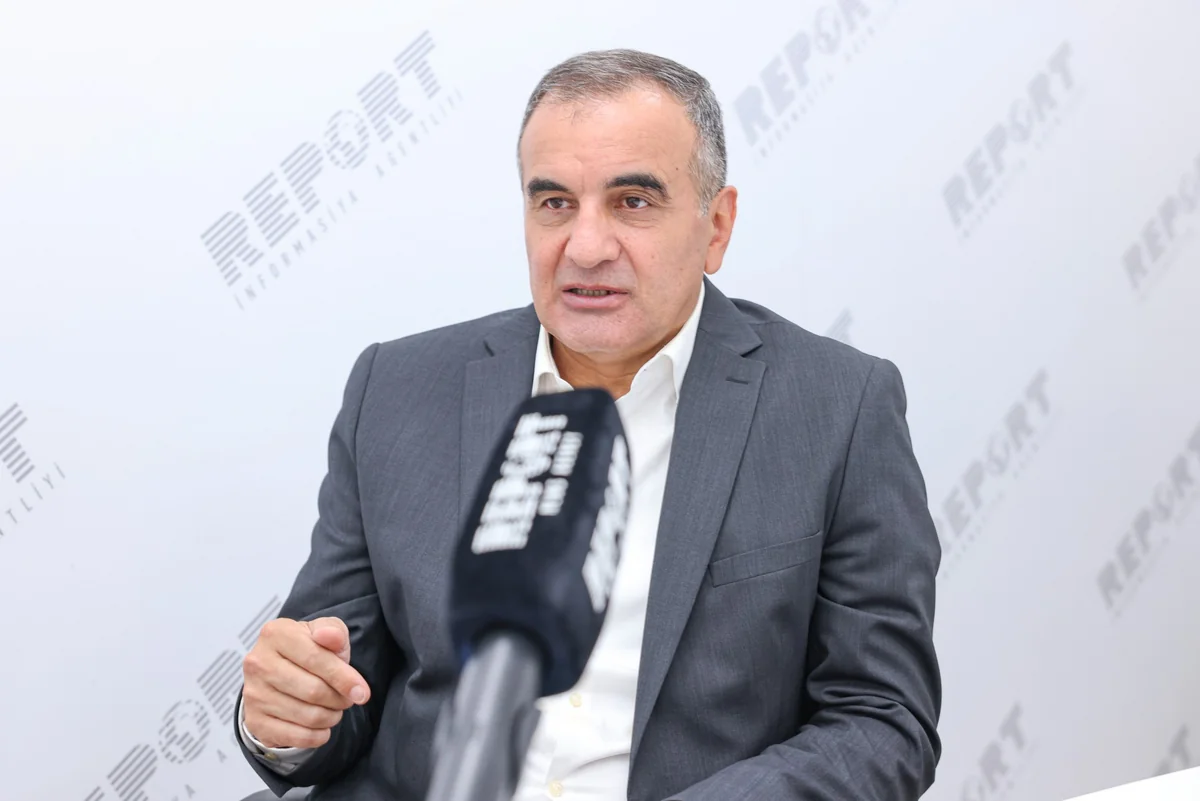
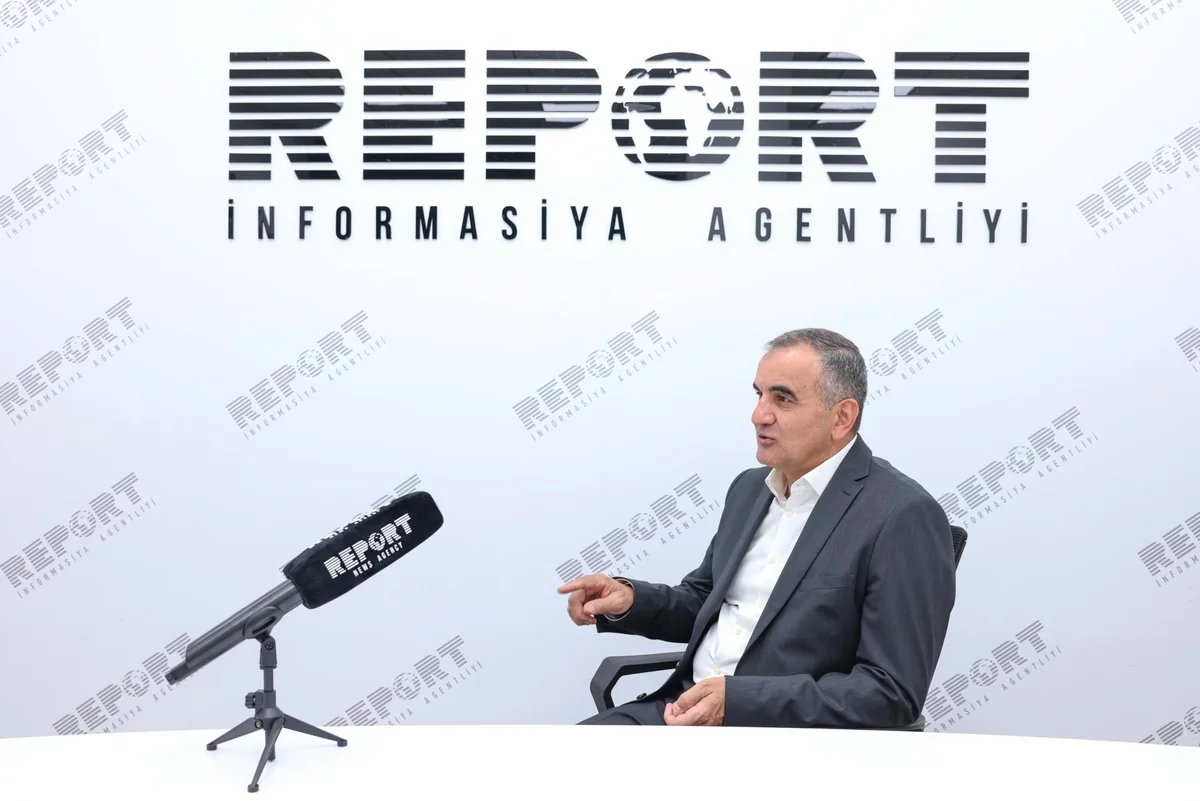
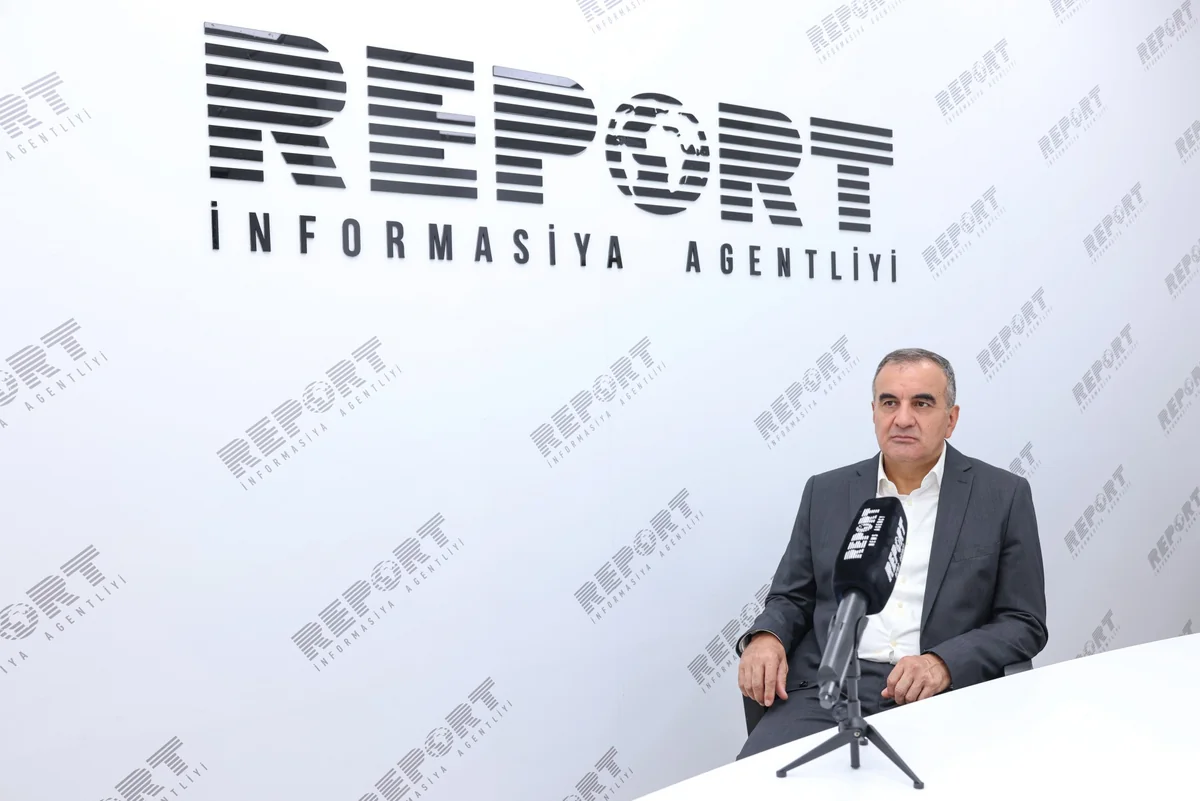
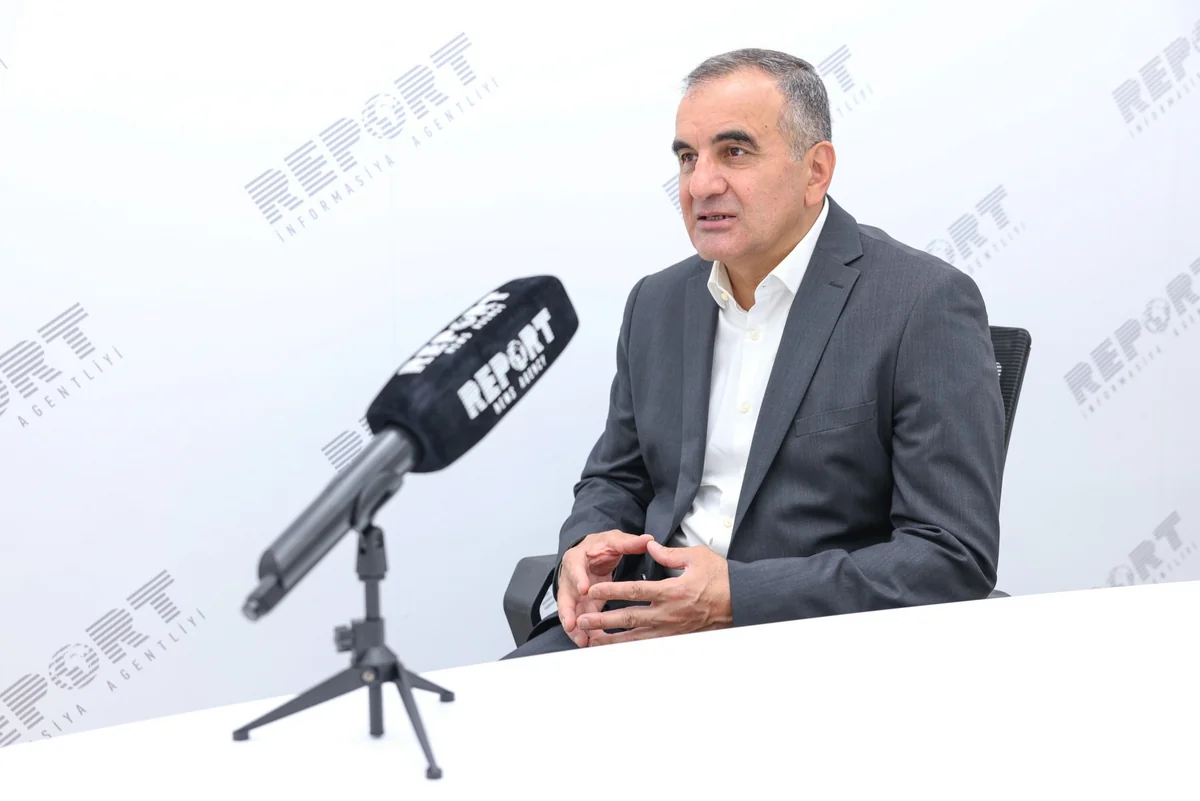
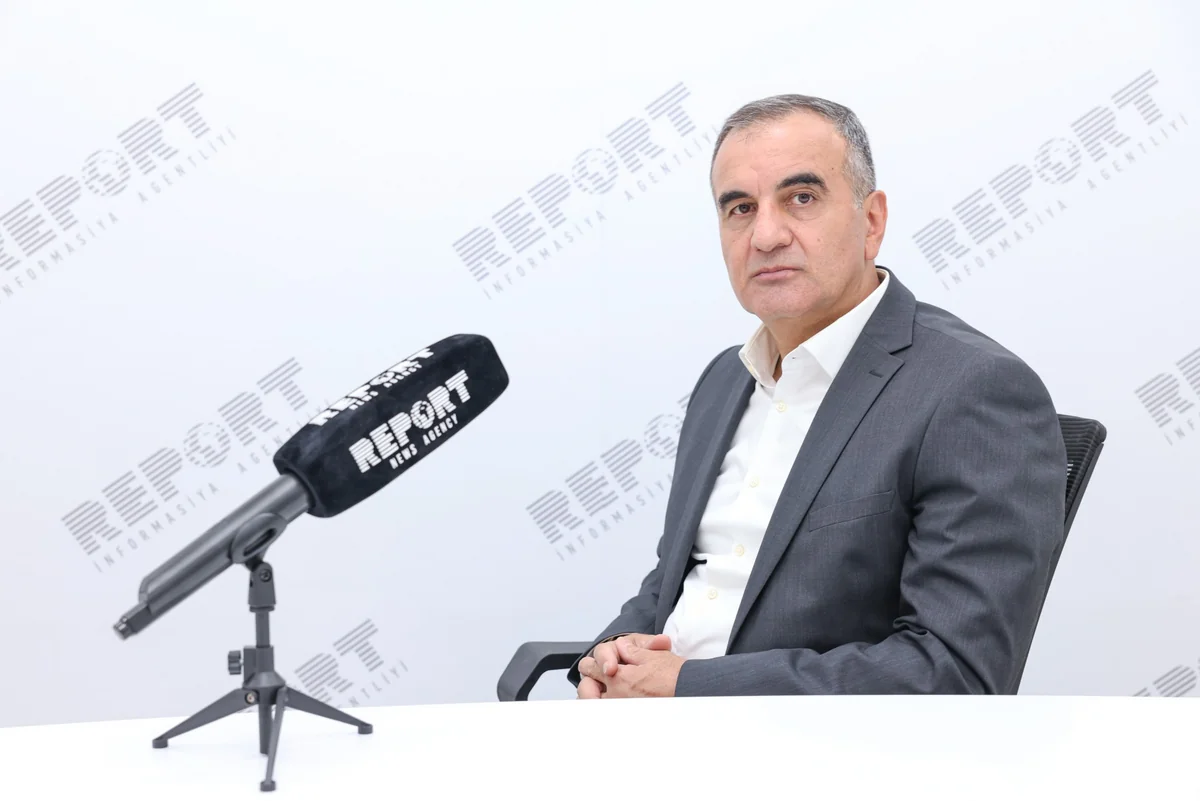
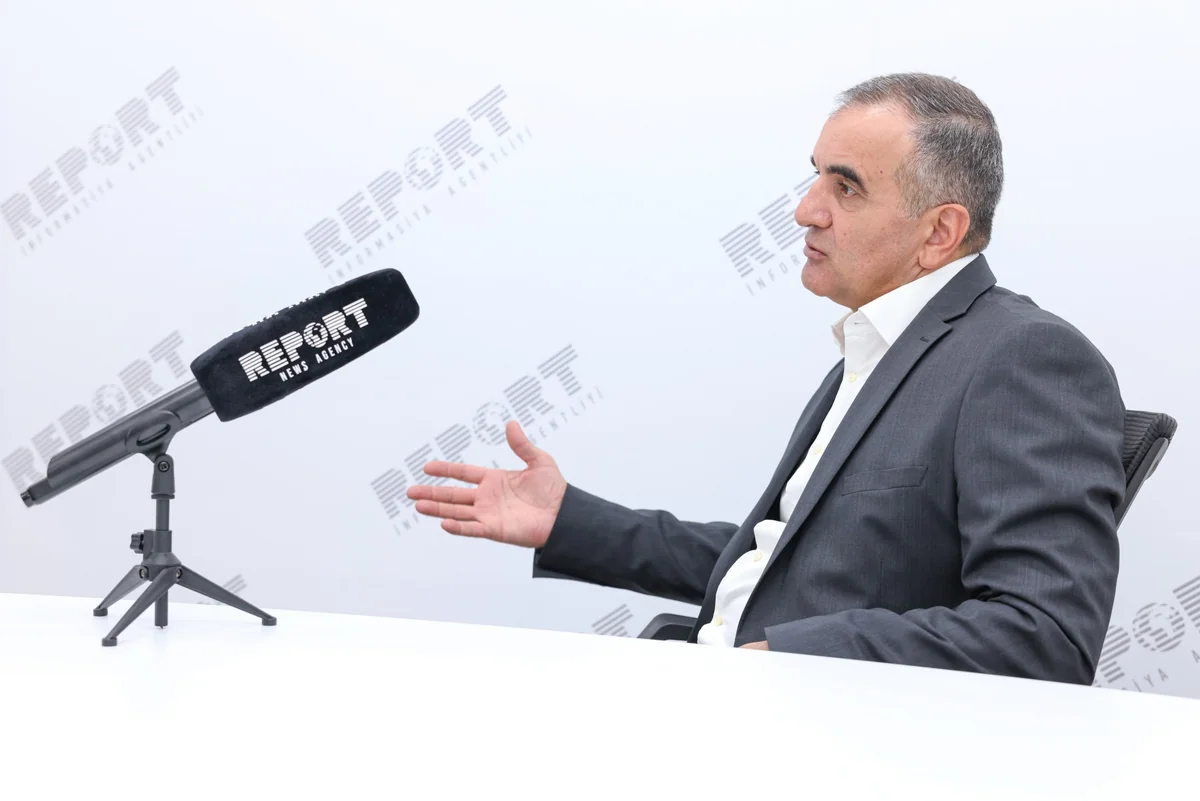
In an exclusive interview with Report, AKDF Co-Chairman Igbal Babayev discussed how doubling the Fund's capital will impact the speed of investment decisions, the sectoral priorities included in the portfolio, and how the Fund serves as a business bridge between Azerbaijan and the EAEU market.
Report presents the interview:
- Recently, the heads of state decided to double the authorized capital of the Azerbaijan-Kyrgyz Development Fund. To what extent will this decision expand the Fund's ability to finance new projects, including large ones? Will the capital increase impact the speed of investment decisions?
- First, I would like to briefly describe the history of the Azerbaijan-Kyrgyz Development Fund.
AKDF was established in accordance with an agreement between the Cabinet of Ministers of the Kyrgyz Republic and the Government of Azerbaijan dated October 11, 2022. At the time of its establishment, the Fund's authorized capital was $25 million.
At the end of 2023, during the state visit of Azerbaijani President Ilham Aliyev to Kyrgyzstan, a decision was made to quadruple the Fund's authorized capital to $100 million.
This decision was due, in part, to the large number of applications received-over 40.
In accordance with the supplementary agreement between the two countries dated May 22, 2024, the AKDF's authorized capital was increased to $100 million.
Finally, we recently witnessed the third stage-an increase in the Fund's authorized capital to $200 million.
Of course, the capital increase significantly expands AKDF's ability to finance new investment projects. The larger the Fund's capital, the more projects we can consider and finance, including large and potentially systemic ones.
The implementation of such projects can contribute to the development of new production sectors, expand Kyrgyzstan's export potential, create new jobs, and, overall, have a significant impact on the country's economic development.
Regarding the speed of investment decision-making, it is important to note that the size of the authorized capital does not directly affect this indicator. All financing decisions are made in accordance with established procedures and are within the competence of the relevant AKDF bodies.
Neither the amount of requested funding nor the scale of the project itself determines the length of the review process. In accordance with established procedures, the Foundation's Board and Council must decide whether to fund or reject a project within two months of its submission for review.
- When will the increased capital of the AKDF begin to fully contribute to the development of the economies of the two countries? Is there a plan to revise the current project financing limits or change the approach to distributing funds between large and medium-sized investment initiatives in connection with the capital increase?
- I completely agree with you that it is important to distinguish between declared and actually paid-in capital.
Currently, the Fund holds 50% of its approved authorized capital, and this amount is sufficient to fully consider incoming applications for financial support.
At the same time, investment project management requires special attention and is a rather complex system that must consider a wide range of factors.
We operate in a dynamically changing economic environment, so we are constantly improving and adapting our internal requirements, criteria, and financing terms to reflect changes in the economic situation and investment climate.
Kyrgyzstan, like other countries, is developing, and the Fund itself is changing along with it. Therefore, we are improving not only our approaches to distributing funds between large and medium-sized investment initiatives, but also our overall system for reviewing, evaluating, and financing projects.
The capital increase undoubtedly creates additional opportunities for a more flexible approach to financing projects of various sizes. In particular, it will allow the Fund to more actively consider large strategic projects whose implementation could have a significant impact on the country's economic development.
As for specific revisions to funding limits per project, such decisions must be made taking into account the Fund's financial capabilities, the quality of the projects, and the level of risks assumed. Therefore, a capital increase does not automatically change all existing limits; we will assess the need for such changes based on market practice and needs.
- May increasing the Fund's authorized capital stimulate the development of new production chains between Azerbaijan and Kyrgyzstan? Which sectors, in your opinion, offer the greatest potential for joint ventures, localization, and subsequent entry into third-country markets?
- Certainly, increasing the authorized capital provides the Fund with additional opportunities to expand its investment portfolio. The growing number of projects, in turn, creates conditions for increasing mutual trade turnover and further strengthening economic ties between Azerbaijan and Kyrgyzstan.
At the same time, even with the initial authorized capital of $25 million, the Fund's founding documents defined its main areas of activity and investment policy.
Therefore, increasing the capital does not change the AKDF's fundamental operating principles; rather, it primarily expands opportunities for their implementation and allows for the financing of a larger number of investment projects.
The Fund does not provide loans. Our financing model involves participation in the capital of legal entities registered in the Kyrgyz Republic. The fund can invest for up to seven years and finance up to 49% of the total project cost.
The exit strategy is determined at the investment agreement stage. After the investment is repaid, taking into account the projected return and achieving the established multiplier, the fund exits the company's capital. One possible mechanism is the use of a Call/Put Option-pre-agreed terms for the repurchase of a stake.
The fund's main financing objectives are the creation of new jobs, increasing mutual trade between Azerbaijan and Kyrgyzstan, import substitution, developing green financing, supporting export-oriented projects, developing small and medium-sized businesses, increasing tax revenues, implementing innovation and digital technologies, and implementing other initiatives that promote sustainable economic development.
The Fund has minimal industry restrictions. We consider projects in virtually all sectors of the economy, with the exception of those that do not align with our investment policy.
Specifically, projects in the defense industry and the production of dual-use items, projects involving forced or child labor, gambling and casinos, and initiatives associated with political parties and organizations are not funded.
Thus, virtually any sector of the economy can be considered by AKDF as a potential investment area.
The key strategic guideline for shaping investment policy is the National Development Program of the Kyrgyz Republic until 2030, approved by presidential decree in June 2025.
Furthermore, the Cabinet of Ministers of Kyrgyzstan annually compiles a list of "100 industrial enterprises and facilities" across the country.
This list includes projects in the production of construction materials, food processing, light industry, and other sectors. Their implementation is aimed, in particular, at creating new jobs, developing regions, and expanding the country's industrial base.
Therefore, when determining funding priorities, the Fund takes into account the strategic documents of the Kyrgyz Republic, state development programs, economic needs, the investment potential of specific sectors, as well as the prospects for the implementation of each project and its compliance with the Fund's mission and investment policy.
- The increase in the Fund's capital also means an increase in the volume of work on investment projects. Will this require expanding AKDF's team, institutional infrastructure, and expertise? Are you considering attracting new partners-international financial institutions, development banks, or private investors-to co-finance projects?
- Of course, the more investment projects the Fund has in its portfolio, the greater the need for a qualified project team. This is due not only to the number of projects but also to the volume of work at each stage of the investment cycle-from analysis and evaluation to implementation, monitoring, and, ultimately, the Fund's exit.
In accordance with the agreement between the two countries, the Fund's head office is located in Bishkek. AKDF currently employs approximately 20 people. The majority of the team consists of investment analysts and specialists involved in project evaluation and support.
The Fund's project activities can be roughly divided into two main areas.
The first is the analysis and evaluation of investment projects. This team reviews incoming applications, conducts financial, economic, and investment analysis, assesses risks, and creates a portfolio of potential investment projects.
The second team is the project office, which manages already-financed investment projects. Its specialists support and monitor projects throughout the entire financing period, ensuring that established indicators are met, investments are used effectively, and expected economic results are achieved, including return on investment.
Thus, one team creates and develops the Fund's investment portfolio, while the other ensures effective management of projects currently under implementation.
Therefore, the need to expand the team depends not only on the number of projects under consideration but also on the size, complexity, and structure of the investment portfolio being managed.
Currently, the Fund is considering approximately 30 projects, with another 11 projects in the implementation and management stages. The total value of these 11 projects is approximately $76.7 million, of which approximately $24.9 million, or approximately 32%, is attributable to the Fund's participation.
Currently, our team is successfully managing its current workload.
However, as our investment portfolio grows and the number of projects underway increases, we will certainly consider further expansion and development of our expertise.
It is important for us not only to increase headcount, but also to ensure that the team's composition and qualifications match the volume, complexity, and quality of the Fund's investment portfolio.
As for attracting new partners, we view this opportunity as one of the tools for further expanding our financing.
Collaboration with international financial institutions, development banks, and private investors can enable us to attract additional resources for larger projects and distribute risks among the financing participants.
It is important for the Fund to develop a sustainable partner ecosystem that will not only increase the volume of available financing but also attract additional expertise and competencies to implement high-quality investment projects.
- Mr. Babayev, you noted that the Fund is considering approximately 30 new investment projects. What is their total value, and how much funding might the Fund require? What sectors are represented in this portfolio, and are there any major projects among the initiatives under consideration that may create a significant multiplier effect for the Kyrgyz economy?
- To be more precise, the Fund currently has 29 projects in its portfolio at various stages of consideration. Their total value is approximately $200 million, and the Fund's estimated financing requirement is approximately $60 million in the form of equity participation.
If the entire portfolio is implemented, approximately 650 new jobs are expected to be created, which is fully consistent with the Fund's core mission of promoting the sustainable economic development of Kyrgyzstan.
When selecting projects for financing, the Fund is guided by a number of key criteria. These include job creation, import substitution, small and medium-sized business development, green financing, increasing tax revenues, implementing innovation and digital technologies, expanding mutual trade between Azerbaijan and Kyrgyzstan, and export-oriented projects.
A clear example of the export potential of our investments are two projects with the Fund's participation, which are already producing export-oriented products under the Made in Kyrgyzstan brand.
At the same time, we pay close attention to diversifying our investment portfolio and supporting projects in various sectors of the Kyrgyz economy.
The portfolio under review comprises 26% of the manufacturing industry, 23% of the agro-industrial complex, 16% of the energy sector, and the remaining 35% of other sectors of the economy.
Thus, the Fund's investment activities are aimed not only at increasing financing volumes but also at creating a diversified portfolio that contributes to the development of various sectors of the economy, expanding production capabilities, creating new jobs, and enhancing Kyrgyzstan's export potential.
At the same time, the projects under consideration include initiatives that could have a broader economic impact by developing production chains, increasing exports, creating new jobs, and attracting additional investment.
These are the factors that are important to us when assessing a project's potential contribution to the economy.
- How is investment interest between Azerbaijan and Kyrgyzstan changing? Are you seeing an increase in the number of Azerbaijani companies interested in entering the Kyrgyz market, as well as Kyrgyz entrepreneurs considering cooperation and investment opportunities in Azerbaijan? In which sectors is this interest most noticeable?
- You know, the Fund's mission is not only to provide financial support for investment projects. An equally important task is to create favorable conditions for developing business cooperation and strengthening ties between the business communities of the two countries.
Today, the Fund is not only a financial institution supporting investment projects but also a bridge between entrepreneurs from Azerbaijan and Kyrgyzstan.
We regularly hold meetings with business representatives in Baku and Bishkek, facilitating the establishment of business contacts and identifying potential partners for joint projects.
Furthermore, the Fund organizes trips for Kyrgyz entrepreneurs to Azerbaijan, during which they learn about completed and ongoing investment projects, study the experience of Azerbaijani companies, and explore the possibility of establishing similar industries in Kyrgyzstan.
One striking example of such cooperation is a project involving an Azerbaijani investor to build a plant in the Chui region to produce industrial non-electric blasting caps for use in mining blasting operations.
Overall, we are seeing sustained interest from businesses in both countries in expanding cooperation.
The most promising areas include industrial production, agro-industrial complex, energy, logistics, and other sectors where opportunities exist for establishing joint ventures, localizing production, and entering new markets.
I would also like to highlight the opening of direct flights between Baku and Bishkek. This has become an important factor in giving additional impetus to the development of business and economic ties between private companies in the two countries.
Direct flights significantly simplify business travel, facilitate more active contacts between entrepreneurs, and create additional opportunities for finding partners and implementing joint investment projects.
- One of the Fund's objectives is to develop joint ventures and strengthen trade and economic ties between Azerbaijan and Kyrgyzstan. How actively is AKDF involved in establishing joint ventures with export potential? Which destinations and markets do you consider the most promising for such companies – the CIS countries, the EAEU, Central Asian markets, or non-CIS countries?
- I believe that establishing joint ventures and developing new production lines in Kyrgyzstan opens up vast opportunities for Azerbaijani entrepreneurs.
First of all, Kyrgyzstan enjoys a favorable geographical location and is connected to the southern section of the Trans-Caspian International Transport Route, known as the Middle Corridor.
The country plays a key role in developing transport and logistics links between China, Central Asia, the Caucasus, and European markets.
Of particular importance in this context is the future China-Kyrgyzstan-Uzbekistan railway, which is approximately 532 km long. The project's cost is estimated at nearly $5 billion.
Its implementation will create a new transport route between China and Central Asia and provide further connections to international transport corridors, including the Middle Corridor.
This will significantly strengthen Kyrgyzstan's position as an important transport and logistics hub between Asian and European markets, while simultaneously increasing the country's attractiveness to export-oriented investors.
Another important factor is Kyrgyzstan's membership in the Eurasian Economic Union, which also includes Russia, Kazakhstan, Belarus, and Armenia.
Access to the EAEU's single economic space creates additional opportunities for investors and allows Kyrgyzstan to be viewed not only as a domestic market but also as a production platform for accessing the broader regional market.
Furthermore, Kyrgyzstan's attractiveness is enhanced by its high economic growth rates. In 2025, the country's GDP increased by 11.7%. Industrial production grew by 9.8%, services by 10%, agriculture by 3.8%, and construction by 42.5%.
These indicators demonstrate high economic activity and potential for further development in industry, infrastructure, agriculture, and services.
This also creates additional demand for long-term investment, modern technologies, and new production capacities.
Under these circumstances, the creation of joint ventures involving Azerbaijani and Kyrgyz businesses could become an important tool for expanding bilateral economic cooperation.
For Azerbaijan, this is an opportunity not only to invest in the development of production in Kyrgyzstan but also to leverage the country's advantages for entering the markets of the EAEU and Central Asia.
At the same time, I believe the most promising projects are those focused not only on domestic demand but also on exports.
Of particular interest are high-value-added production, projects in industry and agro-industrial complex, energy, logistics, as well as areas related to the processing of local raw materials and import substitution.
Thus, Kyrgyzstan may become not only a market for Azerbaijani businesses but also a platform for creating new production chains, leveraging its favorable geographic location and transport and logistics potential, with subsequent access to regional and international markets.
I am confident that the implementation of such joint initiatives will increase mutual investment and trade, create new jobs, form new value chains, and, most importantly, lay a solid foundation for a long-term economic partnership between Azerbaijan and Kyrgyzstan.
Author

Photo