
 Baku 25° C
Washington Declaration affirms Ilham Aliyev's internationally backed peace agenda
- 08 August, 2026
- 12:05
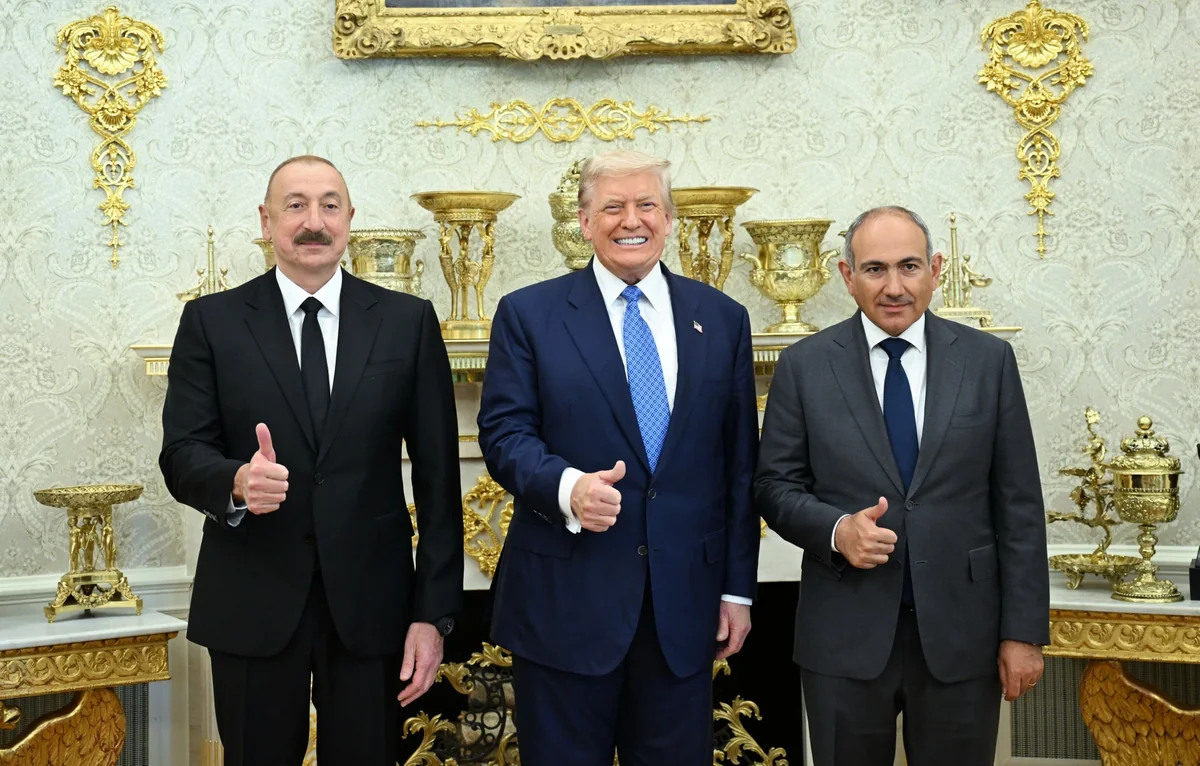
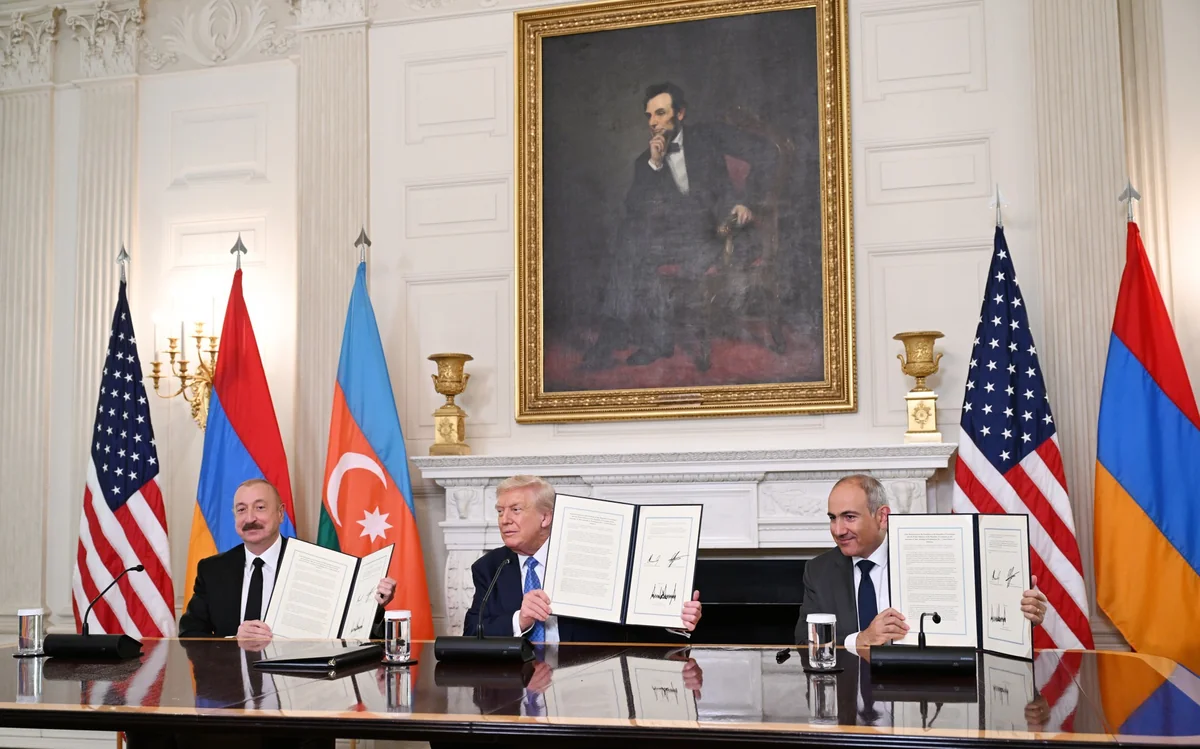
After thirty years of instability and a state of war, on August 8, 2025, the footsteps of real peace finally began to be heard in the South Caucasus. Azerbaijani President Ilham Aliyev's visit to the US at the invitation of US President Donald Trump and the trilateral declaration signed by the leaders of Azerbaijan, the US, and Armenia laid the foundation for a qualitatively new stage in the history of the region.
This event did not merely mean the normalization of relations between Azerbaijan and Armenia. At the same time, it should be evaluated as one of the most important diplomatic events the world has experienced in recent decades.
Looking at the political and diplomatic consequences created by this historical event and the progress achieved a year later, the impact of both the trilateral declaration and the agreement reached between the US and Azerbaijan on the security architecture of the region becomes more apparent.
The Washington meeting is considered not only the resolution of the Armenia-Azerbaijan conflict and, in parallel, the beginning of a new stage in Azerbaijan-US relations, but also the acceptance on an international level of the new reality created by President Ilham Aliyev's consistent diplomatic strategy based on national interests.
After the victory in the 2020 war, thanks to the efforts and diplomatic moves of the Azerbaijani leader, a new status quo was formed in the region. Upon President Ilham Aliyev's initiative, the base principles of the peace agreement were determined; the mutual recognition of each other's sovereignty and territorial integrity by the states, the delimitation of borders, the opening of communications, and the normalization of mutual relations became the main directions of the process.
In parallel, the geopolitical agenda of the region also began to change. This means that the South Caucasus region, presented for many years as a competitive arena for global powers, is now turning into a platform for cooperation, economic integration, transport connections, and sustainable security on the initiative of official Baku. Considering these factors, we can confidently say that the Washington agreements also revealed that official Baku, as the author of the peace agenda, has turned into the main political center determining the direction of regional processes.
The five principles put forward in 2022, which constituted the main legal basis of the next stage of negotiations, were factually considered the road map of the Baku-Yerevan negotiations and the process leading to peace. Thus, the peace agenda authored by Ilham Aliyev does not merely create a new reality, but at the same time, it determined the political and diplomatic framework of this reality based on international law.
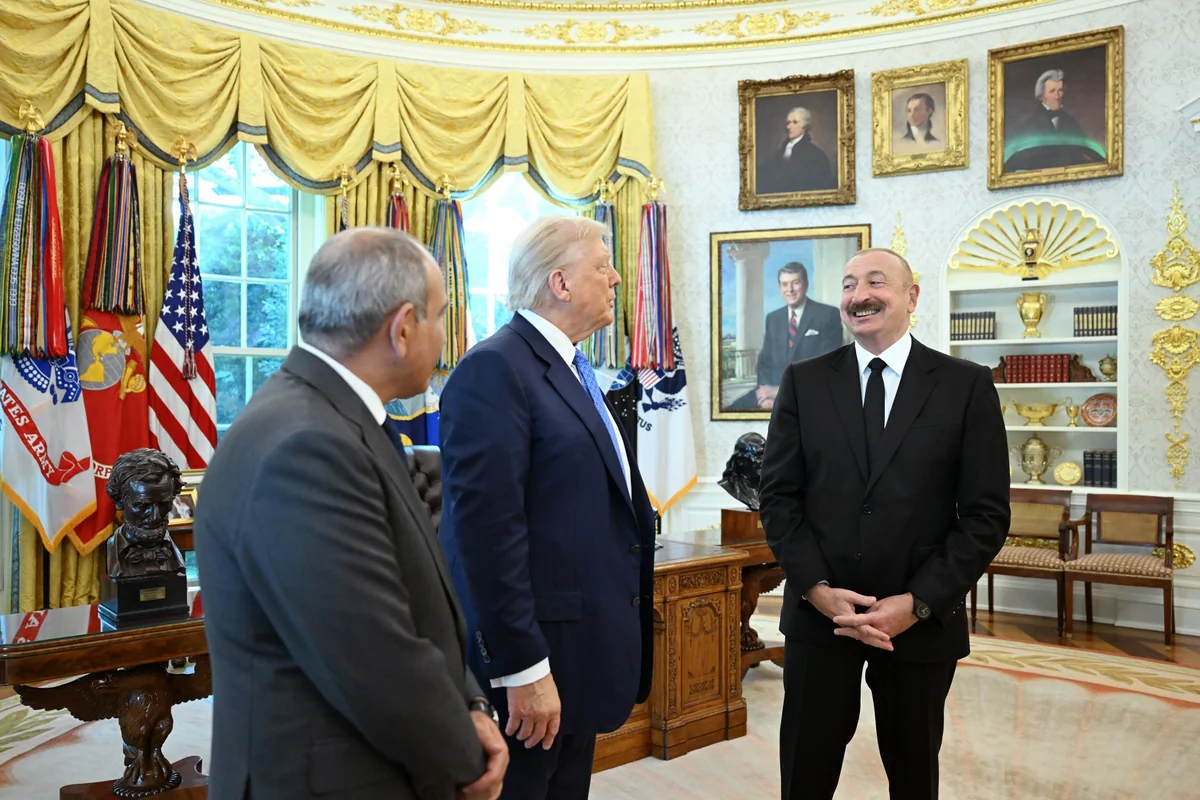
The Washington negotiations were also a manifestation of fundamental changes in the US's South Caucasus policy. Unlike his predecessor Joe Biden, Donald Trump acted not from the interests of some lobby groups, but from the pragmatic interests of the United States, which created favorable international conditions for achieving peace in the South Caucasus.
While in previous years official Baku encountered the selective approach and pro-Armenian stance of the Biden administration, the Trump administration took a more pragmatic line in its attitude towards Azerbaijan.
The US President, in his letters addressed to his counterpart Ilham Aliyev, evaluated Azerbaijan as the main partner in the region and expressed his support for his peace agenda. The President of Azerbaijan also emphasized the importance of developing Azerbaijan-US relations based on the principles of mutual respect and equal partnership in his letters to Trump, and brought forward the necessity of sustainable peace in the South Caucasus resting on the norms and principles of international law.
As a result, the Washington summit showed that when a political dialogue based on mutual respect and a balanced mediation environment are formed, it is possible to achieve such historic results even around issues that seemed deadlocked for years. In this regard, the meeting held at the White House demonstrated not only the beginning of a new stage in Azerbaijan-Armenia relations, but also the restoration of mutual trust in US-Azerbaijan relations and the elevation of strategic dialogue to a new stage.
It was precisely this political atmosphere and mutual trust that allowed for the signing of the Washington Declaration and the achievement of concrete legal-political results. The signing of this document and the initialing of the agreed text of the peace treaty by the ministers of foreign affairs was the most important diplomatic outcome of the peace negotiations ongoing since 2020.
The establishment of peace between Baku and Yerevan should be considered a factor determining the political and economic future of the South Caucasus in general. The opening of communications, the restoration of transport routes, and the development of regional economic cooperation mean new opportunities not only for Azerbaijan and Armenia, but also for other states in the region. The transit potential of the South Caucasus, connecting East and West, North and South, will increase further, the volume of international cargo transportation will expand, and a favorable ground for new investments and large infrastructure projects will be formed. President Ilham Aliyev has also repeatedly emphasized that Azerbaijan is striving to form a cooperation environment in the region. The signing of peace can change the stereotypes that introduced the South Caucasus as a space of geopolitical rivalry and conflict for many years, turning it into a stable region where international cooperation, energy security, logistics, and trade relations are developed.
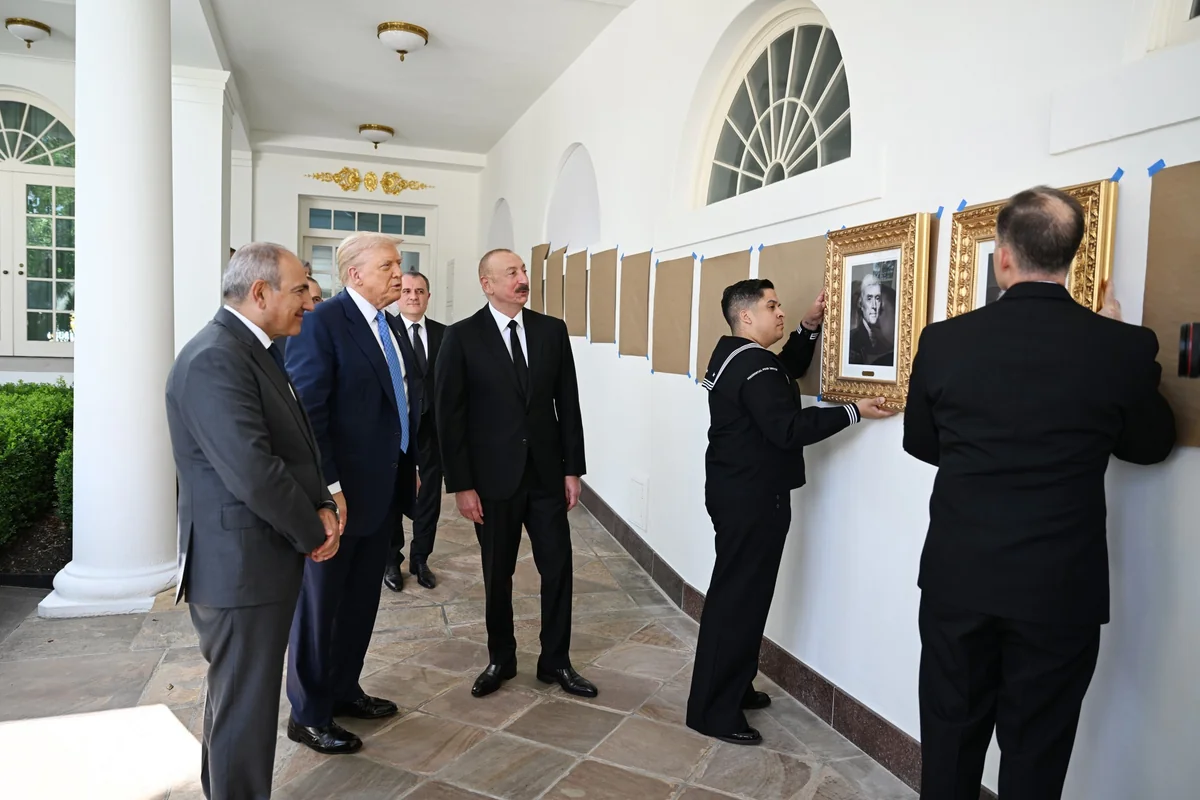
One of the practical manifestations of this very economic integration prospect is the TRIPP (Trump Route for International Peace and Prosperity) project presented in Washington. This project should simultaneously be approached as a strategic initiative supporting peace and aiming to form its economic pillars. The project envisions turning the South Caucasus into an important link of global transport-logistics chains and accelerating the integration of communication lines passing through the territories of Azerbaijan and Armenia into the international trade system. And this means not only the normalization of relations between the two countries, but also increasing the efficiency of global trade routes such as the Middle Corridor, diversifying cargo transportation, and further raising the transit significance of the region.
If for Azerbaijan the TRIPP project means more than new opportunities, an international confirmation of the transport and logistics strategy implemented for many years, from Armenia's point of view, it is an opportunity for access to new markets, the end of the policy of self-isolation, joining regional projects realized at Azerbaijan's initiative, and a chance and opportunity to revive its economy. This allows Yerevan to expand the country's transit capabilities and open new perspectives for its long-term economic development.
Today, the agenda of the South Caucasus is determined by cooperation, transport projects, integration, and sustainable peace. The architect of this status quo is Azerbaijan and its president Ilham Aliyev. The victory in the 44-day war, the full restoration of state sovereignty after the local anti-terrorist measures in 2023, and the consecutive diplomatic moves of the President radically changed the political map of the region. The peace agenda put forward by Azerbaijan, the five base principles, the initiatives for the opening of communications, the agreements reached in Washington, and strategic projects like TRIPP show that the future development direction of the region is already built upon the political vision formed by Baku.
Author