
 Baku 25° C
Washington agreements as foundation for new stage in US-Azerbaijan relations
- 08 August, 2026
- 16:46
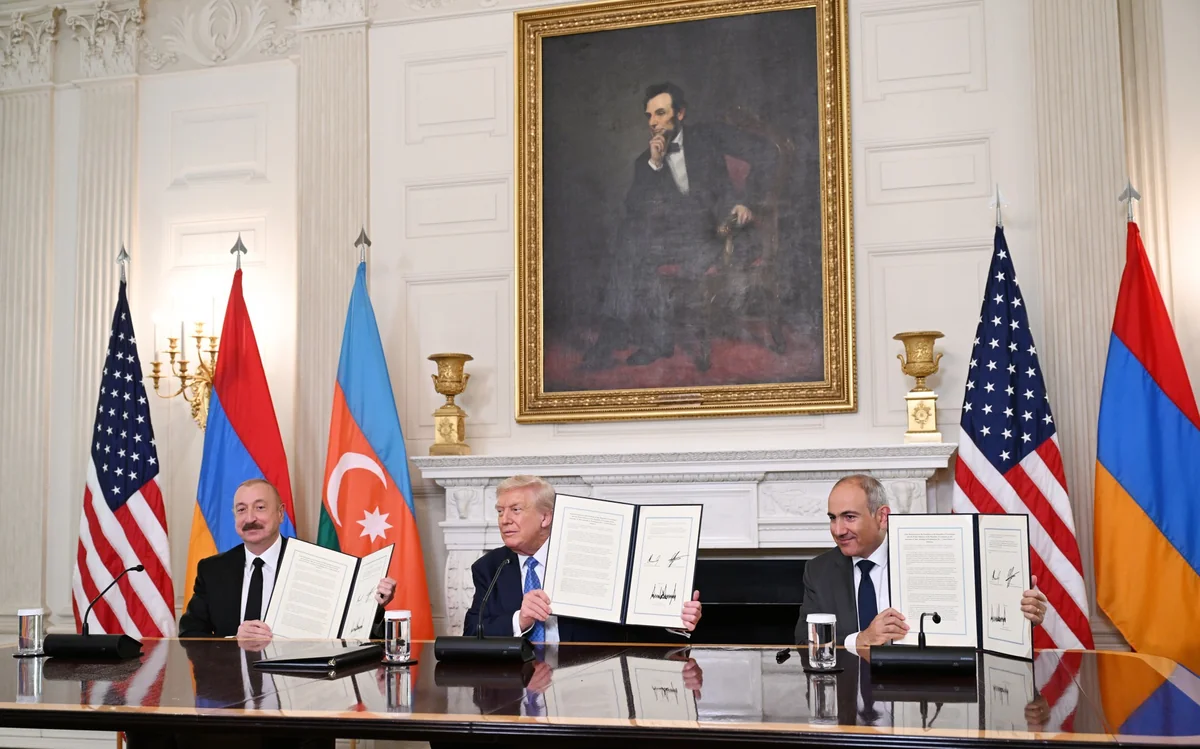
The visit of Azerbaijani President Ilham Aliyev to the United States on August 8-9, 2025, can be regarded as a significant stage in the political history of the South Caucasus, both in terms of the transformation of Azerbaijani-American relations and the formation of a peace agenda between Azerbaijan and Armenia. The meetings held during the visit and the agreements reached should be viewed as marking the transition of relations between Azerbaijan and the United States to a more substantive and broader model of cooperation. This also represented recognition of the growing role and authority of Azerbaijan and its leader Ilham Aliyev in the world, as well as of the new realities shaped by him in the region.
To better understand that relations between Baku and Washington have entered a qualitatively new and different stage, it is necessary to look at previous periods, particularly the political approach that took shape during Joe Biden's presidency in the United States. The President of Azerbaijan repeatedly stated that Joe Biden and his Secretary of State Antony Blinken demonstrated a biased attitude toward Azerbaijan. Because of the pro-Armenian position of that administration, relations between Azerbaijan and the United States effectively became hostages to the Azerbaijani-Armenian conflict.
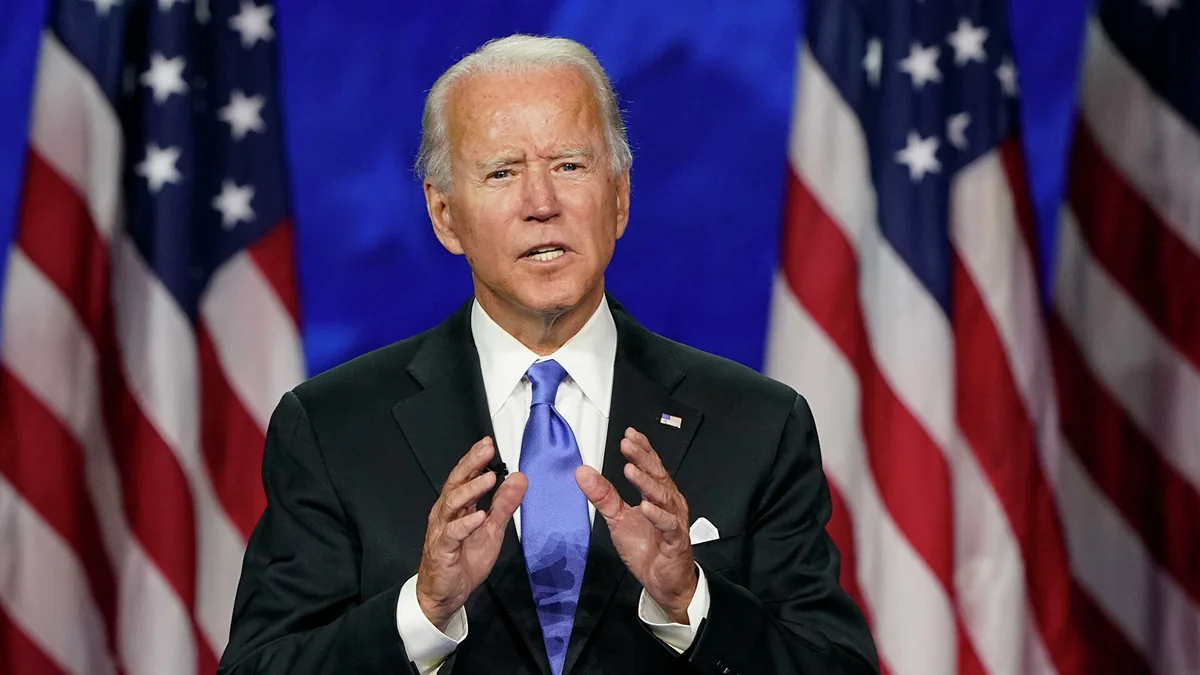
Biden's actions, driven not by America's national interests but by the interests of Armenian lobbying groups, were not limited to his presidency. Back in 1992, then-Senator Joe Biden was among the initiators of Section 907. In subsequent years, various administrations suspended the application of the amendment, but its reactivation during the Biden-Blinken administration dealt an additional blow to the already weakened atmosphere of trust between Baku and Washington. It should also be noted that during that period, the United States, together with France and Russia within the framework of the OSCE Minsk Group, pursued a policy aimed not at resolving the Azerbaijani-Armenian conflict but at freezing it.
The Biden administration, lacking sufficient familiarity with the South Caucasus, ignoring historical and political realities and disregarding international law, failed to properly assess Azerbaijan's weight and influence in the region, as well as its economic and military potential, due to its pro-Armenian stance rather than an approach based on US interests. If we are talking about ensuring sustainable peace, security, economic integration and development in the South Caucasus, the interests and position of the region's leading state must necessarily be taken into account.
The weakening of ties with Azerbaijan during that period was remembered not only for the missed opportunities in bilateral relations but also for limiting Washington's ability to influence peace and stability processes in the South Caucasus. From this perspective, the change in US policy during Donald Trump's presidency and a more accurate assessment of Azerbaijan's regional role became among the key political reasons for the transformation of relations between Baku and Washington.
The White House began to view Azerbaijan as the leading power in the South Caucasus and as a political, economic and geostrategic actor. Soon, the Trump administration included the development of bilateral relations and the establishment of peace in the region among its foreign policy priorities. This meant that official Washington was recognizing the realities created by Azerbaijan in the South Caucasus and taking Baku's regional role into account.
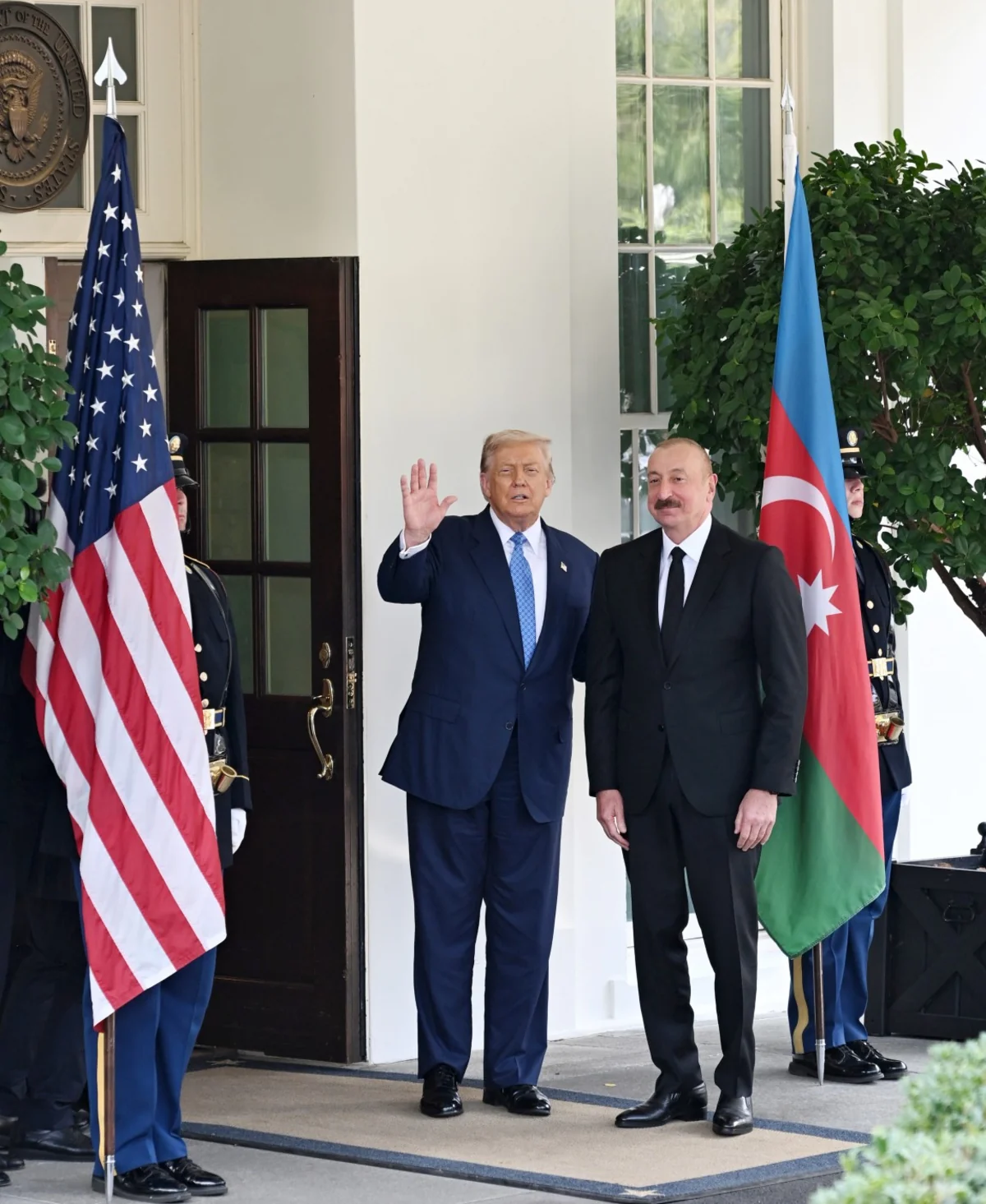
In response to this policy, Baku demonstrated that it approaches bilateral relations on the basis of mutual respect, equal partnership, recognition of sovereignty and territorial integrity, and consideration of national interests. As a result, fundamental changes began to take place in relations between Azerbaijan and the United States.
The foundations of these changes were effectively laid even before Donald Trump was elected president, through his relations with Ilham Aliyev and correspondence between the two sides. After Trump"s re-election as president, these relations became more intensive and results-oriented. It was precisely because of this that the new substance of relations between the two countries was defined during President Ilham Aliyev"s visit to Washington on August 8-9, 2025.
At the same time, a Trilateral Declaration aimed at advancing the peace process between Baku and Yerevan was signed, while an agreement was reached on the TRIPP project. In parallel, a Memorandum of Understanding was signed on the establishment of a Strategic Working Group to develop a Charter on Strategic Partnership between Azerbaijan and the United States.
This means that future cooperation will cover mutual investment, energy, transport, communications, transit, security, artificial intelligence and the defense industry. In turn, this opens up new opportunities for Azerbaijan in terms of both economic development and diversification.
The process launched in Washington in August 2025 not only directed Azerbaijan-US relations toward a new strategic course but also made ensuring peace and regional cooperation in the South Caucasus one of the important pillars of this partnership.
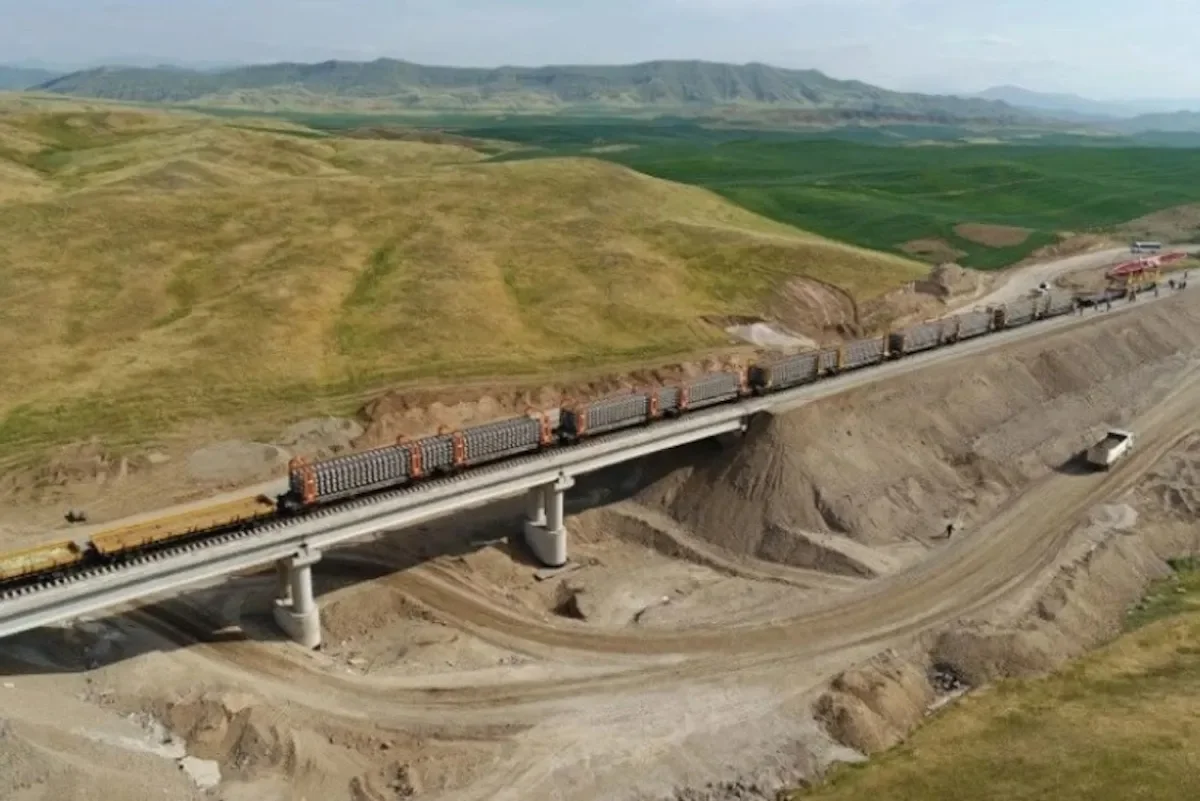
The TRIPP project is important from the perspective of opening communications between Azerbaijan and Armenia and restoring economic ties in the region. The project not only connects Azerbaijan with Nakhchivan but also contributes to the creation of a new secure transport corridor of global significance that will link Asia and Europe.
At the same time, the continued political contacts and correspondence between President Ilham Aliyev and Donald Trump created the conditions for taking relations to a higher level.
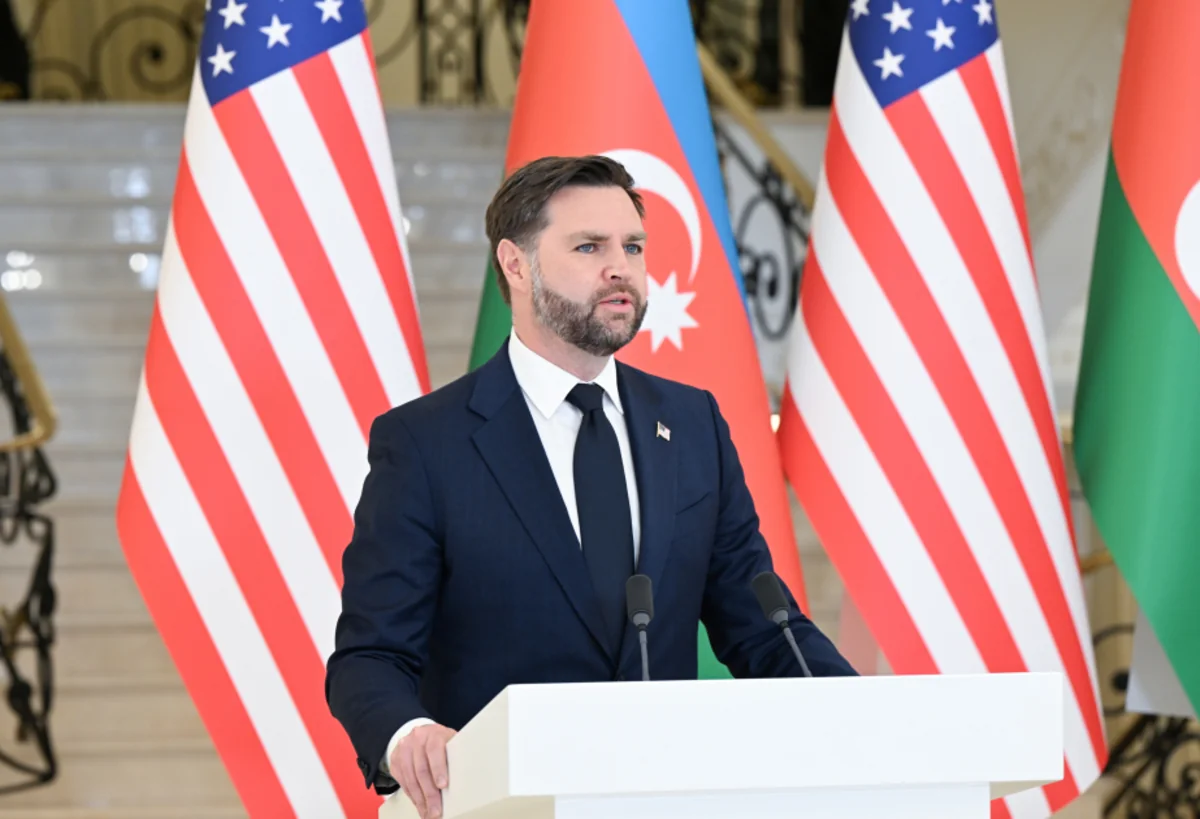
This was confirmed by the signing of the Charter on Strategic Partnership between Azerbaijan and the United States during US Vice President James David Vance's visit to Azerbaijan on February 10, 2026.
The initialing of the peace agreement between Azerbaijan and Armenia in the United States is not only the logical result of a complex political and diplomatic process that continued for many years, but also an indication of international recognition of the new regional realities created by Azerbaijan.
Today, Armenian Prime Minister Nikol Pashinyan, who presents himself as a supporter of peace, pursued a completely different policy until quite recently. The occupation of Azerbaijani territories, missile attacks on civilian settlements during the war, as well as military provocations carried out on the sovereign territory of Azerbaijan in the post-war period, effectively demonstrated that Yerevan was pursuing a policy aimed not at peace but at continuing confrontation.
Particularly after the local anti-terrorist operation conducted in September 2023, which eliminated the roots of separatism, the Armenian leadership realized that it could no longer continue its previous claims and was forced to accept the peace agenda. Azerbaijan, meanwhile, emerged in this process not simply as a participant in peace negotiations, but as the party defining the fundamental principles of peace.
President Ilham Aliyev's political course first established Azerbaijan as the victor in the war and subsequently as the author and initiator of the peace agenda. The initialing of the peace agreement in the United States became one of the important final stages of this long-term process and turned into a symbol of international recognition of the new reality created by Azerbaijan.
Today, the entry of Azerbaijan-US relations into a new stage is also of great importance for shaping a new political and geo-economic architecture in the South Caucasus.