
 Baku 25° C
Progress in peace process following Washington summit — REVIEW
- 08 August, 2026
- 14:05
Stay up to date with the top news!
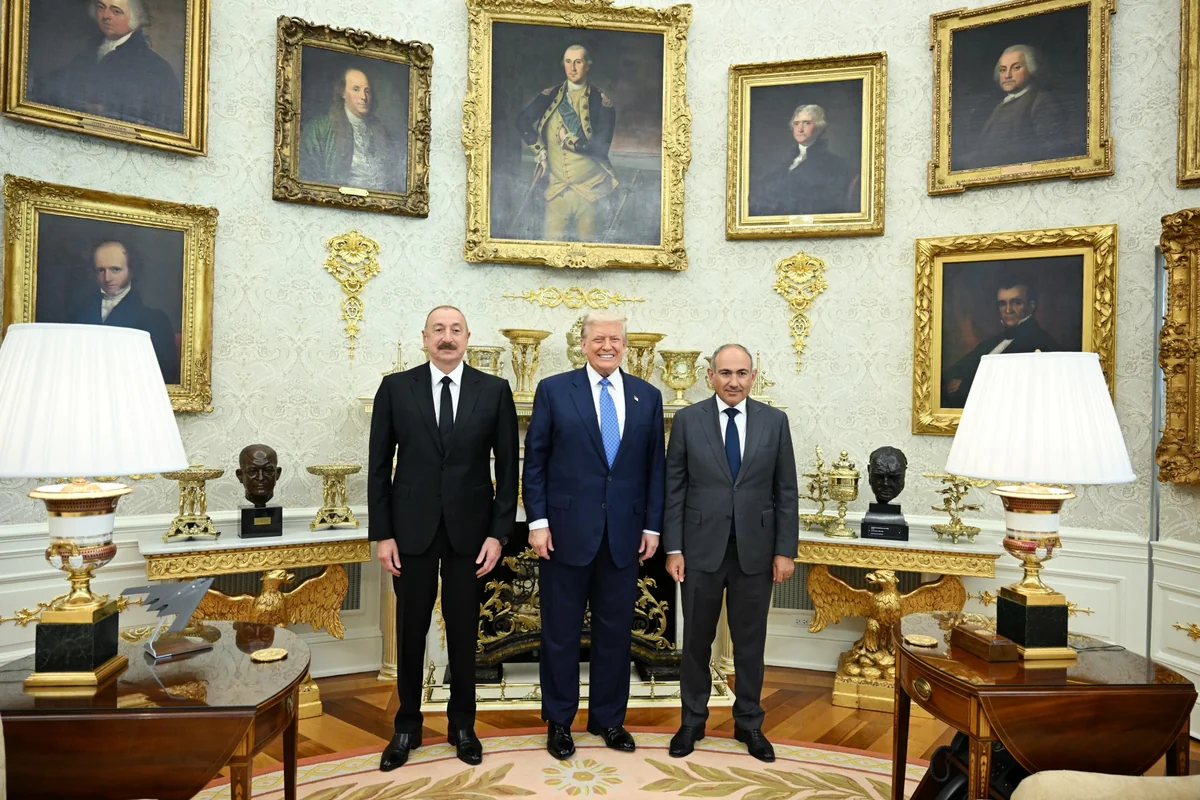
The historic visit of Azerbaijani President Ilham Aliyev to Washington on August 8, 2025, at the invitation of US President Donald Trump, the formal consolidation of the key outcomes of peace negotiations between Azerbaijan and Armenia, and the agreements signed with the participation of President Trump marked a turning point in the settlement of the long-running conflict in the region.
Historic documents were signed at a meeting in the White House. On that day, the foreign ministers of Azerbaijan and Armenia initialed the agreed text of the Agreement on the Establishment of Peace and Interstate Relations between the two countries. This was followed by the adoption of a Joint Declaration by the leaders of the three countries.
The agreements reached in Washington outlined the main contours of a new model of relations between the sides after decades of conflict. The Joint Declaration reaffirmed the importance of opening communications between Armenia and Azerbaijan and expressed agreement on establishing unimpeded transit connectivity through Armenian territory between mainland Azerbaijan and its Nakhchivan Autonomous Republic.
Report presents a review of the steps taken toward the peace process between Azerbaijan and Armenia over the year since the Washington meeting.
What happened over the past year?
- On September 1, 2025, the OSCE Ministerial Council adopted a decision to terminate the activities of the Minsk Process and its related structures. Thus, the main international mediation mechanism that had existed since the 1990s and had effectively contributed not to resolving the conflict but to prolonging it officially became a thing of the past.
- On September 1, 2025, Azerbaijani President Ilham Aliyev and Armenian Prime Minister Nikol Pashinyan held a brief meeting in China on the sidelines of the Shanghai Cooperation Organization summit. They discussed the peace agenda, mutual trust and regional stability and agreed to continue direct contacts.
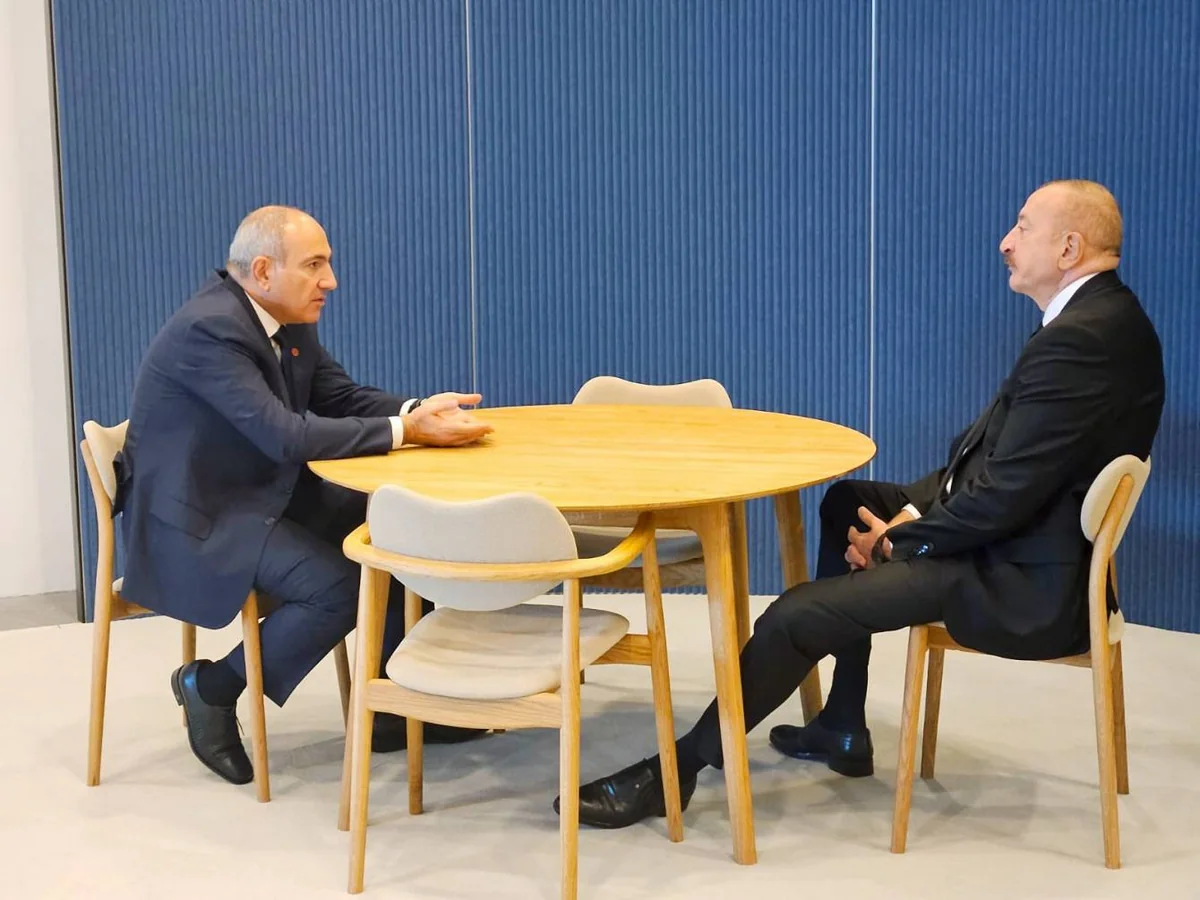
- On October 2, 2025, Ilham Aliyev and Nikol Pashinyan met in Copenhagen on the sidelines of the European Political Community summit. Key topics included the implementation of the Washington agreements, transport communications, the TRIPP project and confidence-building measures. The sides also welcomed the closure of the OSCE Minsk Process and its related structures.
- One of the important meetings following the Washington agreements was held between the leaders of the two countries in Abu Dhabi, UAE, on February 4, 2026. Aliyev and Pashinyan discussed progress in implementing the peace agreements. The agenda had already moved beyond political statements to practical economic ties: Azerbaijan began exporting petroleum products to Armenia, while grain and other cargo from third countries was transported to Armenia through Azerbaijan. TRIPP and other transport connectivity projects were also discussed.
- The delimitation of the border continued. In April 2026, the commissions of Azerbaijan and Armenia on delimitation held their 13th meeting. Thus, the political agreements also moved into the practical sphere of determining the border.

- TRIPP ceased to be merely a political idea. With US participation, preparations for the practical implementation of the project, which will provide connectivity to Nakhchivan through Armenian territory, were launched. In the Strategic Partnership Charter between Azerbaijan and the United States signed in February 2026, TRIPP was specifically designated as a regional connectivity project.
- Steps were also taken in the humanitarian sphere. The United States described Azerbaijan's release of four Armenian prisoners in January 2026 as a positive step toward implementing the Washington agreements.
- Contacts between the civil societies of the two countries began as part of confidence-building initiatives such as the Peace Bridge.
Thus, the process between Azerbaijan and Armenia has moved from the stage of 'peace negotiations' to the stage of 'practical implementation of peace.' Over the course of one year, concrete results were achieved, including the maintenance of the ceasefire, direct political contacts, the abolition of the Minsk mechanism, progress toward border delimitation, the establishment of initial trade and transit links, and preparations for the TRIPP project.
Author