
 Baku 21° C
23 hours and 43 minutes: Sovereignty, end of separatism, and new realities in South Caucasus – COMMENTARY
- 19 September, 2026
- 16:23
Stay up to date with the top news!
The local anti-terrorist measures carried out by the Azerbaijani Army in the Karabakh region on September 19-20, 2023, ended in less than a day with the full restoration of the country's territorial integrity and sovereignty, as well as the elimination of the military and political pillars of the separatist regime.
The operation lasted only 23 hours and 43 minutes. During this time, the activities of illegal armed formations and the separatist regime, which had operated illegally on the territory of Azerbaijan for many years, were terminated.
The operation essentially changed the geopolitical reality in the South Caucasus and marked the beginning of a new stage in Azerbaijani-Armenian relations.
Following Azerbaijan's historic Victory in the 44-day Patriotic War in 2020 and Armenia's defeat, Baku demonstrated a desire to resolve the issue of Khankandi and other territories politically, without further bloodshed.
Azerbaijan's main demands were the withdrawal of illegal armed formations and the fulfillment of the provisions of the trilateral statement dated November 10, 2020.
However, Armenia did not withdraw the remnants of its armed forces from the territory of Azerbaijan, and the separatist regime repeatedly violated the ceasefire and committed terrorist acts.
On September 19, 2023, employees of the State Agency of Azerbaijan Automobile Roads were blown up by mines on the Ahmadbayli-Fuzuli-Shusha highway. As a result of another mine explosion, servicemen of the Internal Troops were killed. These events became the last straw for Azerbaijan, which regarded the incident as an open terrorist provocation.
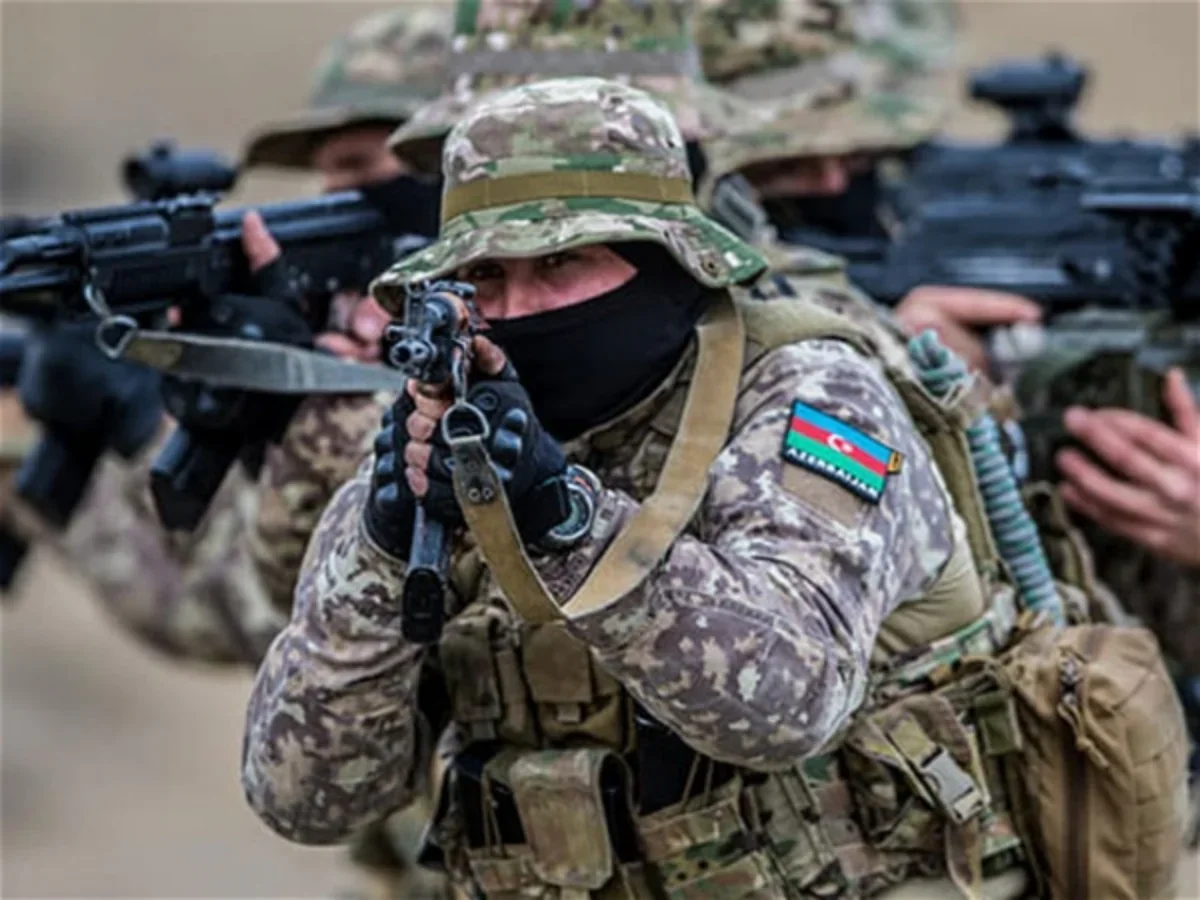
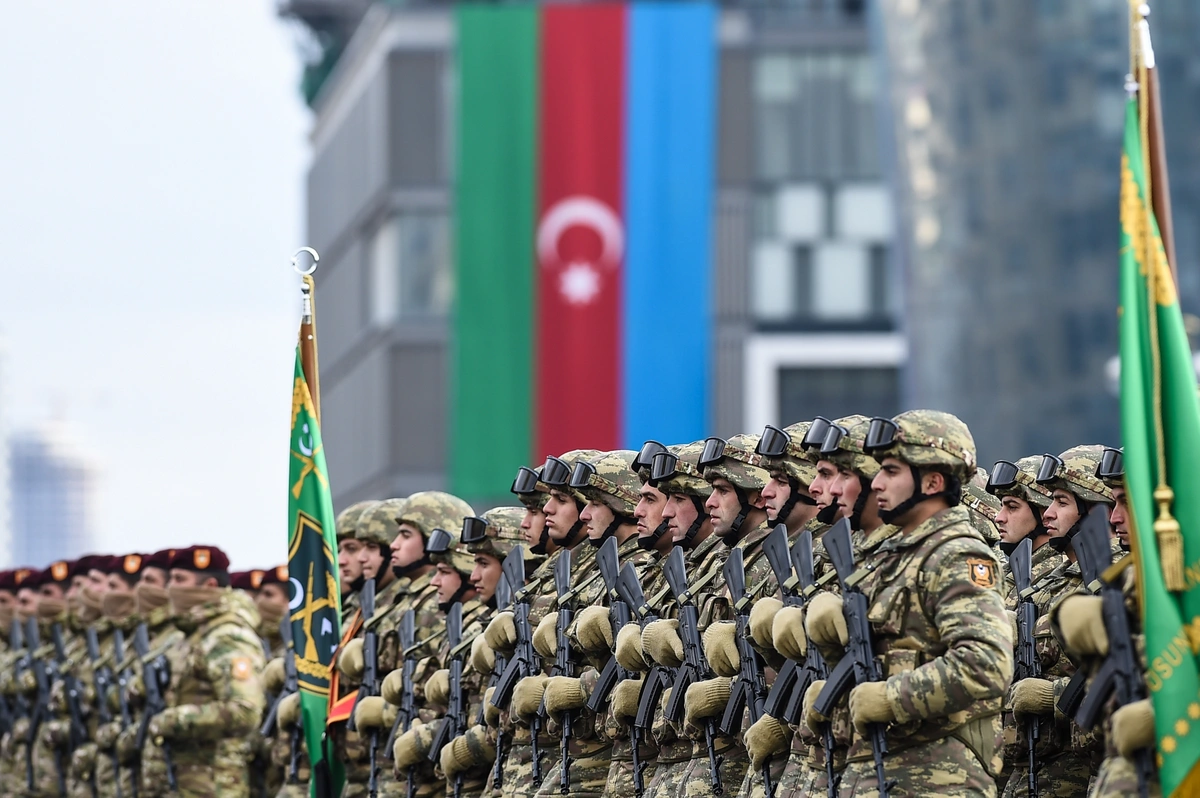
The response was a lightning-fast operation, as a result of which the enemy was forced to raise the white flag. The anti-terrorist measures once again demonstrated the modern combat capabilities and high level of professionalism of the Azerbaijani Army.
During the operation, Azerbaijan, guided by the principles of humanism, as during the 2020 war, did not strike the civilian population or civilian infrastructure. Strikes were directed exclusively at military targets.
At the same time, humanitarian corridors were opened to ensure the safety of the civilian population in the region. People voluntarily leaving the territory were provided with conditions for evacuation, food, and medical assistance. These measures demonstrated Azerbaijan's commitment to the principles of international humanitarian law.
The military significance of the September 19-20 measures was not limited to territorial or tactical results. The operation showed the ability of the Azerbaijani Army to accurately identify targets, effectively use modern technologies, integrate various military capabilities within a single plan, and accomplish assigned tasks in the shortest possible time.
It was these factors that turned the anti-terrorist measures into one of the most important operations in the military history of Azerbaijan.
One of the key results was the disarmament in a short time of the military structure that had been illegally operating in Karabakh for a long time. In accordance with the agreements reached on September 20, the remnants of the Armenian armed forces and the illegal formations of the separatist regime were to lay down their arms and leave their combat positions.
Thus, the existence of illegal armed forces in Karabakh was put to an end. In addition, various types of military equipment and weapons were seized, depriving these formations of the ability to offer further military resistance.
The logical continuation of this process was the de facto elimination of the political pillars of the separatist regime in Karabakh. On September 28, its so-called "leader" Samvel Shahramanyan signed a "decree" on the termination of all "departments" and "organizations."
Thus, the illegal separatist regime that had existed on the territory of Azerbaijan for many years ceased to exist. This created the political basis for restoring sovereign state power throughout its entire territory.
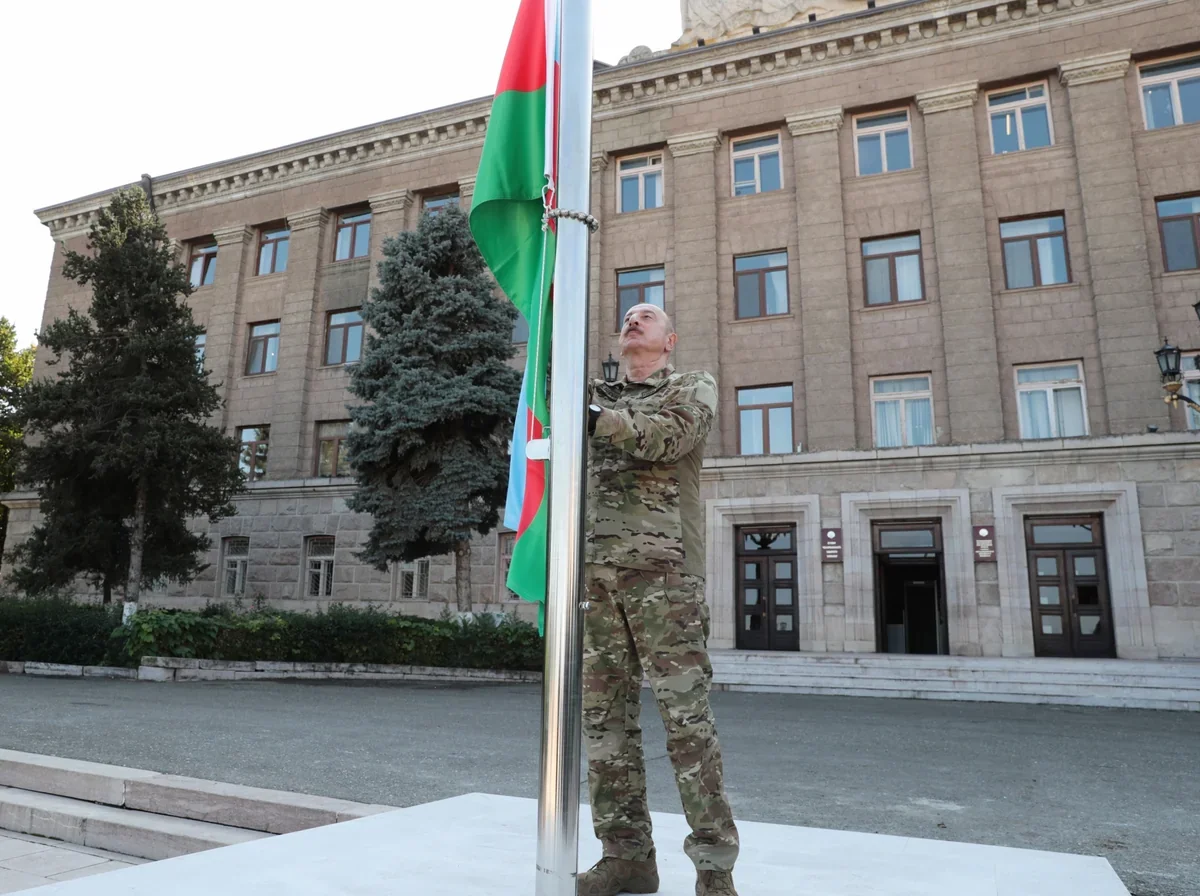
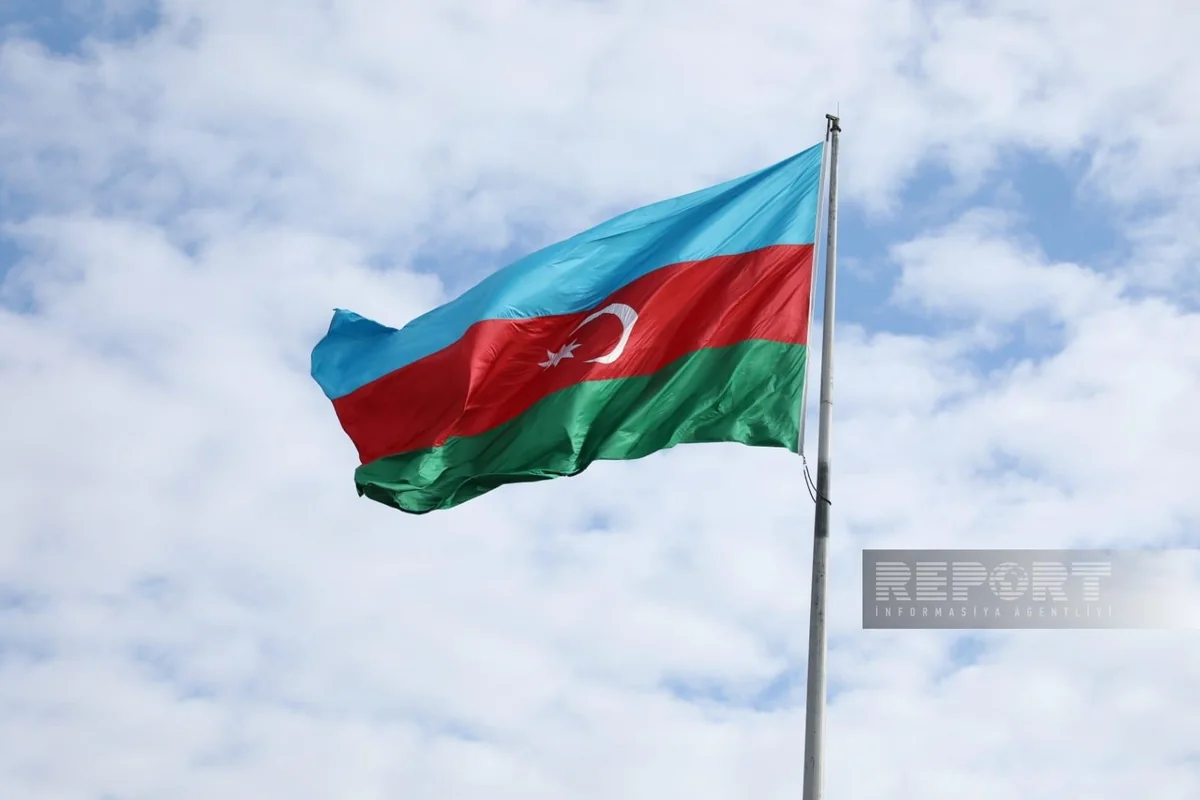
On October 15, 2023, President of Azerbaijan Ilham Aliyev raised the State Flag of the republic in Khankandi, marking the full restoration of the country's sovereignty.
In the following months, work began on establishing settlements and infrastructure, preparing conditions for the return of residents, as well as demolishing buildings that symbolized the activities of the separatist structure.
The operation, which lasted 23 hours and 43 minutes, also influenced the political rhetoric of Yerevan, its foreign policy, and its position in negotiations with Azerbaijan.
While before the operation, Armenian Prime Minister Nikol Pashinyan and his team continued to talk about the status of Karabakh, after September 20, the main topic of their statements became the normalization of relations with Azerbaijan, mutual recognition of territorial integrity, and the preparation of a peace agreement.
Prior to the anti-terrorist measures, the Armenian authorities and the remnants of the military junta in Karabakh, relying on the support of their patrons, intended to create new military communications, replenish stockpiles of weapons and ammunition, and threaten the legitimate representatives of the Azerbaijani authorities.
However, the events of September 19-20 demonstrated the fallacy of this policy. The Armenian side realized that the hand of peace extended by President Ilham Aliyev was not a manifestation of weakness. On the contrary, it testified to a commitment to the principles of humanism and a desire to prevent further bloodshed.
Upon the order of the Supreme Commander-in-Chief, the parties that rejected the peace proposal were shown the consequences of continuing their previous policy by military means in less than a day.
This became a confirmation of the triumph of the diplomatic and military strategy of the President of Azerbaijan, Ilham Aliyev. The Armenian leadership realized that further preserving the previous conflict model could threaten the future of the country itself.
The events of September 19-20 also marked the de facto end of the previous status quo in the South Caucasus. The new regional agenda focused on concluding a peace agreement, delimiting borders, and opening regional communications.
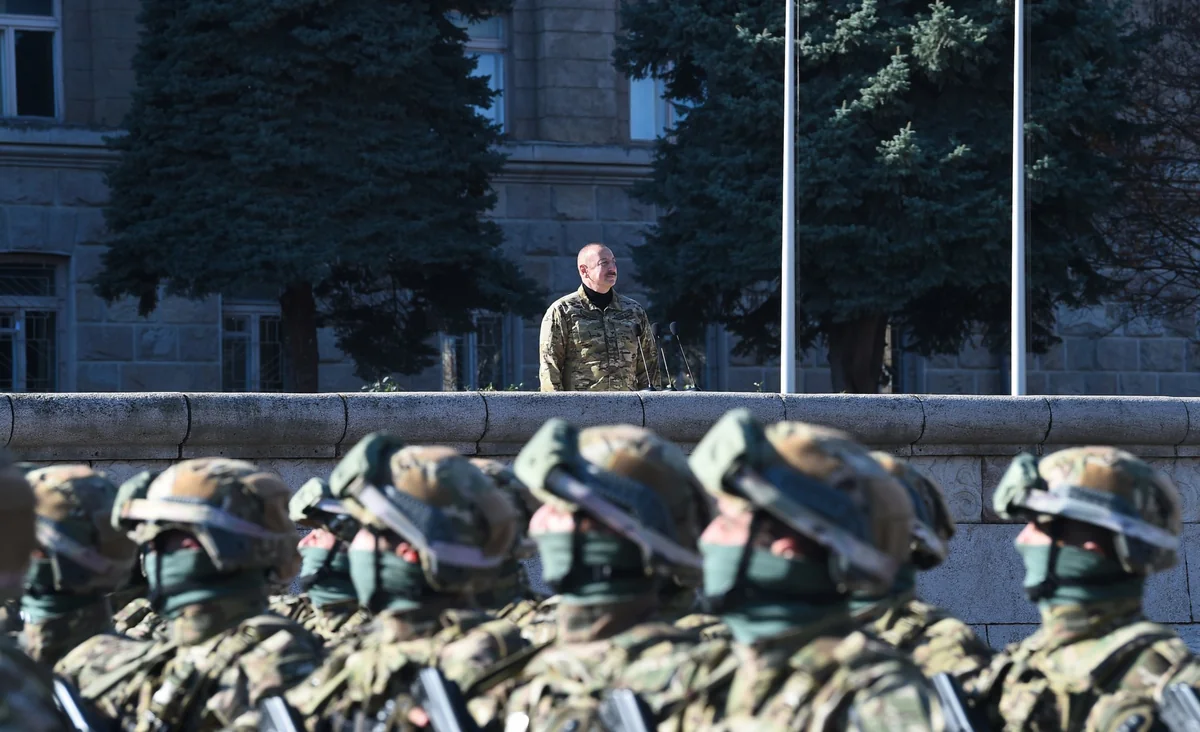
Ultimately, the anti-terrorist measures of September 19-20, 2023, went down in history as a triumph of the diplomatic and military strategy of the President, Supreme Commander-in-Chief Ilham Aliyev.
The policy pursued by him made it possible to mobilize diplomatic capabilities, maintain a principled position on the issue of Azerbaijan's sovereignty, strengthen control over the state border, continue the modernization of the army, and accelerate its equipment with new military hardware and equipment.
The logical result of this strategy was the cessation of the separatist regime's activities in Karabakh, the detention of its military-political leadership, and the bringing of its representatives to justice in Baku.
Thus, the September 19-20 operation and the subsequent events led to the realization of the strategic goals set by President Ilham Aliyev - the full restoration of Azerbaijan's territorial integrity and sovereignty.
Kamil Mammadov

